
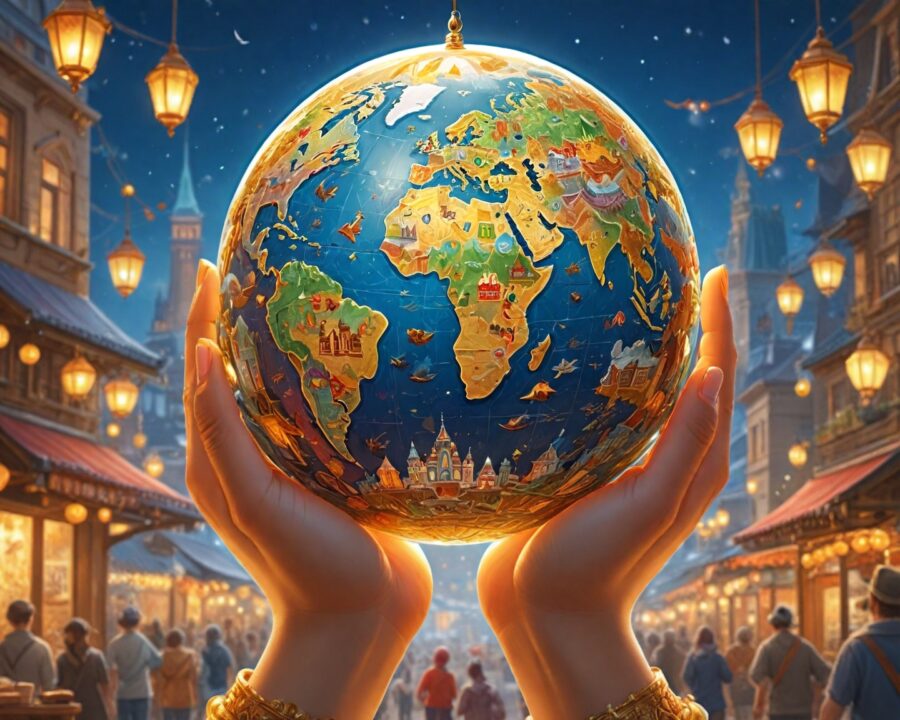
Introduction to Unique Holiday Celebrations Worldwide
Traveling has long been a means to discover and experience cultures different from our own. While landmark attractions often dominate travel itineraries, there exists a deeper, richer experience when one decides to explore the globe through its myriad of cultural festivals and holiday celebrations. These unique strands of cultural expression provide a profound insight into the values, histories, and identities of a nation and its people. From vibrant parades to solemn rituals, each celebration offers a distinctive flavor of life in that locale, inviting travelers to join in and be part of history as they transpire.
Understanding these unique holiday traditions by country can enhance your travel experience significantly and foster a sense of global connectivity. These celebrations reflect the diversity and creativity of human culture and present the perfect opportunity for travelers to immerse themselves in traditions they might not otherwise witness. In this article, we will take a journey across continents to reveal some of the most intriguing holiday celebrations, illustrating the diversity of cultural expression and detailing how you, as a traveler, can partake in these vibrant events.
Why Cultural Holidays are Important for Global Understanding
Cultural holidays play a pivotal role in promoting a deeper understanding and appreciation among people from different backgrounds. Celebrations rooted in tradition help preserve cultural heritage and, at the same time, provide a platform for sharing these customs with the world. They act as a bridge between the past and the present, enacting the values, beliefs, and history of a community.
Participating in cultural holidays allows travelers not only to observe but also to engage with new customs, thereby breaking down stereotypes and building bridges of mutual respect and understanding. Through experiencing the holiday traditions by country, travelers can uncover the stories that have shaped societies over centuries, fostering respect for the rich tapestry of global culture and the differences and similarities that bind us as humans.
Moreover, cultural holidays often challenge our perceptions and open our minds to new ideas and cuisines, encouraging an exchange of ideas and practices. As a traveler, attending such events can make you a more open-minded individual, aware of and sensitive to the different cultures that comprise our world. This experience can also have a ripple effect, where travelers return home with stories and insights that can inspire curiosity and appreciation within their own communities.
Top Unique Holiday Celebrations in Asia
Asia, the largest continent, offers a plethora of vibrant and unique holiday celebrations that reflect its diverse cultures and rich histories. One such celebration is the Dragon Boat Festival in China. Held on the fifth day of the fifth month of the lunar calendar, this festival commemorates the death of Qu Yuan, a poet and statesman from the Warring States period of ancient China. The highlight of the festival is the dragon boat races, where teams row long, narrow boats adorned to resemble dragons. These races are held in various rivers across the country, accompanied by festivities that include eating zongzi (glutinous rice wrapped in bamboo leaves) and drinking realgar wine.
Another noteworthy celebration is Thailand’s Songkran, a festival marking the Thai New Year, which usually takes place in mid-April. Known globally for its festive atmosphere, Songkran features vibrant parades, elephants adorned in bright colors, and the famous water fights, where people engage in playful water splashing to cleanse and purify themselves from the past year. It’s not only a time for joy and play but also for making resolutions and spending time with family.
In India, Diwali, the Festival of Lights, stands as a quintessential representation of India’s rich cultural tapestry. Celebrated by millions across the globe, Diwali signifies the victory of light over darkness and good over evil. People illuminate their homes with diyas (oil lamps) and candles, wear new clothes, and participate in fireworks displays. It is a time of great joy and is marked by exchanging gifts and sweets, visiting family members, and praying to Lakshmi, the goddess of wealth and prosperity.
Fascinating Holiday Traditions in Europe
Europe is a continent steeped in tradition, with holiday celebrations that have been passed down through generations. One of the most intriguing traditions is Spain’s La Tomatina, held in the town of Buñol. This unique festival sees participants engage in a massive tomato-throwing fight, which lasts for an hour and transforms the town’s streets into rivers of tomato juice. Despite its playful nature, La Tomatina is a celebration of Saint Louis Bertrand and the Virgin Mary and draws visitors from all over the world each August.
Another fascinating tradition is the Krampusnacht in Austria, which takes place on December 5th. Krampus, a mythical creature, is the dark companion of Saint Nicholas and comes out to punish naughty children. People dress up as Krampus, wearing masks and costumes, and parade through the streets to scare the children and keep them on Santa’s nice list. This is a stark contrast to the jovial nature of most holiday celebrations and highlights the rich folklore of Europe.
Not to be missed is the centuries-old tradition of the Carnival of Venice in Italy. Famous for its elaborate masks and opulent costumes, participants parade through the streets of Venice in a celebration that lasts for approximately two weeks leading up to Lent. The carnival has roots in the 13th century and continues to be a significant cultural event, blending tradition with an air of mystery and romance that captivates everyone who participates.
Unusual Holiday Celebrations in the Americas
The Americas are home to some of the most unusual and engaging holiday celebrations. One such event is the Día de los Muertos, or Day of the Dead, celebrated in Mexico. This multi-day holiday focuses on gatherings of family and friends to pray for and remember loved ones who have died. The celebrations involve colorful altars adorned with photos, candles, and marigolds, as well as lively parades and processions. Instead of mourning, it is a time to celebrate the lives of the departed, blending indigenous practices with Catholic traditions.
In the United States, Halloween is a holiday that has gained international appeal. Celebrated on October 31st, it involves an array of traditions, from dressing up in costumes to carving pumpkins into jack-o’-lanterns and trick-or-treating. Originally influenced by Celtic harvest festivals, Halloween has evolved into a holiday that uniquely combines spookiness with fun.
In Brazil, no celebration is more famous than the Carnival in Rio de Janeiro. This festival is known globally for its samba parades, vibrant costumes, and jubilant atmosphere. Taking place before Lent, Rio’s Carnival is the world’s largest outdoor party, drawing millions of spectators and participants every year. It is a testament to Brazil’s rich cultural heritage and its spirit of joy and revelry.
African Holiday Celebrations That Stand Out
Africa’s cultural tapestry is as varied as its landscapes, with holiday celebrations that highlight its rich traditions and community spirit. Among the notable celebrations is the Festival of the Dhow Countries in Zanzibar. This festival is a celebration of film, music, and arts, drawing participants from East African countries and beyond. It aims to promote cultural exchanges and provides a platform for artists, filmmakers, and musicians to showcase their work, celebrating the island’s coastal cultural heritage.
Another remarkable festival is the Naadam Festival in Mongolia, held every July. While not exclusively African, the event’s influence and similar cultural practices can be seen in North Africa’s Maghreb region, where games and physical contests still hold cultural significance. The Naadam Festival, known locally as “the three games of men,” features competitions in traditional wrestling, horse racing, and archery, drawing spectators and participants in fervent celebration.
Christmas in Ethiopia offers a unique perspective on a widely celebrated holiday. Known as Genna, Ethiopian Christmas is celebrated on January 7th, with religious ceremonies held in churches decorated with traditional hoop paintings. It involves a day of special services, feasting, and the playing of Genna, a sport similar to hockey. The orthodox religious practices in Ethiopia offer a differenciated view of Christmas from that seen in Western countries.
Oceanic and Pacific Island Holiday Traditions
The remote and serene landscapes of Oceania and the Pacific Islands host holiday celebrations that are as diverse as the islands themselves. One of the most striking is the Heiva Festival in Tahiti, a month-long celebration in July that showcases the rich Polynesian cultures of French Polynesia. Featuring traditional dance competitions, sporting events, and displays of craftsmanship, Heiva attracts locals and tourists alike, offering an international glimpse into Tahitian customs preserved through centuries.
In Papua New Guinea, the Hagen Show stands out as a dynamic cultural festival. This event, held in August, brings together over 100 tribes from across the country in a celebration of traditional song, dance, and ritual. The show presents an opportunity for cultural exchange and unity and serves as an important platform for Papua New Guinea’s diverse tribal groups to come together in a shared celebration.
New Zealand celebrates Matariki, the Māori New Year, to mark the appearance of the Pleiades star cluster during winter in New Zealand. Matariki is a time of reflection, celebration, and planning for the year ahead. Communities gather for cultural performances, feasting, and sharing stories, emphasizing the importance of family and remembering ancestors. This festival provides insight into Māori traditions and their connection to the natural world.
| Festival | Country | Key Features |
|---|---|---|
| Heiva Festival | Tahiti | Traditional dance, sporting events, craftsmanship displays |
| Hagen Show | Papua New Guinea | Tribal song and dance, cultural exchange |
| Matariki | New Zealand | Reflection, cultural performances, family gatherings |
How to Participate in Unique Holiday Celebrations as a Traveler
When considering the possibility of participating in unique holiday celebrations as a traveler, it’s important to approach these experiences with an attitude of respect and curiosity. Cultural holidays offer a first-hand view of traditions that are often integral to a community’s identity, and by participating, travelers can gain invaluable insight and appreciation.
Before attending a holiday event, it is beneficial to do some research on its history and significance. Understanding the customs and etiquette involved in the celebration can enhance the experience and prevent unintentional faux pas. For instance, some events may involve religious ceremonies where certain dress codes or behaviors are expected. Being informed will ensure that you are respectful and considerate as a visitor.
Travelers should also consider engaging with locals to gain a deeper understanding of the holiday’s significance. Whether through guided tours, cultural workshops, or informal conversations, this interaction can provide personal insights that enrich the overall experience. Many celebrations include processions, parades, and communal activities where you can participate directly, offering an immersive experience that deepens your cultural understanding.
Common Questions About Celebrating Holidays Abroad
How can I respectfully participate in a cultural holiday?
To participate respectfully in a cultural holiday, it’s important to research and understand the traditions and customs involved. Ask locals for guidance, dress appropriately, and ensure you’re observing any applicable ceremonies with respect. Engage with the community respectfully and be mindful of your behavior during the event.
What should I wear to a cultural holiday event?
Dress appropriately according to local customs and weather conditions. Some celebrations might have specific dress codes, especially those involving religious rituals. Research these requirements in advance or ask locals for advice to ensure you are adhering to cultural expectations.
Is it safe to attend large holiday events in another country?
While most holiday events are safe, it is wise to take general precautions. Keep your personal belongings secure, stay aware of your surroundings, and follow any safety advisories from local authorities. If you’re unsure, consult with locals or travel guides for safety recommendations related to the specific event.
Can I photograph or record holiday celebrations abroad?
It’s always best to ask for permission before taking photos or videos at cultural holiday events. Some ceremonies may be private or sensitive, and respecting privacy is crucial. When in doubt, asking a local guide or participant for guidance can help you navigate these situations appropriately.
Are there any costs involved in attending these holidays?
While many holiday celebrations are free to attend, certain events or activities may have associated costs, such as entry fees for festivals or workshops. Check local resources or event websites for details on any costs to be prepared.
How can I find upcoming unique holiday celebrations when planning my travel?
Research online by checking travel blogs, tourist boards, and cultural websites for information about upcoming holiday celebrations in your destination. Social media can also be a helpful tool for discovering local events and getting firsthand recommendations from travelers and locals.
Tips for Planning Your Trip Around Global Holiday Events
Planning your travel around global holiday events requires consideration and forethought to maximize the experience. Here are some tips to help you make the most of your travels:
-
Research the Event: Look into the history and significance of the holiday to gain a better understanding of its importance and what to expect.
-
Timing is Key: Align your travel dates with the holiday celebration. Some events may require you to arrive days in advance to secure accommodations and experience any preliminary festivities.
-
Accommodations: Book lodging well in advance, as some holiday celebrations attract large crowds and can make finding accommodations more challenging.
-
Local Involvement: Engage with locals to gain insights and personal stories about the celebrations. This can enhance your understanding and provide memorable experiences.
-
Respect and Sensitivity: Always approach these celebrations with respect, keeping in mind cultural sensitivities and participating in a way that honors the traditions.
-
Document Your Experience: While being respectful, take notes and photographs to preserve your memories and share your experiences with others back home.
Recap
In exploring the diverse holiday traditions by country, we uncover the rich cultural tapestries that define regions such as Asia’s Dragon Boat Festival, the Krampusnacht in Austria, Mexico’s Día de los Muertos, and the Hagen Show in Papua New Guinea. Through participation in these events, travelers can cultivate global understanding, experience unique cultural expressions, and form connections with communities around the world. By planning trips around such unique celebrations, the world opens up as a vibrant classroom, brimming with lessons on humanity, history, and identity.
Conclusion
Immersing oneself in unique holiday celebrations around the world not only enriches personal travel experiences but also contributes to a greater cultural understanding and appreciation of global diversity. These events highlight the traditions, histories, and people that make each region of the world so distinct and fascinating. Whether dancing at the Carnival in Rio or reflecting at Ethiopia’s Genna, travelers are often left with treasured memories and newfound respect for cultural diversity.
Travelers seeking to broaden their horizons will find that attending such holiday events offers a rare glimpse into the cultural heart of a nation. Through these firsthand experiences, we can foster a more connected and empathetic global community, one celebratory festival at a time. As you plan your next adventure, consider the opportunities to immerse yourself in the world’s cultural celebrations and return with stories that inspire and enlighten.