
Introduction to Rites of Passage and Their Significance
Rites of passage are profound ceremonies and rituals that mark the transition from one stage of life to another, often signifying a person’s entry into a new community status or role. They are characterized by specific actions, traditional practices, and sometimes elaborate ceremonies. These rites are evident across numerous cultures worldwide and hold a particularly significant place in tribal societies. For many of these communities, rites of passage are central to cultural identity and societal structure, acting as vital milestones that guide individuals through their life’s journey.
Such transitions often involve passages from childhood to adulthood, singlehood to married life, or even life to death. Each rite serves to solidify social norms, transmit knowledge, and reinforce community bonds. In tribal cultures, these traditions are not merely formalities but are imbued with deep meanings, entrenched in custom, and are a testament to the community’s values and beliefs. This article delves into the various rites of passage within tribal cultures, exploring their diverse and unique traditions, and examining their cultural significance and impact on identity and community building.
Overview of Tribal Cultures and Their Unique Traditions
Tribal cultures around the world showcase a beautiful array of diversity, with each community carrying its own unique set of traditions and rituals. These communities often possess a deep connection to the natural environment, which is intricately woven into their cultural and spiritual practices. The essence of their rites of passage lies in this profound relationship with the natural world and a reverence for ancestral wisdom.
Tribal societies in regions like Africa, the Americas, Asia, and Australia exhibit rich cultural tapestries marked by distinct languages, customs, and belief systems. The diversity is tied together by common threads of communal living, oral traditions, and a cyclical understanding of life. Rites of passage in these cultures are not only individual transitions but are also community celebrations that involve everyone, underscoring the importance of collective support and cohesion.
While each tribe has its unique traditions, there are common elements across different cultures such as the use of symbols, music, dance, and special garments. These elements serve as a universal language within the tribe, reminding members of their shared heritage and mutual responsibilities. By participating in these rites, individuals reaffirm their belonging and their roles within the tribe, strengthening communal bonds and ensuring the continuation of cultural values.
Coming-of-Age Ceremonies in Different Tribes
Coming-of-age ceremonies are pivotal in many tribal cultures, marking the transition from childhood to adulthood. These rites often include tests of endurance, demonstrations of skill, and lessons on responsibilities and expectations. For many tribes, these ceremonies are both a rite of passage for the individual and a ritual of renewal for the society.
In the Maasai tribe of East Africa, for example, boys undergo a ceremony called “Emuratare,” where they are circumcised and then spend several months living away from the village to learn survival skills and warrior traditions. This rite reflects their readiness to protect their community and start families. Similarly, the Apache tribe in North America celebrates the “Sunrise Ceremony” for girls, which includes dance, prayer, and symbolic rituals over four days to honor their transformation into womanhood.
In the Amazon rainforest, the Satere-Mawe tribe administers a unique coming-of-age ritual for boys involving bullet ant gloves. The initiation involves the boys wearing gloves filled with bullet ants whose stings are excruciatingly painful. Enduring this test is a sign of bravery and is essential for the boys to be acknowledged as adults within the community.
Coming-of-age ceremonies are crucial because they teach young individuals about their cultural heritage and introduce them to the roles and expectations they will hold as adults. They also serve as public recognition of their new status within the tribe, a rite that is celebrated with communal participation, symbolizing the interconnectedness of personal and community identity.
Marriage Rituals and Their Cultural Importance
Marriage is one of the most universally celebrated rites of passage and holds significant cultural importance in tribal communities. These ceremonies are more than just unions between individuals; they are alliances that cement bonds between families and groups, playing a key role in community structure and kinship networks.
In the Zulu culture of Southern Africa, marriage begins with the “lobola,” a dowry negotiation typically involving cattle, signifying respect and commitment between the families. The wedding ceremony involves vibrant dance, rhythmical singing, and traditional costumes, reflecting the cultural richness and communal spirit of the Zulu people. Each element of the ceremony highlights the significance of marriage as not just a personal commitment, but a communal event.
Among the Navajo in North America, the “sacred corn meal” ceremony symbolizes the blending of two families. The couple exchanges baskets of cornmeal, an act that signifies fertility and prosperity. The ritual is performed under the guidance of a medicine man and is imbued with spiritual elements that bless the couple with harmony and balance.
In the island nation of Samoa, tattooing is an integral component of marriage preparation. The intricate “tatual” process is a shared experience for the couple, symbolizing endurance, courage, and commitment, serving as a visible testament to their unity and readiness to uphold societal responsibilities together.
Marriage rituals in tribal cultures are imbued with symbols and traditions that emphasize unity and continuity. They not only celebrate individual love but also reinforce social ties and assure the propagation of cultural ideals, blending personal happiness with collective welfare.
Death and Mourning Rites in Tribal Communities
Death rites are some of the most profound ceremonies across tribal communities. These rites are crucial for honoring the deceased, comforting the bereaved, and assuring community members of the continuation of life beyond death. They help solidify community bonds by bringing people together to remember, mourn, and celebrate the lives of those who have passed.
The Toraja people of Indonesia hold elaborate funerals that can last for days. These rituals are seen as a way to send the deceased into the afterlife. The ceremonies include traditional music, dances, and even buffalo sacrifices and are a display of devotion and respect, underlining the belief in life’s continuity beyond the physical realm.
In Ghana, the Ga people conduct elaborate funeral celebrations called “home-goings,” complete with vibrant attire and music. These rites are joyful yet solemn, emphasizing the celebration of life rather than mourning death. The whole community’s participation signifies solidarity and respect, and the extent of these rites underscores the individual’s status and contributions to society.
In Australia, Aboriginal death rituals often involve “Sorry Business,” a period when the community collectively mourns, sings, dances, and paints. This process helps the spirit of the deceased return to the spiritual realm, nurturing the belief in cyclical life continuity and reinforcing shared cultural beliefs and identity.
Death and mourning rites in tribal cultures serve as pivotal moments for community solidarity; they emphasize the human connection to ancestry and remind members of their roles within the cycle of life and death. These funerals create a space to celebrate life, mourn loss, and strengthen community ties through shared beliefs and participatory rituals.
Spiritual and Initiation Ceremonies in Indigenous Cultures
Spiritual and initiation ceremonies are vital components of tribal cultures, serving as gateways into spiritual realms and marking the passage to new societal roles. These rites often involve symbolic rites, physical ordeals, and deep spiritual reflections that signify unity with the tribe’s heritage and transcendence of mundane life.
For the Aboriginal peoples of Australia, “Walkabout” is a rite of passage involving spiritual journeying for adolescent boys. During this solo trek, they connect with the land and the Dreamtime, demonstrating their readiness to accept adult responsibilities. This spiritual odyssey is considered essential in embracing their cultural heritage and is a pivotal element of Aboriginal identity.
The vision quest is a hallmark of initiation ceremonies in many Native American tribes. This rite involves spending time alone in the wilderness to seek visions or messages from spiritual guides. Such quests are vital to personal transformation and are seen as a communion with the divine, symbolizing the connection between humans and the spiritual world.
In the Brazilian rainforest, the initiation of a shaman in the Yanomami tribe involves isolation, fasting, and consuming fermented hallucinogenic drinks. These experiences are seen as essential for the shaman to gain knowledge and spiritual power to serve their community.
These spiritual and initiation ceremonies are essential in connecting individuals to their cultural beliefs and spiritual roots. They reinforce the participants’ identity within the tribe and symbolize their transition from ordinary to extraordinary roles within their communities. Through these rites, cultural knowledge and spiritual wisdom are passed down generations, ensuring cultural continuity.
Common Elements Across Tribal Rites of Passage
While each tribe has its distinct customs and practices, there are universal elements across tribal rites of passage that bind these diverse rituals in a shared human experience. These elements include the use of symbolism, community involvement, challenges or trials, and the transmission of cultural values and wisdom.
Symbolism and Ritual Objects:
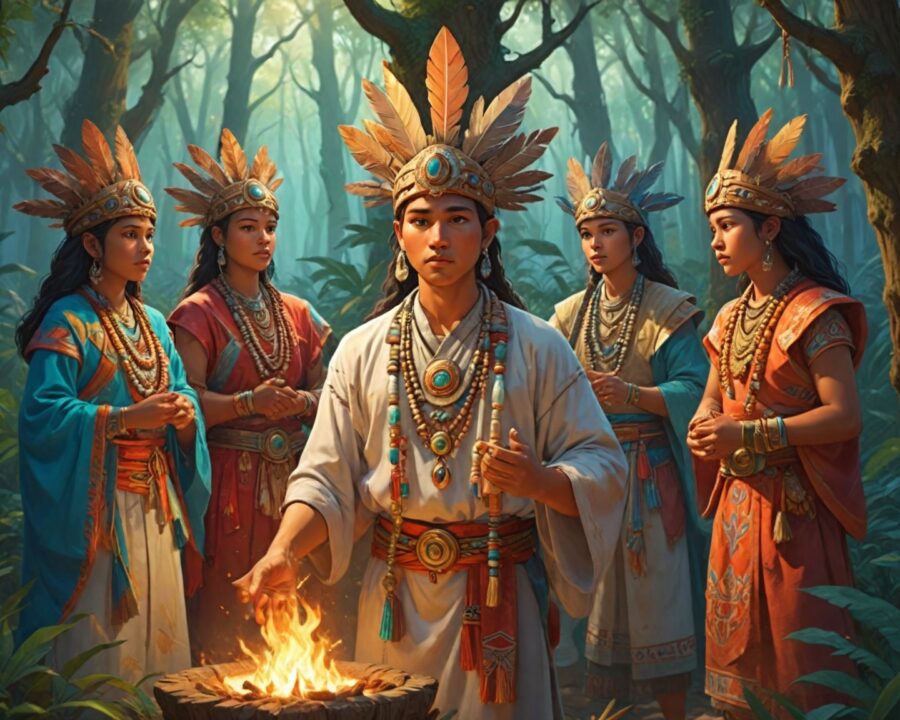
- Use of traditional attire or symbolic items such as feathers, beads, or specific plants.
- Incorporation of music, dance, or chants to evoke spiritual presence and celebrate transitions.
- Rituals may include the use of fire, water, earth, or air, each associated with different meanings.
Community Involvement:
- Active participation of family, friends, and tribal leaders is integral to fulfilling the purpose of the rite.
- Community feasts or gatherings that promote unity and collective celebration.
- Elders play a crucial role in passing cultural knowledge and guidance during these rites.
Challenges and Trials:
- Tests of endurance, physical feats, or symbolic acts that represent personal growth.
- Rituals often include isolation, fasting, or purification to prepare the individual spiritually and physically.
- Completion of these challenges earns recognition and respect from the community.
Transmission of Values and Wisdom:
- Rites serve as educational platforms where traditions, ethics, and communal values are imparted.
- Storytelling and oral traditions are often integral, recounting myths, histories, and legends.
- Participants emerge with a renewed understanding of their roles and expectations within the tribe.
These common elements underline the significance of rites of passage in not only marking individual transitions but also reinforcing the shared identity and cultural continuity of the tribe. They act as a cultural compass, guiding individuals throughout their lives and ensuring the survival of tribal traditions.
How Rites of Passage Shape Identity and Community Bonds
Rites of passage are foundational to shaping individual identities and nurturing community bonds in tribal societies. Through these temporal and ceremonial transformations, individuals gain a deeper understanding of their cultural identity and their place within the larger community framework.
At the personal level, rites of passage help individuals navigate through life’s pivotal stages, instilling a sense of belonging and continuity. By undergoing these rites, individuals internalize cultural values, learn about their heritage, and understand their roles and responsibilities. Participating in such rituals fosters self-awareness and personal growth, which is essential for their transition into societal roles.
On a communal level, these rites act as social glue, bringing people together in a collective experience that reinforces unity and cohesion. As these ceremonies often involve the collective participation of the tribe, they serve to reaffirm communal ties and shared identities. The mutual exchange of support and guidance during these rites builds trust, cooperation, and collective resilience.
Furthermore, rites of passage are crucial for passing down traditions and knowledge to younger generations, ensuring cultural survival and adaptation in a world that continuously changes. They embed cultural narratives and philosophies into the societal fabric, enabling members to forge connections across generations.
Ultimately, rites of passage are not just personal milestones but are community celebrations that nurture the intricate weave of identities, relationships, and cultural continuity in tribal societies.
Challenges in Preserving Traditional Rites in Modern Times
As tribal communities engage with rapidly globalizing contexts, preserving traditional rites of passage has become increasingly challenging. The encroachment of modernity, cultural homogenization, and socio-economic pressures threaten the continuity of these priceless traditions.
One of the primary challenges is the loss of cultural knowledge. As younger generations migrate to urban areas or adopt modern lifestyles, the transmission of oral histories and traditions vital to rites of passage diminishes. This loss of cultural transmission can lead to the erosion of tribal identity and practices over time.
There is also the influence of external religious and social norms that often clash with traditional values. For example, colonization, conversion to mainstream religions, and modern legal frameworks can directly or indirectly affect the feasibility of conducting traditional rites. Furthermore, global education systems often prioritize mainstream cultural norms over indigenous knowledge systems, marginalizing traditional practices.
Economic changes have also impacted these rites. The advent of market economies and monetization has altered the social fabric, changing resource availability and affecting communal participation in rituals. It also introduces new challenges with regard to time and resource allocation necessary for conducting these elaborate ceremonies.
In facing these challenges, tribes are making concerted efforts to safeguard their heritage, often using modern means like digital documentation, cross-cultural education, and legal protection measures to preserve and revitalize their traditional rites of passage for future generations.
Practical Steps to Learn and Respect Tribal Traditions
For those interested in learning about and respecting tribal traditions, there are practical steps to approach these cultural practices with integrity and sensitivity.
- Engage with Cultural Bearers:
- Seek knowledge from respected elders or cultural practitioners within tribes who are guardians of these traditions.
- Participate in community workshops or educational programs that focus on indigenous cultures.
- Attend public ceremonies that are open to outsiders, ensuring that participation is respectful and consensual.
- Educate Yourself:
- Read extensively about tribal histories, cultural contexts, and current issues facing tribal communities. Engage with literature written by indigenous authors.
- Use resources like documentaries, podcasts, and online courses dedicated to understanding and appreciating tribal cultures.
- Support Cultural Preservation:
- Contribute to or volunteer for organizations focused on protecting tribal customs and rights.
- Advocate for policies that protect indigenous rights and heritage at local and global levels.
- Practice Cultural Humility:
- Approach tribal ceremonies and rites with an open mind and respect, recognizing that they are sacred and integral to community identity.
- Before photographing or sharing information about these practices, seek permission to ensure cultural sensitivity and respect for privacy.
- Foster Intercultural Dialogue:
- Engage in conversations with tribal members, providing mutual cultural exchanges that benefit both parties.
- Encourage dialogue between different cultural groups to build understanding and celebrate diversity.
By following these steps, individuals can learn and respect tribal traditions in ways that honor these communities’ heritage and promote the continuity of their rich cultural legacies.
FAQ
What are rites of passage in tribal cultures?
Rites of passage in tribal cultures are ceremonies or events that signify an individual’s transition from one stage of life to another, such as from childhood to adulthood, and are crucial for defining societal roles within the community.
How do tribal rites of passage differ globally?
While rites of passage vary greatly among tribes, they often include common elements like symbolic rituals, community involvement, and the transmission of cultural values. Local geography, resources, and cultural beliefs influence specific practices within each tribe.
Why are coming-of-age ceremonies important in tribal societies?
Coming-of-age ceremonies mark an individual’s entry into adulthood and are vital for defining expectations and responsibilities. These rites reaffirm personal identities and social bonds and play a crucial role in cultural knowledge transmission.
What challenges threaten the preservation of tribal rites of passage?
Modern influences such as globalization, cultural homogenization, economic pressures, and loss of traditional knowledge pose significant challenges to preserving tribal rites of passage in today’s world.
What can outsiders do to respectfully learn about tribal traditions?
Outsiders can seek knowledge from cultural practitioners, educate themselves through accessible resources, support cultural preservation initiatives, practice cultural humility, and foster intercultural dialogue to learn about and respect tribal traditions.
Recap
Tribal rites of passage are essential cultural practices that signify key life transitions and reinforce communal identity. Rites of passage often involve symbolic rituals, community engagement, and the passing of knowledge that nurtures identity and community bonds. While these traditions face challenges due to modern pressures, there are practical steps to learn and respect these valuable cultural practices.
Conclusion
Rites of passage in tribal cultures embody profound and sacred transitions that are essential for personal identity and community cohesion. These ceremonies carry rich traditions and cultural significance that contribute to the survival and strengthening of tribal identities in a changing world.
Understanding and respecting these cultural practices require openness, commitment, and an appreciation for the diversity of human experiences. In valuing such traditions, there is greater potential for mutual enrichment, cultural preservation, and the nurture of shared global understanding.