
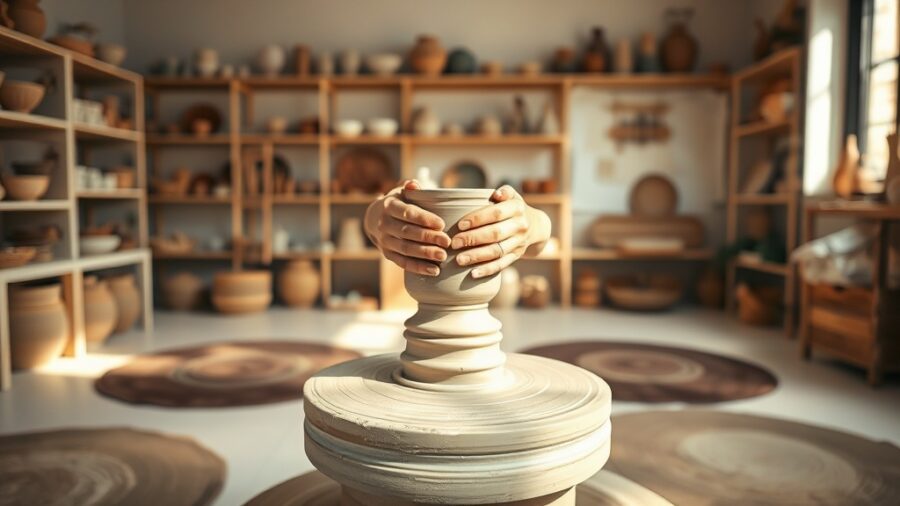
Pottery Relaxation Hobby Start: Ignite Your Creative Journey
Have you ever considered how a simple hobby can transform your mental well-being? Pottery, a time-honored craft, serves not only as a creative outlet but also as a powerful tool for relaxation. In this article, we will explore how to get started with pottery as a relaxation hobby, emphasizing its benefits and the steps you can take to immerse yourself in this fulfilling activity. Whether you’re seeking a way to unwind after a long day or looking for a new passion, pottery can be the perfect solution.
Throughout this guide, you’ll discover the essential tools and materials needed for beginners, basic pottery techniques to help you get started, and ways to find pottery classes or studios near you. We will also discuss how to set up a home pottery space and integrate pottery into your daily routine. By the end of this article, you’ll be equipped with all the knowledge you need to embark on your pottery journey.
Pottery is more than just shaping clay; it’s a meditative practice that encourages mindfulness and creativity. With the right guidance and commitment, you can turn this ancient art form into a source of relaxation and joy. Are you ready to learn how to start your pottery relaxation hobby? Let’s dive in!
Introduction to Pottery as a Relaxation Hobby
The Historical Context of Pottery
Pottery has been an integral part of human culture for thousands of years. From ancient civilizations to modern-day artisans, the craft of shaping clay has evolved, yet its fundamental purpose remains the same: to create functional and artistic pieces. The earliest known pottery dates back to around 29,000 BC, discovered in what is now the Czech Republic. This historical significance adds depth to the practice, making it not just a hobby but a connection to our ancestors.
In contemporary society, pottery has resurfaced as a popular hobby, particularly in the context of relaxation. In a world that is increasingly fast-paced and stressful, engaging in a tactile, creative process can provide a much-needed respite. Pottery allows individuals to disconnect from technology and focus on the present moment, fostering a sense of calm and achievement.
The Meditative Benefits of Pottery
Engaging in pottery can serve as a form of meditation. The repetitive motions of kneading clay, shaping it on a wheel, and glazing pieces can induce a state of flow, where distractions fade away, and focus sharpens. This practice encourages mindfulness, helping practitioners to center their thoughts and find peace amidst chaos.
Research has shown that creative activities like pottery can reduce stress levels significantly. According to a study published in the “Journal of Positive Psychology,” participants who engaged in creative practices reported increased feelings of relaxation and improved mood. By incorporating pottery into your routine, you can harness these benefits and cultivate a more balanced lifestyle.
Benefits of Pottery for Relaxation
Physical Benefits of Working with Clay
One of the often-overlooked advantages of pottery is its physical benefits. Working with clay requires a variety of movements that can strengthen hand muscles and improve dexterity. The act of shaping clay can also enhance fine motor skills, which is particularly beneficial for individuals of all ages.
Additionally, pottery can serve as a low-impact exercise, promoting better posture and encouraging the use of core muscles when working on a pottery wheel. These physical aspects contribute to overall well-being, making pottery not just a mental escape but a physical one as well.
Emotional and Psychological Advantages
Pottery offers a unique emotional outlet, allowing individuals to express their feelings and thoughts through creative means. This form of self-expression can be incredibly therapeutic, helping to process emotions and experiences. For many, creating art can lead to a sense of accomplishment and boost self-esteem.
Moreover, pottery can foster community and connection. Joining a pottery class or workshop provides opportunities to meet like-minded individuals, share experiences, and build friendships. This social aspect can further enhance the relaxation benefits, as engaging with others can alleviate feelings of isolation and promote a sense of belonging.
Essential Tools and Materials for Beginners
Basic Pottery Tools You Will Need
Starting your pottery journey requires some essential tools. While the list may seem daunting, you don’t need to invest in everything at once. Here are the basic tools you’ll need to begin:
- Clay: The foundation of your pottery. Choose a type suitable for beginners, such as earthenware or stoneware.
- Pottery Wheel: If you plan to throw pots, a pottery wheel is essential. For hand-building, you won’t need one initially.
- Wire Cutter: Used for slicing clay and removing pieces from the wheel.
- Wooden Modeling Tools: These help shape and refine your creations.
- Sponge and Rags: Useful for smoothing surfaces and cleaning up.
- Glazes: To finish your pottery pieces, you will need various glazes to add color and texture.
Choosing the Right Clay and Glazes
Selecting the right type of clay is crucial for beginners. Clay types differ in texture, firing temperature, and finish. Here are some common types of clay:
- Earthenware: A low-fire clay that is easy to work with and ideal for beginners.
- Stoneware: A mid-range clay that is durable and versatile.
- Porcelain: A high-fire clay that is more challenging but yields beautiful results.
When it comes to glazes, you can choose from a wide array of colors and finishes, including matte, glossy, or textured. Experimenting with different glazes can enhance your pottery creations and allow for a personal touch in your work.
Basic Pottery Techniques to Get Started
Hand-Building Techniques
For beginners, hand-building techniques are a fantastic way to start your pottery journey. These methods involve shaping clay without a wheel, making them accessible and rewarding. The three primary hand-building techniques include:
- Pinching: A simple technique where you pinch and shape the clay with your fingers to form bowls or small sculptures.
- Coiling: This method involves rolling clay into long coils and stacking them to create pots or vessels.
- Slab Building: In this technique, flat slabs of clay are cut and assembled to form shapes, allowing for more geometric designs.
Throwing on the Pottery Wheel
If you’re interested in wheel throwing, it’s essential to learn the basics of centering the clay on the wheel. This process involves:
- Wedge the clay: Knead the clay to remove air bubbles and achieve a consistent texture.
- Centering: Place the clay on the wheel and use your hands to shape it into a centered mound.
- Creating Shapes: Once centered, you can pull the clay upward to form various shapes, such as bowls or vases.
Practice is key when learning these techniques. Don’t be discouraged by initial failures; pottery is a skill that improves with time and patience.
Finding a Pottery Class or Studio
Researching Local Pottery Classes
One of the best ways to start your pottery journey is by enrolling in a local pottery class. Many community centers, art studios, and colleges offer pottery courses for beginners. Researching local options can help you find a class that fits your schedule and skill level.
When searching for classes, consider the following factors:
- Instructor Experience: Look for classes led by experienced potters who can provide guidance and support.
- Class Size: Smaller classes often allow for more personalized attention.
- Material Costs: Inquire about what materials are included in the class fee and any additional costs.
Exploring Pottery Studios
In addition to classes, many pottery studios offer open studio time, where you can work on your projects independently. This option is excellent for those who want to practice their skills outside of a structured class. Studios often provide access to equipment, tools, and glazes, allowing you to explore different techniques and styles.
Joining a pottery studio can also foster a sense of community, as you’ll meet other pottery enthusiasts and gain inspiration from their work. Look for studios that host events, workshops, or exhibitions to further enrich your pottery experience.
Setting Up Your Home Pottery Space
Creating a Functional Pottery Area
If you prefer to work on pottery at home, it’s essential to set up a dedicated space that is both functional and inspiring. Here are some tips for creating your home pottery studio:
- Choose the Right Location: Find a space with ample natural light and good ventilation, preferably near a water source for cleaning.
- Invest in a Pottery Wheel: If you plan to throw pots, consider purchasing a pottery wheel to work from home.
- Organize Your Tools: Use shelves or storage bins to keep your tools and materials organized and easily accessible.
Incorporating Safety Measures
When setting up your home pottery space, it’s crucial to incorporate safety measures. Here are some considerations:
- Wear Protective Gear: Use an apron and gloves when working with clay and glazes to protect your skin.
- Ensure Proper Ventilation: Use exhaust fans or open windows to minimize exposure to dust and fumes.
- Keep a First Aid Kit Handy: Accidents can happen, so it’s wise to have a first aid kit nearby.
Incorporating Pottery into Your Routine
Establishing a Pottery Schedule
Incorporating pottery into your daily routine can enhance your relaxation and creativity. Establishing a consistent schedule, even if it’s just a couple of hours a week, can help you develop your skills and enjoy the therapeutic benefits of working with clay.
Consider the following strategies for making pottery a regular part of your life:
- Set Aside Time: Dedicate specific days and times for pottery, treating it as an important appointment.
- Join a Group: Participating in a pottery group or class can provide motivation and accountability.
- Start Small: If you’re busy, begin with short sessions and gradually increase the time as you become more comfortable.
Mindfulness and Pottery Practice
As you incorporate pottery into your routine, focus on the mindfulness aspect of the practice. Allow yourself to be present while working with clay, paying attention to the textures, smells, and sensations. This mindful approach can enhance the relaxation benefits and make your pottery sessions even more rewarding.
Consider journaling about your pottery experiences, noting your thoughts, feelings, and progress. This reflection can deepen your understanding of the practice and its impact on your well-being.
Conclusion and Encouragement to Start
Embarking on a pottery relaxation hobby can be a transformative experience. From its historical roots to the modern benefits of creativity and mindfulness, pottery offers an avenue for self-expression and relaxation. By following the steps outlined in this article, you can confidently start your journey into the world of pottery.
Remember, the key to success is patience and practice. Allow yourself to make mistakes and learn from them. Whether you’re creating functional pieces or artistic sculptures, each creation is a reflection of your unique perspective and journey. As you mold clay into beautiful shapes, you are also shaping your mental well-being and enriching your life.
So gather your tools, find a class, or set up your home space, and let the journey begin. Pottery awaits you!
Frequently Asked Questions about Pottery
1. Do I need any prior experience to start pottery?
No, pottery is accessible to everyone, regardless of prior experience. Many classes cater to beginners, providing the necessary guidance to help you get started.
2. What type of clay should I use for beginners?
Earthenware is often recommended for beginners due to its workability and lower firing temperature. As you gain experience, you can explore other clay types like stoneware or porcelain.
3. How much does it cost to start pottery?
The cost can vary depending on the tools, materials, and classes. You can start with a modest budget by purchasing essential tools and joining a beginner class, which often includes materials.
4. Can I do pottery at home without a wheel?
Absolutely! Hand-building techniques, such as pinching and coiling, allow you to create pottery without a wheel. Many beginners find hand-building to be a rewarding way to start.
5. How long does it take to become skilled at pottery?
Skill development in pottery varies by individual, but with regular practice, you can see significant improvement within a few months. Embrace the learning process, and enjoy the journey!
Key Takeaways about Pottery Relaxation Hobby
- Pottery serves as a powerful relaxation hobby that fosters mindfulness and creativity.
- The physical benefits of working with clay include improved dexterity and strength.
- Essential tools for beginners include clay, a pottery wheel, and basic modeling tools.
- Hand-building techniques are great for beginners to get started without a wheel.
- Finding local classes or studios can enhance your learning experience and foster community.
- Setting up a home pottery space allows for creative flexibility and personal expression.
- Incorporating pottery into your routine can enhance relaxation and well-being.
- Embrace the journey of learning pottery, and don’t fear making mistakes along the way.