
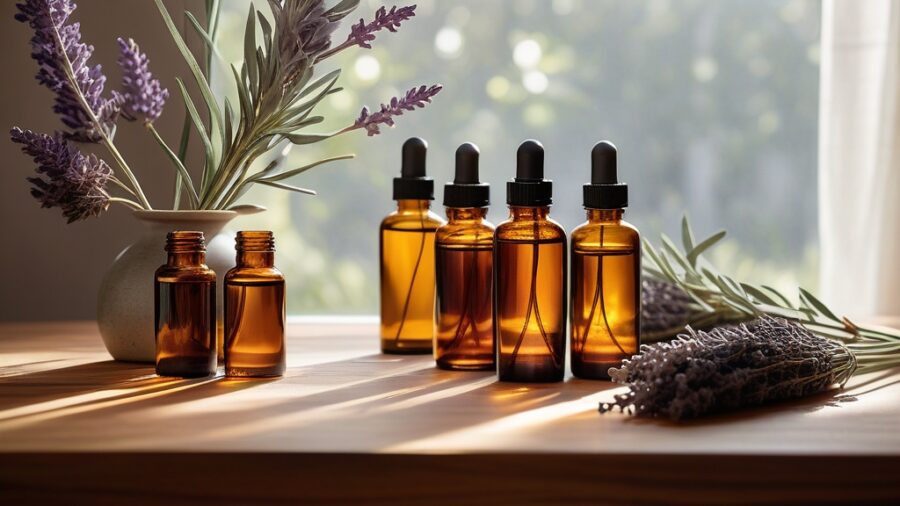
Aromatherapy Essential Oils Guide: Unlocking the Power of Nature
Aromatherapy has become increasingly popular in recent years, with many people turning to essential oils for various health and wellness benefits. This comprehensive aromatherapy essential oils guide aims to provide you with a thorough understanding of essential oils, their uses, and how to incorporate them into your daily routine. From stress relief to enhancing your mood, the right essential oils can make a significant difference in your life.
This guide will cover everything from the fundamentals of aromatherapy to practical tips on how to safely use essential oils. You will learn about different types of essential oils and their unique properties, as well as how to create your own blends tailored to your specific needs. By the end of this article, you will feel confident in your ability to choose, use, and enjoy essential oils safely and effectively.
Whether you are a beginner or an experienced user, this guide will serve as a valuable resource for anyone interested in the world of aromatherapy. So, let’s dive into the fascinating realm of essential oils and discover how they can enhance your overall well-being.
Introduction to Aromatherapy and Essential Oils
What is Aromatherapy?
Aromatherapy is a holistic healing practice that utilizes the natural aromatic compounds found in plants to promote physical, emotional, and psychological well-being. The practice dates back thousands of years, with ancient civilizations such as the Egyptians and Greeks using essential oils for medicinal and therapeutic purposes.
Today, aromatherapy is widely recognized for its potential benefits, which include reducing stress, alleviating pain, and improving sleep quality. It is important to note that aromatherapy is not a substitute for professional medical treatment but can be a complementary approach to holistic healing.
Understanding Essential Oils
Essential oils are concentrated extracts derived from various parts of plants, including leaves, flowers, stems, and roots. Each essential oil has its own unique chemical composition, which contributes to its specific properties and potential benefits. For instance, lavender oil is known for its calming effects, while peppermint oil is often used for its invigorating properties.
Essential oils can be obtained through various methods, such as steam distillation, cold pressing, or solvent extraction. The quality of the oil can vary significantly based on the extraction method, the plant source, and the production process. Therefore, it is crucial to choose high-quality essential oils for optimal results.
Understanding Different Types of Essential Oils
Citrus Essential Oils
Citrus essential oils, such as lemon, orange, and grapefruit, are known for their uplifting and energizing properties. They are often used in aromatherapy to enhance mood and promote a sense of happiness. Additionally, citrus oils possess natural antibacterial and antiviral properties, making them a popular choice for cleaning products.
These oils are typically cold-pressed from the peels of the fruit, preserving their vibrant scent and therapeutic benefits. Citrus essential oils can also be used in culinary applications, adding flavor and aroma to various dishes.
Herbaceous Essential Oils
Herbaceous essential oils, including basil, rosemary, and thyme, are derived from aromatic herbs and are known for their stimulating and grounding effects. These oils are often used to promote mental clarity and focus, making them ideal for use in study or work environments.
In addition to their aromatic benefits, herbaceous oils are often associated with respiratory health and can be used to relieve congestion and support overall respiratory function. Their antispasmodic properties also make them effective for soothing digestive discomfort.
- Citrus Essential Oils: Uplifting, energizing, and antibacterial.
- Herbaceous Essential Oils: Stimulating, grounding, and supportive of respiratory health.
How to Use Essential Oils Safely
Understanding Dilution
One of the most important aspects of using essential oils safely is understanding the concept of dilution. Essential oils are highly concentrated and should never be applied directly to the skin without dilution. Carrier oils, such as jojoba oil or coconut oil, should be used to dilute essential oils before topical application.
The general rule of thumb for dilution is to mix one to two drops of essential oil with a teaspoon of carrier oil for adults, depending on the oil’s potency and the intended use. For children or those with sensitive skin, further dilution may be necessary. Always perform a patch test before applying a new oil to a larger area of skin.
Storage and Shelf Life
Proper storage of essential oils is essential to maintain their potency and effectiveness. Essential oils should be stored in dark glass bottles to protect them from light and heat, which can degrade their quality. Additionally, keeping the bottles tightly sealed and in a cool, dry place will help extend their shelf life.
Most essential oils have a shelf life of one to three years, depending on the type of oil. Citrus oils tend to have a shorter shelf life, while oils like sandalwood and patchouli can last much longer. Regularly check your oils for any signs of degradation, such as a change in color or scent.
Aromatherapy Techniques for Stress Relief
Diffusion
Diffusion is one of the most popular methods of using essential oils for stress relief. By dispersing essential oils into the air, you can create an aromatic environment that promotes relaxation and well-being. There are various ways to diffuse essential oils, including using a diffuser, a vaporizer, or simply adding a few drops to a bowl of hot water.
When diffusing essential oils, it is advisable to use calming oils such as lavender, chamomile, or bergamot. These scents can help reduce anxiety, promote relaxation, and improve overall mood. Diffusing oils for 30 minutes to an hour can significantly enhance the ambiance of a room and create a soothing atmosphere.
Topical Application and Massage
Another effective technique for stress relief is the topical application of diluted essential oils. Incorporating essential oils into a massage routine can enhance relaxation and promote a sense of calm. Popular essential oils for massage include lavender, ylang-ylang, and frankincense.
To create a calming massage blend, mix a few drops of your chosen essential oil with a carrier oil, such as sweet almond or grapeseed oil. Apply the mixture to pulse points, such as the wrists, temples, or neck, to experience the soothing effects of the oils. This method not only provides physical relaxation but also allows for emotional healing through the power of touch.
Essential Oils for Common Ailments
Headaches and Migraines
Essential oils can be a natural and effective remedy for headaches and migraines. Peppermint oil is particularly renowned for its ability to relieve tension headaches due to its cooling and analgesic properties. Applying diluted peppermint oil to the temples and the back of the neck can provide quick relief.
Lavender oil is another excellent choice for headache relief, as it promotes relaxation and helps alleviate stress-related headaches. Inhaling lavender oil or using it in a diffuser can create a calming environment that can help ease discomfort.
Cold and Flu Symptoms
During cold and flu season, essential oils can support the immune system and alleviate symptoms. Eucalyptus oil is known for its ability to relieve congestion and support respiratory function. Adding a few drops of eucalyptus oil to a steam inhalation can provide quick relief from nasal congestion and sinus pressure.
Tea tree oil is also beneficial due to its antibacterial properties. It can be used in a chest rub or added to a diffuser to help clear the air and support overall respiratory health. Always ensure to dilute essential oils before topical use to avoid skin irritation.
| Ailment | Recommended Essential Oils | Application Method |
|---|---|---|
| Headaches | Peppermint, Lavender | Topical application, Diffusion |
| Cold and Flu | Eucalyptus, Tea Tree | Steam inhalation, Diffusion |
Creating Your Own Aromatherapy Blends
Basic Principles of Blending
Creating your own aromatherapy blends can be a rewarding and enjoyable experience. When formulating a blend, it is essential to consider the individual properties of each essential oil and how they complement each other. A well-balanced blend typically includes a top note, middle note, and base note.
Top notes are the initial scents that you smell and usually evaporate quickly. Citrus oils are excellent examples of top notes. Middle notes provide balance and harmony to the blend, while base notes add depth and longevity, often derived from oils like sandalwood or patchouli.
Experimenting with Ratios
When creating your own blends, it can be helpful to start with a basic ratio of 3:5:2, representing the top, middle, and base notes, respectively. For example, if you are using six drops of essential oil, use three drops of a top note, five drops of a middle note, and two drops of a base note. This ratio can be adjusted based on personal preference and the desired intensity of the scent.
Always remember to test your blends in small batches before making larger quantities. Keeping a blending journal can also help you track your experiments and refine your recipes over time.
Choosing Quality Essential Oils
Recognizing Quality Indicators
When selecting essential oils, quality is paramount. High-quality essential oils should be pure and free from additives or synthetic ingredients. Look for oils that are labeled as 100% pure and therapeutic grade. Additionally, reputable brands will provide information about the plant source, extraction method, and country of origin.
Another quality indicator is the presence of a batch number and expiration date on the packaging. This information ensures traceability and helps you track the freshness of the oil. Always avoid oils that are sold at unusually low prices, as they may be diluted or adulterated.
Purchasing from Reputable Sources
To ensure you are purchasing quality essential oils, it is advisable to buy from reputable suppliers who specialize in aromatherapy products. Research the company’s reputation and read customer reviews to gain insight into their products and practices. Additionally, consider purchasing from local health food stores or aromatherapy shops where staff can provide guidance and recommendations.
Conclusion and Key Takeaways
In conclusion, this aromatherapy essential oils guide has provided you with comprehensive insights into the world of essential oils and their numerous benefits. From understanding the different types of essential oils to exploring practical applications for stress relief and common ailments, you now possess the knowledge to make informed decisions about using essential oils in your daily life.
Remember, the key to successful aromatherapy lies in choosing high-quality oils, using them safely, and experimenting with blends to find what works best for you. As you embark on your aromatherapy journey, keep in mind that the power of nature is at your fingertips, waiting to enhance your well-being.
FAQ about Aromatherapy Essential Oils
1. What are essential oils?
Essential oils are concentrated plant extracts that capture the natural aroma and beneficial properties of the plant. They can be used for various purposes, including aromatherapy, skincare, and natural remedies.
2. How do I choose the right essential oil for my needs?
Choosing the right essential oil depends on your specific needs and preferences. Research the properties of different oils and consider what benefits you are seeking, whether it’s relaxation, energy, or relief from specific ailments.
3. Can essential oils be ingested?
While some essential oils are safe for ingestion, it is generally advisable to use them topically or through diffusion. Always consult with a qualified aromatherapist or healthcare professional before considering ingestion.
4. Are there any side effects of using essential oils?
Essential oils can cause skin irritation or allergic reactions in some individuals. It is essential to dilute oils properly and perform a patch test before applying them to the skin.
5. How can I incorporate essential oils into my daily routine?
You can incorporate essential oils into your daily routine through various methods, such as diffusing them in your home, adding them to bathwater, or using them in massage blends. Experiment with different techniques to find what works best for you.
- Aromatherapy utilizes natural plant extracts for wellness.
- Essential oils must be diluted before topical application.
- Citrus and herbaceous oils offer unique benefits.
- Proper storage extends the shelf life of essential oils.
- Stress relief techniques include diffusion and massage.
- Creating your own blends can be a rewarding experience.
- Choosing quality oils is crucial for effectiveness.
- Consult professionals for safe and effective use.