
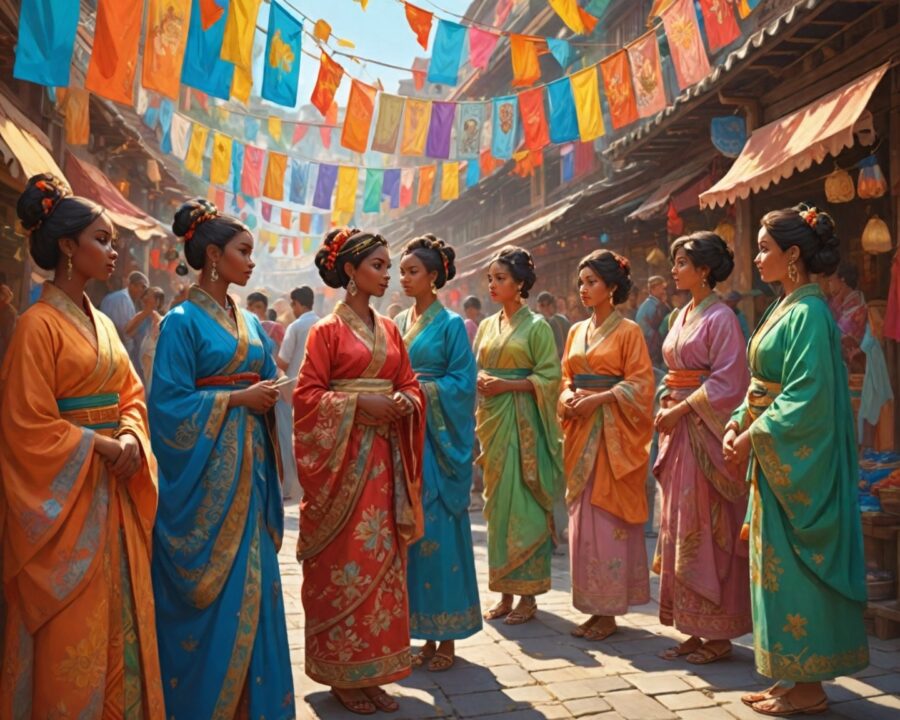
Exploring Traditional Clothing Styles from Diverse Cultures
Culture is an ever-evolving tapestry that defines societies and connects generations. While languages and customs can change over time, traditional clothing often remains a vivid and enduring expression of cultural identity. It embodies the heritage, values, and history of a community, capturing the elegance and functionality that societies have crafted over centuries. As we traverse through various continents, one can observe how traditional clothing transcends mere fabric and thread, offering insight into the storied pasts of diverse cultures.
Throughout history, traditional clothing has not only been a means of protection and adornment but also a powerful communication tool. Each piece can tell a story of its own, reflecting societal structures, environmental adaptations, and even spiritual beliefs. By exploring traditional garments from Asian silk robes to African beadwork, European dirndls to South American ponchos, this article delves into the mesmerizing world of cultural attire and its contemporary relevance.
Introduction to Traditional Clothing and Its Cultural Significance
Traditional clothing serves as a window into a culture’s history, revealing the expressions of beliefs, values, and societal norms. These garments are more than mere fabrics; they bear witness to the artistic endeavors and technological advances of their time. Often, they are imbued with symbolism, representing everything from a person’s social status and regional origin to religious affiliations and communal roles.
Across the globe, traditional clothing holds an esteemed place in ceremonies and rituals, marking significant life events such as births, marriages, and deaths. In many cultures, the making and wearing of traditional garments involve sacred rites, fostering a sense of identity and continuity. Whether worn daily in rural settings or donned as formal attire during festivals and celebrations, traditional clothing is a vital component of cultural preservation.
In some societies, traditional attire faces the challenges posed by modernization and Westernization. Yet, countless communities are steadfastly working to preserve these garments by maintaining ancestral craftsmanship and passing on expertise to younger generations. By understanding and appreciating traditional clothing, we can honor the cultures they represent and ensure their legacy endures in an ever-changing world.
Overview of Traditional Clothing Styles from Asia
Asia, the world’s largest and most populous continent, offers a dazzling array of traditional clothing styles. Each region, language, and ethnic group contributes to this kaleidoscopic landscape of sartorial heritage. From the intricately designed kimonos of Japan to the vibrantly colored saris of India, these garments reflect the region’s rich cultural patrimony.
East Asia: Kimonos and Hanfus
In Japan, the kimono is a quintessential symbol of the nation’s cultural identity. Typically worn during ceremonies such as weddings and tea ceremonies, the kimono is known for its T-shaped, straight-lined robes and elaborate motifs that convey seasonal and auspicious symbols. In China, the Hanfu—a flowing silk garment with a history stretching back over 4,000 years—embodies the grace and tradition of Han Chinese culture. The Hanfu inspires elegance in its simple design yet intricate patterns.
South Asia: Saris and Lehengas
South Asian clothing styles, particularly from India, are among the most recognizable worldwide. The sari, a long piece of cloth that is draped elegantly around the body, varies in style and draping method across regions. Each style comes with its distinct story, often linked to the local customs and craftsmanship. Lehengas, traditionally worn in northern India and Pakistan, comprise long skirts, a blouse, and a dupatta or shawl, often richly embroidered for weddings and festivals.
Southeast Asia: Batik and Kebaya
In Southeast Asia, batik textiles exemplify a unique fabric art form found chiefly in Indonesia. These textiles are created through a meticulous wax-resist dyeing process, revealing stunning patterns and colors. The kebaya, a traditional blouse-dress ensemble in many Southeast Asian countries, melds local traditions with influences from Portuguese and Dutch colonial history. It remains popular for both everyday wear and formal occasions.
Traditional Garments from Africa: A Showcase of Diversity
Africa, celebrated for its diversity, boasts an extensive range of traditional clothing that echoes its rich cultural tapestry. The continent’s garments are characterized by vibrant colors, intricate patterns, and complex adornments, often handwoven or dyed using age-old methods. Such attire tells the stories of different tribes, landscapes, and histories.
West African Styles: Dashikis and Kente
In West Africa, the dashiki is a colorful garment worn loosely on the body, often featuring elaborate embroidery. Originally from Nigeria, dashikis have become popular across the globe. Kente cloth from Ghana is another iconic African textile, traditionally handwoven using silk and cotton threads. Each Kente pattern conveys specific meanings, often linked to proverbs that communicate values of the wearer’s lineage and achievements.
North African Attire: Djellabas and Kaftans
North Africa brings forth the djellaba and kaftan, both garments that provide comfort against the region’s arid climate. The djellaba, originating from Morocco, is a long and loose robe with a distinctive hood, often worn daily and for special occasions. Meanwhile, the kaftan, particularly popular during Ramadan as well as weddings, serves as a versatile piece of attire that can vary in levels of embellishment to match different occasions.
East and Southern African Clothing: Beadwork and Shukas
In East and Southern Africa, beadwork takes center stage as a distinctive form of personal decoration and communication. The Maasai shuka from Kenya and Tanzania is a simple yet striking cloth of bright red and blue checks, used traditionally to provide warmth and durable protection. The Xhosa people of South Africa are known for their beadwork, which embellishes their clothing and serves practical, decorative, and symbolic functions.
European Traditional Attire: From Kilts to Dirndls
Europe’s traditional clothing is as diverse as its landscapes, featuring garments that are both functional and celebratory. Various factors, such as climate, folklore, and historical events, have influenced the evolution of these styles over time.
Scotland and Ireland: Kilts and Tartans
In Scotland, the kilt stands as an emblem of national pride. This knee-length woolen garment is crafted from tartan fabric, where each pattern is distinctive to a particular clan. Worn traditionally at Highland gatherings and modern ceremonies alike, the kilt allows for freedom of movement while showcasing intricate plaids and colors. Ireland shares a love of tartans, seen in garments like the Aran sweater that symbolizes warmth and craftsmanship.
Alpine Regions: Dirndls and Lederhosen
The Alpine regions, from Germany to Austria and Switzerland, present the dirndl and lederhosen as staples of traditional fashion. The dirndl, primarily worn by women, comprises a bodice, blouse, full skirt, and apron. This traditional dress is often seen at Oktoberfest celebrations. Conversely, lederhosen are knee-length leather breeches traditionally worn by men, once used for outdoor work but now popular at festive events.
Eastern Europe: Vyshyvanka and Babushka
Eastern European style boasts elements like the vyshyvanka from Ukraine, a shirt embroidered with intricate patterns specific to different regions. Widely recognized as a symbol of national pride, the vyshyvanka is worn during significant holidays and cultural festivals. Additionally, the babushka scarf, commonly worn by women in Russia, serves both practical and decorative purposes, wrapping warmth in colorful, often floral patterns.
The Rich Heritage of Native American Clothing Styles
North America’s Native American tribes maintain a deeply rooted connection to their heritage through traditional attire. These garments are frequently inspired by and tailored to the natural surroundings, and they often carry spiritual significance.
Plains Tribes: Feather Headdresses and Bison Hide
Among the Plains tribes, renowned for their intricate beadwork and feather adornments, clothing finds its roots in natural resources. Feathered headdresses, often worn by warriors and wise leaders, hold great symbolic importance and stand as marks of honor and spirit. Additionally, garments made from bison hide are essential for warmth and protection, with fringe and beadwork serving as both decoration and emblems of cultural identity.
The Navajo: Weaving and Turquoise
The Navajo Nation is famed for its tradition of weaving intricate textiles, with the Navajo blanket and rug representing innovation and skill. With patterns influenced by the interplay between their lives and environment, these pieces are highly cherished. Turquoise jewelry, often accompanying traditional clothing, signifies health, protection, and a profound connection to the earth.
Pacific Northwest Tribes: Button Blankets and Cedar Bark
Tribes of the Pacific Northwest exhibit their heritage through button blankets and cedar bark weaving. Handcrafted blankets, worn during ceremonial events, exhibit carefully sewn designs using buttons that convey specific tribal stories and ancestral lineage. Meanwhile, clothing made from cedar bark showcases ingenuity and resourcefulness, embracing the gifts of the expansive woodland environment.
Traditional Clothing in South America: Ponchos, Polleras, and More
South America’s traditional clothing is a testament to the continent’s varied climate and indigenous cultures, incorporating vibrant colors, geometric designs, and a versatile range of textiles.
The Andes: Ponchos and Chullos
In the Andes, the poncho serves as a practical garment, providing warmth and protection from the mountain climate. Frequently made from alpaca or sheep wool, ponchos are distinguished by their geometric patterns and natural dyes. The chullo, a traditional warm hat with ear flaps, often accompanies the poncho, enhancing practicality in the frosty Andean environment.
The Altiplano: Polleras and Bowler Hats
In the Altiplano areas of Bolivia and Peru, women wear polleras—voluminous skirts typically layered and featuring colorful embroidery representing local customs. These skirts are often complemented by bowler hats, which were introduced by European colonizers and have since become an essential part of local attire, flaunting vibrant and intricate decorations that convey both status and style.
The Amazon: Traditional Tribal Garb
In the expansive Amazon rainforest, indigenous tribes such as the Yanomami or Kayapo wear clothing that goes hand in hand with their environment. Minimalist garments are common, often decorated with elaborate body painting or featherwork that conveys cultural meanings, from social structures to spiritual beliefs.
The Symbolism and Meaning Behind Traditional Garments
Traditional clothing often acts as a semiotic vessel for cultural, social, and personal significance, with meanings that vary widely across traditions. These garments frequently carry symbols that represent elements such as spirituality, prosperity, or harmony with the environment.
Colors and Patterns
Colors and patterns play pivotal roles in traditional clothing, often carrying meanings specific to each culture. Bright red might symbolize courage or celebration, while deep blue could evoke tranquility. Patterns often tell visual stories, depicting everything from mythical creatures to harvest bounty or ancestral heroes.
Material and Adornment
The choice of materials and adornments—whether precious metals, stones, or handwoven textiles—can convey wealth, status, or divine connection. Traditional jewelry, headwear, and other accessories might incorporate these elements extensively, reinforcing a wearer’s cultural prestige and social standing.
Ritual and Belief
Ritualistic significance is embedded within many traditional garments, with clothing often designed to safeguard health or ward off malevolent spirits. Embroidery, amulets, or specific cuts might serve as protective tokens, ensuring the wearer remains in alignment with both spiritual and physical well-being.
How Traditional Clothing is Preserved and Celebrated Today
Despite stresses from modernization, traditional clothing remains vibrant and cherished, thanks to concerted efforts from both communities and artisans dedicated to preserving cultural heritage.
Festivals and Cultural Events
Cultural festivals and events around the world offer platforms for showcasing and revitalizing traditional clothing. Such occasions not only help preserve these garments but also educate younger generations and raise cultural awareness among global audiences.
Artisans and Craftsmanship
Skilled artisans play a key role in maintaining tradition, often using time-honored techniques passed down through generations. These craftsmen ensure that each garment retains its cultural integrity, employing authentic materials and practices to safeguard the art forms from fading into obscurity.
Museums and Education
Museums, cultural fairs, and educational institutions are instrumental in curating and displaying traditional clothing. Exhibits and programming on cultural attire foster understanding and appreciation, creating environments where these legacies can be studied and celebrated.
| Region | Traditional Attire | Key Features and Materials |
|---|---|---|
| Asia | Kimono, Sari | Silk, cotton, intricate patterns |
| Africa | Dashiki, Kente | Vibrant colors, handwoven cloth |
| Europe | Kilt, Dirndl | Tartan, embroidery, wool |
Common Questions About Wearing Traditional Attire Respectfully
What should I consider when wearing traditional clothing from another culture?
When wearing traditional attire from another culture, be mindful of the attire’s cultural significance and context. Understand its history, avoid using it as a costume, and respect the traditions it represents by educating yourself and consulting people from that background.
Is it okay to incorporate elements of traditional attire into modern fashion?
Incorporating elements of traditional attire into modern fashion can be done respectfully by acknowledging and appreciating the culture’s contributions. Collaboration with artisans and purchasing ethically sourced items play key roles in honoring these cultural expressions.
How do I ensure I’m wearing traditional clothing in a way that’s not offensive?
To avoid being offensive when wearing traditional clothing, learn about its symbolic meanings and wear it on occasions that respect its origins. Engage with members of the culture to gain deeper insights and live the experience authentically.
What role do traditional garments play in cultural celebrations?
Traditional garments often take center stage in cultural celebrations, serving as symbols of pride and national heritage. They are worn during rituals, festivals, and ceremonies, playing a crucial role in community identity and continuity.
How can we support the preservation of traditional clothing?
Supporting local artisans, engaging in fair trade practices, and participating in cultural festivities can help preserve traditional clothing. Documenting and sharing knowledge about these garments also aids in keeping their history alive for future generations.
Why do some view wearing traditional attire as cultural appropriation?
Cultural appropriation occurs when elements of a culture are used without understanding or respecting their significance. Wearing traditional attire without permission or appreciation can diminish the value and sanctity of the attire, making it critical to proceed mindfully.
Incorporating Traditional Styles into Modern Fashion Trends
The allure of traditional clothing has inspired countless designers and fashion enthusiasts, sparking innovation that marries past and present. By integrating traditional elements into contemporary fashion, we can craft pieces that respect heritage while dazzling fresh aesthetics.
Blending Old with New
Modern designers often use traditional textiles such as batik, ikat, or paisley as the basis for new collections. Bridging historical threads to present-day silhouettes creates designs that are both timeless and novel, resulting in garments cherished by fashion lovers worldwide.
Ethical Fashion Collaborations
Eco-conscious consumers and designers are increasingly drawn to ethical collaborations that spotlight traditional craftsmanship. These collaborations ensure artisans receive fair compensation for their creativity and skill, creating sustainable partnerships built on mutual respect.
Personal Style
Incorporating traditional clothing elements into personal fashion is more accessible now than ever before. Accessories like shawls, jewelry, or headwear can add depth and individuality to ensembles, encouraging a culturally rich expression of personal identity.
Recap: Honoring Cultural Attire
In examining traditional clothing styles from diverse cultures, we uncover the fascinating narratives woven into garments across continents. Each piece of cultural attire holds profound significance, reflecting individual and community identity, spiritual beliefs, and the dynamic heritage of its people. From the vibrant textiles of Asia and ornate beadwork of Africa to Europe’s stately attire and South America’s rich traditions, these styles are crucial to preserving and celebrating cultural identity. As society continues to evolve, understanding and respecting these garments ensure the perpetuation of their beauty and the stories they tell.
Conclusion
Traditional clothing serves as a bridge between the past and present, a vibrant conduit that channels the essence of a culture’s identity. By understanding the depth of these garments, we can truly appreciate the craftsmanship, symbolism, and traditions they embody. Learning the historical context and significance underlying cultural attire fosters not just reverence for the textiles themselves but also eye-opening perspectives on their enduring relevance today.
As modern society grapples with global communication and cultural exchanges, it’s crucial to approach traditional clothing with respect and understanding. By celebrating and preserving cultural attire, we contribute to a global mosaic that honors diversity and enriches the art of clothing for generations to come.