
Introduction to Traditional Pottery Ceramics Heritage
The traditional pottery ceramics heritage is a vibrant and essential aspect of cultural identity across the globe. This art form has been practiced for thousands of years, encompassing a variety of techniques and styles that reflect the histories and values of different societies. In this article, we will delve into the rich history of pottery, explore its cultural significance, and examine the various materials and techniques used in traditional ceramics.
From ancient civilizations to modern artisans, pottery has served not only as functional items but also as a medium for artistic expression. As we navigate through the various facets of this heritage, we will uncover how pottery has evolved over the centuries while maintaining its traditional roots. By the end of this article, readers will gain a deeper understanding of the importance of preserving this craft and its relevance in today’s world.
Join us as we explore the intricate world of traditional pottery ceramics heritage, highlighting its historical context, cultural significance, and the contemporary adaptations that continue to honor this age-old practice.
Historical Background of Pottery Ceramics
The Origins of Pottery
The origins of pottery can be traced back to the Neolithic period, around 29,000 BC, with the earliest known ceramic artifacts discovered in regions such as China and Japan. Archaeological evidence suggests that the invention of pottery was a significant advancement in human civilization, allowing for the storage, cooking, and serving of food. The use of clay for creating vessels marked a pivotal moment in history, as it enabled societies to settle and flourish.
As early as 18,000 BC, the discovery of clay figurines in what is now the Czech Republic hints at the artistic potential of this medium. Over the millennia, different cultures developed unique pottery styles, leading to a diverse array of techniques and applications. For instance, the ancient Greeks are renowned for their black-figure and red-figure pottery, which not only served functional purposes but also depicted mythological narratives.
Key Developments in Pottery Techniques
Throughout history, various cultures have contributed to the evolution of pottery techniques. In ancient Mesopotamia, potters utilized the potter’s wheel around 3,500 BC, revolutionizing the production process and enabling the creation of more uniform and intricate designs. In contrast, Native American tribes developed coiling techniques, where long strands of clay were layered and shaped into complex forms, often adorned with symbolic decorations.
During the Tang Dynasty in China (618-907 AD), porcelain was perfected, leading to the production of highly sought-after blue-and-white wares. This innovation not only set a standard for quality but also established trade routes that would spread the art of ceramics across continents. Today, these historical advancements continue to influence modern pottery practices.
Cultural Significance of Pottery in Various Societies
Pottery as a Reflection of Cultural Identity
Pottery serves as a canvas for expressing cultural identity, often reflecting the values, beliefs, and traditions of a community. In many societies, pottery is intertwined with rituals, celebrations, and daily life. For instance, in African cultures, pottery is often used in ceremonial contexts, such as weddings and funerals, where specific designs and colors hold significant meanings.
In contrast, Japanese pottery emphasizes aesthetics and simplicity, embodying principles of Zen Buddhism. The practice of tea ceremonies, which utilizes specially crafted tea bowls, highlights the importance of mindfulness and appreciation for the moment. Such cultural practices illustrate how pottery transcends mere functionality, becoming a vital part of social and spiritual life.
Pottery in Contemporary Cultural Practices
In modern times, the significance of pottery has evolved, yet it remains a crucial aspect of cultural heritage. Many communities actively engage in pottery-making as a means of preserving traditional techniques while adapting them to contemporary tastes. For example, in Mexico, artisans blend traditional methods with modern designs, creating vibrant pieces that celebrate their heritage while appealing to global markets.
This fusion of tradition and innovation is evident in events such as pottery festivals, where artisans showcase their work and engage with the public. These gatherings not only promote awareness of traditional ceramics but also encourage intergenerational knowledge transfer, ensuring that these skills are preserved for future generations.
Techniques and Materials Used in Traditional Pottery
Common Materials in Pottery Making
The materials used in traditional pottery vary widely across cultures, often determined by local resources. The most common material is clay, which is abundant and versatile. Different types of clay, such as earthenware, stoneware, and porcelain, offer distinct properties that influence the final product. For instance, earthenware is porous and typically fired at lower temperatures, resulting in a more rustic finish.
In addition to clay, various additives are often incorporated to enhance the pottery’s strength and aesthetic appeal. For example, tempering agents such as sand or crushed shells can be mixed with clay to improve durability. The choice of glazes also plays a significant role, with many cultures developing unique formulations that produce specific colors and textures on the pottery surface.
Traditional Pottery Techniques
Several traditional techniques have been passed down through generations, each with its unique characteristics. Hand-building is one of the oldest methods, where artisans shape clay by hand into desired forms. This technique includes methods such as pinching, coiling, and slab construction, allowing for a great deal of creativity and individuality.
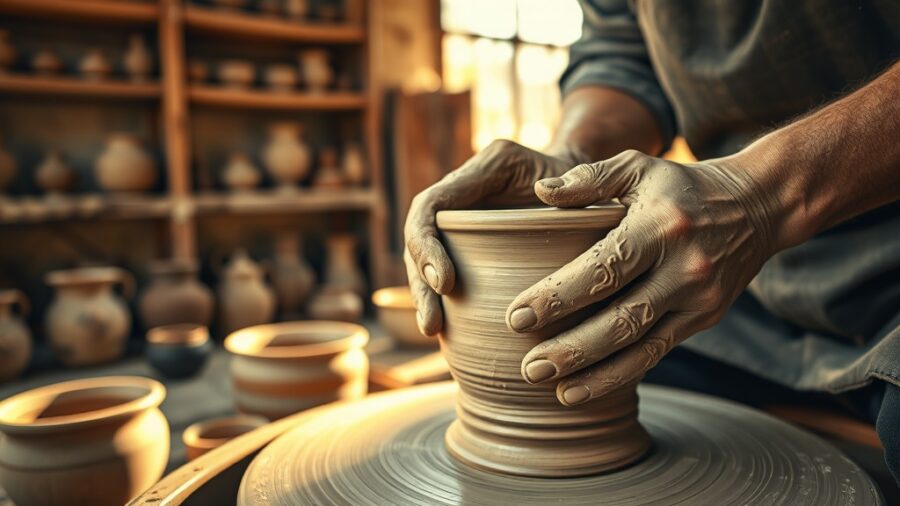
Another prominent technique is wheel-throwing, which involves using a potter’s wheel to create symmetrical forms. This method requires skill and practice but can produce remarkably consistent results. Additionally, decorative techniques such as carving, painting, and glazing further personalize the pottery, often telling a story or conveying cultural meanings.
| Technique | Description | Common Uses |
|---|---|---|
| Hand-Building | Shaping clay by hand using various methods | Vessels, sculptures, and decorative items |
| Wheel-Throwing | Using a potter’s wheel to form symmetrical pieces | Bowls, plates, and mugs |
| Glazing | Applying a glass-like coating for color and finish | Functional and decorative pottery |
Preservation Efforts for Pottery Ceramics Heritage
Challenges in Preserving Pottery Heritage
Despite its cultural significance, traditional pottery ceramics heritage faces numerous challenges. Industrialization and globalization have led to a decline in traditional practices, as mass-produced ceramics often overshadow artisanal methods. Additionally, climate change poses threats to the natural resources required for pottery production, such as clay and fuel for kilns.
Furthermore, the loss of skilled artisans due to aging populations contributes to the erosion of knowledge surrounding traditional techniques. This loss not only diminishes the diversity of pottery styles but also affects the cultural narratives that these pieces embody. Efforts to preserve this heritage must address these challenges through education, documentation, and community engagement.
Initiatives for Preservation
Various initiatives have been implemented worldwide to preserve traditional pottery ceramics heritage. Organizations such as UNESCO have recognized the importance of safeguarding intangible cultural heritage, including pottery-making traditions. By providing support and funding, these organizations help artisans access training, resources, and markets.
Local community programs often focus on engaging youth in pottery-making, fostering a sense of pride and connection to their heritage. Workshops, classes, and collaborative projects encourage intergenerational knowledge transfer, ensuring that traditional techniques are passed down. Additionally, exhibitions and festivals celebrating pottery can raise awareness and appreciation for this art form, drawing attention to its cultural significance.
Modern Adaptations and Innovations in Pottery
Contemporary Pottery Trends
As society evolves, so does the art of pottery. Modern artisans are increasingly blending traditional techniques with contemporary aesthetics, resulting in innovative designs that appeal to a broader audience. This adaptation often includes experimenting with new materials and technologies, such as 3D printing, which allows for precise and intricate designs.
Moreover, sustainability has become a defining trend in contemporary pottery. Many artisans are now prioritizing eco-friendly practices, using locally sourced materials and natural glazes to minimize their environmental impact. This movement not only reflects growing consumer demand for sustainable products but also aligns with the traditional values of many pottery cultures that emphasize harmony with nature.
The Role of Technology in Pottery
Technology has played a crucial role in the evolution of pottery practices. From advanced kiln designs that allow for more efficient firing to digital tools that assist in design and marketing, technology has opened new avenues for artisans. Social media platforms enable potters to showcase their work to global audiences, creating opportunities for collaboration and networking.
Additionally, educational resources available online have made learning traditional techniques more accessible. Aspiring potters can now find tutorials, online courses, and virtual workshops that help them develop their skills while preserving age-old practices. This fusion of tradition and technology is vital for the future of pottery, ensuring that it continues to thrive and adapt to changing times.
The Future of Traditional Pottery Ceramics Heritage
Emerging Trends and Future Directions
The future of traditional pottery ceramics heritage looks promising, as more individuals recognize the value of artisanal skills and cultural preservation. As awareness grows, there is a renewed appreciation for handcrafted pottery, leading to increased demand for authentic, locally-made products. This trend encourages artisans to continue practicing and refining their craft while exploring innovative techniques.
Moreover, the integration of pottery into educational curricula is gaining momentum, allowing students to engage with this form of art from a young age. Programs that emphasize hands-on learning not only develop technical skills but also foster an understanding of cultural heritage. As the next generation of potters emerges, they will carry forward the traditions while infusing their unique perspectives and ideas.
The Importance of Community Engagement
Community engagement is vital for the sustainability of traditional pottery practices. By fostering a sense of belonging and shared responsibility, local communities can encourage the continuation of pottery-making traditions. Initiatives that promote collaboration between artisans, schools, and cultural organizations create platforms for dialogue and creativity, enriching the cultural landscape.
Furthermore, partnerships with museums and galleries can provide exposure for traditional pottery, allowing artisans to showcase their work in a broader context. This visibility not only raises awareness but also cultivates appreciation for the craftsmanship involved in pottery-making, ensuring that this heritage remains vibrant and relevant in the future.
Conclusion and Key Takeaways
In conclusion, the traditional pottery ceramics heritage is a rich tapestry woven through history, culture, and innovation. From its ancient origins to contemporary adaptations, pottery continues to serve as a vital form of artistic expression and cultural identity. The efforts to preserve this heritage are crucial in ensuring that future generations can appreciate and engage with this remarkable art form.
As we have explored, the significance of pottery extends beyond mere functionality; it embodies the stories, values, and traditions of societies worldwide. By embracing modern techniques and fostering community engagement, we can ensure that the legacy of traditional pottery ceramics heritage continues to thrive, bridging the past with the future.
FAQ about Traditional Pottery Ceramics Heritage
What is traditional pottery ceramics heritage?
Traditional pottery ceramics heritage refers to the art and craft of creating pottery using techniques and materials that have been passed down through generations. It encompasses various styles, methods, and cultural significances associated with pottery across different societies.
How did pottery originate?
Pottery originated during the Neolithic period, around 29,000 BC, with evidence found in regions such as China and Japan. It marked a significant advancement in human civilization, allowing for the storage and preparation of food, as well as artistic expression.
What techniques are commonly used in traditional pottery?
Common techniques in traditional pottery include hand-building methods such as pinching, coiling, and slab construction, as well as wheel-throwing for creating symmetrical pieces. Decorative techniques like glazing and carving are also widely employed to personalize pottery.
Why is preserving pottery heritage important?
Preserving pottery heritage is essential for maintaining cultural identity and diversity. It ensures that traditional techniques and stories associated with pottery are passed down to future generations, fostering appreciation for craftsmanship and cultural narratives.
How can I get involved in pottery making?
Getting involved in pottery making can be as simple as enrolling in local classes or workshops. Many communities offer pottery courses for beginners, allowing you to learn traditional techniques while creating your pieces. Additionally, online resources and tutorials are available for those interested in self-directed learning.
Quick Recap of Traditional Pottery Ceramics Heritage
- Traditional pottery ceramics heritage encompasses ancient techniques and cultural significance.
- Origins trace back to the Neolithic period, marking a pivotal advancement in human history.
- Pottery reflects cultural identity and serves functional and artistic purposes across societies.
- Common techniques include hand-building and wheel-throwing, with various materials used.
- Preservation efforts are crucial to maintaining traditional practices in the face of modern challenges.
- Modern adaptations incorporate sustainability and technology while honoring tradition.
- Community engagement plays a vital role in ensuring the continuation of pottery heritage.
- The future of traditional pottery looks promising with emerging trends and increased appreciation.