
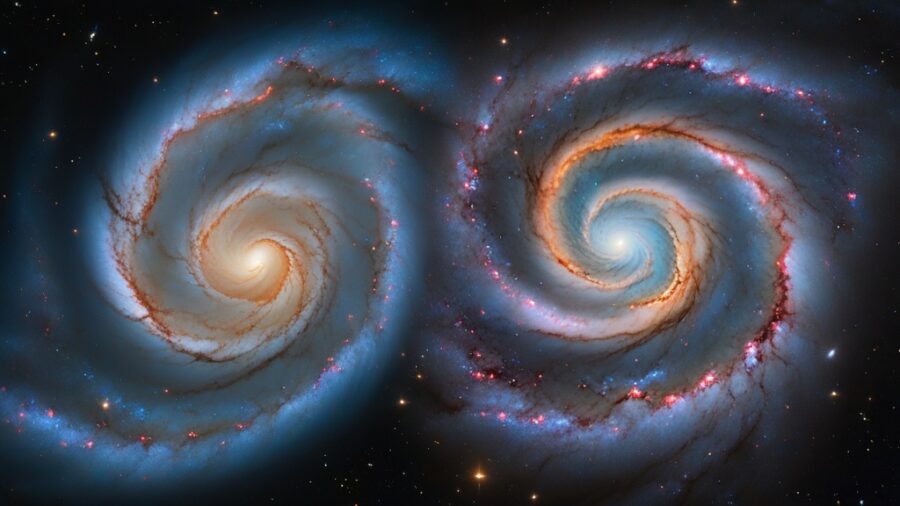
Galaxy Collision Merger Future: An In-Depth Exploration
As we gaze into the vastness of the universe, one of the most awe-inspiring phenomena we encounter is the galaxy collision merger future. This cosmic dance of galaxies merging and colliding has far-reaching implications for the structure and fate of the universe. In this article, we will delve deep into the mechanics and consequences of these colossal interactions, exploring how they shape the cosmos and what the future holds for our own Milky Way galaxy.
Understanding galaxy collisions is not just an academic exercise; it offers insights into the fundamental processes that govern the evolution of galaxies throughout cosmic history. During these events, galaxies can merge, creating new structures and triggering waves of star formation. The intricate mechanics behind these mergers reveal the forces at play in the universe and help astronomers predict future interactions.
We will also examine notable case studies of galaxy mergers that have taken place in the past, including the famous collision of the Milky Way with the Andromeda galaxy, expected to occur in about 4.5 billion years. Furthermore, we will look ahead to future predictions regarding galactic interactions, shedding light on how our universe might evolve over time.
Join us as we embark on this cosmic journey through the intricacies of galaxy collisions, the science behind them, and their implications for our understanding of the universe.
Understanding Galaxy Collisions
The Nature of Galaxies
To comprehend galaxy collisions, we must first understand what galaxies are. Galaxies are vast collections of stars, gas, dust, and dark matter bound together by gravity. They come in various shapes and sizes, from spiral galaxies like the Milky Way to elliptical and irregular galaxies. The Milky Way, for instance, contains over 100 billion stars and spans approximately 100,000 light-years in diameter.
Galaxies can be categorized into different types based on their morphology, and their interactions can vary significantly based on these characteristics. Spiral galaxies, which have a distinctive pinwheel shape, are often rich in gas and dust, making them prime sites for star formation. In contrast, elliptical galaxies, which lack the well-defined structure of spirals, are typically older and contain less gas.
The Role of Dark Matter
Dark matter plays a crucial role in the formation and interaction of galaxies. It is an invisible substance that does not emit light or energy, yet it accounts for about 27% of the universe’s total mass-energy content. Dark matter’s gravitational influence helps to bind galaxies together and drives the dynamics of collisions.
During a galaxy merger, the gravitational forces exerted by dark matter can lead to the formation of tidal tails—long streams of stars and gas that are pulled away from the merging galaxies. These tidal interactions can trigger new waves of star formation as gas is compressed, leading to the birth of new stars in regions previously devoid of activity.
The Mechanics of Galactic Mergers
Galaxy mergers can be categorized into several types, primarily based on their interaction dynamics. The two primary types are minor mergers and major mergers. Minor mergers occur when a smaller galaxy interacts with a larger one, often resulting in the smaller galaxy being assimilated into the larger structure. Major mergers, on the other hand, involve galaxies of comparable sizes and can lead to dramatic transformations in structure and star formation rates.
- Minor Mergers: Involve a small galaxy merging into a larger galaxy.
- Major Mergers: Involve galaxies of similar mass colliding and merging.
Stages of a Galactic Merger
The process of a galactic merger can be divided into several stages, each with distinct characteristics. The initial approach involves galaxies coming close enough for their gravitational fields to begin interacting. This is followed by a series of encounters that can lead to the formation of tidal tails, as previously mentioned.
As the galaxies draw closer, they can undergo a series of passages—initially distorting one another’s shapes before eventually spiraling into a final coalescence. The merging galaxies will interact over millions of years, frequently leading to increased star formation and the eventual formation of a new galactic structure.
Cosmic Implications of Galaxy Collisions
Star Formation and Galactic Evolution
The implications of galaxy collisions extend beyond mere structural changes; they can significantly influence star formation rates across the universe. When galaxies collide, the gravitational interactions can compress gas clouds, leading to enhanced star formation. This phenomenon is often referred to as a starburst event, where the rate of star formation can increase dramatically, sometimes by factors of ten or more.
For example, during the collision between the Antennae Galaxies, astronomers observed a surge in star formation activity, producing thousands of new stars within a short period. Such interactions provide a window into the evolutionary processes of galaxies and the lifecycle of stars.
Impact on Galactic Structures
Galaxy mergers can also lead to the formation of new galactic structures, such as elliptical galaxies. As spiral galaxies merge, the resulting gravitational forces can strip away the characteristic spiral arms, resulting in a more rounded shape. This transformation can redefine the galaxy’s dynamics and influence future interactions with other galaxies.
| Type of Merger | Impact on Structure | Example |
|---|---|---|
| Minor Merger | Smaller galaxy absorbed, structure remains | Milky Way and Sagittarius Dwarf Galaxy |
| Major Merger | New elliptical galaxy formation | Antennae Galaxies |
Case Studies of Notable Galaxy Mergers
The Milky Way and Andromeda Collision
One of the most significant anticipated galaxy mergers is the collision between the Milky Way and the Andromeda galaxy, which is expected to occur in approximately 4.5 billion years. As these two spiral galaxies approach each other, they will begin to interact gravitationally, resulting in a series of complex interactions.
During the merger, the gravitational forces will pull stars and gas clouds from both galaxies, potentially leading to a new wave of star formation. The final result of this merger may eventually be a single elliptical galaxy, fundamentally altering the structure of the Milky Way as we know it.
The Collision of the Antennae Galaxies
The Antennae Galaxies, located about 62 million light-years away in the constellation Corvus, represent a classic example of a major merger. This interaction between two spiral galaxies has created a stunning visual spectacle and has been a focal point for astronomers studying star formation.
The collision has triggered a dramatic increase in star formation, with estimates suggesting that over 1,000 new stars are born each year in this region. This merger, ongoing for approximately 100 million years, showcases the dynamic processes that occur during galaxy collisions.
Future Predictions for Galactic Interactions
Cosmic Evolution Models
As astronomers continue to study galaxy mergers, they utilize advanced models to predict the future interactions of galaxies in the universe. These models take into account the gravitational influences of dark matter, the distribution of galaxies, and the rate of cosmic expansion. According to the current models, the number of galaxies in the observable universe is predicted to decrease over time due to these merger events.
As galaxies collide and merge, the overall structure of the universe will evolve. Over the next few billion years, it is likely that many smaller galaxies will be absorbed into larger structures, leading to the formation of more massive galaxies and a decrease in the total number of distinct galaxies.
The Fate of the Local Group
The Local Group, which includes the Milky Way and several other galaxies, is predicted to undergo significant changes in the coming billions of years. In addition to the impending collision with Andromeda, other smaller galaxies in the group, such as the Triangulum galaxy, may also interact with the Milky Way and Andromeda during this period.
This complex interplay of gravitational forces will reshape the Local Group, leading to an entirely new configuration of galaxies. Ultimately, these interactions will contribute to the long-term evolution of our cosmic neighborhood.
Conclusion
The exploration of galaxy collision mergers offers a fascinating glimpse into the dynamic universe we inhabit. From the intricate mechanics of these interactions to the profound implications they hold for cosmic evolution, understanding these processes not only enhances our knowledge of astronomy but also underscores the interconnectedness of the universe.
As we look to the future, the anticipated merger between the Milky Way and Andromeda serves as a reminder of the ever-changing nature of galaxies. The cosmic dance of galaxies will continue to shape the universe, leading to new formations and starburst events that enrich the fabric of space.
In summary, galaxy collisions are not just spectacular cosmic events; they are pivotal moments in the lifecycle of galaxies that drive evolution and change on a monumental scale. As we advance our understanding of these phenomena, we gain a deeper appreciation for the complexity and beauty of our universe.
FAQ
1. What happens during a galaxy merger?
During a galaxy merger, two or more galaxies come together due to gravitational attraction. This process can lead to significant alterations in their structures, resulting in new star formation and potentially the creation of a new galaxy.
2. How long does a galaxy merger take?
Galaxy mergers can take millions to billions of years to complete. The initial interactions begin as galaxies approach each other, followed by a series of gravitational encounters before they eventually coalesce into a single structure.
3. What is the significance of star formation during mergers?
Star formation during galaxy mergers can dramatically increase. The gravitational interactions compress gas clouds, leading to starburst events where new stars form at accelerated rates, enriching the galaxy’s stellar population.
4. Will the Milky Way survive the merger with Andromeda?
While the Milky Way will merge with Andromeda, it will not be destroyed. Instead, both galaxies will combine to form a new galaxy, likely an elliptical galaxy, over the course of billions of years.
5. How do astronomers study galaxy mergers?
Astronomers study galaxy mergers using telescopes that observe different wavelengths of light, such as visible light, infrared, and radio waves. They also utilize computer simulations to model the dynamics and outcomes of these interactions.
Recap
- Galaxy collisions are complex events influenced by gravitational forces.
- Dark matter plays a critical role in the dynamics of galaxy mergers.
- Star formation rates can increase dramatically during these interactions.
- The Milky Way and Andromeda are set to collide in 4.5 billion years.
- The Antennae Galaxies provide a prime example of a major merger.
- Future predictions suggest a decrease in the number of distinct galaxies in the universe.
- Understanding galaxy mergers enhances our knowledge of cosmic evolution.
- The interplay of galaxies shapes the structure of the universe over time.