
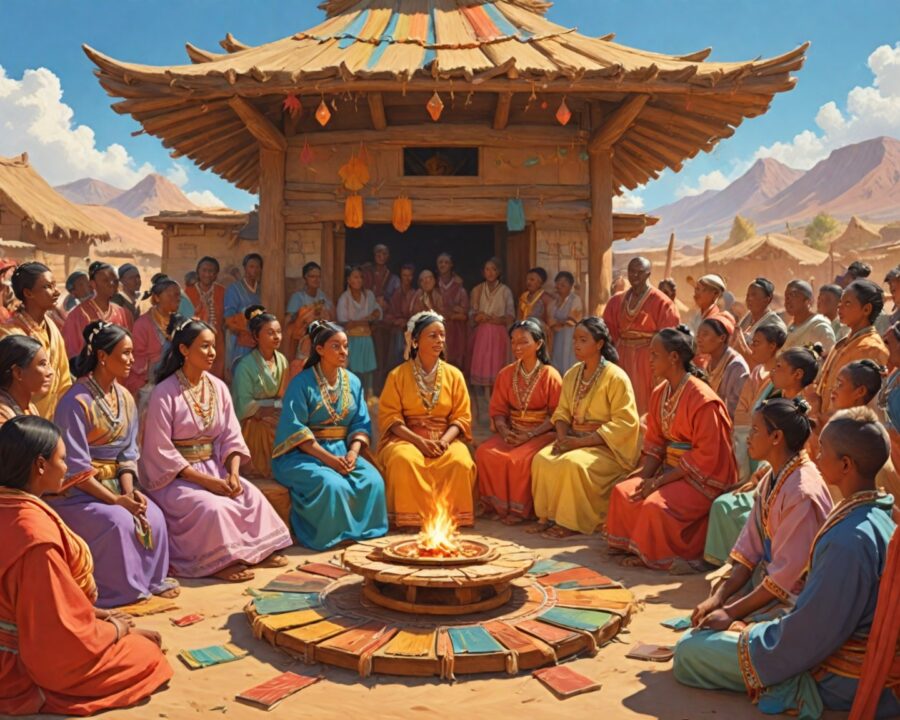
Introduction to Birth Celebrations Across Cultures
Birth is a universal event that transcends time, geography, and culture. It is a profound milestone in human experience, marking the arrival of new life. However, the ways in which societies celebrate this momentous occasion are as diverse as the cultures themselves. Birth celebrations serve as a unique lens through which to understand different cultural values, beliefs, and traditions. From the vibrant festivities of Asia to the solemn rituals of Africa, each culture imparts its own meaning and symbolism to the act of welcoming a new life into the world.
As we delve into the myriad ways birth is commemorated around the globe, we’ll explore not only the customs and ceremonies associated with newborns but also the evolving significance of these practices in contemporary societies. Understanding these traditions offers insight into the varied tapestry of human life and the shared emotions that connect us across diverse cultures. By examining birth celebrations, we gain a deeper appreciation for both our shared humanity and the unique cultural expressions that define our global community.
The Significance of Birth in Different Societies
The birth of a child is more than just a biological event; it is often steeped in cultural and spiritual significance. In many societies, birth is seen as a blessing and a continuation of lineage, emphasizing the role of family and community in the process. This viewpoint not only highlights the joy of welcoming a new member but also underscores the responsibilities of nurturing the next generation.
For instance, in many cultures, birth is associated with religious or spiritual beliefs. In Hinduism, the birth of a child is considered a sacred event where certain ceremonies, like the naming ritual or the first solid food ceremony, are performed to seek divine blessings for the child’s future. Similarly, in many Christian communities, baptisms are pivotal in acknowledging a child’s introduction to the faith, often involving gatherings of family and friends.
Additionally, birth can have social implications, acting as a bridge that strengthens community bonds. Traditional birth celebrations often involve rituals that include the extended family and community members, reinforcing social ties and ensuring support for the child’s upbringing. This communal approach to birth signifies not only the importance of the individual family unit but also the broader societal role in a child’s life.
Traditional Birth Rituals in Asia
Asia, with its rich tapestry of cultures and traditions, offers a fascinating array of birth rituals, each unique and deeply rooted in history and spirituality. In China, for instance, the celebration of a baby’s birth is profoundly influenced by Confucianism and involves a series of well-defined rituals that extend before and after the actual birth. One of the significant customs is the “Full Moon Celebration,” which takes place a month after the birth and involves a feast where red eggs and ginger are served as symbols of life and happiness.
In Japan, the practice of “Omiyamairi” is an ancient tradition where newborns are taken to a shrine, usually around the age of one month, to be presented to the local protective deity. This ritual underscores the importance of integrating spiritual practices into everyday life, and it is believed to protect and bless the child as they embark on their life’s journey.
The Indian subcontinent, too, boasts a wealth of birth customs, with practices varying widely across regions and communities. A common ritual is the “Jatakarma,” where infants are welcomed into the world with a series of prayers and the initiation of their first feed of honey and ghee. These rituals underscore the sanctity of birth in Asian cultures, intertwining religious beliefs with celebratory customs to honor the arrival of new life.
Unique Birth Customs in Africa
Africa is home to a plethora of ethnic groups, each with its own distinct birth customs that are often tied to the community’s cultural and spiritual beliefs. Among the Yoruba of Nigeria, the birth of a child is marked by the “Ikokore,” a naming ceremony held on the eighth day after birth. The ceremony is a communal affair, filled with music, dance, and the sharing of “Kola nuts,” symbolizing unity and blessing.
In the Maasai community of Kenya and Tanzania, birth ceremonies are closely linked to natural and spiritual elements. Naming ceremonies involve elders who bestow names based on the circumstances of birth, the time of day, or even natural phenomena like weather conditions, highlighting a deep connection to the environment and ancestors.
The Zulu people of South Africa have their unique customs as well. The preparation for birth and postpartum practices include traditional healing rituals and collective community involvement. The “Imbeleko” ceremony, where infants are presented to ancestors, is particularly significant, symbolizing acceptance of the newborn into the family lineage and ensuring protection from ancestral spirits.
European Birth Traditions and Their Evolution
In Europe, birth traditions have evolved significantly over the centuries, influenced by cultural, religious, and socio-economic changes. Historically, a significant aspect of birth in many European countries was the “Baptism,” often the first social occasion marking a child’s entry into the community. Baptism not only had spiritual connotations but also served as a means of recording birth, leading it to play a critical social role.
In Nordic countries, the “Nornday,” a custom where infants are presented to community members, was prevalent. It signified the time for family and friends to offer gifts and blessings to the newborn. Over time, this tradition has integrated modern aspects, becoming more of a secular celebration but retaining its communal essence.
With contemporary influences, European birth rituals have embraced broader societal changes, merging tradition with modernity. Many European countries have seen a rise in “Name Day” celebrations, a tradition derived from Roman Catholics and Orthodox Christianity, where each day of the year is associated with a saint, and individuals celebrate on the day of the saint they are named after. This has now coexisted alongside traditional birthday celebrations, blending religious tradition with familial customs.
Indigenous Practices for Welcoming Newborns
Indigenous communities across the globe often have unique birth practices that reflect their deep connection to nature and ancestral traditions. These practices are a vital part of cultural identity and often involve rituals that honor nature, spirits, and community elders.
Among the Maori of New Zealand, the “Whanau Turoro” ceremony is conducted to welcome newborns into the world. The placenta, regarded as sacred, is buried in ancestral land, symbolizing the child’s physical and spiritual ties to the earth and their people. This practice reinforces the connection to land and ancestry, which are central to Maori identity.
In Native American cultures, birth rituals often include the “Blessingway,” a sacred ceremony that involves community members coming together to bless the newborn and the mother. This is complemented by the use of traditional songs and dances that invoke the protection of spirits. Such practices highlight the emphasis placed on communal support and spiritual guidance in a child’s life.
The Inuit people have unique customs as well, where elders play a crucial role in naming the newborn, often choosing names that honor ancestors or the natural world. This tradition stresses the continuity of generations and the child’s place within the larger community narrative.
Modern Adaptations of Traditional Birth Celebrations
As societies evolve, so do birth traditions, adapting to modern contexts while retaining their core significance. In many parts of the world, traditional birth celebrations are being reinvented to fit contemporary lifestyles, even as they honor cultural heritage.
One prevalent trend is the adoption of “baby showers,” particularly in urban areas across the globe. Originally a custom in the United States, these gatherings have found their place in various cultural settings, becoming a way to celebrate impending births and support expectant parents. While they often lack the spiritual aspects of traditional rituals, they foster community involvement and joy.
In many cultures, technological advancements have added new dimensions to birth celebrations. For instance, gender reveal parties, a modern phenomenon, have gained popularity worldwide, offering creative ways to involve family and friends in the excitement of awaiting a child’s arrival. While not traditional, these practices evolve from the need to share joy and anticipation in new ways.
Despite these modern trends, there remains a concerted effort in many societies to preserve the essence of traditional celebrations. This is seen in the blending of old and new, where traditional ceremonies are still conducted alongside contemporary celebrations, ensuring that cultural heritage is passed down to future generations.
Common Themes in Global Birth Rituals
Despite the geographical and cultural diversity, certain themes are universally present in birth celebrations worldwide. These themes highlight the shared human experience of welcoming new life and underscore the importance of cultural rites of passage.
-
Family and Community Involvement: Across cultures, birth is not just a private affair; it often involves extended family and the wider community. This communal participation emphasizes collective responsibility and the societal role in raising a child.
-
Blessings and Protection: Many traditions involve rituals intended to invoke blessings and ensure protection for the newborn. This is done through prayers, songs, or symbolic actions, reflecting a universal desire for the child’s well-being.
-
Symbolism and Tradition: The utilization of symbols—be it through food, objects, or actions—is common in birth rituals. These symbols often carry deep cultural meanings, representing prosperity, health, or spiritual purity.
-
Honoring Ancestry and Lineage: Many birth celebrations include elements that connect the child to their ancestors. This connection serves to imbue a sense of identity and belonging, highlighting the continuity of family lineage and tradition.
Addressing Misconceptions About Birth Customs
While birth celebrations are diverse and culturally rich, they are sometimes misunderstood or misrepresented, leading to misconceptions. A common misunderstanding is that these rituals are archaic or irrelevant in modern society. However, for many communities, these practices remain crucial in preserving cultural identity and reinforcing community bonds.
Another misconception is the homogenization of birth rituals, assuming they are the same within broader regions or countries. In reality, there is a vast diversity even within localized areas, with customs varying significantly based on ethnic, religious, or social lines.
It is also a fallacy to overlook the evolving nature of these celebrations. While rooted in tradition, many birth customs have adapted to contemporary contexts, blending old and new elements to maintain relevance in today’s world. Recognizing this evolution is key to appreciating the dynamic nature of cultural practices.
How to Respectfully Learn About and Participate in Cultural Traditions
Understanding and participating in birth celebrations can be a rewarding way to engage with different cultures. However, it must be approached respectfully and thoughtfully. Here are some guidelines to consider:
-
Research and Understand: Educate yourself about the cultural significance and history behind the celebrations. Seek out reliable sources, including scholarly articles, cultural websites, and firsthand accounts.
-
Seek Permission and Guidance: If you wish to participate, always seek permission and guidance from cultural insiders. Respect their boundaries and follow their lead in understanding appropriate conduct.
-
Approach with Humility: Recognize that you are an outsider to the culture and approach with an open mind and heart. Be willing to learn and adapt, valuing the experience as a privilege.
-
Avoid Appropriation: Be mindful of cultural appropriation and ensure that your interest does not lead to the commodification or misrepresentation of sacred practices.
-
Contribute Thoughtfully: If involved in a celebration, contribute thoughtfully, whether through a gift, a helping hand, or simply by being present and respectful. This shows appreciation for being included in the cultural tradition.
FAQ Section
How do different cultures celebrate the naming of a child?
Different cultures have varied customs for naming a child, often within a communal or religious context. For instance, in the Yoruba culture, the naming ceremony involves the entire community, and names are often symbolic, reflecting the child’s destiny or characteristics. In Jewish tradition, the Brit Milah for boys or a ceremony for girls marks the naming process typically after eight days of birth, emphasizing spiritual and family connections.
Why are birth celebrations important in preserving cultural identity?
Birth celebrations are crucial in preserving cultural identity because they embody the traditions and values of a culture, passing them down through generations. These events serve as living expressions of heritage, reminding communities of their unique history and practices while fostering a sense of belonging and continuity among members.
What role do ancestors play in birth customs?
Ancestors play a significant role in many birth customs, often invoked for protection, guidance, and blessing. In cultures such as the Chinese and African societies, ancestors are honored and respected, with rituals often performed to connect the newborn with their lineage. This practice underscores the belief in the spiritual presence and continuing influence of ancestors in the lives of descendants.
How have modern influences changed traditional birth celebrations?
Modern influences have led to hybrid forms of traditional birth celebrations, incorporating contemporary elements while retaining core cultural meanings. For example, while traditional rituals might still be observed, new practices like baby showers or gender reveal parties have been integrated, reflecting changing societal norms and the globalization of cultural practices.
Can an outsider participate in cultural birth celebrations?
Yes, outsiders can participate in cultural birth celebrations, but it is essential to do so respectfully. This involves seeking permission, understanding the cultural significance of the rituals, and following the lead of cultural insiders to ensure respectful and appropriate engagement in these sacred events.
Recap
Birth celebrations worldwide offer a kaleidoscope of customs and traditions, each reflecting the cultural nuances and values that define communities. From Asia’s spiritual ceremonies to Africa’s community-centered rituals and Europe’s evolving celebrations, these practices highlight the universal importance of birth. They are conduits through which cultural identity, familial bonds, and ancestral connections are reinforced, adapting over time to accommodate modern influences while retaining their fundamental significance. Recognizing and respecting the diversity and significance of these celebrations allows us to appreciate our shared humanity and the rich tapestry of cultural expressions that enhance our understanding of life.
Conclusion
Birth celebrations are vibrant expressions of human culture, showcasing the diversity of traditions that mark the beginning of life across the globe. They offer invaluable insights into how different societies perceive life, family, and community, enriched by history and spiritual beliefs. While these celebrations are culturally and geographically diverse, they share common themes of protection, blessing, and communal unity—core human values that resonate regardless of cultural background.
In a world that is increasingly interconnected yet marked by cultural gaps, learning about and participating in global birth celebrations offer an opportunity to bridge these divides and foster mutual respect and understanding. By engaging with these rich traditions, we not only honor the heritage and values of others but also contribute to a world where cultural diversity is celebrated and preserved for future generations.