
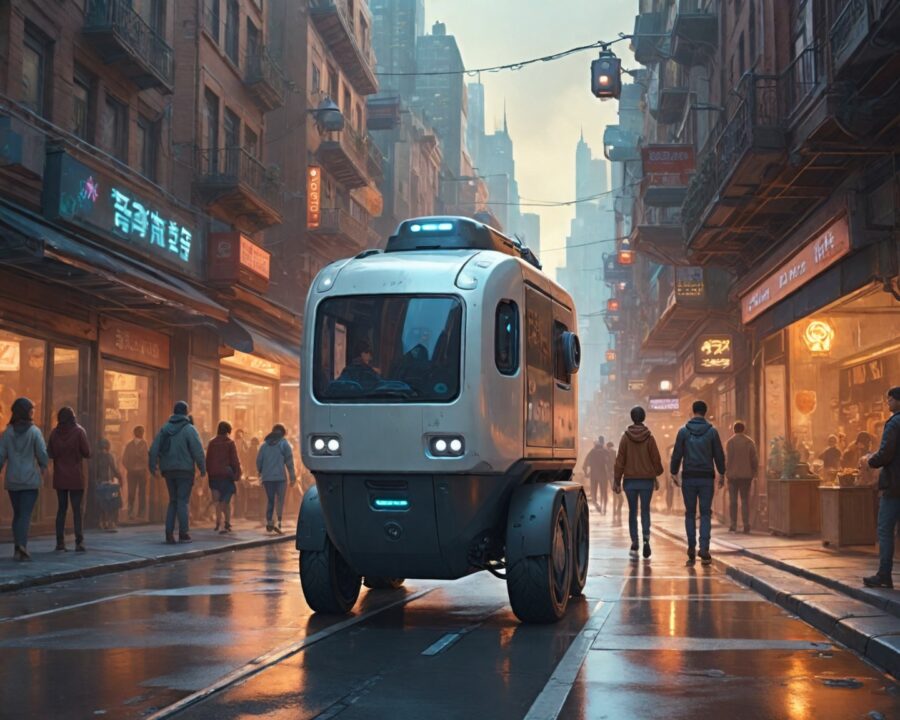
Introduction to Delivery Robots and Their Rise
In recent years, technology has dramatically reshaped our day-to-day lives, introducing unprecedented convenience and efficiency. Among these innovations, delivery robots stand out as a transformative force in urban logistics and consumer service. These autonomous machines, built to navigate sidewalks and streets, have surged in popularity, especially as the demand for contactless delivery options increases. With the combined pressures of urban congestion, environmental concerns, and the growth of e-commerce, delivery robots present a viable solution poised to become commonplace by 2030.
At the heart of this evolution is the intersection of artificial intelligence, robotics, and advanced sensor technology. These components have collectively pushed the envelope of what’s possible in terms of delivering goods, enabling delivery robots to operate safely and efficiently in complex urban environments. As businesses and consumers alike recognize the potential benefits—such as reduced delivery times, lower operational costs, and enhanced customer satisfaction—it’s clear that delivery robots are not just a fad, but a critical development for the future of logistics.
Key Technologies Enabling Autonomous Delivery
The advancement of delivery robots is owed largely to several key technologies that enable these machines to navigate complex environments autonomously. Central to this technology is artificial intelligence (AI), which powers the decision-making processes of delivery robots. AI algorithms help these robots recognize traffic patterns, pedestrians, and obstacles, allowing for safer navigation.
Another vital component is sensor technology, including LiDAR (Light Detection and Ranging), cameras, and ultrasonic sensors. These sensors provide real-time data about the robot’s surroundings, crucial for path planning and obstacle avoidance. LiDAR, for example, creates detailed 3D maps of the environment, enabling the robot to understand and interact with its surroundings effectively.
Additionally, the use of connectivity technologies such as 5G networks enhances robots’ capabilities by providing the necessary bandwidth for real-time data transmission and remote monitoring. With these networks, delivery robots can communicate instantaneously with control centers, ensuring smooth operation and quick responses to any issues that may arise during delivery tasks.
Benefits of Delivery Robots for Businesses and Consumers
The adoption of delivery robots offers a multitude of benefits for businesses looking to streamline their logistics operations. For starters, these robots are operational 24/7, providing round-the-clock service without the constraints of human workforce schedules. This leads to faster delivery times and increased efficiency, particularly during peak demand periods.
From a cost perspective, delivery robots present an opportunity to reduce operational expenses significantly. By minimizing the need for human labor in last-mile delivery—arguably the most costly segment of the supply chain—businesses can lower their overall delivery costs. Additionally, robots use electric power, which is generally cheaper and more sustainable than traditional fuel-based delivery vehicles.
For consumers, delivery robots promise enhanced convenience and faster service. With the ability to track packages in real-time, customers enjoy improved transparency and peace of mind as they anticipate their deliveries. Moreover, the robots provide a contactless delivery option, which has become increasingly important in light of recent global health challenges.
Challenges and Limitations of Robotic Delivery Systems
Despite their potential, delivery robots face several challenges and limitations that need to be addressed for widespread adoption. One of the primary challenges is the complexity of urban environments, which are unpredictable and filled with dynamic variables such as pedestrians, bicycles, and cars. Ensuring delivery robots can navigate these environments safely is paramount to their success.
Another significant limitation is the technical hurdle of battery life. Current battery technology restricts the operational range and duration of these robots, necessitating frequent recharges or battery swaps. This constraint hampers their ability to undertake long-distance deliveries without a well-established infrastructure for recharging.
Additionally, there are societal challenges to overcome. Concerns about privacy, security, and the potential for job displacement need to be addressed through clear communication and collaborative regulation. There is also the matter of achieving consumer trust, as any high-profile incidents of malfunctions could undermine public confidence in robotic delivery systems.
How Delivery Robots Are Transforming Urban Logistics
Delivery robots are not just improving the efficiency of last-mile delivery; they are fundamentally transforming the logistics landscape of urban areas. By offering automated solutions for package delivery, these robots help reduce the number of delivery trucks on the road, contributing to decreased traffic congestion and lower emissions.
Moreover, delivery robots facilitate the growth of micro-fulfillment centers within urban areas. Rather than relying solely on large distribution centers located on city outskirts, businesses can now position smaller inventory hubs closer to consumers, thus speeding up delivery times and providing more flexible service options.
Urban logistics is further enhanced by the scalability of delivery robots. As demand increases, businesses can expand their fleets without the proportional increase in human resources. This scalability allows companies to adapt swiftly to changing market demands, maintaining service quality and customer satisfaction across varying scales of operations.
Case Studies: Companies Leading the Delivery Robot Revolution
Several companies are at the forefront of the delivery robot revolution, each bringing unique innovations and approaches to the market. One prominent player is Starship Technologies, which has deployed thousands of robots in multiple countries. These six-wheeled robots operate on sidewalks, delivering groceries and packages with growing efficiency and reliability.
Another key company is Nuro, notable for its development of a driverless delivery vehicle designed to travel on roads. Nuro’s robots are equipped with comprehensive safety systems, including 360-degree cameras and thermal imaging, allowing them to navigate through busy urban streets with precision and care.
Amazon is also investing heavily in delivery robot technology through its “Scout” project. These robots are designed to autonomously deliver packages in residential areas, integrating seamlessly with Amazon’s existing logistics infrastructure. By focusing on both software and hardware innovations, Amazon aims to optimize the delivery process from warehouse to doorstep.
Addressing Public Concerns About Safety and Job Displacement
The rise of delivery robots naturally raises concerns about safety and the potential for job displacement. Safety concerns revolve around the ability of delivery robots to operate without causing harm to pedestrians or infringing on public spaces. Companies are addressing these issues by implementing advanced safety features and rigorous testing protocols to ensure these robots can coexist safely within urban environments.
Regarding job displacement, it’s essential to frame delivery robots as complements rather than replacements for human workers. While robots can handle repetitive and mundane tasks, there’s still a need for human oversight and new job opportunities in maintaining and managing robotic fleets. Additionally, the efficiency gained through automation can enable businesses to focus more on customer service and other areas requiring human interaction.
Dialogue with communities and stakeholders is crucial in addressing these issues. Educating the public about the benefits and limitations of delivery robots, coupled with transparent operations, will help alleviate fears and foster acceptance of these new technologies.
The Role of Government Regulations in Robotic Delivery
Government regulations play a crucial role in the deployment and operation of delivery robots. To ensure safety and integration into public spaces, regulators must establish comprehensive guidelines that cover technical standards, operational protocols, and responsibilities for both companies and users.
Regulatory frameworks need to address diverse aspects of robotic delivery, from defining areas where robots can operate to establishing liability in case of accidents. It’s also necessary to strike a balance between encouraging innovation and ensuring public safety, which requires a collaborative approach between policymakers, companies, and communities.
Moreover, governments need to consider the potential socioeconomic impacts, including the workforce transformation and urban planning implications. By proactively engaging with stakeholders and adapting regulations as technology evolves, governments can facilitate the smooth integration of delivery robots into society while safeguarding public interests.
Future Trends: Innovations Shaping Delivery Robots
Looking ahead, several trends are poised to shape the future of delivery robots. One such trend is the development of more sophisticated AI systems that enable even greater autonomy and decision-making capabilities. Enhanced AI will allow delivery robots to better understand and predict human behaviors, improving their interaction within urban environments.
Another trend is the miniaturization and improvement of battery technology, which will extend the operational range and duration of delivery robots. Advances in energy efficiency and rapid charging will enable these robots to cover larger areas without frequent downtime, increasing their overall utility and efficiency.
Furthermore, the rise of modular and multi-purpose robots is on the horizon. These robots can adapt to various delivery tasks by switching between different modules or attachments, providing businesses the flexibility to use a single robot for different types of deliveries. This versatility not only maximizes the potential use of each robot but also contributes to a more sustainable approach to urban logistics.
Practical Steps for Businesses to Adopt Delivery Robots
For businesses considering the integration of delivery robots into their operations, there are several practical steps to take. First, conducting a feasibility study is essential to understand the costs, benefits, and challenges specific to their operations. This involves evaluating the geographic area, customer base, and types of deliveries involved.
Next, businesses should build a pilot program to test the integration of delivery robots within a controlled setting. Through pilot programs, companies can gather data, evaluate performance, and make necessary adjustments before full-scale deployment. It is also an opportunity to engage with customers and receive feedback on their experience with robotic delivery.
Finally, developing partnerships with technology providers and other businesses can enhance the effectiveness of delivery robot adoption. By collaborating, businesses can share the costs and resources involved in developing infrastructure or handling regulatory challenges. Through strategic partnerships, it’s possible to create a more resilient and adaptable delivery system that benefits all parties involved.
| Business Step | Description |
|---|---|
| Feasibility Study | Evaluate the area’s specific needs and constraints. |
| Pilot Program | Test and refine delivery robots in a controlled setting. |
| Partnerships | Collaborate with tech providers and other businesses. |
FAQ
How do delivery robots navigate without human intervention?
Delivery robots use a combination of AI algorithms, GPS, LiDAR, and cameras to navigate their environment. These technologies allow them to detect and avoid obstacles, follow mapped paths, and make decisions in real-time to ensure safe and efficient deliveries.
Are delivery robots safe to use in public areas?
Yes, delivery robots are designed with multiple layers of safety features, including sensors and AI for obstacle avoidance. They undergo extensive testing to ensure they can operate without posing risks to pedestrians and other road users.
Will delivery robots replace human delivery jobs?
While delivery robots may replace certain roles involving repetitive tasks, they also create new opportunities in robot maintenance, monitoring, and logistics management. Enhancing efficiency may allow businesses to reallocate human resources to more customer-focused areas.
What types of items can delivery robots transport?
Delivery robots are typically used for small to medium-sized packages, groceries, or meal deliveries. Their capacity depends on the design, but most are optimized for carrying goods that can fit within a cubic meter or less.
How do regulations influence the deployment of delivery robots?
Regulations ensure the safe and orderly integration of delivery robots into public spaces. They cover technical standards, operational practices, and liability, encouraging innovation while protecting public interests.
What future innovations could improve delivery robots?
Future innovations may include better AI for more autonomous decision-making, improved battery technology for longer operational times, and modular designs for task-specific adaptability, enhancing both efficiency and flexibility.
Recap
In this article, we’ve explored the imminent rise of delivery robots and how they could become the new normal by 2030. We delved into the essential technologies that facilitate autonomous delivery, such as AI and sensor technology, and outlined the benefits these robots offer both businesses and consumers. Although challenges exist, from navigating complex environments to overcoming societal concerns about safety and job displacement, the potential for transforming urban logistics is significant. Leading companies like Starship Technologies, Nuro, and Amazon are pioneering this revolution, backed by supportive government regulations. By understanding future trends and practical steps for adoption, businesses can strategically position themselves to harness the advantages of delivery robots.
Conclusion
As we move closer to 2030, the prospect of delivery robots becoming a common aspect of our urban landscape seems incredibly likely. These machines offer a glimpse into a future where logistics are more efficient, sustainable, and adaptable to the needs of a growing urban population. By reducing traffic, cutting emissions, and offering unparalleled convenience, delivery robots present a compelling vision of progress aligned with global priorities.
However, the journey to this future is fraught with challenges that require careful negotiation. Businesses, regulators, and communities must work together to address technological, economic, and societal implications. Open dialogue and proactive problem-solving will be essential to harness the full potential of delivery robots.
In the grand scheme of technological innovation, delivery robots are a testament to human ingenuity and the transformative power of technology. As they become more integrated into our cities, they promise not only to reshape logistics but also to redefine our interaction with urban environments—setting a new standard for how goods move within the complex fabric of our modern world.