
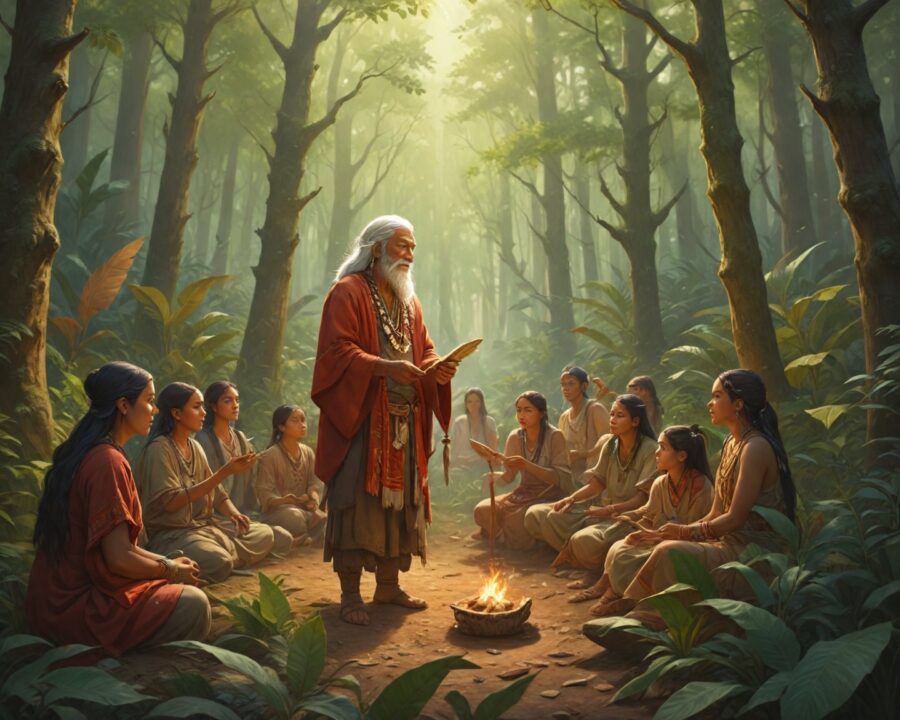
Indigenous traditions around the world have long fostered a deep and reverent connection to nature. Across continents, these deeply rooted customs reflect a harmonious relationship between humans and the environment, emphasizing balance, respect, and sustainable living. Indigenous communities see nature not as a separate entity, but as an integral part of their existence, imbued with spirituality and sacredness. Their practices provide valuable insights into how humans can live in more sustainable harmony with the environment.
These traditions, often passed down through generations, uphold the sacredness of the Earth and underscore its integral role in everyday life. They embody a worldview where every aspect of the natural environment, from the towering mountains to the smallest of insects, holds intrinsic value. As modern societies face escalating environmental challenges, there is much that can be learned from these time-tested practices and philosophies. Not only do they offer insights into sustainable living, but they also advocate a respectful and spiritual bond with the natural world that is often missing in contemporary dialogues on environmental conservation.
Introduction to Indigenous Traditions and Their Connection to Nature
Indigenous traditions are deeply intertwined with nature, shaping the cultural and spiritual identities of indigenous communities. These traditions are not merely remnants of a bygone era but are vibrant practices that continue to guide how communities interact with their environment today. They are characterized by a profound respect for nature, viewing the Earth as a living, breathing entity deserving of reverence and care.
Unlike the often exploitative relationship modern societies have with nature, indigenous traditions emphasize stewardship and coexistence. The Earth is seen as a community to which humans belong, and thus, must be cared for like one would care for family. This belief system fosters practices that prioritize sustainable use of resources, ensuring that future generations can also benefit from the Earth’s bounty.
Additionally, these traditions are diverse, reflecting the unique landscapes and ecosystems of indigenous peoples. From the deserts of Australia to the rainforests of the Amazon, each indigenous community has developed distinct practices and knowledge systems attuned to their specific environment. Despite this diversity, a common thread binds them: a deep reverence for nature and an understanding of humanity’s integral role within it.
The Role of Nature in Indigenous Spiritual Beliefs
Nature plays a central role in the spiritual beliefs of indigenous people, where the material and spiritual worlds are intertwined. For many indigenous cultures, nature is not just a place but a presence that embodies spiritual significance. Mountains, rivers, plants, and animals are often viewed as ancestors or spiritual entities that must be respected.
For instance, in many Native American traditions, every part of nature is believed to have a spirit or soul. The Earth is often described as “Mother Earth,” a nurturing figure responsible for the sustenance and well-being of all living beings. This worldview fosters a sense of gratitude and reciprocity, where humans are not owners but caretakers of the lands they inhabit.
Religious rituals and practices often reflect this deep spiritual connection with nature. In many cultures, prayers, songs, and dances are offered not just as expressions of faith but as communications with the spiritual essence of the land. This spiritual dialogue reinforces the duty to protect and preserve nature, enshrining conservation as a moral and spiritual imperative.
Examples of Rituals and Ceremonies Honoring Nature
Indigenous rituals and ceremonies are rich and varied, each designed to honor and celebrate the bounty of the natural world. These ceremonies are not only acts of worship but also practical ways of ensuring the sustainable use of natural resources.
For example, the Potlatch ceremony among Pacific Northwest Indigenous peoples is both a social occasion and a means of redistributing wealth and resources within the community. During these gatherings, gifts and resources from the land are shared, reinforcing the value of generosity and the responsible use of nature’s gifts.
In the Andes, indigenous communities hold Pacha Mama ceremonies to honor Mother Earth. These ceremonies involve offerings of food, flowers, and coca leaves, asking for blessings and showing gratitude to the Earth. By recognizing the Earth as a living entity deserving of respect, these ceremonies foster a sense of community responsibility towards environmental stewardship.
Ceremonies like the Sun Dance of the Plains Indian tribes are also emblematic of the close relationship between nature and spiritual beliefs. The Sun Dance includes elements like dancing, fasting, and prayer, typically held to pray for health and good fortune. It reaffirms the participants’ commitment to the Creator and the interconnectedness of life, teaching respect for nature and each other.
How Indigenous Communities Practice Sustainable Living
Indigenous communities have long practiced sustainable living, reflecting a deep understanding of ecological balance and resource management. Their traditional ecological knowledge, accumulated over generations, provides a blueprint for sustainable practices that modern societies can learn from.
One key aspect of indigenous sustainable living is the principle of “take only what you need.” Many communities adhere to practices such as rotational farming, selective harvesting, and the use of natural cycles to guide agricultural activities. These methods ensure that resources are used without degrading the environment, maintaining the health of ecosystems for future generations.
Fishing practices in indigenous communities often reflect a similar sustainability ethic. For instance, the Haida people in Canada’s Pacific Northwest have traditionally practiced sustainable fishing by adhering to spatio-temporal restrictions, allowing fish populations to regenerate. These practices are informed by an intimate knowledge of local ecosystems and a commitment to preserving them.
Moreover, indigenous architecture and community planning often enhance sustainable living. Traditional dwellings, such as the igloos of the Inuit or the thatched huts of Amazonian tribes, are constructed using locally sourced materials and designed to minimize environmental impact while maximizing efficiency.
The Significance of Animals and Plants in Indigenous Cultures
Animals and plants hold considerable significance in indigenous cultures, serving as sources of food, medicine, symbolism, and spirituality. They are seen as fellow beings, teachers, and even relatives, with whom humans share their environment.
Among the Australian Aboriginal peoples, the concept of “Dreamtime” often includes stories where animals are central characters creating the world. These narratives, passed down orally, instill respect for animals, emphasizing their role in the ecosystem and their spiritual significance.
Plants also hold medicinal and culinary importance. Indigenous knowledge regarding the properties of plants is vast and detailed. From healing tinctures to nutritious foods, plants are integral to all aspects of life. For example, the San people of Southern Africa are known for their deep understanding of local flora, which they use for healing various ailments effectively.
The cultural importance extends to symbolism and art. Feathers, claws, and shells are often used in indigenous art and regalia, representing the characteristics of animals they come from. This reflects a worldview in which humans learn and derive strength from nature, fostering an attitude of respect and gratitude towards the natural world.
Common Misconceptions About Indigenous Respect for Nature
Despite the rich tradition of environmental stewardship among indigenous communities, there are several misconceptions about their relationship with nature. These myths can hinder understanding and respect for their practices, affecting policies and interactions with indigenous peoples.
One common misconception is that indigenous peoples are universally opposed to modern technology. While traditional practices are crucial, many communities have successfully integrated new technologies that align with their values and improve their sustainability efforts. The key is that any technology used is evaluated for its potential environmental impact.
Another misunderstanding is the romanticization of indigenous lifestyles as primitive or simplistic. This view overlooks the complex and nuanced knowledge systems that many indigenous cultures possess. Far from being simplistic, these systems offer profound insights into ecological relationships.
Lastly, there is a notion that indigenous practices are static, unchanged by time. In reality, these practices are dynamic and adaptive. Indigenous communities continually evolve their traditions in response to environmental changes while maintaining core values of respect and sustainability.
How Modern Society Can Learn from Indigenous Practices
Modern society has much to learn from indigenous practices, particularly in areas of sustainability and environmental management. By integrating indigenous perspectives into contemporary policies, societies can benefit from centuries of ecological wisdom.
One way to learn from indigenous practices is by incorporating traditional ecological knowledge into natural resource management. This approach emphasizes the interconnectedness of ecosystems and promotes biodiversity as a key tenet of sustainability. Initiatives that include indigenous voice and knowledge lead to more holistic and effective conservation strategies.
Education is another area where indigenous practices can inform modern approaches. Teaching younger generations about indigenous philosophies of nature can foster an appreciation for the environment and encourage responsible citizenship. Storytelling, a staple in many indigenous cultures, can be employed to impart moral and ecological lessons effectively.
Overall, recognizing and respecting indigenous rights to land and resources is crucial. Ensuring that indigenous communities can continue to practice their traditions without external interference can lead to better environmental outcomes and societal harmony.
Challenges Faced by Indigenous Communities in Preserving Traditions
Indigenous communities face numerous challenges in preserving their traditions, many of which stem from external pressures and historical injustices. These challenges threaten their cultural integrity and ability to maintain environmentally sustainable practices.
A significant challenge is the encroachment of industrial activities on indigenous lands. Mining, logging, and agricultural expansion often lead to the destruction of sacred sites and natural resources crucial for traditional practices. These activities threaten the ecological balance that communities have maintained for generations.
Cultural assimilation and erosion of traditional knowledge are other substantial threats. As younger generations move to urban environments seeking education and employment, there is a risk of losing language and cultural practices. Sustaining interest in traditional ways among youth is critical for their preservation.
Moreover, legal and institutional obstacles often prevent indigenous communities from exercising their rights to land and resource management. International laws and national policies can either impede or support the ability of indigenous peoples to protect their traditions and environments.
The Impact of Colonization on Indigenous Environmental Practices
Colonization has had a profound impact on indigenous environmental practices, leading to widespread disruption of traditional systems and relationships with nature. Colonial policies often disregarded indigenous knowledge, imposing new systems of land use that prioritized exploitation over stewardship.
Historically, colonizers viewed land as a commodity, contrasting sharply with indigenous perspectives of land as a communal resource with spiritual significance. This led to the displacement of indigenous communities and the degradation of landscapes through resource extraction, agriculture, and urbanization.
Loss of land and resources undermined indigenous ecological knowledge, often criminalizing traditional hunting, fishing, and land management practices. This not only disrupted cultural practices but also diminished biodiversity and ecosystem health in colonized regions.
Efforts to reclaim and revitalize indigenous environmental practices face ongoing challenges, but they are crucial for restoring ecological balance and cultural identity. Acknowledging the historical injustices of colonization is a step towards fostering greater respect and integration of indigenous knowledge in environmental decision-making.
Practical Steps to Support Indigenous Efforts in Environmental Conservation
Supporting indigenous efforts in environmental conservation is essential for preserving both biodiversity and cultural heritage. Several practical measures can be taken to empower indigenous communities and integrate their knowledge into conservation strategies.
-
Recognition of Land Rights: Supporting indigenous sovereignty over traditional lands is critical. Legal recognition and protection of indigenous territories enable communities to manage resources sustainably and according to their traditional practices.
-
Partnerships and Alliances: Building partnerships with indigenous organizations and communities can enhance conservation efforts. Collaboration ensures that projects respect traditional knowledge and benefit both the environment and indigenous peoples.
-
Cultural Education Programs: Implement programs that promote indigenous languages, stories, and practices. Education initiatives should encourage cultural pride among indigenous youth and raise awareness about their contributions to sustainability.
-
Policy Advocacy: Advocate for inclusive policies that recognize indigenous knowledge and rights. Policies should ensure indigenous representation in environmental decisions that impact their lands and resources.
-
Support Indigenous-led Initiatives: Fund and support indigenous-led conservation projects. Indigenous communities are often best positioned to manage their lands, and supporting their initiatives can lead to innovative and effective conservation outcomes.
| Actions | Description |
|---|---|
| Recognition of Land Rights | Legal protection of indigenous territories |
| Partnerships and Alliances | Collaborative conservation efforts with indigenous communities |
By implementing these actions, societies can contribute to a sustainable future that honors the wisdom of indigenous traditions.
FAQ
What are indigenous traditions?
Indigenous traditions refer to the cultural practices, beliefs, and values of indigenous peoples worldwide. They often involve a deep connection to nature, revering the environment as a sacred, living entity.
How do indigenous traditions honor nature?
Indigenous traditions honor nature through rituals, spiritual beliefs, and sustainable living practices that emphasize respect and reciprocity with the environment.
Can modern society benefit from indigenous ecological knowledge?
Yes, modern society can significantly benefit from incorporating indigenous ecological knowledge, which offers sustainable resource management techniques honed over generations.
Why is nature significant in indigenous spiritual beliefs?
Nature is central to indigenous spiritual beliefs because it is often seen as an embodiment of the sacred and ancestral spirits, necessitating respect and care.
What challenges do indigenous communities face in preserving their traditions?
Indigenous communities face challenges such as land encroachment, cultural assimilation, loss of traditional knowledge, and legal barriers in preserving their traditions.
How has colonization affected indigenous environmental practices?
Colonization disrupted indigenous environmental practices by imposing exploitative land-use practices, displacing communities, and criminalizing traditional activities.
How can individuals support indigenous conservation efforts?
Individuals can support indigenous conservation efforts by advocating for land rights, respecting indigenous knowledge, forming partnerships, and supporting indigenous-led initiatives.
What role do animals and plants play in indigenous cultures?
Animals and plants are vital in indigenous cultures for their roles in medicine, food, spirituality, and symbolism, reflecting a deep respect for biodiversity.
Recap
In this article, we explored how indigenous traditions weave a narrative of reverence and respect for nature, fostering sustainable living and environmental stewardship. These practices are deeply rooted in spiritual beliefs, underscoring nature’s sacredness. We discussed various rituals and ceremonies that exemplify how indigenous communities honor the Earth and stressed the importance of animals and plants within these cultures. Misconceptions about indigenous practices were addressed, and we highlighted what modern societies can learn from these traditions. We concluded by addressing the challenges indigenous peoples face due to historical colonization and offered practical steps for supporting their conservation efforts.
Conclusion
The world stands at a crossroads where learning from indigenous traditions could be crucial in addressing the pressing environmental challenges we face today. By valuing and integrating indigenous ecological wisdom, modern society can forge a path toward sustainability that aligns with the intrinsic respect indigenous peoples have always shown the Earth. These ancient traditions provide a blueprint for a balanced relationship with nature, offering lessons to help mend the planet and foster a more harmonious coexistence.
Ultimately, supporting indigenous rights and recognizing their profound knowledge of the natural world is not merely an act of preservation but a vital contribution to global sustainable development. As we acknowledge and embrace these traditions, we take meaningful steps towards a future that respects both our planet and the diverse cultures that enrich it.