
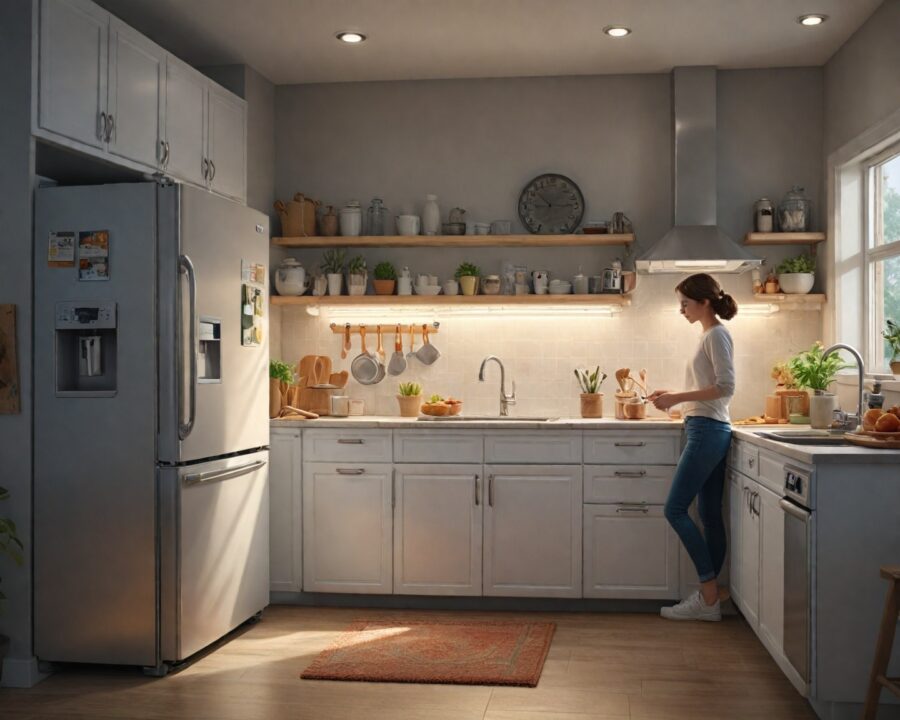
In today’s fast-paced world, where energy costs are steadily climbing and environmental concerns are taking center stage, finding ways to save on electricity has become more crucial than ever. One promising solution that has emerged is the use of smart appliances. These technologically advanced devices not only simplify our lives but also contribute significantly to reducing energy consumption and promoting sustainability. The ability to monitor, control, and optimize energy usage in real-time offers homeowners the dual benefits of lower utility bills and a smaller carbon footprint.
Smart appliances leverage the power of connectivity and automation to provide users with insights into their energy use. By seamlessly integrating with home networks and user-friendly apps, they offer unprecedented control over various household tasks. This integration allows for improved energy efficiency and personalization, catering to the unique needs of each user. As we delve deeper into the world of smart appliances, it becomes essential to understand how these devices work and their potential to transform our energy consumption habits.
Introduction to Smart Appliances and Their Benefits
Smart appliances are a class of devices designed to enhance the convenience and efficiency of everyday tasks through digital control and connectivity. These appliances, ranging from refrigerators to washing machines, are equipped with sensors and Wi-Fi capabilities, allowing them to communicate with other devices and external systems, such as smartphones or tablets. The core benefit lies in their ability to offer users real-time data and control, enabling optimized energy use and enhanced convenience.
One of the most significant benefits of smart appliances is their capability to reduce energy consumption. By using advanced sensors and algorithms, these devices can make precise adjustments and provide insights into energy use patterns. For instance, a smart thermostat can adjust the temperature based on occupancy data and weather conditions, reducing unnecessary heating or cooling when no one is home. Similarly, a smart refrigerator can manage energy consumption by adjusting cooling cycles during low-demand periods.
Moreover, smart appliances contribute to a greener environment. By optimizing energy consumption, these devices help reduce our carbon footprint. Additionally, many of them come with features like delayed start, enabling users to run appliances during off-peak energy hours, thereby decreasing the load on power grids. Not only do these functionalities lead to direct financial savings, but they also promote sustainable energy use, aligning individual actions with global environmental goals.
How Smart Appliances Help Reduce Electricity Consumption
Smart appliances are engineered to conserve energy by analyzing and adapting to usage behaviors. This section explores how these devices contribute to reduced electricity consumption, emphasizing the significance of each feature.
The primary way smart appliances lower electricity usage is by offering precise control over energy-hungry processes. Consider the smart washing machine: It determines the weight of the laundry and adjusts the water and electricity used accordingly, thus avoiding excessive energy use. Similarly, smart dishwashers can adjust water temperatures and cycle lengths based on the dirtiness of the load, optimizing each cycle for efficiency.
Furthermore, smart appliances often integrate with smart home systems, allowing users to create comprehensive ecosystems. These systems can manage several devices simultaneously and prioritize energy efficiency. For example, smart lighting can be programmed to turn off automatically when a room is unoccupied or to dim in response to natural daylight. By working cohesively, these integrated systems drastically cut unnecessary energy expenditure across the home.
In addition to automation, real-time monitoring plays a pivotal role. Appliances connected to smart meters provide users with immediate feedback on their energy usage, highlighting patterns and areas for improvement. Such data can motivate behavioral changes, encouraging users to engage in energy-saving practices, such as unplugging devices not in use or scheduling appliance operations during off-peak hours. As insights into appliance usage grow, household energy efficiency improves significantly.
Top Energy-Efficient Smart Appliances for Your Home
With the array of smart appliances available, choosing the most energy-efficient ones can lead to substantial savings and a more eco-friendly home environment. Here we spotlight some of the top choices for enhancing energy conservation.
-
Smart Thermostats: Devices like the Nest Learning Thermostat or Ecobee SmartThermostat are market leaders, offering extraordinary energy savings. They learn from your habits, adjust temperatures automatically, and provide energy reports for better management.
-
Smart Refrigerators: Brands such as Samsung Family Hub and LG Smart InstaView refrigerators come with energy-efficient features, like optimized cooling modes and notifications if doors are left open. These functions ensure minimal energy wastage.
-
Smart Washers and Dryers: Energy Star-certified washers and dryers from companies like Whirlpool or Bosch utilize load-sensing technology and enhanced spin cycles to minimize water and power use. Their smart connectivity allows for remote operation, ensuring cycles do not run unnecessarily.
-
Smart Dishwashers: Appliances from brands like Bosch and GE, equipped with smart orientation sensors and variable washing options, consume less water and energy. By leveraging AI to determine the necessary cycle intensity, they run efficiently with minimal resource wastage.
-
Smart Lighting Systems: Systems such as Philips Hue and LIFX allow users to control lighting remotely. With preset schedules and motion detection, these lights ensure they are only on when needed, dramatically saving electricity over time.
Adopting these top-tier smart appliances fosters a smarter, more efficient use of resources, helping lower electricity bills while promoting sustainable living.
The Role of Automation in Saving Energy
Automation is a cornerstone of smart appliances, underpinning their ability to save energy effectively. This section delves into various aspects of automation and how they contribute to energy efficiency.
Automated routines are at the heart of smart home energy savings. Given that smart appliances can be programmed to operate at specific times, during low-energy demand periods, homeowners can schedule tasks like washing, drying, and even cooking to take advantage of lower electricity rates. This approach not only saves money but also helps balance the load on power grids.
Moreover, automation enables responsive energy control. Smart devices can autonomously adjust to real-time conditions, such as weather changes or occupancy status, ensuring optimal use of resources. For example, window blinds can automatically lower in response to intense sunlight, reducing the need for air conditioning. Smart thermostats can alter temperature settings based on whether anyone is home, ensuring energy is consumed only when necessary.
Finally, the integration of automation significantly enhances sustainability efforts. Features like power-saving modes and delayed operation are only possible through automated controls. These functions permit appliances to run at times of maximum efficiency, minimizing their environmental impact. By reducing waste and optimizing energy consumption, smart automation assists households in achieving substantial long-term savings on electricity bills.
Common Concerns About Smart Appliances and Their Solutions
Despite their advantages, some users have reservations about adopting smart appliances, primarily due to concerns about costs, data privacy, and complexity. This section addresses these apprehensions and presents viable solutions.
A prevalent concern is the initial cost of smart appliances, which tends to be higher than standard models. However, it’s crucial to consider the long-term energy savings and potential rebates or incentives offered by governments or utilities for energy-efficient appliances. Over time, the reduction in energy bills can offset the initial investment, making these appliances a cost-effective choice in the long run.
Data privacy is another significant worry for consumers. With smart appliances continuously collecting data, safeguarding personal information is paramount. Manufacturers are increasingly focusing on building robust security features into their products. Users can also take measures such as securing their home networks and regularly updating firmware to protect their data from unauthorized access.
Some users also fear the complexity of smart appliance controls, believing these devices might be challenging to operate. However, most smart appliances come with intuitive apps and user-friendly interfaces designed to simplify operation. Manufacturers provide comprehensive guides and customer support to help users maximize the benefits of their smart devices without encountering technical difficulties.
How to Choose the Right Smart Appliances for Your Needs
Selecting the appropriate smart appliances involves evaluating your needs, understanding the features offered by different models, and considering energy efficiency ratings. This process is key to ensuring that your investment yields the maximum benefits.
Begin by assessing your household’s specific requirements. Consider factors like the number of occupants, daily routines, and specific requirements such as dietary needs or environmental goals. For example, a large family might prioritize a refrigerator with substantial capacity and energy-saving features, whereas a single occupant might focus on smart lighting solutions.
Evaluate the smart features that each appliance offers. Look for devices with connectivity options compatible with your existing smart home ecosystem. This compatibility ensures seamless integration and management. Additionally, focus on energy efficiency ratings, as prioritized by Energy Star certification. An appliance with a high energy efficiency rating will contribute more significantly to reducing your electricity costs.
Finally, consider brand reputation and customer reviews. Established brands often have better after-sales support and more reliable products. Reading reviews and comparing different models can offer insights into the practical experiences of other users, guiding you toward the most suitable choice.
Practical Tips for Maximizing Energy Savings with Smart Appliances
To truly benefit from smart appliances, it’s essential to implement strategies that maximize their potential for energy savings. Here are practical tips to consider.
-
Optimize Settings: Ensure your appliances are set to the most energy-efficient modes. Many devices have eco or energy-saving settings that use less power without sacrificing performance.
-
Regular Maintenance: Keep appliances well-maintained to prevent inefficiencies. Routine cleaning, such as dusting refrigerator coils and ensuring ventilation, helps appliances run smoothly, preserving their energy efficiency.
-
Smart Scheduling: Utilize the scheduling features in smart appliances to run them during off-peak hours when energy demand and costs are lower. This scheduling not only saves money but also contributes to energy grid stability.
-
Use Real-Time Monitoring: Constantly assess energy usage patterns through monitoring features and adapt your habits. If an appliance tends to use more energy at certain times, adjust your usage to ensure efficiency.
-
Engage in Power-Wise Behaviors: Develop habits such as unplugging devices when not in use and using smart plugs to control phantom load consumption. This mindfulness complements the technology’s efforts in reducing energy waste.
By diligently following these tips, homeowners can enhance the energy-saving capabilities of their smart appliances, leading to improved efficiency and reduced electricity costs.
The Environmental Impact of Using Smart Appliances
The adoption of smart appliances offers notable environmental benefits, contributing to the overarching goal of sustainability. This section examines the ecological advantages of implementing smart technology in homes.
Smart appliances significantly reduce greenhouse gas emissions through more efficient energy use. By optimizing resource consumption, these devices lessen the need for energy production, which in turn reduces the environmental impact associated with generating electricity, often from fossil fuels. With less energy required, power plants emit fewer pollutants, aiding in global efforts to combat climate change.
Furthermore, smart appliances empower consumers to adopt more eco-friendly practices. With access to detailed energy consumption data, users can make informed decisions that directly impact their environmental footprint. For example, using intelligent dishwashers that minimize water consumption supports water conservation efforts. Smart appliances also facilitate participation in demand response programs, encouraging users to shift usage away from peak hours, which helps balance load demands and reduce resource dependence.
The life cycle of appliances also benefits the environment. Smart appliances are typically built with durability and repairability in mind, reducing electronic waste over time. Enhanced performance leads to longer lifespans, decreasing the frequency with which consumers must replace their devices. This longevity results in less waste and a reduced environmental burden from manufacturing new products.
Cost vs. Savings: Are Smart Appliances Worth the Investment?
In assessing whether smart appliances justify their initial costs, it’s essential to weigh the long-term savings and benefits they provide. This section evaluates the financial aspect of investing in smart technology for the home.
Although the upfront price of smart appliances can be a deterrent, their long-term value becomes evident through sustained energy savings. Over time, the reduction in electricity bills often compensates for the initial expenditure. For instance, smart thermostats alone can save homeowners an average of 10% annually on heating and cooling costs, which translates into substantial savings over several years.
Additionally, smart appliances offer indirect financial benefits. Many utility companies provide rebates and incentives for adopting energy-efficient appliances, effectively lowering the upfront cost. Furthermore, energy-efficient homes typically have higher property values, making your smart appliances an attractive feature if you decide to sell your home.
Another financial consideration includes maintenance and repair costs. Smart appliances can alert users to potential issues before they become serious problems, reducing the need for costly repairs. Their capacity for self-diagnosis and remote troubleshooting makes addressing minor issues more accessible and less expensive.
In conclusion, when viewing the investment in smart appliances through a long-term lens, the combination of energy savings, incentives, and enhanced property value illustrates their overall value. Users must consider their specific circumstances, but the potential for savings and environmental benefits often makes these appliances a worthwhile investment.
Future Trends in Smart Appliances and Energy Efficiency
As technological advancements accelerate, the future promises exciting developments in smart appliances and their efficacy in promoting energy efficiency. This section highlights some key trends on the horizon.
The integration of artificial intelligence (AI) with smart appliances is expected to increase significantly. Advanced AI algorithms can analyze user habits and predict appliance needs more accurately, optimizing energy use without compromising functionality. This intelligent adaptation leads to even greater efficiencies and more personalized user experiences.
Another exciting trend is the expansion of the Internet of Things (IoT), bringing more devices into the connected ecosystem. Upcoming iterations of smart appliances will be more interoperable and capable of communicating not just with each other but also with broader smart grid infrastructures. This connectivity promises to enhance demand response capabilities, reducing the strain on power grids by smoothing out peak usage periods across entire communities.
Renewable energy integration is also anticipated to become a prominent feature of future smart appliances. These devices may directly coordinate with household solar panels or other renewable sources, allowing users to optimize energy consumption based on real-time energy production. This alignment with clean energy sources will intensify efforts toward sustainability, curtailing reliance on traditional power sources.
The evolution of smart appliances paints a promising future for energy-efficient living. As innovation continues, these devices will become more accessible, user-friendly, and impactful in the global endeavor to achieve low-carbon and sustainable lifestyles.
Frequently Asked Questions
How do smart appliances contribute to energy savings?
Smart appliances save energy by optimizing their usage through features such as automated scheduling, real-time monitoring, and efficient operation modes. Their ability to adapt settings based on usage patterns and external factors like weather enables considerable reductions in electricity consumption.
Are smart appliances difficult to use?
No, smart appliances are designed with user-friendliness in mind, often controlled via intuitive apps and interfaces. Manufacturers focus on simplicity, ensuring that users can easily navigate functions and obtain support when needed.
What are the privacy concerns associated with smart appliances?
Privacy concerns mainly revolve around the data collected by smart appliances. However, manufacturers have significantly improved security measures, and consumers can safeguard their information by maintaining secure networks and updating software regularly.
Can smart appliances work with any smart home system?
Most smart appliances are compatible with leading smart home systems, but it’s critical to verify compatibility before purchase. Check if the appliance supports the protocols used in your smart home setup, ensuring seamless integration and operation.
Do smart appliances require professional installation?
While some smart appliances might need professional installation, most are designed for straightforward setup. Instructions for self-installation are typically included, and customer support can assist if necessary.
How can I ensure my smart appliances are environmentally friendly?
Choose appliances with high energy efficiency ratings (such as Energy Star certified) to ensure they consume less power. Also, engage in energy-saving practices and regularly use monitoring data to adjust your usage habits for better environmental outcomes.
Recap
Smart appliances offer a powerful means to reduce electricity consumption through improved control, automation, and efficiency. By adopting these devices, homeowners benefit from lower utility bills and a diminished environmental impact. Choosing the right smart appliances involves evaluating needs, understanding energy efficiency ratings, and considering brand reliability. The future holds exciting advancements in AI, IoT, and renewable energy integration, promising even smarter and more efficient appliances. Regular maintenance and smart usage strategies further enhance the potential savings from these devices. Overall, the balance of initial costs against long-term benefits generally favors smart appliance investments.
Conclusion
The landscape of electricity consumption is undergoing a significant transformation, driven by the advent of energy-efficient smart appliances. These devices promise more than just convenience; they offer a sustainable path forward in managing household energy use. By harnessing the capabilities of automation, connectivity, and real-time monitoring, smart appliances empower users to significantly lower their electricity consumption and contribute to environmental sustainability.
However, as with any technological shift, a successful transition to smart appliances requires informed decision-making. Understanding the features and benefits of these devices, assessing compatibility with existing home systems, and maintaining focus on reputable brands can help maximize the return on investment. Furthermore, by actively engaging with the technology—adopting energy-saving strategies and keeping informed about new advancements—users can ensure they achieve the best possible results.
Looking forward, the continued innovation in smart appliances promises even greater efficiency and savings. As the intersection of AI, IoT, and renewable energy continues to shape the future, smart appliances will likely become an integral component of sustainable living. Embracing this technology today paves the way for a more energy-efficient tomorrow, fostering a healthier planet for future generations.