
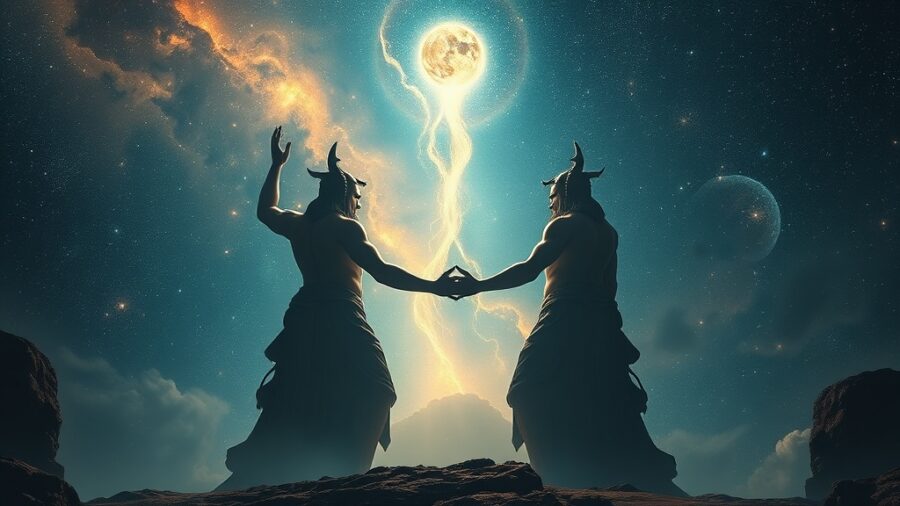
Maori Mythology Creation Tales: Unraveling the Origins of the World
Maori mythology is a rich tapestry of stories that explain the creation of the world, the gods, and the cultural significance of these narratives. Among the most fascinating aspects of Maori beliefs are the creation tales, which provide insights into the cosmos, nature, and the divine. This article delves into the intricate layers of Maori cosmology, focusing on the key elements such as the cosmic origins, the roles of Rangi and Papa, and the birth of the gods.
Through exploring Maori mythology creation tales, we will uncover the foundational myths that have shaped Maori culture and identity. These stories are not merely ancient tales; they reflect the values and perspectives of the Maori people. As we navigate through each section, you will gain a deeper understanding of how these myths compare to other global creation stories, highlighting both unique and shared elements.
By the end of this article, you will appreciate the profound significance of these creation tales in Maori culture and their relevance in contemporary society. Join us as we embark on a journey through the mystical world of Maori mythology.
Introduction to Maori Mythology
Understanding Maori Beliefs
The Maori people, the indigenous inhabitants of New Zealand, have a worldview deeply intertwined with spirituality and nature. Their mythology encompasses a vast array of stories that explain not only the creation of the world but also the relationship between the gods, humans, and the environment. Central to these beliefs is the understanding that everything in the world is interconnected.
Maori mythology is primarily transmitted orally, with elders (kaumātua) playing a critical role in preserving these tales. These stories often reflect the Maori’s understanding of natural phenomena, societal structures, and moral lessons. The **Whakapapa**, or genealogy, is a vital aspect, highlighting the links between ancestors, deities, and the land itself.
The Importance of Oral Traditions
The oral tradition of Maori storytelling is not just a means of entertainment; it serves as an educational tool that conveys cultural values and history. Through these narratives, younger generations learn about their ancestry, responsibilities, and the significance of their environment. This method of transmission ensures that the stories remain dynamic, adapting to contemporary contexts while retaining their core messages.
Additionally, the use of metaphors and symbols in these tales enriches their meaning, allowing listeners to draw personal connections. This fluidity reflects the Maori ethos of embracing change while respecting traditions, making these stories relevant across generations.
The Cosmic Origins: Te Po and Te Ao Marama
Te Po: The Realm of Darkness
In Maori cosmology, the beginning of all things is rooted in Te Po, the realm of darkness. This primordial state existed before light, where chaos and potential coexisted. Te Po is often depicted as a vast void, representing the unknown and the formless. It is from this darkness that creation begins, as the first stirrings of life emerge.
The concept of Te Po signifies not only the absence of light but also the potential for growth and transformation. Within this void, the seeds of existence lay dormant, waiting for the right conditions to manifest. The darkness of Te Po is essential, as it sets the stage for the emergence of light and life.
Te Ao Marama: The World of Light
In contrast to Te Po, Te Ao Marama represents the world of light and life. This realm is characterized by the presence of the gods and the emergence of the natural world. The transition from Te Po to Te Ao Marama symbolizes the birth of creation, where light illuminates the darkness, allowing for growth and order.
Te Ao Marama is populated by various deities and spirits, each with unique roles in maintaining the balance of the universe. This duality between Te Po and Te Ao Marama exemplifies the Maori understanding of the cyclical nature of existence, where light and darkness coexist and complement each other.
The Role of Rangi and Papa in Creation
The Sky Father and Earth Mother
At the heart of Maori creation stories are Rangi (Sky Father) and Papa (Earth Mother), essential figures in the mythology. Their union represents the fundamental relationship between sky and earth, a balance that sustains all life. According to the myths, Rangi and Papa were once locked in a tight embrace, their love creating a world trapped in darkness.
Their children, the gods, grew tired of this confinement and sought to separate their parents. This act of separation is a critical moment in the creation narrative, as it allows light and life to flourish. The legend emphasizes the necessity of change and the importance of relationships in the natural world.
The Separation and Its Consequences
The separation of Rangi and Papa is not merely an act of rebellion; it is a profound transformation that leads to the creation of the world as we know it. In some versions of the myth, the god Tāne, representing forests and birds, plays a pivotal role in pushing his father Rangi into the sky, allowing the light to shine down on the earth.
This act triggers a series of events leading to the establishment of the earth’s landscapes, flora, and fauna. The separation also introduces a dynamic tension between the sky and the earth, symbolizing the ongoing relationship between the divine and the natural world.
The Birth of the Gods: Key Figures in Maori Mythology
Major Deities and Their Roles
The Maori pantheon is rich with deities, each representing different aspects of life and nature. Among the most notable are Tāne Mahuta, the god of forests and birds; Rongo, the god of agriculture; and Tangaroa, the god of the sea. Each deity plays a crucial role in maintaining the balance of the world, reflecting the Maori worldview of interconnectedness.
These gods are not distant figures; they are seen as active participants in the lives of the Maori people. Their stories often illustrate moral lessons and values, guiding individuals in their relationships with each other and the environment.
Mythical Creatures and Spirits
In addition to the major gods, Maori mythology features a variety of mythical creatures and spirits. For instance, the taniwha is a legendary creature that often inhabits water bodies and is believed to protect certain areas. These beings are integral to the mythology, embodying the mysteries of nature and serving as reminders of the spiritual world that coexists with the physical.
The presence of these creatures emphasizes the rich biodiversity in Maori stories, highlighting the respect and reverence the Maori have for their natural surroundings. They serve as symbols of the unseen forces that shape the world, reinforcing the importance of living harmoniously with nature.
The Significance of Creation Tales in Maori Culture
Cultural Identity and Values
The creation tales of Maori mythology are more than just stories; they are foundational to Maori cultural identity. These narratives provide a sense of belonging and continuity, linking the present generation to their ancestors. Through these tales, individuals learn about their responsibilities to their community and the environment.
The values embedded in these myths, such as respect for nature, kinship, and the balance between opposing forces, are integral to Maori culture. They guide social interactions and practices, influencing everything from governance to environmental stewardship.
Rituals and Celebrations
Many Maori rituals and celebrations are rooted in these creation tales, showcasing their ongoing relevance in contemporary society. For example, the celebration of Matariki, which marks the Maori New Year, is linked to the rise of the Pleiades star cluster and is a time for reflection and renewal. During this period, communities come together to honor their ancestors and the natural world.
These rituals reinforce the connection between the people and the cosmos, highlighting the cyclical nature of life. They serve as a reminder of the creation stories that continue to shape Maori identity and spirituality.
Comparative Analysis: Maori Myths vs. Other Creation Myths
Common Themes in Global Creation Myths
Maori creation tales share several common themes with other global myths, such as the presence of a primordial void, the role of a creator deity, and the emergence of light from darkness. For instance, in the Genesis account of the Bible, God creates the world by separating light from darkness, echoing the Maori narrative of Te Po and Te Ao Marama.
These parallels suggest a universal human experience in grappling with questions of existence and creation, highlighting the shared quest for understanding the origins of the world. However, the distinct cultural contexts shape the narratives, reflecting the values and beliefs of each society.
Unique Aspects of Maori Creation Stories
While there are similarities, Maori creation stories possess unique characteristics that distinguish them from other traditions. The emphasis on the relationship between Rangi and Papa, along with the active roles of their children, illustrates a holistic view of creation that intertwines the divine with the natural world. This contrasts with more hierarchical views found in other mythologies.
Furthermore, the concept of Whakapapa plays a crucial role in Maori mythology, emphasizing genealogy and interconnectedness. This focus on lineage and relationships is less pronounced in many Western creation myths, showcasing a distinct Maori perspective on existence.
Conclusion and Key Takeaways
In conclusion, the Maori mythology creation tales provide a profound understanding of the world and the Maori people’s place within it. These stories not only explain the origins of the cosmos but also reflect the values, beliefs, and cultural identity of the Maori. The dynamic relationship between the elements of creation illustrates the interconnectedness of all life, a principle that remains vital in contemporary Maori society.
As we explored the cosmic origins, the roles of Rangi and Papa, and the birth of the gods, it became evident that these narratives serve as a foundation for understanding Maori culture and spirituality. The significance of these stories extends beyond the past; they continue to inform practices, rituals, and the ways in which Maori people engage with the world around them.
Ultimately, the creation tales of Maori mythology are a testament to the rich cultural heritage of the Maori people, offering valuable lessons about harmony, balance, and respect for the natural world. As we reflect on these stories, we are reminded of the importance of preserving and honoring our own cultural narratives.
Frequently Asked Questions
What is the main theme of Maori creation myths?
The primary theme of Maori creation myths revolves around the relationship between Rangi (Sky Father) and Papa (Earth Mother) and their role in the creation of the world. These stories highlight the interconnectedness of all life and the significance of balance between opposing forces.
Who are the key deities in Maori mythology?
Key deities in Maori mythology include Tāne Mahuta (god of forests), Rongo (god of agriculture), and Tangaroa (god of the sea). Each deity plays a vital role in maintaining the balance of nature and reflects different aspects of Maori life.
How do Maori creation stories differ from other cultures?
Maori creation stories differ from other cultures in their emphasis on genealogy and interconnectedness. The concept of Whakapapa highlights the importance of relationships among individuals, deities, and the environment, which is less pronounced in many Western creation myths.
What is the significance of oral traditions in Maori culture?
Oral traditions are crucial in Maori culture as they preserve history, values, and identity. Through storytelling, knowledge is passed down from generation to generation, ensuring that cultural practices and beliefs remain alive and relevant.
How do creation tales influence contemporary Maori society?
Creation tales influence contemporary Maori society by providing a framework for cultural identity and guiding social practices. Rituals and celebrations rooted in these stories reinforce community bonds and emphasize the importance of environmental stewardship.
Recap
- Maori mythology encompasses creation tales that explain the origins of the world.
- Te Po and Te Ao Marama represent the cosmic origins of light and darkness.
- Rangi and Papa are central figures in creation, symbolizing the balance between sky and earth.
- The birth of gods reflects the interconnectedness of nature and spirituality.
- Creation tales shape cultural identity and values within Maori society.
- Maori myths share common themes with other global creation stories but possess unique characteristics.
- Oral traditions are vital for preserving and transmitting Maori culture.
- These narratives continue to influence contemporary practices and beliefs.