
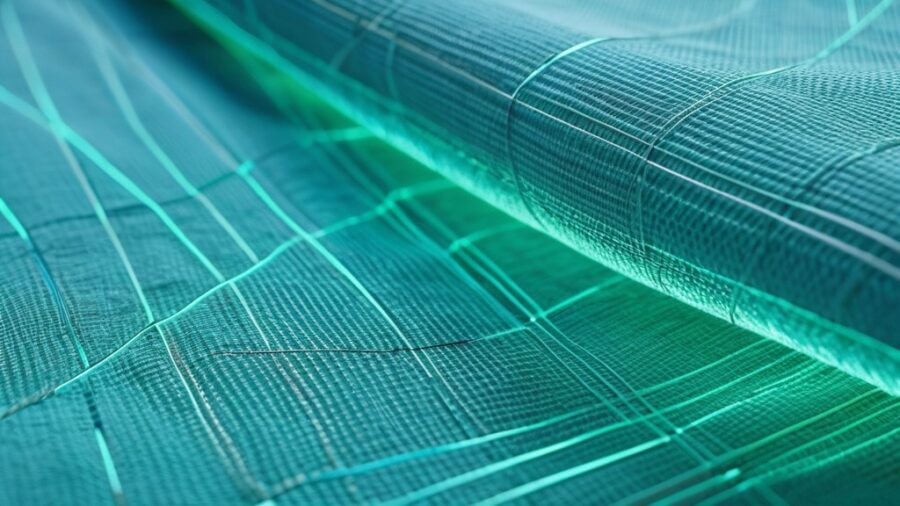
Smart Textiles Health Monitoring: Revolutionizing Healthcare
In recent years, the field of healthcare has witnessed a significant transformation with the advent of smart textiles for health monitoring. These innovative materials combine traditional fabrics with advanced technology to provide real-time health data, creating new opportunities for patient care and wellness management. As the population ages and chronic diseases become more prevalent, the need for effective health monitoring solutions is more critical than ever.
This article will explore the fascinating world of smart textiles in health monitoring, providing an in-depth understanding of their technology, applications, benefits, limitations, and future trends. By integrating sensors and electronic components into fabrics, these textiles can monitor various health parameters, from heart rate to temperature, enabling proactive healthcare interventions.
Readers will gain insights into how smart textiles are reshaping the healthcare landscape, the challenges faced in their implementation, and the potential future developments in this exciting field. Join us as we delve into the future of health monitoring through smart textiles.
Understanding the Technology Behind Smart Textiles
The Basics of Smart Textiles
Smart textiles, also known as e-textiles or electronic textiles, are fabrics that have been enhanced with technology to provide additional functionalities. These textiles incorporate conductive threads, sensors, and microcontrollers, allowing them to collect and transmit data. The integration of these components enables the textiles to interact with the wearer and their environment, making them valuable tools for health monitoring.
There are two primary categories of smart textiles: passive and active. Passive smart textiles do not react to external stimuli but can sense data and record it for later use. In contrast, active smart textiles can respond to stimuli, allowing for real-time health monitoring. For instance, a fabric embedded with sensors can detect changes in body temperature and send alerts to healthcare providers, ensuring timely intervention.
Key Technologies in Smart Textiles
Several technologies underpin the functionality of smart textiles. These include:
- Conductive Fibers: These fibers carry electrical signals, allowing for data transmission.
- Sensor Integration: Sensors embedded in the fabric can monitor various physiological parameters, such as heart rate, respiration, and muscle activity.
- Wireless Communication: Smart textiles utilize Bluetooth or Wi-Fi technology to transmit data to connected devices, such as smartphones or health monitoring systems.
- Energy Harvesting: Some smart textiles are designed to harvest energy from the wearer’s movements or body heat, reducing the need for external power sources.
Applications of Smart Textiles in Healthcare
Wearable Health Monitoring Devices
The most prominent application of smart textiles in healthcare is in wearable health monitoring devices. These garments can continuously track vital signs and other health metrics, providing valuable data for both patients and healthcare providers. For instance, smart shirts equipped with sensors can monitor heart rate, respiratory rate, and even detect arrhythmias.
Such devices are particularly beneficial for patients with chronic conditions, enabling them to manage their health more effectively. For example, a smart textile that tracks glucose levels can alert diabetic patients when their levels are too high or too low, allowing for timely intervention and reducing the risk of complications.
Rehabilitation and Physical Therapy
Smart textiles are also making waves in rehabilitation and physical therapy. Fabrics designed with motion sensors can analyze a patient’s movements and provide feedback on their rehabilitation exercises. This real-time feedback can help patients improve their technique, prevent injuries, and accelerate recovery.
Additionally, smart textiles can facilitate remote rehabilitation, allowing healthcare providers to monitor patients’ progress from a distance. This is especially valuable for patients living in remote areas or those with mobility issues, as it reduces the need for frequent hospital visits.
Benefits of Using Smart Textiles for Health Monitoring
Enhanced Patient Engagement
One of the primary benefits of using smart textiles for health monitoring is enhanced patient engagement. By providing real-time data and feedback, patients become more involved in their health management. This empowerment can lead to improved adherence to treatment plans and healthier lifestyle choices.
For example, wearable smart textiles that track physical activity can motivate patients to be more active, ultimately leading to better health outcomes. Studies have shown that patients who actively monitor their health are more likely to engage in preventive health measures, reducing the overall burden on healthcare systems.
Improved Data Accuracy and Timeliness
Smart textiles offer a level of data accuracy and timeliness that traditional health monitoring methods often lack. Continuous monitoring allows for immediate detection of health anomalies, enabling prompt intervention. For instance, an elderly patient wearing a smart textile that monitors heart rate can receive immediate alerts in case of irregularities, potentially preventing serious health crises.
Moreover, the use of smart textiles reduces the need for invasive procedures and frequent hospital visits, which can be both costly and inconvenient for patients. This shift towards non-invasive monitoring is particularly beneficial for elderly patients or those with chronic illnesses who require constant supervision.
Challenges and Limitations of Smart Textiles in Healthcare
Technical Limitations
Despite the numerous advantages, smart textiles face several technical limitations. One of the primary challenges is ensuring the durability of electronic components integrated into fabrics. Frequent washing and wearing can compromise the functionality of sensors, leading to inaccurate readings or device failure.
Additionally, the comfort of smart textiles is a significant concern. Patients are less likely to wear uncomfortable garments, which could limit the effectiveness of health monitoring. Manufacturers must strike a balance between technology integration and user comfort, ensuring that the textiles are both functional and pleasant to wear.
Data Privacy and Security Concerns
Another critical challenge is related to data privacy and security. Smart textiles generate a significant amount of personal health data, which can be vulnerable to cyberattacks. Ensuring that this data is stored securely and transmitted safely is essential to maintain patient trust and comply with regulations such as HIPAA (Health Insurance Portability and Accountability Act).
Healthcare providers and manufacturers must prioritize data protection measures, including encryption and secure data storage, to safeguard patients’ information. Without robust security measures, the potential benefits of smart textiles in health monitoring could be undermined by privacy concerns.
Future Trends in Smart Textiles for Health Monitoring
Integration with Artificial Intelligence
The future of smart textiles in health monitoring is promising, particularly with the integration of artificial intelligence (AI). AI can analyze the vast amounts of data generated by smart textiles, providing insights into health trends and enabling predictive analytics. This capability can lead to more personalized healthcare interventions, tailoring treatment plans to individual patients based on their unique data.
For instance, AI algorithms can identify patterns in a patient’s health data, such as predicting potential health issues before they arise. This proactive approach can significantly improve patient outcomes and reduce healthcare costs by preventing complications.
Advancements in Material Science
Advancements in material science are also expected to drive the evolution of smart textiles. Researchers are exploring new materials that are more conductive, flexible, and durable, enhancing the functionality of smart textiles. Innovations such as nanotechnology and biocompatible materials could lead to the development of textiles that are not only smarter but also more comfortable and user-friendly.
Moreover, future smart textiles may incorporate features such as self-cleaning capabilities, further enhancing their practicality for everyday use. As technology continues to evolve, the possibilities for smart textiles in health monitoring are virtually limitless.
Conclusion
Smart textiles are revolutionizing health monitoring, offering a blend of technology and fabric that enhances patient care and engagement. By understanding the technology behind these textiles, exploring their applications, and recognizing their benefits and challenges, we can appreciate the significant impact they have on healthcare. The future of smart textiles looks bright, with advancements in AI and material science paving the way for even more innovative solutions.
As we continue to embrace this technology, it is crucial to address the challenges of data privacy and technical limitations to fully realize the potential of smart textiles in healthcare. With ongoing research and development, smart textiles are set to become an integral part of health monitoring, improving outcomes and quality of life for patients around the world.
FAQ about Smart Textiles and Health Monitoring
1. What are smart textiles?
Smart textiles are fabrics that incorporate advanced technologies, such as sensors and conductive fibers, to provide additional functionalities, including health monitoring. These textiles can collect and transmit data related to various health parameters.
2. How do smart textiles monitor health?
Smart textiles monitor health by embedding sensors that track vital signs and other physiological metrics. These sensors can detect changes in heart rate, temperature, and movement, providing real-time data to healthcare providers.
3. What are the benefits of using smart textiles in healthcare?
The benefits of smart textiles in healthcare include enhanced patient engagement, improved data accuracy, and timely health monitoring. They allow for continuous tracking of health metrics, which can lead to better health outcomes.
4. What challenges do smart textiles face in healthcare?
Challenges for smart textiles include technical limitations, such as durability and comfort, as well as concerns regarding data privacy and security. Ensuring reliable functionality and protecting patient information are critical issues that need to be addressed.
5. What is the future of smart textiles in health monitoring?
The future of smart textiles in health monitoring is promising, with advancements in artificial intelligence and material science expected to enhance their functionality and effectiveness. These developments could lead to more personalized healthcare solutions and improved patient care.
Recap of Key Points
- Smart textiles combine traditional fabrics with technology for health monitoring.
- They can track vital signs and provide real-time health data.
- Applications include wearable health devices and rehabilitation support.
- Benefits include enhanced patient engagement and improved data accuracy.
- Challenges include technical limitations and data privacy concerns.
- The future includes AI integration and advancements in material science.
- Smart textiles have the potential to revolutionize patient care.
- Ongoing research is essential for overcoming current challenges.