
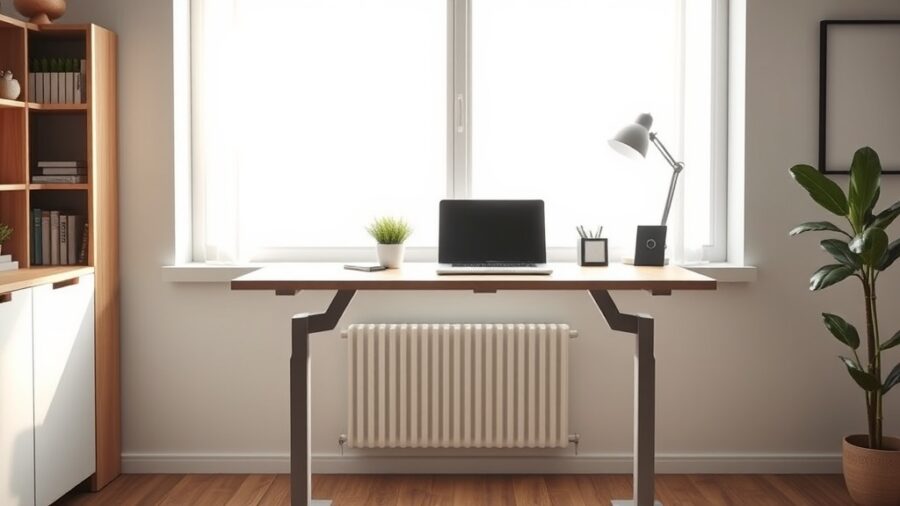
Introduction to Standing Desks and Their Importance
In today’s fast-paced work environment, many individuals are seeking innovative solutions to improve their health and productivity. One of the most notable trends is the rising popularity of standing desks. The standing desk benefits tips provide insights into how these desks can transform your workspace and overall well-being. As we delve deeper, you will discover the myriad advantages that standing desks offer, from health improvements to enhanced productivity.
Historically, the concept of standing while working is not new; it dates back to the times of renowned figures like Leonardo da Vinci and Ernest Hemingway. However, with the increasing awareness of sedentary lifestyles and their associated health risks, standing desks have gained renewed attention in recent years. The modern standing desk is more than just a trend; it represents a shift towards healthier work habits.
This article will explore the various benefits of standing desks, offer tips for effectively transitioning to one, and dispel common myths surrounding their use. Whether you’re considering making the switch or are already a user, understanding the full scope of standing desks will empower you to make informed decisions for your health and productivity.
Health Benefits of Standing Desks
One of the primary reasons individuals consider switching to a standing desk is the numerous health benefits associated with their use. Research has shown that reducing sedentary time can lead to significant health improvements, including lower risks of chronic diseases.
Reduced Risk of Chronic Diseases
Studies indicate that prolonged sitting is linked to several health issues, including obesity, heart disease, and type 2 diabetes. A study published in the journal “Diabetologia” found that standing for just part of the day can lower blood sugar levels, particularly after meals. Another study from the University of Queensland in Australia revealed that participants using standing desks burned more calories than those who remained seated.
Improved Posture and Reduced Back Pain
Another significant advantage is the potential for improved posture. Standing desks can promote better spinal alignment and reduce the strain on the back and neck, which is often exacerbated by prolonged sitting. A survey conducted by the American Physical Therapy Association found that 60% of respondents who used standing desks reported a reduction in back pain. Incorporating ergonomic accessories, such as anti-fatigue mats and monitor risers, can further enhance comfort and support.
Productivity Boost with Standing Desks
Beyond health considerations, the impact of standing desks on productivity is noteworthy. Many users report feeling more energized and focused when working from a standing position. This section will delve into how standing desks can lead to enhanced work performance.
Increased Energy and Focus
Standing desks have been associated with increased energy levels. A study from the University of California showed that employees using standing desks reported higher levels of energy throughout the day compared to their seated counterparts. This boost in energy can lead to improved focus, allowing individuals to maintain concentration on tasks for longer periods.
Enhanced Collaboration and Engagement
Standing desks can also facilitate better collaboration and engagement among team members. When employees are standing, they are more likely to engage in spontaneous discussions and brainstorming sessions. This dynamic work environment fosters creativity and teamwork, which can lead to innovative solutions and improved project outcomes.
- Improved energy levels
- Enhanced focus and concentration
- Increased collaboration and communication
Tips for Transitioning to a Standing Desk
Making the switch to a standing desk requires careful consideration and planning. Transitioning too quickly can lead to discomfort and fatigue. Here are some practical tips to help make the process smoother.
Start Slow and Gradually Increase Standing Time
It’s essential to start slowly when transitioning to a standing desk. Begin by standing for short periods, such as 15-30 minutes, and gradually increase the duration as your body adapts. This gradual approach will help your muscles and joints adjust without causing excessive strain.
Invest in Ergonomic Accessories
To enhance your standing desk experience, consider investing in ergonomic accessories. Items such as a supportive anti-fatigue mat, an adjustable monitor stand, and a comfortable keyboard tray can significantly improve your posture and comfort levels. These tools are designed to promote a healthier working position, reducing the risk of discomfort.
Best Practices for Using Standing Desks
To fully reap the benefits of standing desks, it’s crucial to adopt best practices while using them. This section outlines effective strategies to maximize your standing desk experience.
Maintain Proper Posture
Proper posture is vital when using a standing desk. Ensure that your monitor is at eye level, your shoulders are relaxed, and your feet are shoulder-width apart. Keeping your knees slightly bent can also help alleviate pressure on your back. Regular posture checks throughout the day can encourage better alignment and reduce strain.
Incorporate Movement Throughout the Day
In addition to standing, it’s important to incorporate movement into your routine. Take short breaks to walk around or stretch your legs. This practice not only promotes circulation but can also help refresh your mind. Research from the University of Illinois indicates that brief physical activity can improve cognitive function and overall productivity.
| Best Practices | Description |
|---|---|
| Maintain Proper Posture | Keep your monitor at eye level and shoulders relaxed. |
| Incorporate Movement | Take regular breaks to walk or stretch during the day. |
| Use Ergonomic Accessories | Invest in mats and stands designed for standing desk use. |
Common Myths About Standing Desks
Despite the growing popularity of standing desks, several misconceptions persist. Addressing these myths can help individuals make informed decisions about their workspace.
Myth 1: Standing Desks Are Bad for Your Feet
While standing for prolonged periods can lead to discomfort, the key is to use supportive accessories like anti-fatigue mats. These mats are designed to alleviate pressure on the feet and joints, making standing more comfortable. Research shows that individuals using these mats report significantly less discomfort compared to standing on hard surfaces.
Myth 2: Standing Desks Do Not Improve Health
Some skeptics argue that standing desks do not significantly impact health. However, numerous studies have demonstrated that reducing sedentary time can lead to lower risks of obesity, heart disease, and other chronic conditions. A study in the “American Journal of Preventive Medicine” found that participants using standing desks experienced a notable decrease in weight gain over time.
Conclusion
In conclusion, the benefits of standing desks extend far beyond mere aesthetics. From improved health outcomes to enhanced productivity, standing desks represent a valuable investment in your work life. By incorporating best practices and debunking common myths, individuals can harness the full potential of their standing desks.
As you consider the transition to a standing desk, remember to start gradually, maintain proper posture, and invest in ergonomic accessories. By doing so, you will not only improve your overall health but also create a more dynamic and engaging work environment that fosters productivity.
FAQ about Standing Desks
1. How long should I stand at my desk each day?
It is recommended to start with 15-30 minutes of standing and gradually increase your standing time. Aim for a balance of sitting and standing throughout your workday, ideally standing for about 50% of the time.
2. Can standing desks cause fatigue?
Yes, standing for extended periods can cause fatigue if not managed properly. Incorporating anti-fatigue mats and taking regular breaks to move around can help mitigate this issue.
3. Are there specific health benefits linked to standing desks?
Yes, standing desks have been linked to reduced risks of obesity, heart disease, and improved posture. They can also lead to increased energy levels and productivity at work.
4. Do I need to buy additional accessories for my standing desk?
While not mandatory, investing in ergonomic accessories such as anti-fatigue mats and adjustable monitor stands can greatly enhance your comfort and overall experience when using a standing desk.
5. Can I alternate between sitting and standing?
Absolutely! Alternating between sitting and standing is one of the best practices when using a standing desk. This approach allows you to enjoy the benefits of both positions while reducing the risk of discomfort.
- Standing desks offer significant health benefits by reducing sedentary time.
- They can enhance productivity and energy levels among users.
- Transitioning should be done gradually to avoid discomfort.
- Proper posture and ergonomic accessories are crucial for comfort.
- Debunking myths helps individuals make informed decisions about standing desks.