
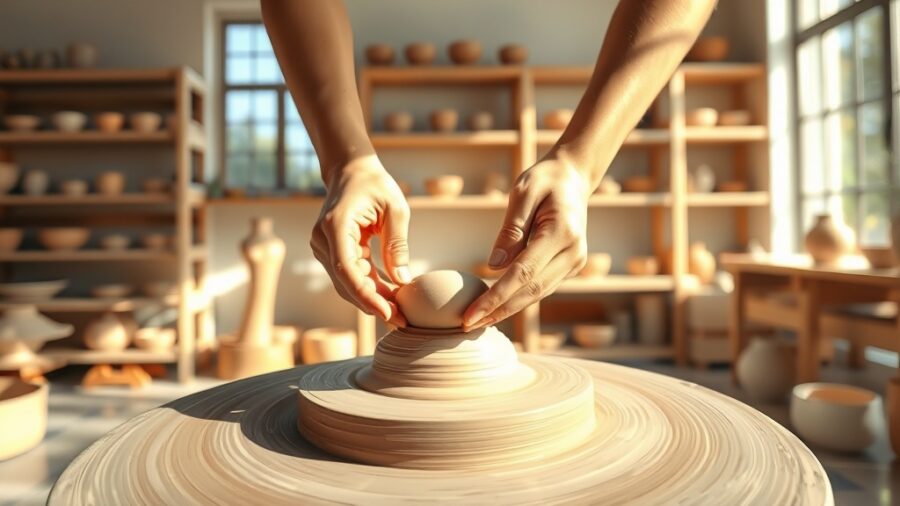
Pottery Relaxation Hobby Start: An Introduction
In today’s fast-paced world, the need for relaxation and mindfulness has become increasingly important. Many individuals are seeking hobbies that not only provide a creative outlet but also promote mental well-being. One such activity that has gained popularity is pottery. This article will delve into how to start pottery as a relaxation hobby, exploring its numerous benefits and providing essential information for beginners.
Pottery combines artistry, craftsmanship, and therapeutic elements, making it an ideal choice for those looking to unwind. As you mold clay into beautiful shapes, you not only engage your creative side but also experience a calming effect that can alleviate stress. Throughout this article, you will learn about the benefits of pottery for mental health, essential tools for beginners, basic techniques, and how to find pottery classes or communities.
Whether you are a complete novice or someone who has dabbled in pottery before, this comprehensive guide will equip you with the knowledge needed to embark on your pottery journey. By the end, you’ll be inspired to create your own masterpieces and enjoy the meditative benefits of this rewarding hobby.
Benefits of Pottery for Mental Health
Therapeutic Effects of Clay
Engaging in pottery offers profound therapeutic benefits that can significantly enhance mental health. The act of shaping clay is not only physically engaging but also mentally stimulating. According to a study by the University of Westminster, participants who engaged in creative activities, such as pottery, experienced a decrease in cortisol levels, a hormone associated with stress. This reduction in stress can lead to improved overall well-being.
Furthermore, working with clay encourages mindfulness. As you focus on the tactile sensations of molding and shaping, your mind shifts away from everyday worries, promoting relaxation and clarity. This meditative aspect of pottery can serve as a form of active meditation, allowing individuals to connect with their inner thoughts and emotions.
Building Self-Esteem and Confidence
Another significant benefit of pottery is the boost it provides to self-esteem and confidence. As beginners learn to manipulate clay and create functional or decorative pieces, they experience a sense of accomplishment. Completing a project, whether it’s a simple bowl or an intricate vase, instills pride and encourages a positive self-image.
Moreover, pottery is an art form that values imperfection. Unlike other hobbies, where precision is often required, pottery embraces the unique qualities of handmade items. This acceptance of imperfections can help individuals appreciate their creative expression and, in turn, foster greater confidence in their abilities.
Essential Tools and Materials for Beginners
Basic Pottery Tools
To start your pottery journey, it’s crucial to have the right tools. Here is a list of essential pottery tools that every beginner should consider:
- Potter’s Wheel: A wheel helps shape clay into symmetrical forms.
- Clay: Earthenware, stoneware, or porcelain can be used based on your preference.
- Trim Tools: These help refine the shape and remove excess clay.
- Sponge: Useful for smoothing surfaces and adding moisture.
- Wire Cutter: For cutting clay from larger blocks.
- Rolling Pin: Ideal for flattening clay.
- Glazes: Used for finishing pieces and adding color.
Investing in quality tools will enhance your experience and yield better results in your pottery projects. Beginners should focus on acquiring the basics before expanding their toolkit.
Choosing the Right Clay
Selecting the appropriate clay is vital for achieving desired outcomes. Different types of clay have unique properties that influence the final product. Here are the three most common types of clay beginners should consider:
- Earthenware: This is the most accessible type of clay, ideal for beginners. It fires at low temperatures and is great for functional pottery.
- Stoneware: A versatile clay that is durable and suitable for various projects. It requires higher firing temperatures but is excellent for both functional and decorative items.
- Porcelain: Known for its delicacy and translucence, porcelain is more challenging to work with but can produce stunning results.
Choosing the right clay depends on your project goals and the techniques you wish to explore.
Basic Pottery Techniques to Get Started
Hand-Building Techniques
Hand-building is an essential skill for any pottery beginner. It involves shaping clay using your hands and simple tools, rather than a potter’s wheel. The two most common hand-building techniques are:
- Pinch Pots: This technique involves pinching the clay into shape, allowing for creative and organic forms.
- Slab Building: This method uses flat pieces of clay, which are joined together to create structures like boxes or plates.
Practicing these techniques will give you a solid foundation in pottery before moving on to more advanced methods.
Throwing on the Potter’s Wheel
Once you feel comfortable with hand-building, you may want to explore throwing pottery on a wheel. This technique requires practice but can lead to beautifully symmetrical pieces. To get started, follow these steps:
- Centering the Clay: This is the most crucial step in wheel throwing. Ensure the clay is evenly centered on the wheel to create balanced forms.
- Opening and Pulling: After centering, use your fingers to open the clay and pull it upwards to shape the walls of your piece.
Joining a pottery class can be beneficial for mastering these techniques, as an instructor can provide valuable feedback and guidance.
Finding a Pottery Class or Community
Local Pottery Studios
One of the best ways to immerse yourself in pottery is by joining a local pottery class. Many cities have community studios that offer classes for all skill levels. These classes provide not only instruction but also access to equipment and tools you may not have at home.
When searching for a pottery class, consider the following factors:
- Location: Find a studio that is conveniently located to make attending classes easier.
- Instructor Qualifications: Look for classes taught by experienced potters who can provide effective guidance.
- Class Size: Smaller classes often allow for more personalized attention.
Online Pottery Communities
If you prefer to learn from the comfort of your home, numerous online resources can connect you with the pottery community. Websites like Skillshare and YouTube offer tutorials tailored for beginners, while social media platforms allow you to join groups where you can share your progress and seek advice from fellow enthusiasts.
Participating in online forums can provide motivation and support as you embark on your pottery journey. Engaging with others who share your interests can enhance your experience and provide valuable insights.
Setting Up Your Home Pottery Studio
Space Considerations
Creating a dedicated space for your pottery projects is essential for fostering creativity and focus. When setting up your home pottery studio, consider the following:
- Ventilation: Ensure your workspace is well-ventilated, especially if using glazes or other materials that may emit fumes.
- Work Surface: A sturdy table or workbench will provide a reliable surface for your pottery projects.
- Storage: Organize your tools and materials with shelves or bins to keep your space tidy and functional.
Essential Equipment for Home Pottery
In addition to a designated workspace, several pieces of equipment can enhance your home pottery experience:
- Potter’s Wheel: If you plan to throw on the wheel, investing in one can be beneficial.
- Kiln: While not immediately necessary for beginners, having a kiln at home allows you to fire your pieces without relying on a community studio.
- Workstation Tools: Ensure your studio is equipped with basic tools, such as cutting wires, sponges, and trimming tools.
Exploring Different Pottery Styles and Techniques
Traditional Pottery Styles
As you grow in your pottery skills, you may become interested in exploring various styles. Traditional pottery styles vary across cultures and can inspire your creations. Some notable styles include:
- Japanese Raku: Known for its unique glazing technique, Raku pottery emphasizes spontaneity and unpredictability.
- Mexican Talavera: This style features vibrant colors and intricate designs, often used for decorative and functional ware.
- Chinese Porcelain: Renowned for its delicacy and beauty, Chinese porcelain has a rich history dating back over a thousand years.
Contemporary Pottery Trends
In addition to traditional styles, contemporary pottery has seen an explosion of creativity. Artists today are pushing boundaries with innovative techniques and materials. Some trends to explore include:
- Mixed Media: Incorporating other materials, such as metal or glass, into pottery pieces for a unique touch.
- Textured Surfaces: Experimenting with various textures can add depth and interest to your pottery.
- Minimalism: Emphasizing simplicity in design, minimalist pottery focuses on clean lines and subtle elegance.
Conclusion and Next Steps
Starting pottery as a relaxation hobby offers a wealth of benefits, from enhancing mental well-being to providing a creative outlet. As you embark on this journey, remember that the process of creating is as important as the final product. Embrace the learning curve and allow yourself to experiment with different techniques and styles.
Whether you choose to join a local class, set up your home studio, or explore online resources, the key is to stay engaged and open-minded. Pottery is not just about making beautiful objects; it’s about the experiences and connections you create along the way. As you refine your skills, you will find joy in both the art and the therapeutic benefits of working with clay.
FAQ
What is the best type of clay for beginners?
For beginners, earthenware is often recommended due to its accessibility and ease of use. It fires at low temperatures and is suitable for various projects, making it a great starting point.
How long does it take to learn pottery?
The learning curve for pottery varies from person to person. Typically, it takes several weeks to months of practice to become comfortable with basic techniques. However, mastery can take years, so patience is essential.
Can pottery be a form of therapy?
Yes, pottery can serve as a form of therapy. The act of shaping clay promotes mindfulness, reduces stress, and fosters a sense of accomplishment, all contributing to improved mental health.
Do I need a kiln for home pottery?
While a kiln is not immediately necessary for beginners, having one at home allows you to fire your pieces independently. Many beginners start by using community studios with kilns until they decide to invest in their own.
What are some common pottery mistakes to avoid?
Common mistakes include not properly wedging the clay, which can result in air bubbles, and overworking the clay, leading to dryness. It’s important to practice and learn from these errors to improve your skills.
Recap
- Pottery is a rewarding hobby that promotes relaxation and mental well-being.
- Engaging in pottery can reduce stress and build self-esteem.
- Essential tools for beginners include a potter’s wheel, clay, and basic hand tools.
- Hand-building and throwing techniques are foundational skills for pottery.
- Joining local classes or online communities can enhance your learning experience.
- Setting up a dedicated home studio fosters creativity and productivity.
- Exploring various pottery styles can inspire your creative journey.
- Embrace the learning process and enjoy the therapeutic benefits of pottery.