
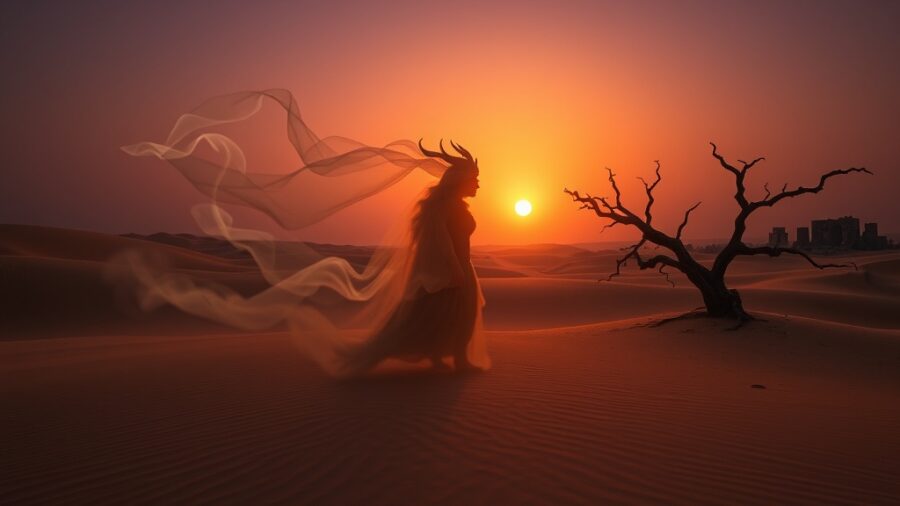
Introduction to Djinn Mythology
Djinn mythology is a fascinating and intricate part of Islamic folklore, often shrouded in mystery and intrigue. These supernatural beings, often referred to simply as djinn or genies, have captured the imagination of cultures worldwide. The word “djinn” derives from the Arabic root “j-n-n,” which means to hide or conceal, reflecting their elusive nature. In this article, we will delve into the depths of djinn mythology, exploring their historical origins, characteristics, and the role they play in Islamic texts and traditions.
As we navigate through the rich tapestry of djinn lore, we will uncover the various types of djinn, their cultural impact, and their modern interpretations. From ancient scriptures to contemporary media, the influence of djinn mythology can be seen in numerous facets of society. By the end of this comprehensive exploration, you will have a clearer understanding of these enigmatic beings and their significance in both historical and modern contexts.
Join us as we journey through the realms of djinn mythology, revealing the complexities and nuances that define these captivating entities. Whether you are a scholar of Islamic studies or simply curious about folklore, this article promises to illuminate the many facets of djinn mythology.
Historical Origins of Djinn
Ancient Beginnings
The origins of djinn can be traced back to pre-Islamic Arabian culture, where they were viewed as spirits inhabiting desolate places like deserts and ruins. Early texts suggest that these beings were believed to have both benevolent and malevolent qualities. In particular, the Quran mentions djinn in various verses, indicating their significance in Islamic belief.
Historically, djinn were associated with natural phenomena and were thought to influence various aspects of life, such as health, prosperity, and fortune. They were often invoked for protection and guidance, showcasing their dual roles as both guardians and tricksters. Their presence in ancient Arabian lore reflects a blend of local tribal beliefs and burgeoning Islamic theology.
The Quran and Hadith References
The first substantial references to djinn in Islamic texts appear in the Quran, particularly in Surah Al-Jinn (Chapter 72), which explicitly discusses their nature and existence. This chapter provides insights into their creation, stating that djinn were created from “smokeless fire,” distinguishing them from humans, who were created from clay. This significant difference highlights their ethereal nature and the unique abilities they possess.
Additionally, the Hadith literature, which encompasses the sayings and actions of the Prophet Muhammad, offers further elaboration on djinn. These texts provide accounts of encounters with djinn, illustrating their complex interactions with humans. The historical narrative surrounding djinn serves not only to inform but also to caution believers about the potential dangers and deceptions they may pose.
| Text Type | Key References | Significance |
|---|---|---|
| Quran | Surah Al-Jinn | Describes the nature and creation of djinn |
| Hadith | Various narrations | Details encounters and lessons on djinn |
Characteristics and Types of Djinn
Physical and Ethereal Traits
Djinn are often depicted as beings with both physical and ethereal traits. They possess the ability to shapeshift, allowing them to take on various forms, including animals and humans. This shapeshifting capability emphasizes their unpredictable nature, making them enigmatic figures in folklore. While they are generally invisible, they can choose to reveal themselves, often appearing in forms that evoke fear or awe.
In terms of their characteristics, djinn can be categorized into different types based on their affiliations and behaviors. Some are known to be benevolent, known as “good djinn,” while others are malevolent, causing mischief and harm. The contrasting nature of djinn reflects the duality prevalent in many mythologies, where good and evil forces exist in a constant struggle.
Classification of Djinn
Djinn can be classified into several categories based on their characteristics and roles in folklore. Some of the most recognized types include:
- Marid: Often depicted as powerful and rebellious, marids are known for their strength and willingness to grant wishes, albeit with a catch.
- Ghul: These malevolent djinn are associated with graveyards and are known to prey on humans, often taking on monstrous forms.
- Qareen: Every person is said to have a qareen, a personal djinn that accompanies them throughout their life, influencing their thoughts and actions.
- Ifrit: Known for their fiery nature, ifrits are considered powerful and often hostile, frequently appearing in tales as formidable adversaries.
Djinn in Islamic Texts and Traditions
Religious Significance
In Islamic tradition, djinn hold a significant place alongside angels and humans. They are considered sentient beings endowed with free will, capable of making choices between good and evil. This theological perspective aligns with the Islamic concept of accountability, where all beings will be judged by their deeds on the Day of Judgment. The Quran emphasizes this accountability by stating that djinn will also be subject to divine judgment, which reinforces their importance in Islamic eschatology.
Moreover, djinn are seen as a bridge between the physical and spiritual worlds. This duality allows them to interact with humans, often influencing their lives in subtle and overt ways. Islamic scholars have dedicated extensive writings to the nature and impact of djinn, highlighting their role in spiritual warfare and the protection of believers.
Rituals and Practices Involving Djinn
Various rituals and practices involving djinn have emerged in Islamic culture. One common practice is the recitation of specific verses from the Quran to invoke protection from malevolent djinn. For instance, Surah Al-Falaq (Chapter 113) and Surah An-Nas (Chapter 114) are often recited for safeguarding against evil forces. These rituals illustrate the belief in the protective power of scripture against the influence of djinn.
Additionally, some communities engage in rituals to summon or communicate with djinn for guidance or assistance. Such practices can vary widely across cultures, with some being deemed acceptable within Islamic teachings and others considered superstitious. This diversity reflects the complex relationship between faith and folklore, as believers navigate their understanding of the unseen world.
| Type of Ritual | Purpose | Example |
|---|---|---|
| Protection | Safeguarding against malevolent djinn | Recitation of Surah Al-Falaq |
| Summoning | Seeking guidance or assistance | Communal rituals in specific cultural contexts |
Cultural Impact of Djinn in Folklore
Folklore and Storytelling
The cultural impact of djinn extends far beyond religious texts, permeating folklore and storytelling across the Islamic world. Tales of djinn have been passed down through generations, often serving as moral lessons or cautionary tales. These stories not only entertain but also reflect cultural values and beliefs surrounding good and evil.
One of the most famous collections of stories featuring djinn is “One Thousand and One Nights” (Arabian Nights). In this anthology, djinn appear in various narratives, most notably in the tale of Aladdin, where a young man discovers a magical lamp containing a powerful djinn. These stories have contributed to the global perception of djinn as grantors of wishes, although Islamic teachings emphasize a more complex nature.
Art and Popular Culture
The influence of djinn has also permeated art and popular culture. From ancient manuscripts depicting djinn encounters to contemporary films and literature, these beings continue to capture the imagination of artists and creators. Movies like “Aladdin” have popularized the concept of the wish-granting djinn, albeit with a more whimsical representation than traditional Islamic beliefs.
Moreover, djinn have become subjects of fascination in horror genres, often portrayed as malevolent spirits haunting humans. This dual representation underscores the complexity of djinn mythology, as they embody both benevolence and malevolence, reflecting the multifaceted nature of human experience. The portrayal of djinn in popular media reinforces their status as captivating figures that transcend cultural boundaries.
Modern Interpretations and Representations of Djinn
Contemporary Literature and Media
In recent years, djinn have found renewed interest in contemporary literature and media. Authors are increasingly exploring the complexities of djinn characters, often challenging traditional narratives. Novels such as “The Golem and the Jinni” by Helene Wecker provide a fresh perspective on djinn, interweaving themes of identity, belonging, and cultural conflict.
Television series and films have also embraced djinn mythology, showcasing a range of interpretations that resonate with modern audiences. These representations often highlight the internal struggles of djinn characters, reflecting broader societal issues such as immigration and cultural identity. As storytellers continue to engage with djinn mythology, they contribute to a rich dialogue surrounding these enigmatic beings.
The Future of Djinn Mythology
As society evolves, so too does the understanding and representation of djinn in culture. The growing interest in diverse narratives and perspectives has opened doors for more nuanced portrayals of djinn in literature and media. This evolution reflects a broader trend of reclaiming and redefining folklore, allowing for a deeper connection to cultural roots while addressing contemporary themes.
Furthermore, the digital age has facilitated the dissemination of djinn stories across platforms, enabling cross-cultural exchanges that enrich the understanding of these beings. The future of djinn mythology lies in its ability to adapt and resonate with new generations, ensuring that these captivating entities continue to inspire and intrigue.
Conclusion
In conclusion, djinn mythology represents a rich and complex tapestry woven into the fabric of Islamic folklore. From their ancient origins to their modern interpretations, djinn have captivated audiences with their dual nature, embodying both good and evil. Through religious texts, cultural narratives, and contemporary media, the significance of djinn continues to evolve, reflecting the changing dynamics of society.
As we have explored, djinn are not merely supernatural beings but also mirrors of human experience, highlighting our struggles, desires, and fears. Their enduring presence in folklore and modern storytelling speaks to the universal themes that resonate across cultures.
Ultimately, understanding djinn mythology offers valuable insights into the cultural and spiritual dimensions of human existence. By engaging with these narratives, we can appreciate the richness of folklore and the lessons it imparts, ensuring that the legacy of djinn remains alive for generations to come.
FAQ about Djinn Mythology
What are djinn in Islamic mythology?
In Islamic mythology, djinn are supernatural beings created from smokeless fire, possessing free will and the ability to influence the physical world. They are recognized as sentient beings that can be both benevolent and malevolent, making them complex figures in folklore.
How are djinn different from angels?
Unlike angels, who are considered pure and obedient servants of Allah, djinn possess free will, allowing them to choose between good and evil. This distinction highlights the moral complexities associated with djinn, as they can act in ways that reflect human-like behaviors.
What role do djinn play in Islamic culture?
Djinn play various roles in Islamic culture, serving as protectors, tricksters, and sources of moral lessons in folklore. They are often invoked for protection and guidance, showcasing their multifaceted nature within spiritual and cultural practices.
Are djinn considered evil?
While some djinn are depicted as malevolent, not all djinn are evil. Islamic teachings emphasize that djinn can be both good and bad, with the potential for redemption and accountability, similar to humans.
How have djinn influenced modern media?
Djinn have significantly influenced modern media, appearing in literature, films, and television series. Contemporary portrayals often explore their complexities, reflecting societal themes and challenging traditional narratives surrounding these enigmatic beings.
Recap
- Djinn mythology is a rich aspect of Islamic folklore, rooted in ancient traditions.
- They are characterized by their dual nature, capable of both good and evil actions.
- Historical texts, including the Quran and Hadith, provide insights into the nature of djinn.
- Djinn have a significant cultural impact, influencing folklore and storytelling traditions.
- Modern interpretations of djinn continue to evolve, reflecting contemporary societal themes.
- Understanding djinn offers valuable insights into cultural and spiritual dimensions of human life.
- The legacy of djinn mythology remains vibrant in both traditional and modern contexts.
- Djinn serve as a bridge between the physical and spiritual realms in Islamic belief.