
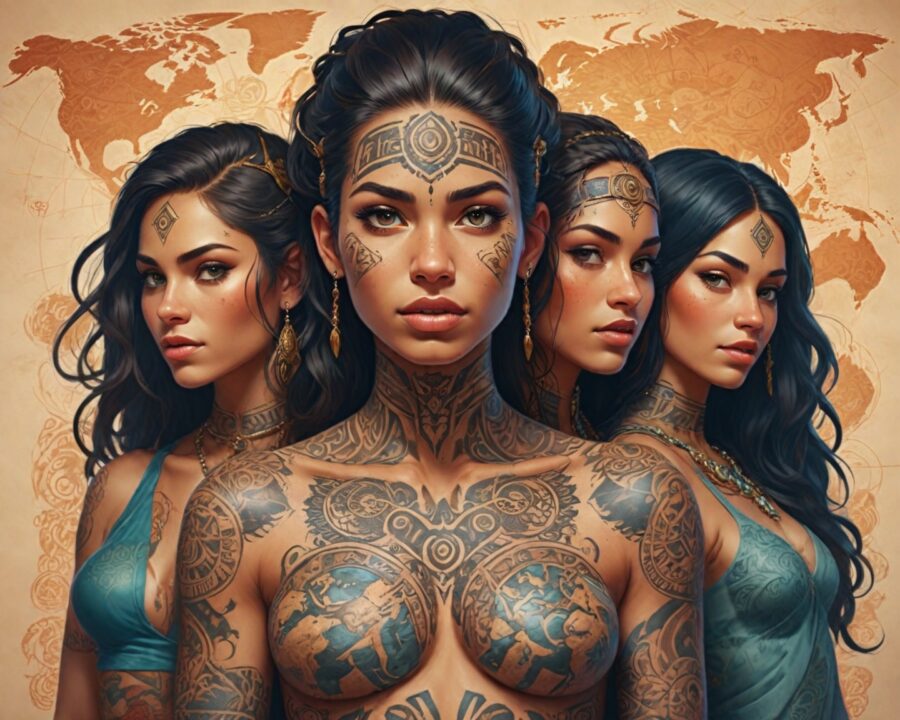
Tattoos, as a form of cultural expression, are as ancient as humanity itself. From the intricate patterns of the Maori to the symbolic designs of Celtic tribes, tattoos have served as a powerful medium to convey narratives of heritage, honor, and identity across civilizations. In modern times, as the world becomes more interconnected, there’s a renewed appreciation and awareness of the cultural and historical significance embedded in these permanent artworks. Today, people use tattoos not only as a form of personal expression but also as a vehicle to reconnect with their roots and celebrate their cultural backgrounds. This article delves into the multifaceted roles that tattoos play in expressing cultural identity and preserving heritage, exploring their past and present significance, while providing insights into ethical and practical considerations for those seeking culturally meaningful tattoos.
The role of tattoos in cultural expression is deeply rooted in history and spans across continents and centuries. These inked symbols have not only been a means of artistic expression but also a form of language that communicates complex cultural narratives. As we explore the historical significance of tattoos in various cultures, the unique symbolism behind traditional designs, and how these art forms help preserve cultural heritage, it becomes evident that cultural tattoos are an essential part of human history.
Introduction to Tattoos as Cultural Expression
Tattoos have long been a vehicle for cultural expression, serving as an art form that conveys history, traditions, and identities. This rich lineage of body art can be traced back thousands of years, with evidence of tattooing found on mummies and prehistoric remains. Each dot, line, and intricate pattern tells a story deeply embedded in the cultural narratives of communities across the globe.
Traditionally, tattoos were a marker of status, rites of passage, or allegiance to a particular group. They served practical purposes in some societies, such as conveying spiritual protection or denoting achievements. In others, they filled symbolic roles, acting as a canvas for storytelling. These practices highlight the cultural significance of tattoos far beyond mere decoration. The meanings and purposes of tattoos varied greatly, reflecting the diverse values and beliefs of the cultures they sprang from.
Today, cultural tattoos continue to play an important part in expressing one’s identity and heritage. As the global relationship with body art evolves, tattoos remain a unique and personal way to celebrate our roots, connect with our ancestry, and engage in dialogues about multiculturalism. In a world where identities can often feel fragmented or diluted, tattoos offer a tangible connection to personal and collective pasts, reinforcing cultural pride and continuity.
Historical Significance of Tattoos in Various Cultures
Historically, tattoos have held varying degrees of significance and purpose across different cultures worldwide. From the ancient Egyptians to the tribes of Polynesia and the indigenous peoples of North America, tattoos have served as a striking narrative tool reflecting both personal and collective history.
In ancient Egypt, tattoos were primarily seen on women, signifying fertility and rejuvenation roles within society. These early tattoos were believed to provide protection during childbirth, a sacred moment in Egyptian culture. Similarly, in Asia, specifically in Taiwan and the Philippines, indigenous people used tattoos as a rite of passage. In Japan, the elaborate Irezumi tattoos emerged, showcasing stunning artistry and portraying myths and personalities central to Japanese heritage.
Meanwhile, the intricate moko of the Maori people of New Zealand is another important illustration of tattoos’ historical significance. These detailed facial tattoos carry profound cultural meanings, used to convey the individual’s genealogy, social status, and even their tribe’s traditions. Polynesian cultures, too, harbor rich tattoo traditions, using these markings as symbols of one’s journey through life and relationship to the community.
These examples illustrate how tattoos historically offer insights into a culture’s priorities and beliefs. Whether used as marks of status, courage, spirituality, or social belonging, tattoos were deeply interwoven into the fabric of historical societies, making them indispensable to understanding cultural evolution.
Symbolism Behind Traditional Tattoo Designs
The symbolism behind traditional tattoo designs is as varied as the cultures they come from. Each symbol, pattern, or motif is inherently linked to a cultural tale, myth, or belief system that gives it unique meaning. Exploring these designs provides insights into the values, fears, and aspirations of different communities.
For instance, in Celtic cultures, knotwork tattoos are not just intricate patterns; they symbolize the interconnectedness of life, eternity, and the complex nature of life’s journey. Animals, like the phoenix, featured heavily in Celtic artwork, symbolizing transformation and renewal. Meanwhile, in Japan, dragon tattoos are revered for their protective attributes, with the dragon symbolizing strength, wisdom, and good fortune.
Polynesian tattoos often include intricate patterns such as the Marquesan cross, which signifies the balance between elements and harmony. Other common symbols include ocean waves (representing change and continuity), sharks (embodying protection), and tiki figures (guardians against evil spirits). These designs are deeply personal and are often used to tell one’s life story.
Understanding the symbolism behind these designs is essential for anyone considering a cultural tattoo. Not only do these symbols serve as beautiful art, but they also act as signifiers of identity, embodying personal and cultural narratives that have depth and meaning beyond the surface.
How Tattoos Preserve Cultural Heritage
Tattoos serve as preservers of cultural heritage, acting as living histories that withstand the test of time. In relation to cultural identity, tattoos have been an essential tool for indigenous communities battling the erosion of traditional customs due to colonization and globalization. By maintaining tattoo traditions, these communities keep their history and identity alive for future generations.
Through the practice of tattooing, stories, myths, and ancestral customs are preserved and passed down to the younger generation. This is evident in various tribal societies where tattoos are part of coming-of-age ceremonies, helping individuals gain a deeper understanding and identification with their heritage. The practice maintains a sense of continuity and belonging, ensuring that cultural narratives remain vivid even as traditional verbal transmission methods might fade.
Significantly, the resurgence of interest in cultural tattoos among people of various heritages seeking to reconnect with their roots is one way tattoos are preserving cultural heritage. This use of tattoos not only maintains ancient designs and sacred symbols but also reinvigorates cultural pride and awareness within a globalized world. These tattoos become a conversation starter, spreading awareness of cultural stories that might otherwise remain hidden or forgotten.
Modern Interpretations of Cultural Tattoos
As cultural tattoos find their place within modern contexts, tattoo artists and enthusiasts are reinterpreting traditional designs to reflect contemporary ideas. These modern interpretations honor ancient practices while adapting them to fit present-day aesthetics and individual narratives. The blend of old and new results in tattoos that are rich in symbolism but also personal in meaning.
In contemporary tattoo practices, traditional designs are often mixed with modern styles such as neo-traditional, illustrative, or realism. Artists might take Celtic knots, add watercolor effects, or create Maori patterns using fine line techniques. These modifications do not detract from the cultural significance of the designs; rather, they express individual creativity and ensure that these ancient symbols remain relevant.
There has also been a rise in people seeking tattoos that represent multiple heritages, resulting in designs that weave together motifs from different cultures. These hybrid tattoos celebrate diversity and multiculturalism, illustrating how cultural narratives can harmoniously coexist and evolve.
Despite these innovations, maintaining respect for the origins and meanings of cultural tattoo elements remains crucial. This interplay between tradition and innovation showcases how cultural tattoos can continue to tell meaningful stories that resonate with both the past and present while encouraging cross-cultural exchange.
Common Misconceptions About Cultural Tattoos
Although cultural tattoos are gaining popularity and awareness, several misconceptions persist. These misunderstandings can lead to appropriation and unintentionally disrespectful representations of cultural symbols. Addressing these misconceptions is vital in maintaining the respect and understanding necessary for a culturally rich tattooing practice.
One widespread misconception is that cultural tattoos lack individuality or personal meaning. In reality, cultural tattoos can be highly personalized. By working closely with an experienced artist who understands the cultural context, individuals can create tattoos that reflect their unique identity while honoring traditional symbols.
Another common assumption is that cultural tattoos are solely reserved for people directly tied to that heritage. While respect and understanding of the culture are crucial, it is essential to recognize the global, interconnected community in which we live today. Cultural exchange, when approached with respect and sensitivity, can honor traditions and bring broader recognition and appreciation to different cultures.
Lastly, there is a misunderstanding that cultural tattoos are merely trends. Although certain designs might experience increased popularity, cultural tattoos have deep-rooted significance and enduring presence. They are not a fleeting fashion statement but a representation of history, identity, and ancestral pride.
The Role of Tattoos in Identity and Belonging
Tattoos play an essential role in individual identity and communal belonging, especially for those seeking to express their cultural heritage. As a visible and permanent form of art, tattoos help communicate stories of origins and personal journeys, acting as a bridge connecting people to their cultural roots.
Beyond the personal, tattoos foster a sense of belonging for members of cultural or community groups. Sharing similar designs or symbols can create bonds, camaraderies, and collective identity among people. For example, members of indigenous communities may share specific patterns recognizing their connections, reinforcing bonds within tribes or cultural societies.
In a multicultural world, tattoos also act as a way for people to explore their diverse heritages, revealing facets of their identity that might otherwise remain unspoken. For those separated from their origins by adoption, migration, or other factors, cultural tattoos provide a tangible way of reconnecting with their past, affirming their place in the world, and establishing a unique sense of self.
Ethical Considerations in Cultural Tattooing
Ethical considerations play a crucial role in cultural tattooing. Given the sensitive nature of using traditional designs, it is vital to approach cultural tattoos with respect and understanding to avoid cultural appropriation. Appreciating the rich history and meaning behind these symbols ensures that their significance is honored.
Engagement with the culture in question should be pursued where possible. This includes consulting knowledgeable community members or engaging with artists from those cultural backgrounds. Doing so not only ensures accuracy in design but supports the continuity of their unique artistic traditions.
It’s important to recognize the power dynamics at play. Cultures that have been historically marginalized or oppressed must have their voices respected in how their symbols are used. Open conversations and informed consent are paramount. Engaging meaningfully means not exploiting or trivializing cultural narratives but appreciating and honoring them appropriately.
Approaching cultural tattooing ethically not only demonstrates respect for the culture but also enriches the experience for the individual, creating a more meaningful and authentic connection to the tattoo’s origins.
Practical Tips for Choosing a Culturally Meaningful Tattoo
Choosing a culturally meaningful tattoo involves both introspection and research. To ensure that the tattoo resonates genuinely with your identity and respects cultural origins, several practical steps can be taken:
-
Research the Culture and Design: Understand the history and significance of the symbols you are considering. Look into how and why these designs are traditionally used and what they represent in the cultural context.
-
Consult with Knowledgeable Sources: Speak with cultural experts, artists, and members of the community who have first-hand knowledge of the traditions. This will help ensure authenticity and deepen your understanding of the symbol’s meaning.
-
Collaborate with the Right Artist: Choose an artist who has experience and a keen understanding of the cultural art form you wish to get tattooed. Their expertise will be invaluable in maintaining both the integrity and aesthetic of the design.
-
Consider Placement Thoughtfully: The location of the tattoo on your body can add layers of meaning, so it’s worth considering where it fits best compared to traditional placements.
-
Reflect on Personal Significance: Think about why you want this specific design from a personal perspective—make sure it aligns with your values, identity, and personal story.
By following these tips, the process of selecting a culturally meaningful tattoo can be both educational and deeply personal, ensuring that the final piece does justice to its rich cultural heritage.
Future Trends in Cultural Tattooing and Expression
The future of cultural tattooing promises exciting developments as global interest in this art form continues to grow. Technological advancements and evolving cultural dynamics push the boundaries of how traditional tattoo designs are used and shared worldwide.
One significant trend is the incorporation of technology, such as augmented reality, which can further enhance how tattoos are experienced. This offers exciting possibilities for animated tattoos that reflect cultural symbols in unique, dynamic ways.
The influence of climate change and socio-political movements on art is also beginning to emerge in cultural tattoos. Many are choosing to tattoo symbols that represent ecological preservation or political unity found in their ancestral motifs, producing tattoos with contemporary cultural significance.
As cultural exchange continues, there’s an ever-growing blend of intercultural designs which will bring about fusion styles. Such evolutions are filled with potential for creating new symbolic languages, maintaining sensitivity, and honoring the origins’ richness.
The future of cultural tattoos is as vibrant and diverse as the people who wear them, reflecting an interplay between tradition and modernity, personal and collective narrative, ultimately leading toward a more inclusive appreciation of cultural art forms.
FAQ Section
How do tattoos express cultural identity?
Tattoos express cultural identity by acting as visual stories that represent a person’s heritage, beliefs, and connection to their cultural background. They encompass symbols and designs that carry meanings deeply rooted in cultural narratives, helping individuals communicate their identity and belonging.
Are cultural tattoos only for people from that heritage?
While cultural tattoos originate from specific heritages, anyone can appreciate them, provided they approach them with respect and understanding. It’s crucial to engage with cultural representatives to ensure the designs are used appropriately, thus avoiding cultural appropriation.
What are some common cultural tattoo designs?
Common cultural tattoo designs include Maori Kirituhi and moko, Celtic knotwork, Japanese Irezumi, Polynesian geometric patterns, and Native American symbols. Each design is rich with meaning and connected to the respective culture’s beliefs, history, and traditions.
Can modern tattoos still preserve cultural heritage?
Yes, modern tattoos can still preserve cultural heritage by adapting traditional symbols to contemporary aesthetics. This ensures that cultural narratives remain relevant and can be shared with a wider audience, fostering a deeper cultural appreciation.
Is it disrespectful to get a cultural tattoo?
It can be disrespectful if done carelessly. It’s essential to approach cultural tattoos with knowledge and respect, understanding the significance of the symbols and consulting with appropriate representatives to ensure it honors rather than exploits the culture.
What should I consider when getting a cultural tattoo?
When getting a cultural tattoo, consider the significance of the chosen design, its cultural roots, and consult sources from that culture. Choose an artist with experience in the specific style and reflect on the personal connection you have with the design.
How are technological advancements influencing cultural tattoos?
Technological advancements are influencing cultural tattoos by enabling new experiential forms like augmented reality tattoos and interactive designs. These innovations can add dynamic layers to tattoos, broadening how cultural narratives are told in modern contexts.
Recap
- Tattoos serve as a powerful medium for cultural expression, preserving history, identity, and heritage across different societies.
- Throughout history, tattoos have held varying significance, conveying statuses, beliefs, and customs intricately tied to distinct cultures.
- Traditional tattoo designs carry profound symbolic meanings, serving as beautiful art while embodying personal and cultural narratives.
- As more people seek to inherit their cultural lineage through tattoos, there’s growing awareness of avoiding cultural appropriation.
- The future of cultural tattooing is promising, reflecting a vibrant tapestry of tradition and innovation that continues to unfold dynamically.
Conclusion
In conclusion, cultural tattoos are far more than mere decorations; they are profound expressions of identity, heritage, and belonging. Far-reaching in their historical and contemporary significance, cultural tattoos serve as a link between individual identities and broader cultural narratives. Each symbol etched into the skin embodies a story of ancestry, personal growth, and community affiliation.
As we embrace this art form, ethical considerations become paramount, emphasizing the significance of respect, understanding, and collaboration. Engaging with traditional designs requires a thoughtful approach that honors cultural roots while allowing for personal reinterpretation. By doing so, the art of tattooing can truly shine as a celebration of multiculturalism, respect, and storytelling.
The journey of cultural tattooing continues with evolving trends and technological advancements, allowing us to explore new dimensions of expression. Whether it be through augmented visuals or the blending of diverse symbols, cultural tattoos will remain an ever-relevant canvas for sharing histories and connecting communities worldwide. As individuals and artists collaborate to honor traditions and innovate upon them, cultural tattoos will continue to flourish as a meaningful and enduring tribute to heritage in the modern age.