
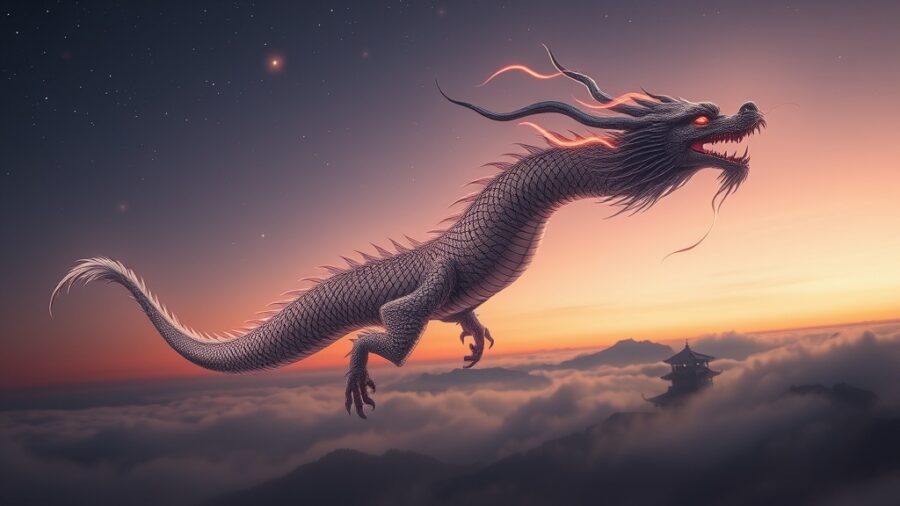
Understanding Chinese Mythology and Celestial Beings
Chinese mythology is a rich tapestry of stories and beliefs that have evolved over thousands of years, deeply intertwined with the culture and traditions of China. At its heart lies a vibrant array of celestial beings, or deities, who play crucial roles in the myths and legends that shape the understanding of the universe. This article aims to explore the fascinating world of Chinese mythology celestial beings, delving into their significance, characteristics, and the profound impact they have had on Chinese culture.
The origins of Chinese mythology can be traced back to ancient times when oral traditions were passed down through generations. These stories reflect the values, beliefs, and aspirations of the Chinese people, often personifying natural elements and cosmic forces through celestial beings. From the majestic Jade Emperor to the benevolent Guanyin, these figures embody various virtues and powers, serving as symbols of hope, guidance, and protection.
Throughout this article, we will uncover the roles that these celestial beings play in mythology, analyze their unique attributes, and explore how they have influenced various aspects of Chinese culture, including art, literature, and festivals. By the end of our journey, readers will gain a deeper appreciation of the intricate and multifaceted nature of Chinese mythology and the celestial beings that inhabit it.
The Role of Celestial Beings in Chinese Mythology
Celestial beings occupy a central position in Chinese mythology, acting as intermediaries between the divine and the mortal realms. They are often depicted as powerful and wise, possessing abilities that allow them to influence the fate of humanity. Their roles can be broadly categorized into several key areas:
1. Guardians and Protectors
Many celestial beings are regarded as protectors of humanity, safeguarding people from malevolent spirits and misfortune. For instance, the Earth God, known as “Sheji,” is revered as the protector of the land and agriculture. Communities hold rituals to honor him, seeking his blessings for bountiful harvests and protection from natural disasters.
2. Guides and Mentors
Celestial beings often serve as guides for humans on their spiritual journeys. The figure of Guanyin, the Goddess of Mercy, exemplifies this role. She is known for her compassion and willingness to assist those in need. Many devotees pray for her guidance in difficult times, believing that she can provide them with clarity and support.
These roles highlight the significance of celestial beings as not only powerful figures but also as sources of comfort and wisdom for the people of China. Their presence in myths reinforces social values and moral lessons, emphasizing the importance of virtue, bravery, and integrity.
Key Celestial Beings in Chinese Mythology
The pantheon of Chinese celestial beings is vast and diverse, with each figure representing unique attributes and powers. Some of the most noteworthy celestial beings include:
1. The Jade Emperor
Regarded as the supreme deity in Chinese mythology, the Jade Emperor (Yuhuang Dadi) governs the heavens and oversees all deities. Traditionally celebrated during the Lunar New Year, he symbolizes authority and justice. His court is filled with various deities who manage different aspects of life, from agriculture to health.
2. The Dragon King
The Dragon King (Long Wang), revered as the ruler of water and weather, holds significant importance in agricultural societies. He is often invoked during droughts to bring rain and prosperity. Temples dedicated to the Dragon King are found throughout China, where rituals are performed to honor him and seek his favor.
These celestial beings not only represent divine authority but also embody natural forces and societal values. Their stories often reflect the challenges faced by people, offering lessons and moral guidance that resonate even today.
Symbolism and Attributes of Celestial Beings
Understanding the symbolism and attributes of celestial beings in Chinese mythology provides insight into their roles and significance. Each being is often associated with specific elements, virtues, and cultural meanings.
1. Elemental Associations
Many celestial beings are linked to the five elements of Chinese philosophy: wood, fire, earth, metal, and water. For example, the Dragon is associated with water and is considered a harbinger of rain and fertility. This elemental connection deepens the understanding of their powers and the influence they exert over the natural world.
2. Virtues and Moral Lessons
Celestial beings often embody specific virtues such as wisdom, compassion, and courage. The figure of Wenchang Wang, the God of Literature, represents intelligence and scholarly pursuits. His worship is particularly prominent among students seeking success in examinations. The stories surrounding these beings are rich with moral lessons, emphasizing the importance of virtuous behavior and the pursuit of knowledge.
| Celestial Being | Element | Virtue |
|---|---|---|
| Jade Emperor | Metal | Authority |
| Dragon King | Water | Fertility |
| Guanyin | Wood | Compassion |
| Wenchang Wang | Earth | Wisdom |
Influence of Celestial Beings on Chinese Culture
The influence of celestial beings extends far beyond mythology, permeating various aspects of Chinese culture. From art and literature to festivals and daily life, the legacy of these deities continues to shape societal norms and practices.
1. Celebrations and Festivals
Chinese festivals often incorporate themes related to celestial beings. The Mid-Autumn Festival, for example, is celebrated in honor of Chang’e, the Moon Goddess. People gather to admire the moon, share mooncakes, and recount stories about her journey to the moon. This celebration highlights the connection between celestial beings and the cyclical nature of life.
2. Artistic Expressions
Art and literature throughout Chinese history have been heavily influenced by celestial beings. Traditional Chinese paintings often depict these figures in elaborate scenes, showcasing their beauty and grandeur. Additionally, classical literature, such as the Investiture of the Gods, features numerous celestial beings, exploring their adventures and interactions with humans.
Through these cultural expressions, celestial beings not only serve as artistic subjects but also as symbols of the values and beliefs of Chinese society, reinforcing the connection between the divine and the mundane.
Conclusion and Key Takeaways
In conclusion, the exploration of Chinese mythology celestial beings reveals a complex and fascinating world that reflects the cultural heritage of China. These celestial figures serve crucial roles as guardians, guides, and moral compasses, embodying the values and aspirations of the Chinese people.
As we have seen, the symbolism and attributes of celestial beings provide insight into their significance in mythology and their enduring impact on Chinese culture. From vibrant festivals to artistic expressions, the legacy of these beings continues to thrive in contemporary society.
Ultimately, understanding the roles and representations of celestial beings in Chinese mythology enhances our appreciation of the rich tapestry of beliefs that shape human experiences across cultures. Their stories inspire and teach valuable lessons that transcend time and geography.
Frequently Asked Questions
1. What are celestial beings in Chinese mythology?
Celestial beings in Chinese mythology are divine entities that represent various aspects of nature, virtues, and cosmic forces. They play significant roles as guardians, guides, and symbols of moral lessons in myths and legends.
2. Who is the most important celestial being in Chinese mythology?
The Jade Emperor is considered the most important celestial being in Chinese mythology. He is the supreme deity governing the heavens and overseeing all other deities, embodying authority and justice.
3. How do celestial beings influence Chinese festivals?
Celestial beings influence Chinese festivals by providing themes and narratives that celebrate their stories and virtues. For example, the Mid-Autumn Festival honors Chang’e, the Moon Goddess, through moon-gazing and storytelling.
4. What virtues do celestial beings represent?
Celestial beings represent various virtues such as wisdom, compassion, authority, and fertility. These virtues are often embodied in the stories and teachings associated with each deity, offering moral guidance to followers.
5. How are celestial beings represented in Chinese art?
Celestial beings are frequently depicted in traditional Chinese art, showcasing their beauty and grandeur. They appear in paintings, sculptures, and literature, reflecting their importance in cultural expressions and storytelling.
Recap
- Chinese mythology features a rich array of celestial beings with diverse roles.
- Celestial beings serve as guardians, guides, and symbols of moral values.
- The Jade Emperor is regarded as the supreme deity in this mythology.
- Festivals like the Mid-Autumn Festival celebrate celestial beings and their stories.
- Art and literature have been profoundly influenced by the narratives surrounding these beings.
- Understanding these figures enhances appreciation for Chinese cultural heritage.
- Celestial beings embody virtues that provide moral guidance for society.
- The legacy of celestial beings continues to thrive in contemporary Chinese culture.