
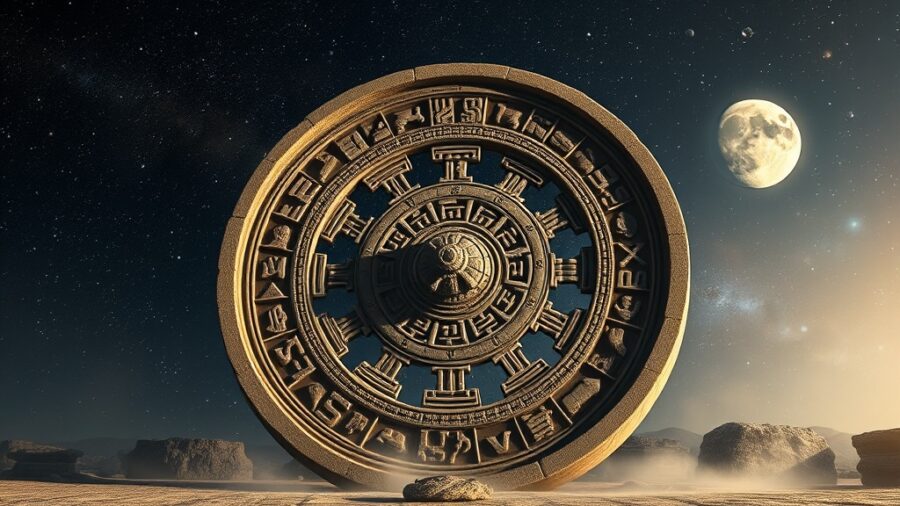
Mayan Mythology Calendar Cosmos: An In-Depth Exploration
The intricate world of Mayan mythology and its calendar system offers a captivating insight into the ancient civilization’s understanding of the cosmos. The Mayans, known for their advanced astronomical skills and intricate calendars, developed a rich tapestry of beliefs that intertwined their daily lives with cosmic events. In this article, we will delve into the complexities of the Mayan mythology calendar cosmos, exploring how these elements shaped their culture, religion, and understanding of time.
As we embark on this journey, you will learn about the fundamental structure of the Mayan calendar, the pivotal role of the cosmos in their belief systems, and the key deities that influenced their mythology. Additionally, we will investigate how significant cosmic events were interpreted through the lens of the Mayan calendar, providing a unique perspective on their worldview.
By the end of this article, you will have a comprehensive understanding of the Mayan calendar’s significance, its connection to cosmic cycles, and how these elements continue to influence modern interpretations of ancient Mayan culture. Prepare to uncover the mysteries that lie within the Mayan mythology calendar cosmos.
Introduction to Mayan Mythology and the Calendar
Understanding Mayan Mythology
Mayan mythology encompasses a rich collection of stories, beliefs, and rituals that reflect the civilization’s understanding of the universe. The Mayans believed in a pantheon of gods, each governing different aspects of life and nature. These deities were not only central to their religious practices but also played a crucial role in their agricultural cycles, which were deeply tied to celestial events.
The mythology is filled with narratives that explain the creation of the world, the origins of humans, and the cycles of life and death. For instance, the Popol Vuh, a sacred text of the K’iche’ Maya, narrates the creation of the world and the hero twins’ adventures, illustrating the Mayan belief in duality and balance. This connection to mythology is reflected in their calendar system, which was not merely a way to track time but a profound representation of their cosmological beliefs.
The Importance of the Mayan Calendar
The Mayan calendar is a complex system that includes multiple interlocking cycles, primarily the Tzolk’in (260 days) and the Haab’ (365 days). The Tzolk’in is used for ceremonial purposes, while the Haab’ is aligned with the solar year. This dual calendar structure demonstrates the Mayans’ sophisticated understanding of time and its cyclical nature.
The calendar was essential for agriculture, guiding planting and harvesting seasons, and for religious ceremonies, marking important festivals and rituals. The Mayans believed that time was not linear but cyclical, with each cycle influencing the next. This view of time is a fundamental aspect of their mythology and reflects their broader understanding of the universe as a dynamic and interconnected system.
The Structure of the Mayan Calendar
Components of the Mayan Calendar
The Mayan calendar comprises several components, the most notable being the Tzolk’in and Haab’. The Tzolk’in consists of 13 numbers combined with 20 named days, creating a cycle of 260 unique days. Each day is associated with specific energies, influencing human behavior and natural events. For example, Day 1 is associated with the energy of initiation, while Day 13 symbolizes completion.
The Haab’, on the other hand, consists of 18 months of 20 days each, followed by a short month of 5 days called “Wayeb.” This structure totals 365 days, aligning closely with the solar year. The Haab’ months include names such as Pop, Wo, and Sip, each linked to agricultural and ceremonial activities. Together, these two calendars create a complex system that reflects the Mayans’ intricate understanding of time and its cycles.
The Long Count Calendar
In addition to the Tzolk’in and Haab’, the Mayans utilized the Long Count calendar to track longer periods of time. This system is based on a cyclical structure that counts days from a mythological starting point, known as the “Creation Date,” which corresponds to August 11, 3114 BCE in the Gregorian calendar. The Long Count consists of several units: baktun (144,000 days), katun (7,200 days), tun (360 days), uinal (20 days), and k’in (1 day).
The Long Count was significant for historical events, allowing the Mayans to document their history and the cosmic cycles influencing their society. For instance, the end of the 13th baktun on December 21, 2012, was widely interpreted as a significant cosmic event, sparking discussions about the Mayan prophecy regarding the end of the world, which was a misinterpretation of their beliefs.
The Role of the Cosmos in Mayan Beliefs
Celestial Bodies and Their Influence
The Mayans had a profound connection to the cosmos, viewing celestial bodies as powerful entities that influenced life on Earth. The sun, moon, planets, and stars were central to their cosmology, each representing various deities and forces. For example, the sun was associated with the god Kinich Ahau, who was believed to provide warmth and light, essential for agriculture and sustenance.
The phases of the moon also played a critical role in agricultural practices and ceremonial life. The Mayans observed lunar cycles to determine the best times for planting and harvesting, as well as for conducting rituals. The synchronization of their calendar with celestial events exemplifies their belief in the interconnectedness of the cosmos and earthly life.
Cosmic Events and Their Significance
Significant cosmic events, such as solar and lunar eclipses, were meticulously observed by the Mayans. These events were often interpreted as omens or messages from the gods, influencing decisions made by rulers and communities. The Mayans created detailed records of these occurrences, using them to predict future events and guide their actions.
For instance, a solar eclipse might have been seen as a sign of impending change, prompting the need for specific rituals to appease the gods. The careful tracking of these cosmic phenomena highlights the Mayans’ advanced understanding of astronomy and their belief in a cosmos deeply intertwined with their daily lives.
Key Deities in Mayan Mythology
The Pantheon of Mayan Gods
The Mayan pantheon consists of numerous deities, each with distinct roles and attributes. Key gods include Itzamna, the creator god associated with wisdom and the sky; Kukulkan, the feathered serpent god linked to wind and storms; and Xibalba, the underworld god representing death and the afterlife. These deities were central to Mayan mythology, influencing their rituals and daily practices.
Each deity’s characteristics and stories reflect the Mayans’ understanding of the world around them. For example, Itzamna was often depicted as a benevolent figure, symbolizing the creation and order of the universe, while Kukulkan embodied the duality of creation and destruction. The narratives surrounding these gods were shared through oral traditions and later inscribed in codices, preserving their significance for future generations.
Rituals and Offerings to the Gods
Rituals and offerings were integral to Mayan religious practices, aimed at appeasing the gods and ensuring harmony within the cosmos. Offerings often included food, incense, and even human sacrifices, depending on the context and the deity being honored. For instance, rituals dedicated to Chaac, the rain god, involved offerings to invoke rain for agricultural success.
The timing of these rituals was carefully aligned with the Mayan calendar, ensuring that ceremonies coincided with significant cosmic events. This synchronization exemplifies the Mayans’ belief in the interconnectedness of their actions, the cosmos, and the divine. The importance of these rituals is reflected in archaeological findings, such as altars and ceremonial sites that reveal the depth of their religious practices.
Mayan Calendar and Cosmic Events
Alignments and Predictions
The Mayan calendar was not merely a tool for tracking time; it was a sophisticated system that allowed the Mayans to predict cosmic events and their implications. By observing celestial patterns, they could align their agricultural activities and religious ceremonies with significant cosmic occurrences, such as solstices and equinoxes.
For example, the Winter Solstice, marking the shortest day of the year, was a time of renewal and reflection. The Mayans celebrated this event with rituals aimed at honoring the sun’s return and ensuring a successful agricultural cycle. The precision with which they calculated these dates demonstrates their advanced astronomical knowledge and deep connection to the cosmos.
Cosmic Cycles and Their Impact
The cyclical nature of time in Mayan culture is reflected in their understanding of cosmic cycles, which they believed influenced human life and the natural world. These cycles included the movements of the planets, particularly Venus, which was associated with warfare and agricultural cycles. The Mayans tracked the synodic period of Venus, approximately 584 days, and used this information to guide their societal actions.
Understanding these cosmic cycles allowed the Mayans to navigate the complexities of their world, reinforcing their belief in the interconnectedness of all things. This perspective is evident in their mythology, where the cosmos serves as a backdrop for the unfolding of human history and the divine will of the gods.
Understanding Time Cycles in Mayan Culture
Concepts of Time in Mayan Society
Time in Mayan culture was seen as cyclical, rather than linear. The Mayans believed that history repeats itself through various cycles, influencing their understanding of fate and destiny. This view is starkly different from Western perceptions of time, which often emphasize progress and linearity.
The cyclical nature of time is evident in their rituals, calendar systems, and agricultural practices. The Mayans aligned their lives with these cycles, understanding that every end heralds a new beginning. For instance, the completion of one cycle in the Long Count calendar was believed to signify the emergence of new energies, prompting communities to celebrate and reflect on their collective history.
Implications for Daily Life and Society
The Mayan understanding of time had profound implications for daily life and societal organization. Leaders and priests played crucial roles in interpreting the calendar and its cycles, guiding the community in decision-making processes. The synchronization of agricultural activities with the calendar ensured food security and stability, essential for the thriving of their civilization.
Furthermore, the calendar’s influence extended to social hierarchies and power dynamics, with rulers often claiming divine authority based on their ability to interpret cosmic events. This connection between time, power, and spirituality illustrates the intricate web of beliefs that defined Mayan society.
Conclusion and Summary of Findings
The exploration of the Mayan mythology calendar cosmos reveals a civilization that possessed an extraordinary understanding of time, the cosmos, and the divine. The Mayans intricately wove their calendar systems with their beliefs, allowing them to navigate their world with precision and purpose. Their mythology is rich with narratives that reflect their values, cosmological views, and the vital role of celestial events in shaping their daily lives.
From the dual calendar systems of the Tzolk’in and Haab’ to the significant influence of cosmic events, the Mayans demonstrated a profound connection to the cycles of life and the universe. Their pantheon of deities, rituals, and the cyclical understanding of time exemplify a culture deeply rooted in spirituality and cosmic awareness. Understanding these elements not only sheds light on the Mayans’ past but also offers valuable insights into how ancient civilizations interpreted their place in the cosmos.
Frequently Asked Questions
What is the significance of the Mayan calendar?
The Mayan calendar is significant as it reflects the civilization’s advanced understanding of time, astronomy, and agriculture. It consists of multiple cycles that guide their daily lives, rituals, and agricultural activities, emphasizing the interconnectedness of cosmic events and earthly existence.
How did the Mayans view celestial bodies?
The Mayans viewed celestial bodies as powerful entities influencing their lives. Each planet and star was associated with specific deities and energies that guided agricultural practices, rituals, and societal decisions, highlighting their deep connection to the cosmos.
What role did mythology play in Mayan culture?
Mythology played a central role in Mayan culture by providing narratives that explained creation, human existence, and the natural world. These stories were integral to their religious practices and influenced their understanding of time, cosmology, and societal organization.
How did the Mayans track cosmic events?
The Mayans meticulously observed and recorded cosmic events, such as eclipses and planetary movements, using them to predict future occurrences and guide their actions. Their advanced astronomical knowledge allowed them to align their calendar with these events for agricultural and ceremonial purposes.
What are the key deities in Mayan mythology?
Key deities in Mayan mythology include Itzamna (the creator god), Kukulkan (the feathered serpent god), and Xibalba (the underworld god). Each deity represents different aspects of life, nature, and the cosmos, influencing rituals and societal practices.
Recap
- The Mayan calendar is a complex system comprising the Tzolk’in and Haab’ cycles.
- Mayan mythology is rich with narratives that reflect their beliefs and cosmological views.
- Celestial bodies played a crucial role in guiding agricultural practices and rituals.
- The Long Count calendar allowed the Mayans to track historical events over longer periods.
- Understanding time as cyclical influenced social organization and decision-making.
- Key deities shaped the Mayan worldview and were central to their religious practices.
- The Mayans’ advanced astronomical knowledge enabled precise predictions of cosmic events.
- Mayan mythology and calendar systems continue to influence modern interpretations of their culture.