
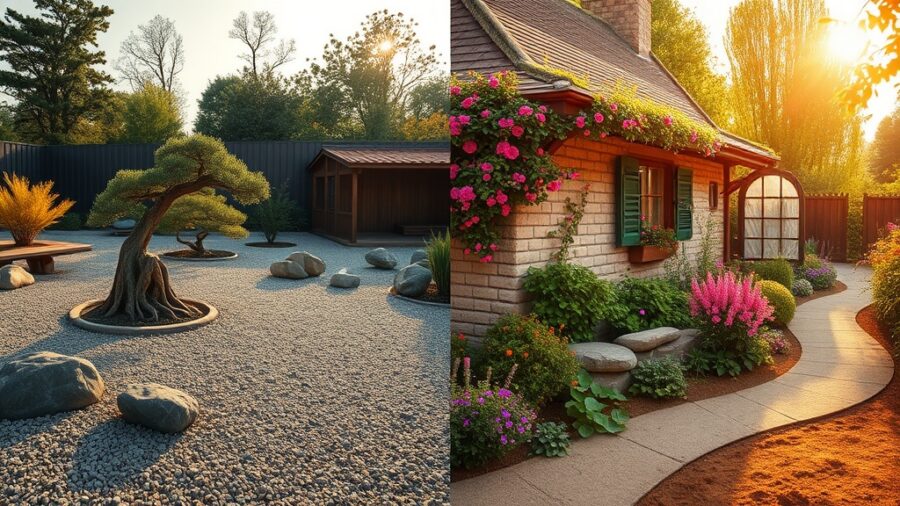
Introduction to Cultural Landscape Gardening
Cultural landscape gardening traditions are not merely about planting flowers and maintaining lawns; they encapsulate the essence of a community’s identity, history, and relationship with nature. These traditions reflect the diversity of human experiences and interactions with the environment, showcasing how different cultures have shaped their landscapes over centuries. As we embark on this journey into the world of gardening traditions, we will explore the intricate ways in which culture, history, and environmental factors intertwine to create unique gardening practices across the globe.
In this article, we will delve into the rich tapestry of cultural landscape gardening traditions, examining their historical roots, key elements, and the variations that exist in different regions. Furthermore, we will discuss how these traditions play a vital role in shaping cultural identity and the sustainability issues facing them today. By the end of this exploration, you will have a comprehensive understanding of how gardening practices are not just acts of cultivation but are deeply embedded in the cultural fabric of societies.
Join us as we uncover the fascinating world of cultural landscape gardening traditions, where the beauty of nature meets the rich heritage of human creativity. From ancient practices to modern interpretations, the story of gardening is one of resilience, adaptation, and a profound connection to the land.
Historical Overview of Gardening Traditions
The Birth of Gardening as an Art Form
The origins of gardening can be traced back to ancient civilizations, where it began as a practical endeavor to cultivate food and medicinal plants. The Egyptians, for instance, cultivated gardens as early as 3000 BC, integrating them into their religious practices and daily lives. These early gardens often featured a combination of native plants and cultivated species, reflecting the environment’s biodiversity.
In ancient China, gardening evolved as an art form, with the establishment of classical gardens during the Tang and Song dynasties (618-1279 AD). These gardens were meticulously designed to embody philosophical concepts and natural beauty, often incorporating elements such as water features, rocks, and carefully arranged flora to evoke harmony and tranquility.
Gardening Traditions Across Continents
As civilizations expanded and interacted, gardening traditions evolved and diversified. In Europe, the Renaissance period (14th-17th centuries) marked a significant turning point in gardening aesthetics. The introduction of geometric layouts and symmetrical designs in garden planning reflected the era’s emphasis on order and beauty. Notable examples include the gardens of Versailles in France, which exemplified the grandeur and ambition of royal horticulture.
In contrast, indigenous gardening practices in regions like Africa and the Americas often prioritized sustainability and biodiversity. The use of companion planting, where different plant species are grown together for mutual benefit, is a testament to the deep understanding of ecosystems that many indigenous cultures possess. These practices have been passed down through generations, emphasizing the importance of maintaining balance within natural environments.
Key Elements of Cultural Landscape Gardening
Plants and Materials
At the core of cultural landscape gardening are the plants and materials chosen for cultivation. The selection of flora is often influenced by local climate, soil types, and cultural significance. For instance, in Japanese gardens, the use of cherry blossoms, bamboo, and stones is not only aesthetic but also symbolic, representing the transient nature of life and the beauty of imperfection.
Moreover, the materials used in landscaping, such as stone, wood, and clay, often reflect local resources and traditional craftsmanship. For example, the use of adobe in Southwestern American gardens is a direct result of the region’s environmental conditions and cultural heritage.
Design Principles and Aesthetic Values
The design principles underlying cultural landscape gardening traditions vary widely but often share common themes. Key principles include the integration of natural features, balance and symmetry, and the creation of focal points. In many Asian gardens, for instance, the concept of “borrowed scenery” is employed, where the surrounding landscape is incorporated into the garden design, creating a seamless connection between the cultivated space and the natural world.
Aesthetically, cultural gardens often reflect the values and beliefs of the cultures they represent. For example, Zen gardens prioritize simplicity and tranquility, encouraging meditation and reflection through minimalist design. In contrast, Mediterranean gardens embrace vibrant colors and diverse textures, celebrating the region’s rich agricultural heritage.
Regional Variations in Gardening Practices
Asian Gardening Traditions
Asian gardening traditions are characterized by their philosophical underpinnings and emphasis on harmony with nature. In China, traditional gardens often incorporate elements from Confucianism, Taoism, and Buddhism, with a focus on achieving balance and serenity. The classical Chinese garden design, with its winding paths, water features, and rock formations, serves as a microcosm of the natural world.
In Japan, the concept of “wabi-sabi,” which embraces imperfection and transience, plays a crucial role in garden design. Japanese gardens utilize carefully pruned trees, meticulously placed rocks, and tranquil water elements to create spaces for meditation and contemplation. The tea garden, or “chaniwa,” is a prime example, designed to facilitate the traditional tea ceremony while promoting a sense of peace and mindfulness.
European Gardening Practices
European gardening practices have evolved significantly over the centuries, influenced by historical events, artistic movements, and cultural exchanges. The Renaissance period brought about a renewed interest in classical ideals, resulting in elaborate formal gardens characterized by symmetry, geometric patterns, and the use of sculptures and fountains.
In contrast, the English cottage garden movement of the 19th century celebrated a more relaxed and informal approach to gardening. These gardens are often filled with a diverse array of plants, herbs, and flowers, reflecting the ideals of self-sufficiency and natural beauty. This shift towards a more eclectic and naturalistic style paved the way for modern gardening practices that prioritize biodiversity and sustainability.
The Role of Gardening in Cultural Identity
Gardening as a Reflection of Heritage
Cultural landscape gardening traditions serve as powerful expressions of heritage and identity. The choice of plants, design elements, and gardening practices often tell stories of a community’s history, values, and relationship with the environment. For instance, the cultivation of native plants in indigenous gardens is not only a means of preserving biodiversity but also a way to honor ancestral knowledge and cultural ties to the land.
In many cultures, gardening practices are intertwined with rituals and celebrations. For example, the practice of planting and harvesting in accordance with lunar cycles is a common tradition among various agricultural societies. These practices reinforce communal bonds and a shared sense of purpose, connecting individuals to their cultural roots.
The Influence of Globalization
As globalization continues to shape societies, the impact on cultural landscape gardening traditions is profound. While globalization has facilitated the exchange of gardening techniques and plant species, it has also posed challenges to traditional practices. The introduction of non-native species can disrupt local ecosystems, leading to a loss of biodiversity and cultural significance.
Conversely, the globalization of gardening has also led to a resurgence of interest in traditional practices. Communities around the world are recognizing the importance of preserving their unique gardening heritage in the face of modern challenges. Initiatives promoting heirloom gardening, permaculture, and sustainable practices are gaining traction as individuals seek to reconnect with their cultural roots.
Sustainability and Future of Gardening Traditions
Challenges in Modern Gardening
The future of cultural landscape gardening traditions is intertwined with the pressing challenges of sustainability and environmental conservation. Urbanization, climate change, and habitat loss pose significant threats to traditional gardening practices. The loss of green spaces in cities has diminished opportunities for community gardening and the cultivation of local flora, leading to a disconnection from cultural heritage.
Moreover, the increasing reliance on chemical fertilizers and pesticides in modern agriculture has raised concerns about the long-term health of ecosystems. These practices often undermine the principles of sustainability that many traditional gardening methods uphold. As a result, there is a growing movement advocating for organic gardening and regenerative practices that prioritize soil health and biodiversity.
Innovative Solutions for the Future
Despite these challenges, innovative solutions are emerging to help preserve and promote cultural landscape gardening traditions. Urban gardening initiatives, such as rooftop gardens and community gardens, are gaining popularity in metropolitan areas, providing opportunities for individuals to reconnect with nature and cultivate their own food sources.
Educational programs aimed at teaching sustainable gardening practices are also on the rise. These initiatives empower individuals to embrace traditional techniques while adapting them to modern contexts, ensuring that cultural landscape gardening traditions continue to thrive for future generations. By fostering a sense of stewardship and responsibility towards the environment, these programs contribute to the sustainability of cultural heritage.
Conclusion
Cultural landscape gardening traditions are a profound reflection of the intricate relationship between humanity and nature. Through the exploration of historical roots, key elements, regional variations, and the impact of globalization, we have gained valuable insights into the significance of gardening practices in shaping cultural identity. As we face the challenges of modernity, the preservation and promotion of these traditions are more crucial than ever.
By embracing sustainable practices and innovative solutions, we can ensure that cultural landscape gardening traditions continue to thrive, enriching our lives and connecting us to our heritage. As stewards of the land, we have the responsibility to honor the past while nurturing the future of gardening.
Frequently Asked Questions about Gardening Traditions
What are cultural landscape gardening traditions?
Cultural landscape gardening traditions encompass the practices, beliefs, and aesthetics associated with gardening as influenced by local culture, history, and environmental factors. These traditions reflect the unique identity of communities and their relationship with nature.
How do gardening practices vary across different cultures?
Gardening practices vary widely across cultures, influenced by climate, soil types, and cultural beliefs. For example, Japanese gardens focus on simplicity and balance, while Mediterranean gardens emphasize vibrant colors and diversity. These variations showcase the rich tapestry of human creativity in gardening.
What role does gardening play in cultural identity?
Gardening plays a significant role in cultural identity by reflecting heritage, values, and local knowledge. The choice of plants and gardening methods often tells stories of a community’s history and connection to the land, reinforcing social bonds and cultural pride.
How can we preserve cultural landscape gardening traditions?
Preserving cultural landscape gardening traditions involves promoting sustainable practices, supporting local biodiversity, and educating communities about traditional techniques. Initiatives such as community gardens and educational programs can help reconnect individuals with their gardening heritage.
What are the challenges facing modern gardening traditions?
Modern gardening traditions face challenges such as urbanization, climate change, and the loss of biodiversity. These issues threaten the sustainability of traditional practices, making it essential to adapt and innovate to preserve cultural heritage.
Recap
- Cultural landscape gardening traditions reflect the identity and history of communities.
- The historical roots of gardening span ancient civilizations, with diverse practices emerging worldwide.
- Key elements include plant selection, materials, and design principles that vary across cultures.
- Gardening practices are vital in shaping cultural identity and community bonds.
- Globalization presents both challenges and opportunities for preserving gardening traditions.
- Sustainability issues are critical for the future of cultural landscape gardening.
- Innovative solutions, such as urban gardening and educational programs, are essential for preservation.
- Understanding and embracing these traditions ensures their continuity for future generations.