
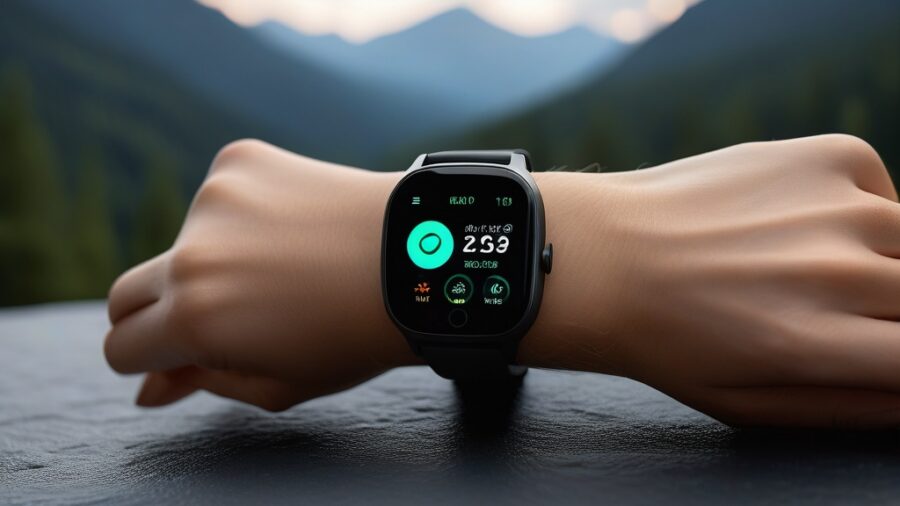
Wearable Technology Health Tracking: Revolutionizing Personal Health
In recent years, wearable technology health tracking has emerged as a powerful tool for monitoring and enhancing individual health. With the proliferation of devices such as smartwatches, fitness bands, and health monitoring patches, consumers now have access to a wealth of information about their physical well-being. This article delves deep into the world of wearable technology, exploring how these devices work, the myriad benefits they offer, and the challenges they face in today’s health landscape.
The evolution of wearable health technology has been remarkable, particularly in the last decade. Wearable devices are no longer just fitness accessories; they have become essential tools that provide real-time data on heart rates, sleep patterns, activity levels, and more. This advancement is not only beneficial for fitness enthusiasts but also for those managing chronic conditions, opening up new avenues for preventive healthcare.
As we navigate through this article, readers will discover the inner workings of wearable technology, the key features that distinguish these devices, and a look at popular products currently on the market. Additionally, we will discuss future trends that may shape the wearable technology landscape, as well as the challenges users and developers face in health tracking.
How Wearable Technology Works
Understanding the Components
Wearable technology operates through a combination of hardware and software that work synergistically to collect and analyze health-related data. Most devices are equipped with sensors that can track various biometrics, such as heart rate, steps taken, calories burned, and sleep quality. These sensors gather data that is then processed by an onboard computer, which can relay the information to a mobile app or cloud service for further analysis.
For example, heart rate monitors use photoplethysmography (PPG) sensors that detect changes in blood volume by shining light through the skin. This non-invasive technique allows for accurate heart rate monitoring during different activities, providing users with an understanding of their cardiovascular health. Additionally, accelerometers measure movement and orientation, which is crucial for tracking physical activity levels.
Data Transmission and Analysis
Once the data is collected, it is transmitted via Bluetooth or Wi-Fi to paired devices, such as smartphones or tablets. Most wearable health trackers come with dedicated apps that allow users to visualize their data, set goals, and receive recommendations based on their performance. This user-friendly interface is essential for maintaining user engagement and facilitating behavioral changes.
Moreover, advanced algorithms analyze the collected data to provide insights and trends. For instance, the integration of machine learning can enhance personalized feedback, allowing users to receive tailored advice based on their unique health metrics. These integrations make wearable health technology an invaluable companion in personal health management.
Benefits of Wearable Health Tracking Devices
Promoting Healthy Lifestyles
The primary benefit of wearable health tracking devices is their ability to promote healthier lifestyles. By providing users with real-time feedback on their physical activity, sleep patterns, and overall health metrics, these devices encourage individuals to make informed decisions about their health. For instance, a wearable device that tracks daily steps can motivate users to reach their fitness goals by providing reminders and rewards for achieving milestones.
Studies have shown that individuals who use wearable devices tend to increase their physical activity levels by an average of 30%. This increase is often attributed to the gamification of fitness, where users compete against themselves or others to achieve better results. Furthermore, wearable technology can help reduce sedentary behavior, which has been linked to various health issues, including obesity and cardiovascular disease.
Chronic Disease Management
Wearable health tracking devices also play a crucial role in managing chronic diseases such as diabetes, hypertension, and heart disease. For example, continuous glucose monitors (CGMs) allow diabetes patients to track their blood sugar levels in real-time, enabling them to make timely adjustments to their diet and medication. This proactive approach to health management can prevent complications and improve quality of life.
Moreover, wearable devices can alert users and healthcare providers to abnormal health metrics, facilitating early intervention. This capability is particularly beneficial for individuals with conditions that require constant monitoring, as it can lead to timely medical responses and better health outcomes.
| Condition | Wearable Technology Application | Benefit |
|---|---|---|
| Diabetes | Continuous Glucose Monitoring | Real-time blood sugar tracking |
| Hypertension | Blood Pressure Monitors | Regular tracking and alerts |
| Heart Disease | Heart Rate Monitors | Monitoring heart rhythms |
Key Features of Health Tracking Wearables
Sensor Technology
The effectiveness of wearable health trackers largely depends on the quality of their sensor technology. Advanced sensors not only improve accuracy but also expand the range of metrics that can be monitored. For instance, devices with electrocardiogram (ECG) capabilities can provide insights into heart health that were previously only available through clinical testing.
Additionally, biometric sensors that measure skin temperature, blood oxygen levels, and even hydration can significantly enhance health tracking. These features enable users to gain a holistic view of their health, making it easier to identify trends and patterns that could indicate potential health issues.
Integration with Other Technologies
Another important feature of modern wearable health tracking devices is their ability to integrate with other technologies. Many devices can sync with smartphones, providing seamless data sharing and access to a wealth of health resources. This integration allows users to leverage additional functionalities, such as telemedicine consultations, diet tracking, and personalized fitness programs.
Moreover, some devices are designed to work with home health technologies, such as smart scales and blood pressure cuffs, creating a comprehensive health management ecosystem. This interconnectedness enhances the user experience and ensures that individuals have all the tools they need to manage their health effectively.
Popular Wearable Health Tracking Devices
Smartwatches
Smartwatches are among the most popular wearable health tracking devices on the market. Brands such as Apple, Garmin, and Fitbit offer models that come equipped with a variety of health monitoring features, including heart rate tracking, GPS, and sleep analysis. The Apple Watch, for example, includes an ECG app that allows users to take an ECG within 30 seconds, providing valuable data to both users and healthcare providers.
Garmin devices are particularly favored by athletes for their advanced performance metrics, while Fitbit models are renowned for their user-friendly interfaces and community challenges that enhance motivation. Each smartwatch caters to different needs, with some focusing on fitness tracking and others emphasizing health monitoring.
Fitness Bands
Fitness bands are another popular category of wearable health trackers that provide essential metrics without the additional features of smartwatches. Devices like the Fitbit Charge and Xiaomi Mi Band offer heart rate monitoring, step tracking, and sleep analysis at a more affordable price point. These bands are often lightweight and designed for comfort, making them suitable for continuous wear.
Many fitness bands also come with smartphone integration, allowing users to receive notifications, track workouts, and analyze their health data through companion apps. With their focus on essential health metrics, fitness bands are ideal for individuals seeking a straightforward approach to health tracking.
| Device Type | Example | Key Feature |
|---|---|---|
| Smartwatch | Apple Watch | ECG capability |
| Fitness Band | Fitbit Charge | Heart rate monitoring |
| Health Patch | VitalPatch | Multi-parameter monitoring |
Future Trends in Wearable Health Technology
Advancements in Sensor Technology
As technology continues to evolve, advancements in sensor technology are expected to drive the future of wearable health tracking. Researchers are actively working on developing more sophisticated sensors that can monitor a wider range of health metrics, including blood glucose levels and metabolic rates. These innovations could revolutionize disease management and preventive healthcare.
Additionally, the integration of artificial intelligence (AI) with wearable technology is anticipated to enhance data analysis capabilities. AI algorithms can provide predictive insights, helping users anticipate health issues before they become critical. This proactive approach could lead to significant improvements in public health outcomes.
Personalized Health Solutions
Another emerging trend in wearable health technology is the shift toward personalized health solutions. Companies are increasingly focusing on creating devices that cater to individual health needs and preferences. This personalization extends beyond just tracking metrics; it includes tailored recommendations based on user data, such as personalized workout plans and dietary suggestions.
Moreover, the rise of telehealth services has opened new doors for wearable technology, allowing healthcare providers to monitor patients remotely and provide personalized care. This trend is particularly beneficial for individuals in rural or underserved areas, where access to healthcare may be limited.
Challenges and Considerations in Wearable Health Tracking
Data Privacy and Security
Despite the numerous benefits of wearable health tracking devices, there are significant challenges regarding data privacy and security. With the collection of sensitive health data, there is an increased risk of breaches and unauthorized access. Users must be aware of how their data is collected, stored, and shared, necessitating robust security measures from manufacturers.
Furthermore, regulatory bodies are beginning to scrutinize how health data is handled, leading to potential changes in compliance requirements for wearable technology companies. Users should ensure they are using devices from reputable manufacturers that prioritize data protection.
Device Accuracy and Reliability
Another challenge in the wearable health technology space is the accuracy and reliability of the data collected. While many devices offer impressive features, not all are created equal. Users may encounter discrepancies between the data reported by their wearable devices and clinical measurements, which can lead to confusion and mistrust.
It is essential for users to research and choose devices that are clinically validated for accuracy. Additionally, continuous improvements in technology and rigorous testing can help enhance the reliability of these devices, ensuring that users receive accurate health information.
Conclusion and Summary of Insights
In conclusion, wearable technology health tracking is transforming the way individuals manage their health. With devices that provide real-time feedback and advanced monitoring capabilities, users are empowered to take charge of their well-being. The benefits of these devices extend beyond fitness enthusiasts, offering vital support for those managing chronic conditions.
As technology advances, we can expect to see improvements in sensor accuracy, data analysis, and personalization, making wearable health technology an integral part of everyday life. However, challenges regarding data privacy and device reliability must be addressed to ensure users can trust the information provided by these devices.
Ultimately, the future of wearable health tracking is bright, offering unprecedented opportunities for improving health management and enhancing quality of life.
FAQ about Wearable Technology Health Tracking
What types of health metrics can wearable devices track?
Wearable devices can track a variety of health metrics, including heart rate, steps taken, calories burned, sleep quality, and even blood oxygen levels. Some advanced devices can also monitor ECG data and blood glucose levels.
Are wearable health devices accurate?
The accuracy of wearable health devices can vary based on the technology and brand. While many devices are clinically validated, discrepancies can occur between wearable data and clinical measurements. It’s crucial to choose reputable brands known for their accuracy.
Can wearable health devices help with chronic disease management?
Yes, wearable health devices can significantly aid in chronic disease management by providing real-time data and alerts to users and healthcare providers. This information allows for timely interventions and better health outcomes.
How do I ensure my health data is secure?
To ensure your health data is secure, choose devices from reputable manufacturers that prioritize data protection. Additionally, familiarize yourself with the privacy policies and data management practices of the device and app you are using.
What is the future of wearable health technology?
The future of wearable health technology is expected to be characterized by advancements in sensor technology, increased personalization, and better integration with telehealth services. These developments will enhance the capabilities of wearable devices and improve health management.
Recap of Key Takeaways
- Wearable technology health tracking is revolutionizing personal health management.
- Devices use advanced sensors to monitor a variety of health metrics in real-time.
- Wearable devices promote healthier lifestyles and assist in chronic disease management.
- Integration with smartphones and other technologies enhances user experience and data analysis.
- Future trends include advancements in sensor technology and personalized health solutions.
- Challenges such as data privacy and device accuracy must be addressed for user trust.
- Choosing reputable devices is crucial for accurate health tracking.
- The future holds significant potential for improving health outcomes through wearable technology.