
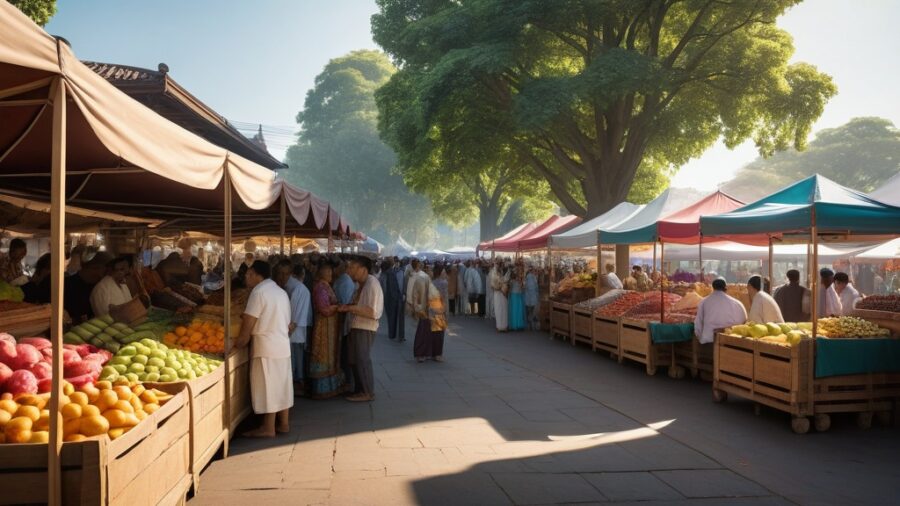
Introduction to Cultural Festivals and Food Markets
Cultural festivals food markets represent a vibrant intersection of culinary arts and cultural expression. These events not only celebrate local traditions but also offer visitors a unique opportunity to explore diverse cuisines. From street food stalls to gourmet offerings, food markets at cultural festivals encapsulate the essence of the communities they represent.
As you delve into the world of cultural festivals, you will discover how food markets play a crucial role in enhancing the overall festival experience. With the rise of global tourism, these markets have become popular attractions, drawing food enthusiasts and travelers alike. This article aims to guide you through the significance of food markets within cultural festivals and provide insights into the diverse offerings available.
Throughout this journey, you will learn about the various types of cultural festivals that feature food markets, the significance of local sourcing, and tips for planning your visit. By the end of this article, you will have a comprehensive understanding of how these markets contribute to the celebration of culture and community.
The Significance of Food Markets in Cultural Festivals
Cultural Representation and Identity
Food markets at cultural festivals serve as a powerful medium for cultural representation and identity. They allow local artisans and chefs to showcase traditional recipes and cooking methods, preserving culinary heritage. For instance, the Oktoberfest in Munich is not just about beer; it also features authentic Bavarian dishes like pretzels and sausages, reflecting the region’s rich food culture.
Moreover, these markets create a sense of community among vendors and visitors. Local farmers, bakers, and chefs come together to share their passion for food, fostering connections that transcend cultural and geographical boundaries. This communal spirit enhances the festival atmosphere, making it a lively and engaging experience for all.
Economic Impact and Tourism
The economic impact of food markets at cultural festivals cannot be overstated. They drive tourism by attracting visitors from different regions and countries, contributing to the local economy. According to a report by the National Association of Festivals, festivals that feature food markets can increase local business revenues by up to 30% during the event period.
Moreover, these markets often promote local products, encouraging sustainable practices and supporting small-scale farmers and producers. This economic boost is essential for maintaining the viability of local cultures and traditions, especially in areas where agriculture and craftsmanship play a vital role in everyday life.
| Economic Benefits | Impact on Community |
|---|---|
| Increased local business revenue | Strengthens local identity |
| Attracts tourists | Fosters community connections |
| Promotes local products | Encourages sustainable practices |
Popular Cultural Festivals Featuring Food Markets
International Festivals
Across the globe, several cultural festivals prominently feature food markets that celebrate local cuisine and traditions. One of the most notable is the La Tomatina festival in Buñol, Spain. This event, famous for its tomato-throwing spectacle, also includes a vibrant food market where visitors can enjoy traditional Spanish dishes such as paella and tapas.
Another example is the Diwali Festival in India, which showcases a plethora of street food offerings. From sweets like gulab jamun to savory snacks like samosas, the food market during Diwali embodies the festive spirit and offers a taste of Indian culture. These international festivals highlight the role of food in cultural celebrations, making them memorable experiences for attendees.
Regional Festivals
In addition to international events, many regional festivals also boast impressive food markets. For example, the New Orleans Jazz & Heritage Festival in the United States celebrates not only music but also the city’s rich culinary heritage. Visitors can indulge in local specialties such as jambalaya, gumbo, and beignets, showcasing the unique flavors of Creole and Cajun cuisine.
Similarly, the Cherry Blossom Festival in Washington, D.C. draws crowds eager to witness the stunning cherry blossoms while enjoying a diverse range of food from various cultures. This festival features food trucks and stalls offering everything from sushi to barbecue, reflecting the multicultural fabric of the city.
Regional Varieties of Food Markets
North American Food Markets
In North America, food markets at cultural festivals often emphasize a fusion of traditional and modern culinary techniques. The Smithsonian Folklife Festival in Washington, D.C. exemplifies this blend, featuring a diverse array of food vendors representing different cultures. Attendees can savor dishes from the Caribbean, Latin America, and Asia, all within the scenic backdrop of the National Mall.
Moreover, the Food and Wine Festival in Aspen, Colorado, showcases high-end culinary experiences with renowned chefs. This festival highlights gourmet food markets where visitors can sample innovative dishes paired with fine wines, reflecting the region’s upscale dining culture.
European Food Markets
European food markets at cultural festivals are renowned for their emphasis on local ingredients and traditional recipes. The Gourmet Festival in Berlin, Germany, is a prime example, featuring organic and artisanal products from local producers. Visitors can explore stalls selling handmade cheeses, cured meats, and freshly baked bread, highlighting the region’s commitment to quality.
In Italy, the Festa della Repubblica showcases regional dishes from all over the country, emphasizing the diversity of Italian cuisine. From pasta to gelato, the food market at this festival allows attendees to experience Italy’s rich culinary landscape in one location.
| Region | Characteristics |
|---|---|
| North America | Diverse culinary fusion, emphasis on modern techniques |
| Europe | Focus on local ingredients, traditional recipes |
The Experience of Sampling Diverse Cuisines
Exploring New Flavors
One of the most exciting aspects of cultural festivals food markets is the opportunity to sample a wide range of cuisines. These markets often feature dishes that are not commonly found in mainstream restaurants, allowing visitors to explore new flavors and textures. From spicy street tacos in Mexico to delicate sushi in Japan, the culinary offerings are as diverse as the cultures they represent.
Sampling diverse cuisines also encourages cultural exchange and understanding. As attendees taste foods from different regions, they gain insight into the traditions and histories behind each dish. This experiential learning fosters appreciation for cultural diversity, making food markets a vital component of cultural festivals.
Cooking Demonstrations and Workshops
Many cultural festivals also incorporate cooking demonstrations and workshops, enhancing the overall experience for attendees. These interactive sessions allow visitors to learn about the preparation of specific dishes, gaining hands-on experience and knowledge from local chefs. For instance, at the San Francisco Street Food Festival, participants can attend workshops on making dim sum or artisan bread, deepening their connection to the food culture.
These activities not only promote culinary skills but also highlight the importance of preserving traditional cooking methods. By engaging with the local community, participants can develop a greater appreciation for the craft of cooking and the significance of food within cultural contexts.
Sustainability and Local Sourcing at Food Markets
Emphasis on Local Ingredients
In recent years, there has been a growing emphasis on sustainability and local sourcing at cultural festivals food markets. Many vendors prioritize the use of ingredients sourced from local farms and producers. This not only supports the local economy but also reduces the carbon footprint associated with transportation.
For example, the Farmers’ Market at the National Folk Festival in Australia features a range of organic produce, meats, and dairy products from local farms. By promoting farm-to-table practices, these markets contribute to sustainable food systems and encourage consumers to make informed choices about their food.
Waste Reduction Initiatives
Food markets are also increasingly adopting waste reduction initiatives to minimize their impact on the environment. Many festivals implement composting and recycling programs, encouraging vendors and attendees to properly dispose of waste. The Glastonbury Festival in the UK, for instance, has implemented measures to reduce single-use plastics and promote reusable containers, setting a standard for eco-friendly practices.
By prioritizing sustainability, cultural festivals food markets not only provide delicious food options but also foster a sense of responsibility toward the environment. This commitment to sustainability resonates with attendees, making them more conscious of their choices and their impact on the planet.
How to Plan Your Visit to a Cultural Festival Food Market
Researching Festivals and Their Offerings
Planning your visit to a cultural festival food market requires some research to ensure an enjoyable experience. Start by identifying festivals that feature food markets and explore their official websites for information on vendors and offerings. Social media platforms, such as Instagram and Facebook, can also provide insights into past events and help you gauge which foods to try.
Moreover, consider the timing of your visit. Many festivals have specific days dedicated to culinary events, cooking demonstrations, or tastings. By attending on these days, you can maximize your experience and sample a wider variety of dishes. Creating a list of must-try foods can enhance your culinary adventure, ensuring you don’t miss out on any unique offerings.
Preparing for the Festival Experience
Once you have researched the festival, it’s essential to prepare for your visit. Wear comfortable clothing and shoes, as you may be walking for extended periods. Hydration is also crucial, especially if you plan on sampling multiple dishes. Carrying a reusable water bottle can help you stay refreshed without contributing to plastic waste.
Additionally, consider arriving early to avoid long lines at popular food stalls. Festivals can become crowded, especially during peak hours, so getting there early can enhance your experience. Lastly, don’t forget to bring cash, as some smaller vendors may not accept card payments.
Conclusion and Final Thoughts
Cultural festivals food markets are vibrant celebrations of culinary diversity and cultural heritage. They play a significant role in promoting local traditions, supporting local economies, and fostering community connections. Through unique food offerings and immersive experiences, these markets provide attendees with a deeper understanding of the cultures they represent.
By emphasizing sustainability and local sourcing, food markets at cultural festivals are also paving the way for more responsible food practices. As you plan your next visit to a cultural festival, remember to embrace the culinary journey that awaits you. From sampling diverse cuisines to engaging with local chefs, every experience contributes to the rich tapestry of cultural traditions.
Frequently Asked Questions about Cultural Festivals Food Markets
What types of foods can I expect at cultural festivals food markets?
At cultural festivals food markets, you can expect to find a wide variety of foods that reflect the local culture. This may include traditional dishes, street food, and gourmet offerings, showcasing both local ingredients and international flavors.
How can I find out about upcoming cultural festivals in my area?
You can find information about upcoming cultural festivals in your area through local tourism boards, event websites, and social media platforms. Many festivals also have official websites that provide details on dates, vendors, and activities.
Are food markets at festivals family-friendly?
Yes, most food markets at cultural festivals are family-friendly. They often offer a range of food options suitable for all ages, as well as activities and entertainment for children, making it a great outing for families.
What should I bring to a cultural festival food market?
When attending a cultural festival food market, it’s advisable to bring comfortable clothing, a reusable water bottle, cash for vendors, and a camera to capture your culinary adventures. Additionally, consider bringing a small bag for any food items you may purchase.
How can I support local vendors at cultural festivals?
You can support local vendors by purchasing their products, sharing your experiences on social media, and encouraging others to visit their stalls. Engaging with vendors and learning about their offerings also fosters community connections and promotes local culture.
Recap of Key Takeaways
- Cultural festivals food markets celebrate culinary diversity and local traditions.
- These markets provide economic benefits and promote community connections.
- Visitors can explore a wide range of cuisines and participate in cooking demonstrations.
- Sustainability and local sourcing are increasingly prioritized at food markets.
- Planning ahead can enhance your experience at cultural festivals food markets.
- Family-friendly activities are often available at these events.
- Supporting local vendors is crucial for preserving cultural heritage.
- Food markets offer unique opportunities for cultural exchange and appreciation.