
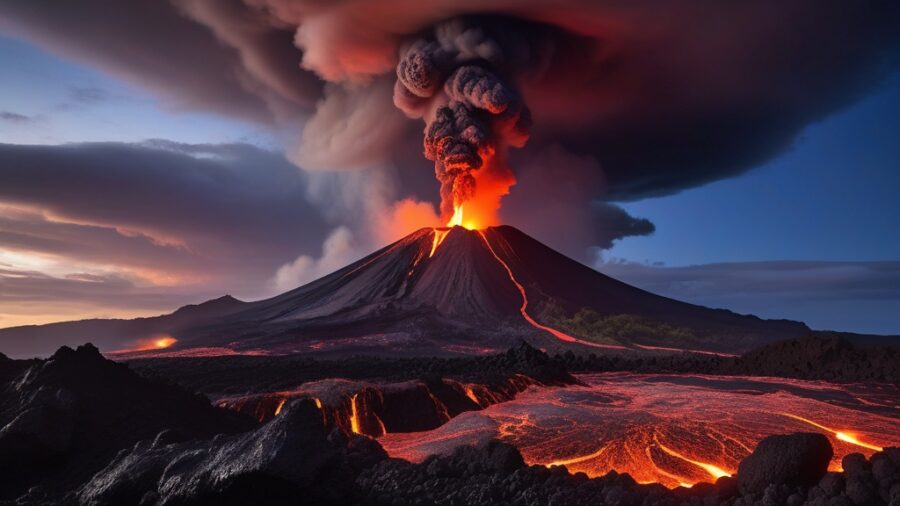
Hawaiian Mythology: The Enigmatic Volcano Goddess
Hawaiian mythology is a rich tapestry of stories, beliefs, and traditions that reflect the unique culture of the Hawaiian Islands. One of the most significant figures in this mythology is the volcano goddess, known as Pele. This article will delve into the fascinating world of Hawaiian mythology, exploring the origins, key myths, cultural significance, and modern representations of Pele, the goddess of fire, lightning, wind, and volcanoes.
Understanding the role of the volcano goddess in Hawaiian culture provides insights into how the ancient Hawaiians perceived the natural world around them. The narratives surrounding Pele are not merely stories but rather essential components of Hawaiian identity and spirituality. In this exploration, readers will learn about the myths that shape the landscape and the cultural practices that honor this powerful deity.
As we journey through the enchanting world of Hawaiian mythology, we will uncover how Pele’s influence persists in contemporary Hawaiian society and how her story has evolved over time. Join us as we embark on this captivating exploration of the Hawaiian mythology volcano goddess, her origins, and her enduring legacy.
The Origins of the Volcano Goddess in Hawaiian Lore
The Creation of Pele
Pele, the volcano goddess, has a rich origin story rooted in Hawaiian lore. According to tradition, she was born in the sacred land of Kaua’i, the oldest of the main Hawaiian Islands, and is believed to be the daughter of the sky god Wākea and the earth goddess Papahānaumoku. As the goddess of fire, she is often associated with the creation of the Hawaiian Islands through her volcanic activity.
Pele’s journey is marked by fierce rivalries and passionate love stories. One of the most notable tales recounts her quest to find a suitable home for her fiery spirit. This journey led her to the island of Hawai’i, where she established her home in the active volcano Kīlauea. The island’s volcanic eruptions are often attributed to her intense emotions and fierce temperament.
Symbolism and Attributes of Pele
Pele is often depicted as a beautiful woman with long, flowing hair, embodying the duality of creation and destruction. Her fiery nature symbolizes both the dangers and the life-giving properties of volcanoes. The legends surrounding her emphasize her role in the balance of nature, where her destructive eruptions can lead to the creation of new land, thus renewing life.
In Hawaiian culture, Pele is not just a goddess of destruction; she is also a goddess of fertility and growth. The lava flows from her eruptions enrich the soil, enabling the growth of lush vegetation. This duality is a central theme in many myths involving Pele, highlighting the interconnectedness of life, death, and rebirth.
Key Myths Involving the Volcano Goddess
The Legend of Pele and Hi’iaka
One of the most famous myths involving Pele is the story of her sister, Hi’iaka, who is the goddess of hula and the forest. This tale illustrates the complexities of sibling relationships and the struggles for love and loyalty. Hi’iaka was tasked with bringing back Pele’s lover, Lohiau, who had died while waiting for her return.
The journey of Hi’iaka is fraught with challenges, including battles with various supernatural beings and the wrath of her sister Pele. Eventually, after a series of trials, Hi’iaka succeeds in resurrecting Lohiau. However, the story takes a tragic turn when Lohiau ultimately chooses to remain with Hi’iaka, leading to a rift between the sisters.
The Conflict with Kamapua’a
Another significant myth involves the conflict between Pele and Kamapua’a, a demigod who represents fertility and the land. Their rivalry symbolizes the struggle between volcanic fire and the nourishing aspects of the land. Kamapua’a, who could transform into a wild boar, sought to win Pele’s heart, but their love story was tumultuous and marked by fierce confrontations.
This myth highlights the theme of balance in Hawaiian mythology, where fire and water, destruction and fertility, are in constant contention. The tale of Pele and Kamapua’a serves as a reminder of the natural forces that shape the Hawaiian landscape and the importance of harmony between opposing elements.
The Cultural Significance of the Volcano Goddess
Pele in Hawaiian Spirituality
Pele is not only a figure of mythology but also a vital part of Hawaiian spirituality. The volcano goddess is revered in various cultural practices, ceremonies, and rituals, reflecting her importance in the lives of the Hawaiian people. Worshippers often make offerings to Pele at the Kīlauea volcano, seeking her favor and guidance.
One common practice is the creation of lei from native flowers, which are offered at the volcanic sites as a sign of respect and gratitude. These offerings symbolize the deep connection between the people and the land, emphasizing the belief that Pele embodies the spirit of the Hawaiian Islands.
The Role of Pele in Traditional Hawaiian Practices
The stories and teachings of Pele are interwoven into various aspects of Hawaiian culture, including hula, chants, and oral traditions. Dancers often incorporate movements that reflect the volcanic activity associated with Pele, and chants recount her exploits, ensuring that her legacy is passed down through generations.
Moreover, Pele’s influence extends beyond mythology into the realm of environmental stewardship. The reverence for the volcano goddess encourages Hawaiians to respect and protect the land, acknowledging the powerful forces that shape their environment. This cultural ethos is vital in promoting sustainable practices and preserving the natural beauty of the islands.
Modern Interpretations and Representations
Pele in Contemporary Art and Literature
The figure of Pele has inspired countless artists, writers, and musicians in contemporary Hawaiian culture. From paintings to poetry, her story continues to resonate with people, reflecting the ongoing relevance of Hawaiian mythology. Modern interpretations often explore themes of resilience, identity, and the connection to the land.
For example, contemporary literature frequently draws upon Pele’s myths to address issues such as climate change and environmental activism. Artists use her image to evoke a sense of place and cultural heritage, ensuring that the stories of the volcano goddess remain vibrant and impactful.
Media Representation of Pele
In recent years, media representations of Pele have also evolved. Films, documentaries, and social media platforms have played a significant role in bringing attention to Hawaiian mythology, allowing a broader audience to engage with the stories of Pele and other deities. These representations often aim to educate viewers about the cultural significance of these myths and the ongoing struggles faced by indigenous communities.
Through these modern lenses, Pele’s character is often portrayed with greater complexity, emphasizing her role as a protector of the land and a symbol of the Hawaiian spirit. This shift in representation encourages a deeper understanding of her significance in both historical and contemporary contexts.
The Volcano Goddess in Contemporary Hawaiian Society
Pele’s Influence on Tourism and Cultural Identity
Pele’s presence is felt strongly in the tourism industry, as visitors flock to the Hawaiian Islands to witness the beauty and power of active volcanoes. Sites like Kīlauea attract thousands of tourists each year, eager to learn about the volcano goddess and her role in shaping the islands. This influx of visitors has created a unique opportunity for cultural exchange, where Hawaiians can share their traditions and stories with a global audience.
However, this also raises concerns about cultural appropriation and the commercialization of sacred traditions. Many Hawaiians advocate for responsible tourism practices that respect the land and honor the stories of their ancestors. This dialogue highlights the importance of maintaining cultural integrity while engaging with a diverse audience.
Community Practices and Celebrations
In contemporary Hawaiian society, the legacy of Pele is celebrated through various community practices and festivals. Events such as the Hawaiian Renaissance have revitalized interest in native traditions, allowing people to reconnect with their cultural roots. Celebrations often include traditional music, dance, and storytelling, fostering a sense of unity and pride among participants.
Moreover, educational initiatives in schools and community centers aim to teach younger generations about their heritage, ensuring that the stories of Pele and other deities are preserved. These efforts contribute to a growing awareness of the importance of cultural heritage and environmental stewardship in the face of modern challenges.
Conclusion and Recap
The exploration of the Hawaiian mythology volcano goddess, Pele, reveals a rich and intricate narrative that extends beyond mere myth. Her origins, key myths, and cultural significance underscore the deep connections between the Hawaiian people and their environment. From ancient stories to modern interpretations, Pele remains a powerful symbol of resilience, beauty, and the ever-changing forces of nature.
In contemporary Hawaiian society, the respect for Pele fosters a sense of identity and community, encouraging individuals to honor their heritage while addressing pressing environmental issues. As we continue to learn from the stories of the volcano goddess, it is essential to recognize her enduring legacy and the vital role she plays in shaping the Hawaiian culture.
Frequently Asked Questions about the Volcano Goddess
Who is Pele in Hawaiian mythology?
Pele is the goddess of fire, lightning, wind, and volcanoes in Hawaiian mythology. She is known for her powerful presence and is revered as a creator and destroyer, shaping the Hawaiian Islands through her volcanic activity.
What are some key myths involving Pele?
Key myths involving Pele include her tumultuous relationship with her sister Hi’iaka and her conflicts with Kamapua’a, the demigod of fertility. These stories explore themes of love, rivalry, and the balance of natural forces.
How is Pele honored in Hawaiian culture?
Pele is honored through various cultural practices, including offerings made at volcanic sites, traditional chants, and hula performances. These practices reflect the deep connection between the people and the land.
What is Pele’s significance in contemporary society?
In contemporary society, Pele’s influence extends to tourism, cultural identity, and environmental stewardship. Her story continues to resonate with people, encouraging respect for the land and the preservation of Hawaiian traditions.
How do modern interpretations of Pele differ from traditional beliefs?
Modern interpretations of Pele often explore her character with greater complexity, emphasizing her role as a protector of the land and a symbol of resilience. Contemporary art and literature reflect ongoing cultural dialogues, ensuring her legacy remains relevant.
Recap
- Pele is the volcano goddess central to Hawaiian mythology.
- She was born from the union of the sky god Wākea and the earth goddess Papahānaumoku.
- Key myths include her relationships with Hi’iaka and Kamapua’a.
- Pele’s cultural significance is reflected in rituals, art, and community practices.
- Modern representations of Pele address themes of resilience and environmental stewardship.
- Her influence is felt in tourism and cultural identity in contemporary Hawaiian society.
- Educational initiatives aim to preserve her legacy for future generations.
- Pele’s story remains a vital part of the Hawaiian spirit and cultural heritage.