
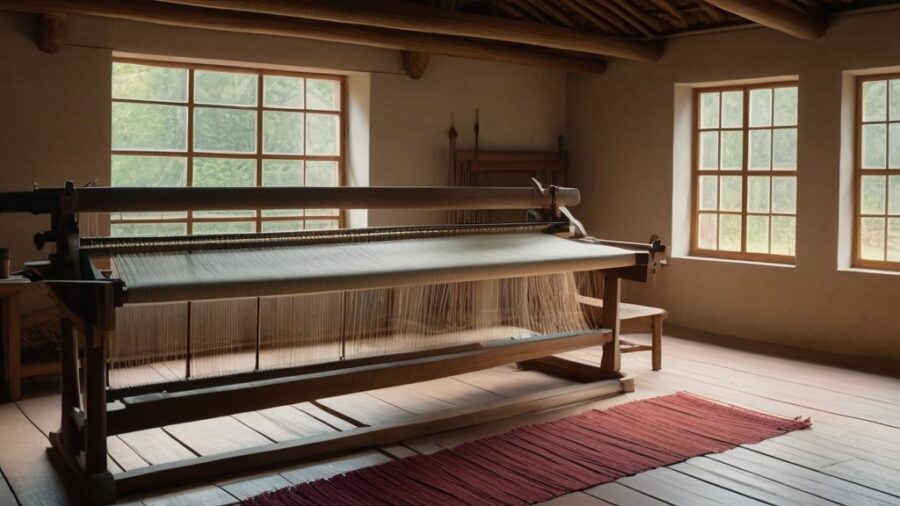
Traditional Weaving Textile Arts: An In-Depth Exploration
Traditional weaving textile arts encompass a rich tapestry of history, culture, and craftsmanship that has been passed down through generations. This intricate art form not only serves as a means of creating functional items but also reflects the cultural identity and heritage of various communities around the world. In this article, we will delve into the traditional weaving textile arts, exploring its historical roots, techniques, cultural significance, and contemporary applications. Furthermore, we will examine the challenges faced by traditional weavers today, providing a comprehensive overview that highlights the importance of preserving these age-old skills.
The world of traditional weaving is vast and varied, with each region offering unique styles, patterns, and methods. From the vibrant tapestries of South America to the intricate silk weaves of Asia, traditional weaving is a testament to human creativity and resilience. As we journey through this exploration, readers will gain insights into the evolution of weaving practices, the tools and techniques employed, and the cultural narratives woven into each piece. Our aim is to foster an appreciation for this art form and inspire a deeper understanding of its significance in today’s rapidly changing world.
By the end of this article, you will have a comprehensive understanding of traditional weaving textile arts, including the various techniques utilized by artisans, the cultural narratives embedded within their work, and the modern-day implications of these traditional practices. Join us as we unravel the threads of this captivating art form, celebrating its beauty and relevance in contemporary society.
The History of Traditional Weaving
Origins and Early Developments
The origins of traditional weaving can be traced back to ancient civilizations, where the need for clothing and textiles led to the development of weaving techniques. Archaeological evidence suggests that weaving dates back to at least 5000 BC, with the discovery of woven textiles in sites such as Çatalhöyük in modern-day Turkey. Early weavers utilized natural fibers such as linen, wool, and cotton, often employing simple looms made from wood or stone.
As societies evolved, so did their weaving techniques. For instance, the ancient Egyptians perfected the art of linen weaving, creating beautiful garments that were both functional and symbolic. By the time of the Roman Empire, weaving had become an established craft with specialized weavers producing intricate patterns and designs. Throughout history, the craft of weaving has been influenced by cultural exchanges, trade routes, and technological advancements, leading to the diverse array of styles and techniques we see today.
Regional Variations and Influences
Different regions of the world have developed their own distinct weaving traditions, influenced by local materials, cultural practices, and historical contexts. For example, the Navajo people of North America are renowned for their intricate rugs and blankets, which often feature geometric patterns and vibrant colors. Meanwhile, in Southeast Asia, the art of silk weaving has been elevated to a cultural hallmark, with countries like Thailand and Laos producing exquisite silk textiles that are highly sought after.
In Europe, the medieval period saw the rise of tapestry weaving, where large-scale artworks were created for both decorative and functional purposes. The Gobelins Manufactory in France, established in the 17th century, became famous for its luxurious tapestries, which adorned the palaces of the French monarchy. These regional variations not only highlight the technical skills of the weavers but also the cultural significance of their creations, often telling stories of myths, history, and social status.
- Evidence of weaving dates back to at least 5000 BC.
- The ancient Egyptians excelled in linen weaving.
- The Navajo people are famous for their geometric patterns.
- Silk weaving in Southeast Asia is highly regarded.
- The Gobelins Manufactory became a symbol of luxury in medieval Europe.
Techniques in Traditional Weaving
Basic Weaving Methods
Traditional weaving techniques can be broadly categorized into several methods, each with its unique approach and tools. The most common technique is the **plain weave**, where two sets of threads are interlaced at right angles. This method is foundational and serves as the basis for many other weaving patterns.
Another popular technique is the **twill weave**, characterized by diagonal lines created by the interlacing of threads in a specific sequence. This technique is often used for creating durable fabrics, such as denim and tweed. On the other hand, the **satin weave** produces a smooth surface with a shiny finish, commonly used in luxury textiles.
Advanced Techniques and Patterns
Beyond the basic methods, traditional weavers often employ advanced techniques to create intricate designs and patterns. For instance, the **Jacquard weave**, developed in the early 19th century, allows for complex patterns to be woven into the fabric using a series of punched cards. This innovation revolutionized textile production and enabled artisans to create detailed images and motifs.
Additionally, techniques such as **brocade** and **damask** involve the use of supplementary threads to create raised designs, adding texture and depth to the fabric. These techniques require a high level of skill and precision, showcasing the artistry involved in traditional weaving.
| Weaving Technique | Description | Common Uses |
|---|---|---|
| Plain Weave | Basic interlacing of threads at right angles | Basic fabrics, shirts, and sheets |
| Twill Weave | Diagonal interlacing of threads | Denim, tweed, and durable fabrics |
| Satin Weave | Smooth surface with shiny finish | Luxury textiles and evening wear |
| Jacquard Weave | Complex patterns woven using punched cards | Detailed images and motifs in textiles |
| Brocade | Raised designs using supplementary threads | Decorative fabrics for upholstery and garments |
Cultural Significance of Weaving
Weaving as a Cultural Identity
Weaving is not merely a craft; it is a powerful expression of cultural identity. Each piece of woven textile carries with it the history, beliefs, and values of the community it originates from. For many indigenous groups, the patterns and colors used in their textiles are deeply symbolic, often representing stories, traditions, and spiritual beliefs.
For example, the patterns found in Maori weaving from New Zealand tell stories of ancestry and connection to the land. Similarly, the vibrant textiles of the Andean cultures in South America often incorporate symbols that reflect their relationship with nature and the cosmos. These woven pieces become a form of storytelling, preserving cultural heritage for future generations.
Rituals and Ceremonies
In many cultures, weaving plays a significant role in rituals and ceremonies. Traditional textiles are often used in important life events such as weddings, births, and funerals. For instance, in many African cultures, the act of weaving is a communal activity that brings people together, fostering bonds and reinforcing social structures.
Additionally, woven items may be used as offerings in religious ceremonies or as symbols of status within a community. The intricate designs and craftsmanship of these textiles elevate their significance, making them cherished heirlooms that pass down through generations.
- Weaving reflects cultural identity and community values.
- Indigenous textiles often carry symbolic meanings.
- Woven pieces serve as storytelling mediums.
- Weaving is integral to rituals and important life events.
- Textiles can symbolize status and social structure.
Modern Applications of Traditional Weaving
Revival of Interest in Handwoven Textiles
In recent years, there has been a resurgence of interest in traditional weaving techniques as consumers seek sustainable and ethically produced textiles. As mass production dominates the fashion industry, many individuals are turning to handmade textiles that reflect craftsmanship and a connection to cultural heritage. This trend is not only reviving traditional skills but also supporting local artisans and communities.
Artisans are now combining traditional techniques with modern aesthetics, creating unique pieces that appeal to contemporary consumers. This fusion of old and new has led to a growing market for handmade items, from fashion to home decor, allowing traditional weavers to thrive in a global economy.
Educational Programs and Collaborations
To ensure the survival of traditional weaving arts, various educational programs and workshops have been established worldwide. These initiatives aim to teach the younger generation the skills and techniques of traditional weaving, fostering an appreciation for this art form. Collaborations between artisans and designers are also becoming more common, allowing for the exchange of knowledge and innovation in textile design.
Organizations dedicated to preserving and promoting traditional weaving often host exhibitions, fairs, and festivals that showcase the work of artisans. These events not only provide a platform for selling handmade textiles but also raise awareness about the cultural significance of weaving and the challenges faced by traditional weavers.
| Modern Application | Description | Impact on Weaving Community |
|---|---|---|
| Handmade Textiles | Revival of interest in sustainable, ethically produced textiles | Supports local artisans and preserves traditional skills |
| Educational Programs | Workshops teaching traditional weaving techniques | Fosters appreciation and skill development in younger generations |
| Collaborations | Partnerships between artisans and designers | Encourages innovation and modern applications of weaving |
| Exhibitions and Festivals | Showcases traditional weaving arts and artisans | Raises awareness of cultural significance and challenges faced |
Challenges Facing Traditional Weavers
Economic Pressures and Globalization
Despite the revival of interest in traditional weaving, artisans face significant challenges in the modern economy. Economic pressures and globalization have led to a decline in demand for handmade textiles, as cheaper, mass-produced alternatives dominate the market. This situation has made it increasingly difficult for traditional weavers to sustain their livelihoods.
Many artisans struggle to compete with the low prices of industrially produced textiles, leading to a loss of income and, in some cases, the abandonment of traditional weaving practices altogether. The challenge lies in finding a balance between maintaining cultural traditions and adapting to the demands of a global market that often prioritizes cost over craftsmanship.
Preservation of Techniques and Knowledge
Another significant challenge is the preservation of traditional techniques and knowledge. As older generations of weavers retire or pass away, there is a risk of losing valuable skills that have been honed over centuries. Without proper documentation and teaching methods, these techniques may fade into obscurity, resulting in a cultural loss that extends beyond the art of weaving itself.
Efforts to document weaving techniques and create resources for teaching are essential to ensure that this knowledge is passed down. Engaging younger generations through educational programs and community initiatives can help bridge the gap and inspire a renewed interest in traditional weaving practices.
- Economic pressures from globalization affect traditional weavers.
- Low prices of mass-produced textiles challenge handmade markets.
- Loss of traditional techniques poses a risk to cultural heritage.
- Documentation and teaching are vital for preservation.
- Younger generations must be engaged to sustain interest in weaving.
Conclusion
Traditional weaving textile arts are a profound reflection of human creativity, cultural identity, and craftsmanship. Through our exploration of the history, techniques, cultural significance, and modern applications of this art form, it is clear that weaving is much more than a means of creating textiles; it is a vital component of cultural heritage that deserves recognition and preservation.
While challenges abound, the resurgence of interest in handmade textiles and the establishment of educational programs offer hope for the future of traditional weaving. By supporting artisans and fostering appreciation for their craft, we can ensure that these timeless skills continue to thrive in the modern world.
As we move forward, let us celebrate the beauty and significance of traditional weaving textile arts, recognizing their role in shaping our cultural landscapes and connecting us to our shared human experience. Together, we can contribute to the preservation of this remarkable art form for generations to come.
FAQ about Traditional Weaving
What materials are commonly used in traditional weaving?
Traditional weaving often utilizes natural fibers such as cotton, linen, wool, and silk. These materials are chosen for their durability, texture, and ability to hold dye, which enhances the visual appeal of the woven textiles.
How can I support traditional weavers?
You can support traditional weavers by purchasing handmade textiles directly from artisans or through fair trade organizations. Additionally, participating in workshops or educational programs can help raise awareness and appreciation for the craft.
What are some common patterns found in traditional textiles?
Common patterns in traditional textiles include geometric shapes, floral motifs, and symbolic designs that represent cultural narratives. Each pattern often carries specific meanings related to the community’s heritage and beliefs.
Are there modern adaptations of traditional weaving techniques?
Yes, many contemporary artisans are blending traditional weaving techniques with modern design elements. This fusion allows them to create unique textiles that appeal to current trends while preserving cultural significance.
Why is preserving traditional weaving important?
Preserving traditional weaving is crucial for maintaining cultural heritage and identity. It fosters community connections, supports local economies, and ensures that valuable skills and knowledge are passed down to future generations.
Recap of Key Points
- Traditional weaving textile arts are rooted in rich history and cultural significance.
- Diverse techniques and patterns reflect the unique identities of various regions.
- Modern applications are reviving interest in handmade textiles and supporting artisans.
- Challenges include economic pressures and the need for preservation of techniques.
- Engagement and education are vital for sustaining traditional weaving practices.