
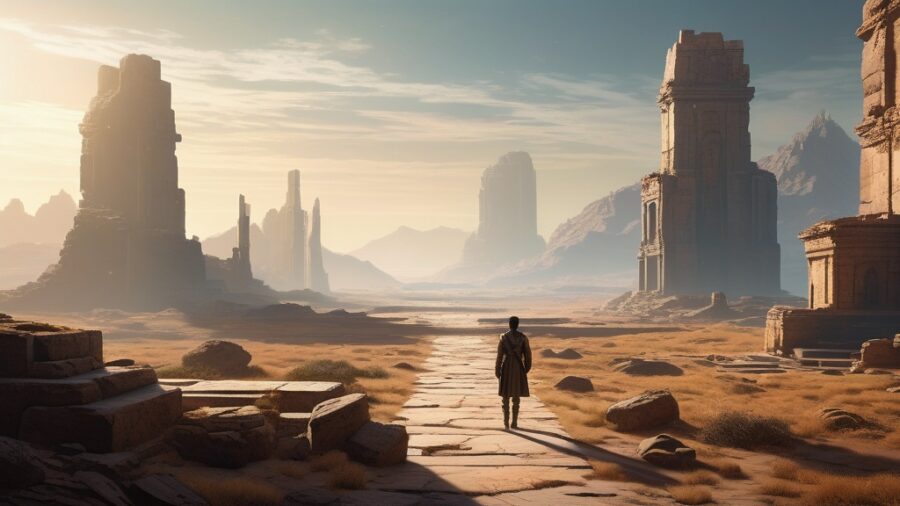
Cultural heritage digital museums represent a transformative intersection of technology and history, allowing the preservation and accessibility of invaluable cultural artifacts. In the digital age, these museums provide an innovative platform for engaging with heritage sites and collections that were once limited to physical locations. In this article, we will explore the multifaceted world of cultural heritage digital museums, examining their role in preserving history, the technological advancements enabling their growth, and the benefits they offer to global audiences.
As we delve deeper, we will also address the challenges faced by these digital institutions and highlight successful case studies that exemplify the potential of digital heritage. Finally, we will discuss future trends that could shape the landscape of cultural heritage digital museums. By the end of this article, readers will gain a comprehensive understanding of how cultural heritage digital museums operate and their significance in today’s society.
Introduction to Cultural Heritage Digital Museums
Cultural heritage digital museums are online platforms that house collections of artifacts, artworks, and historical documents, digitizing them for global access. This approach not only preserves cultural artifacts but also democratizes access to knowledge and history. Through digital means, individuals from around the world can engage with cultural heritage without the constraints of geography or economic barriers.
The Concept of Digital Museums
The idea of digital museums extends beyond merely placing collections online. These platforms are designed to create immersive experiences that can replicate, or even enhance, the physical museum experience. By utilizing technologies such as virtual reality (VR) and augmented reality (AR), digital museums can offer interactive exhibits that allow visitors to explore artifacts in ways that were previously unimaginable.
The Evolution of Digital Heritage
The evolution of digital heritage can be traced back to the late 20th century, with early efforts focused on digitizing texts and images. However, as technology advanced, so did the capabilities of digital museums. Today, institutions are leveraging sophisticated technologies such as 3D scanning, AI, and machine learning to enhance the preservation and presentation of their collections. This progression has led to a more engaging and educational experience for users, making heritage more accessible than ever before.
The Role of Technology in Cultural Heritage Preservation
Technology plays a pivotal role in the preservation of cultural heritage, enabling museums to document, archive, and showcase artifacts in ways that ensure their longevity. The implementation of innovative technologies not only aids in preservation but also enhances the educational aspects of cultural heritage.
Digitization Processes
Digitization is the backbone of cultural heritage digital museums. This process involves converting physical artifacts into digital formats, allowing for their preservation and accessibility. Techniques such as high-resolution photography, 3D scanning, and digital archiving contribute to creating accurate representations of objects. For instance, the British Museum has undertaken extensive digitization projects, making over 4.5 million objects available online.
Interactive Technologies
Interactive technologies, such as VR and AR, allow users to engage with cultural artifacts in a more meaningful way. These technologies provide virtual tours and immersive experiences that can recreate the ambiance of historical sites or exhibitions. Institutions like the Smithsonian have developed apps that utilize AR to enhance visitors’ experiences by overlaying digital content onto physical exhibits, providing deeper insights into the artifacts.
| Technology | Function | Example |
|---|---|---|
| High-Resolution Imaging | Creates detailed digital replicas of artifacts | British Museum’s digitization project |
| 3D Scanning | Captures the dimensions and details of objects | National Museum of Natural History |
| Virtual Reality | Offers immersive tours of museum exhibits | Google Arts & Culture |
| Augmented Reality | Enhances physical exhibits with digital information | Smithsonian AR app |
Benefits of Digital Museums for Global Audiences
The advent of cultural heritage digital museums has brought numerous benefits to global audiences, significantly enhancing their access to cultural knowledge and experiences. These online platforms are instrumental in bridging the gap between diverse cultures and promoting global understanding.
Accessibility
One of the most significant advantages of digital museums is their ability to make cultural heritage accessible to everyone, regardless of their location. Individuals who may not have the means to travel to physical museums can now explore rich collections from the comfort of their homes. For example, the Louvre Museum allows users to virtually tour its galleries, making it accessible to millions worldwide.
Educational Opportunities
Digital museums serve as valuable educational resources for students, researchers, and history enthusiasts. By providing access to a wealth of information and artifacts, these platforms facilitate learning and research in ways that traditional museums cannot. Many digital museums offer curated online exhibitions and educational materials that cater to various age groups and learning styles.
- Accessibility to global audiences
- Enhanced educational resources for students and researchers
- Promotion of cultural exchange and understanding
- Opportunity for interactive learning experiences
Challenges Faced by Digital Museums
Despite the numerous advantages, cultural heritage digital museums face several challenges that can hinder their effectiveness and sustainability. Addressing these issues is crucial for the continued growth and impact of digital heritage preservation.
Funding and Resources
Many digital museums struggle with securing adequate funding and resources to sustain their operations. Creating high-quality digital content requires significant investment in technology, skilled personnel, and ongoing maintenance. For instance, smaller institutions often lack the budget to implement advanced digitization techniques or to develop engaging online exhibits, limiting their reach and impact.
Technical Challenges
Technical challenges also pose a significant obstacle for digital museums. The rapid pace of technological advancement can make it difficult for institutions to keep up. Issues such as data storage, cybersecurity, and ensuring the longevity of digital content are critical factors that must be addressed. Furthermore, ensuring that digital formats remain accessible as technology evolves is a continuous concern.
Case Studies of Successful Digital Museums
Several digital museums have emerged as exemplary models in the field, showcasing how technology can enhance cultural heritage preservation and accessibility. These case studies highlight innovative approaches and successful implementations.
The British Museum
The British Museum has been at the forefront of digital heritage initiatives, with its digital collection featuring over 4.5 million objects available online. The museum employs advanced digitization processes and interactive technologies to engage users, allowing them to explore artifacts from various cultures and historical periods. Their virtual tours provide an immersive experience that makes cultural heritage accessible to a global audience.
Google Arts & Culture
Google Arts & Culture is another notable example that collaborates with museums worldwide to provide access to art and cultural heritage. This platform offers virtual tours, high-resolution images of artworks, and educational resources that help users learn about different cultures. By partnering with institutions like the Van Gogh Museum and the Musée d’Orsay, Google Arts & Culture effectively democratizes access to world-class collections.
| Museum | Digital Initiative | Impact |
|---|---|---|
| The British Museum | 4.5 million objects digitized | Global access to cultural artifacts |
| Google Arts & Culture | Collaborates with global museums | Democratizes access to art and heritage |
| The Louvre | Virtual tours and educational resources | Enhanced accessibility for millions |
Future Trends in Cultural Heritage Digital Museums
The future of cultural heritage digital museums is poised for exciting developments as technology continues to advance. Several trends are emerging that will likely shape the direction of digital heritage preservation.
Increased Use of Artificial Intelligence
Artificial intelligence (AI) is expected to play a significant role in enhancing the user experience within digital museums. AI can analyze visitor behavior, personalize content recommendations, and improve search functionalities. For instance, AI-driven chatbots can assist users in navigating online exhibits, providing real-time information and support.
Expansion of Virtual Reality Experiences
As virtual reality technology becomes more accessible, digital museums are likely to expand their offerings of immersive experiences. Future developments may include fully interactive virtual exhibits that allow users to manipulate objects and explore environments in 3D. This evolution will further enhance the educational and engagement potential of digital museums, providing richer experiences for users.
Conclusion
Cultural heritage digital museums represent a significant advancement in the preservation and accessibility of cultural artifacts. By leveraging technology, these institutions can engage global audiences and promote cultural understanding. Despite the challenges they face, the benefits of digital museums, including enhanced accessibility and educational opportunities, underscore their importance in today’s society.
As we look to the future, the continued integration of innovative technologies such as AI and VR will likely shape the evolution of cultural heritage digital museums. The case studies of successful digital museums serve as inspiring examples of what can be achieved when technology meets cultural heritage. Embracing these advancements will ensure that our shared history remains vibrant and accessible for generations to come.
FAQs about Cultural Heritage Digital Museums
What is a cultural heritage digital museum?
A cultural heritage digital museum is an online platform that digitizes and showcases artifacts, artworks, and historical documents, making them accessible to a global audience. These museums aim to preserve cultural heritage while providing educational resources and engaging experiences for users.
How do digital museums preserve artifacts?
Digital museums preserve artifacts through digitization processes that convert physical objects into digital formats. Techniques such as high-resolution imaging and 3D scanning help create accurate representations of artifacts, ensuring their longevity and accessibility.
What are the benefits of visiting a digital museum?
Visiting a digital museum offers numerous benefits, including accessibility to global audiences, enhanced educational resources, and opportunities for interactive learning experiences. Users can explore collections from around the world without the constraints of geography or economic barriers.
What challenges do digital museums face?
Digital museums face challenges such as securing funding, addressing technical issues, and keeping up with rapidly advancing technology. These factors can impact their operations and the sustainability of digital heritage initiatives.
What is the future of cultural heritage digital museums?
The future of cultural heritage digital museums is likely to be shaped by advancements in technology, such as increased use of artificial intelligence and expansion of virtual reality experiences. These developments will enhance user engagement and create richer educational opportunities.
- Cultural heritage digital museums bridge technology and history.
- They provide global access to cultural artifacts and educational resources.
- Digital museums face funding and technical challenges.
- Successful examples include the British Museum and Google Arts & Culture.
- Future trends include AI integration and expanded virtual reality experiences.