
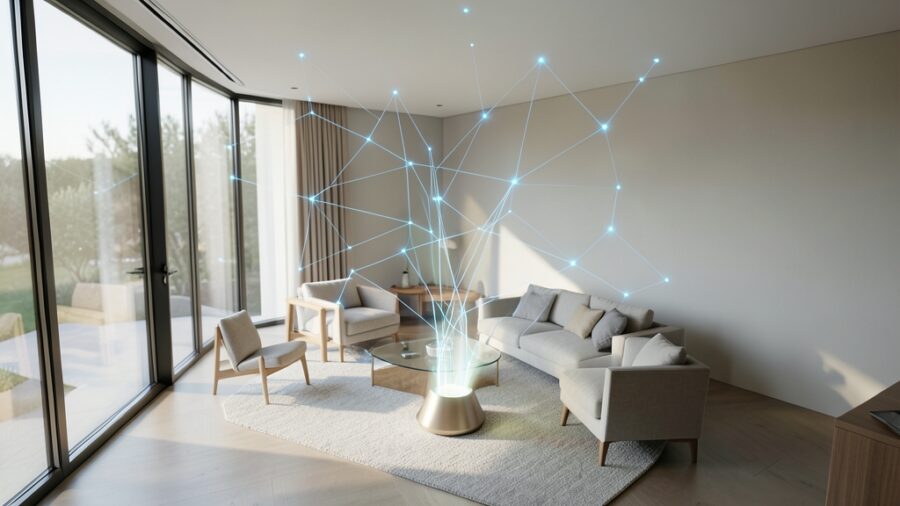
Introduction to Smart Homes and IoT
The concept of smart homes intertwined with the Internet of Things (IoT) has revolutionized the way we interact with our living spaces. As technology advances, the integration of IoT in our homes has become increasingly prevalent, allowing for enhanced connectivity, automation, and convenience. This article explores the fundamental aspects of smart homes and how IoT plays a pivotal role in transforming our domestic environments.
Smart homes utilize a network of devices that communicate with each other and can be controlled remotely, providing users with unprecedented control over their living conditions. From smart thermostats that learn your preferences to security systems that can be monitored from anywhere, IoT technology enhances both comfort and security. Through this exploration, readers will gain insights into the key components of smart home technology, the benefits of integrating IoT, challenges faced, and future trends.
As we delve deeper into the components of smart homes, it is essential to understand the underlying technologies that enable these innovations. The integration of devices such as smart speakers, lighting systems, and home appliances creates a seamless experience that caters to modern lifestyle needs. This article will also address common challenges associated with implementing smart home technologies and present solutions to overcome these hurdles.
Key Components of Smart Home Technology
Smart Devices and Appliances
At the heart of any smart home are the smart devices and appliances designed to enhance user experience. These devices range from smart speakers, which act as central control hubs, to smart refrigerators that can track expiration dates and suggest recipes. Smart thermostats like the Nest Learning Thermostat can learn household patterns and adjust heating and cooling accordingly, leading to energy savings and increased comfort.
Moreover, security devices such as smart locks and surveillance cameras play a crucial role in ensuring safety. For instance, brands like August and Ring offer smart locks and doorbell cameras that allow homeowners to monitor their property remotely. The integration of these devices not only simplifies daily tasks but also enhances overall security.
Connectivity and Control Systems
Connectivity is a critical aspect of smart home technology. Devices communicate through various protocols such as Wi-Fi, Zigbee, and Z-Wave, enabling seamless interaction. The smart home hub acts as a central point for communication, facilitating control over multiple devices from a single interface. Examples of popular hubs include Samsung SmartThings and Amazon Echo.
Control systems often come in the form of mobile applications or voice-activated assistants like Google Assistant and Amazon Alexa. These interfaces allow users to manage their smart homes easily, whether it’s adjusting the thermostat, turning on lights, or checking security cameras. The versatility of control systems contributes significantly to the growing adoption of smart home technologies.
Benefits of Integrating IoT in Homes
Enhanced Convenience and Automation
One of the primary benefits of integrating IoT in homes is the enhanced convenience it provides. Automated systems can streamline daily routines, allowing users to schedule tasks such as watering plants, turning lights on and off, or adjusting the heating system based on preferences. This automation not only saves time but also reduces the cognitive load associated with managing household tasks.
Additionally, smart home technology offers the ability to control devices remotely. Homeowners can monitor their homes while away, receiving alerts for unusual activities or even adjusting appliances from their smartphones. This level of control and adaptability is particularly beneficial for busy individuals or families.
Energy Efficiency and Cost Savings
Integrating IoT into homes can lead to significant energy savings and reduced costs. Smart thermostats and lighting systems can adjust usage based on occupancy and time of day, minimizing unnecessary energy consumption. According to a study by the U.S. Department of Energy, smart thermostats can save homeowners an average of 10-15% on heating and cooling bills.
Moreover, smart appliances such as washing machines and dishwashers can optimize their operations based on energy rates, further enhancing efficiency. The combination of automation and monitoring tools contributes to a more sustainable and cost-effective home environment.
| Smart Device | Functionality | Potential Savings |
|---|---|---|
| Smart Thermostat | Learning temperature preferences | 10-15% on heating/cooling |
| Smart Lighting | Automated on/off based on occupancy | Up to 20% on lighting costs |
| Smart Appliances | Optimizing energy usage | Variable based on usage |
Challenges and Solutions in Smart Home Implementation
Security Concerns
As the number of connected devices in homes increases, so do the concerns regarding cybersecurity. Smart devices can be vulnerable to hacking, which raises significant security issues for users. For instance, unsecured cameras or smart locks can be exploited by cybercriminals, leading to privacy breaches and safety risks.
To mitigate these risks, homeowners should ensure that all devices are updated with the latest security patches and use strong, unique passwords. Additionally, setting up a separate network for smart devices can enhance security by isolating them from primary internet connections.
Interoperability Issues
Another challenge in the implementation of smart home technologies is the lack of interoperability among devices from different manufacturers. Many devices operate on proprietary systems, which can lead to compatibility issues. For example, a smart light bulb from one manufacturer may not work seamlessly with a smart home hub from another brand.
To address these interoperability issues, consumers are encouraged to choose devices that follow common standards such as Zigbee or Z-Wave. Furthermore, selecting a versatile smart home hub that supports multiple protocols can enhance compatibility and streamline the user experience.
Future Trends in Smart Homes and IoT
Increased Personalization
The future of smart homes is poised for greater personalization through advanced AI and machine learning technologies. As these systems learn user preferences and behaviors, they can adapt more effectively to individual needs. For instance, smart home systems may automatically adjust settings based on the time of day or user activity, creating a tailored living environment.
Personalization will also extend to security features, where systems can recognize familiar faces through facial recognition technology, enhancing home security while ensuring convenience for residents.
Integration with Renewable Energy Sources
As sustainability becomes a priority, the integration of smart homes with renewable energy sources is expected to rise. Homeowners will increasingly adopt solar panels and energy storage systems, allowing them to manage energy consumption more effectively. Smart technologies can optimize energy usage, balancing between grid energy and stored renewable energy to minimize costs.
Such integrations not only contribute to energy efficiency but also support the larger goal of reducing carbon footprints and promoting environmental sustainability.
Conclusion
In conclusion, the integration of the Internet of Things in smart homes brings forth numerous benefits, including enhanced convenience, energy efficiency, and increased security. While there are challenges such as security concerns and interoperability issues, solutions exist to address these hurdles. As technology continues to evolve, future trends indicate a shift towards greater personalization and sustainability in smart home technology.
Homeowners are encouraged to embrace these innovations, as they offer not only an improved quality of life but also contribute to a more sustainable future. By understanding the key components and benefits of smart home technology, individuals can make informed decisions that enhance their living environments.
Frequently Asked Questions (FAQ)
What is a smart home?
A smart home is a residence equipped with devices that automate tasks and enhance user convenience through connectivity. These devices can be controlled remotely, often using a smartphone or voice-activated assistant.
How does IoT improve home security?
IoT enhances home security by integrating devices such as smart locks, cameras, and alarms that can be monitored and controlled remotely. This allows homeowners to receive alerts and manage security from anywhere.
Can smart homes save money on energy bills?
Yes, smart homes can save money on energy bills by optimizing the use of energy through devices like smart thermostats and lighting systems. These devices adjust usage based on occupancy and preferences, resulting in cost savings.
What are the main challenges of implementing smart home technology?
The main challenges include security vulnerabilities and interoperability issues among devices from different manufacturers. Addressing these concerns involves using strong security practices and selecting compatible devices.
What trends can we expect in the future of smart homes?
Future trends in smart homes include increased personalization through AI technologies and greater integration with renewable energy sources. These developments aim to enhance user experience and promote sustainability.
Recap of Key Points
- Smart homes utilize IoT devices for enhanced convenience and control.
- Key components include smart devices, connectivity, and control systems.
- Benefits include energy efficiency, automation, and improved security.
- Challenges involve security concerns and interoperability issues.
- Future trends point towards personalization and renewable energy integration.