
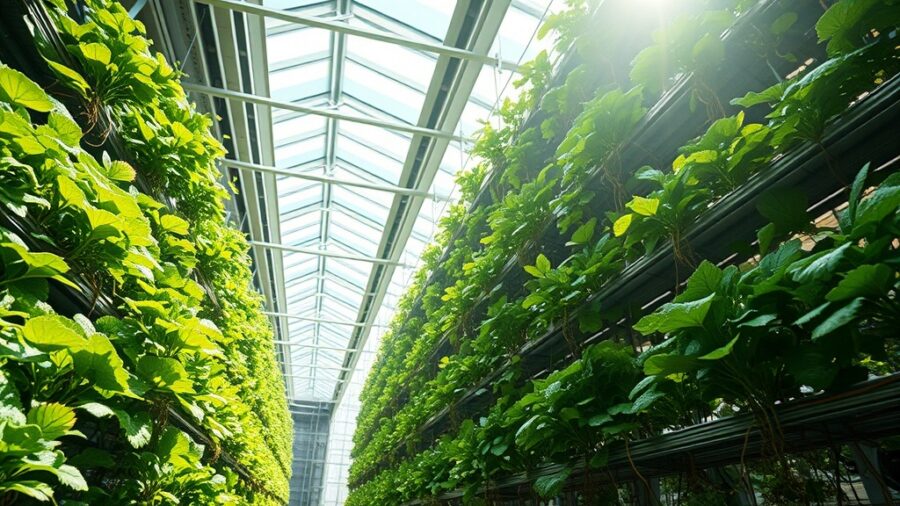
Vertical Farming Technology Advances: Revolutionizing Agriculture
In recent years, vertical farming technology advances have emerged as a beacon of hope for sustainable agriculture. As urban populations continue to rise, the demand for fresh produce is becoming increasingly difficult to meet. Traditional farming methods are challenged by land scarcity, climate change, and the need for efficient resource management. Vertical farming, which utilizes innovative techniques to grow crops in stacked layers, is transforming how we think about food production. This article will explore the latest advancements in vertical farming technology, the impact on food security, the challenges faced, and the future of this revolutionary agricultural method.
Vertical farming integrates various technological innovations such as hydroponics, aeroponics, and advanced lighting systems to create optimal growing conditions. As we delve deeper into this topic, we will highlight key innovations that are driving the industry forward, including automation and artificial intelligence. Moreover, we will discuss how these advances are contributing to global food security, addressing the pressing issues of hunger and malnutrition in urban areas.
Despite its potential, vertical farming is not without challenges. From high initial investment costs to regulatory hurdles, the path to widespread adoption is complex. This article will provide insights into these challenges and propose solutions for overcoming them. Finally, we will look ahead to the future of vertical farming technology, exploring trends and predictions that could shape the industry in the years to come.
Key Innovations in Vertical Farming
Hydroponics and Aeroponics
At the heart of vertical farming are innovative growing systems such as hydroponics and aeroponics. Hydroponics involves growing plants in a nutrient-rich water solution, eliminating the need for soil. This method allows for faster growth rates and more efficient use of water compared to traditional farming. For instance, hydroponically grown lettuce can mature in as little as 30 days, compared to 45 days in soil.
Aeroponics takes it a step further by suspending plants in an air or mist environment, allowing the roots to absorb nutrients directly from the air. This method uses up to 90% less water than conventional agriculture. Companies like AeroFarms have successfully implemented aeroponic systems to grow leafy greens in urban settings, showcasing the efficiency and minimal resource requirement of this technology.
LED Lighting and Climate Control
Another significant innovation in vertical farming technology is the use of LED lighting and sophisticated climate control systems. LED lights provide the specific wavelengths of light that plants need for photosynthesis, enabling year-round growth regardless of external weather conditions. This technology not only enhances growth rates but also reduces energy consumption significantly.
Climate control systems in vertical farms monitor and adjust temperature, humidity, and CO2 levels, creating ideal conditions for plant growth. For example, the Plantagon International project in Sweden combines vertical farming with advanced climate control to produce fresh vegetables in urban areas, significantly reducing the carbon footprint associated with food transportation.
| Innovation | Advantages | Examples |
|---|---|---|
| Hydroponics | Faster growth, reduced water usage | AeroFarms, Gotham Greens |
| Aeroponics | Minimal water use, nutrient absorption | Plenty, Vertical Harvest |
| LED Lighting | Energy efficiency, year-round growth | BrightFarms, Urban Crop Solutions |
| Climate Control | Optimal growth conditions | Plantagon, Farm.One |
Impact of Vertical Farming on Food Security
Enhancing Access to Fresh Produce
One of the most significant impacts of vertical farming is its potential to enhance access to fresh produce, particularly in urban areas. As cities expand, the distance food travels from farm to table increases, leading to higher carbon emissions and reduced freshness. Vertical farms, situated within city limits, can provide fresh vegetables and herbs directly to consumers, minimizing transportation and spoilage.
This localized approach not only ensures that urban populations have access to fresh produce but also reduces the overall environmental impact associated with food distribution. For instance, vertical farms can be established in repurposed warehouses or rooftops, utilizing space that would otherwise go unused, thus contributing to urban sustainability.
Addressing Hunger and Malnutrition
Vertical farming technology also holds promise in addressing global hunger and malnutrition. According to the Food and Agriculture Organization (FAO), nearly 690 million people were undernourished in 2019, a number that has only worsened due to the COVID-19 pandemic. By producing food closer to where it is consumed, vertical farms can help alleviate food deserts—areas with limited access to affordable and nutritious food.
Programs like the Vertical Farm Project in India aim to provide fresh produce to underserved communities, promoting nutrition and health. Additionally, vertical farming can be tailored to grow nutrient-dense crops, such as leafy greens and vegetables, which are crucial for a balanced diet.
Challenges in Implementing Vertical Farming
High Initial Investment Costs
Despite its many advantages, one of the primary challenges facing vertical farming is the high initial investment costs. Setting up a vertical farm requires substantial capital for infrastructure, technology, and operational expenses. The cost of advanced equipment such as LED lights, climate control systems, and hydroponic/aeroponic setups can be prohibitive for new entrants in the market.
For example, the startup costs for a commercial vertical farm can range from $1 million to $5 million, depending on the scale and technology used. This financial barrier often limits access for small-scale farmers and entrepreneurs, making it challenging to scale operations and achieve profitability.
Regulatory and Environmental Hurdles
In addition to financial barriers, vertical farming faces regulatory and environmental hurdles. Many regions do not have clear policies governing vertical farming practices, leading to uncertainties in zoning, land use, and water rights. This lack of regulatory framework can hinder the growth of vertical farms, as entrepreneurs may be hesitant to invest without clear guidelines.
Moreover, while vertical farms use significantly less water than traditional agriculture, they still require substantial energy for lighting and climate control. If the energy used comes from non-renewable sources, it can negate some of the environmental benefits associated with this farming method. Addressing these challenges is essential for the sustainable growth of vertical farming.
| Challenge | Impact | Potential Solutions |
|---|---|---|
| High Initial Investment | Limits market access | Government grants, crowdfunding |
| Regulatory Barriers | Hinders growth and innovation | Clear policies, industry standards |
| Energy Consumption | Reduces environmental benefits | Renewable energy sources |
The Future of Vertical Farming Technology
Integration of Artificial Intelligence
The future of vertical farming is increasingly tied to the integration of artificial intelligence (AI) and machine learning technologies. These innovations can significantly enhance the efficiency of vertical farms by automating processes such as planting, monitoring, and harvesting. AI can analyze data from sensors to optimize growing conditions and predict crop yields, allowing farmers to make data-driven decisions.
For instance, companies like Iron Ox are utilizing robotics and AI to automate their farming operations. This not only reduces labor costs but also increases precision in farming practices, leading to higher yields and lower waste. As technology continues to advance, we can expect even greater innovations that will streamline operations and improve profitability in vertical farming.
Sustainability and Resource Management
Looking ahead, sustainability will play a crucial role in the evolution of vertical farming technology. As concerns about climate change and resource depletion grow, vertical farms will need to adopt practices that minimize their environmental impact. This includes utilizing renewable energy sources, recycling water, and implementing waste management systems.
Vertical farms can also contribute to biodiversity by growing a variety of crops and integrating pollinator habitats. This holistic approach not only enhances the resilience of farming systems but also supports local ecosystems. As vertical farming becomes more widespread, it will be essential to develop practices that ensure sustainability for future generations.
Conclusion and Summary
Vertical farming technology advances represent a transformative shift in agriculture, offering innovative solutions to the challenges of traditional farming methods. By harnessing techniques such as hydroponics, aeroponics, and advanced climate control, vertical farms can produce fresh, nutritious food in urban environments. The impact on food security is significant, as these farms enhance access to fresh produce and address hunger and malnutrition.
However, the path to widespread adoption is not without challenges. High initial investment costs and regulatory hurdles must be addressed to unlock the full potential of vertical farming. As we look to the future, the integration of AI and a focus on sustainability will be key to the continued growth and success of this industry.
In summary, vertical farming technology advances offer a promising solution to some of the most pressing issues in agriculture today. By embracing innovation and sustainability, we can pave the way for a healthier and more secure food system for all.
Frequently Asked Questions
What is vertical farming?
Vertical farming is an innovative agricultural practice that involves growing crops in stacked layers or vertically inclined surfaces. This method utilizes technology such as hydroponics and aeroponics to maximize space and resources, allowing for efficient food production in urban areas.
How does vertical farming contribute to food security?
Vertical farming enhances food security by providing fresh produce directly in urban areas, reducing transportation costs and spoilage. By growing food closer to consumers, vertical farms can improve access to nutritious food, particularly in food deserts.
What are the main challenges of vertical farming?
The primary challenges of vertical farming include high initial investment costs, regulatory hurdles, and energy consumption. Addressing these issues is crucial for the sustainable growth of vertical farming practices.
What role does technology play in vertical farming?
Technology is at the core of vertical farming, with innovations such as LED lighting, climate control systems, and artificial intelligence enhancing efficiency and productivity. These advancements help optimize growing conditions and automate farming processes.
What is the future of vertical farming?
The future of vertical farming is promising, with trends pointing towards increased integration of AI, sustainability practices, and diversification of crops. As technology continues to evolve, vertical farming could play a pivotal role in addressing global food challenges.
Recap
- Vertical farming technology advances are reshaping agriculture for urban environments.
- Key innovations include hydroponics, aeroponics, LED lighting, and climate control systems.
- Vertical farming enhances food security by improving access to fresh produce.
- Major challenges include high initial costs and regulatory barriers.
- The integration of AI and focus on sustainability are crucial for future growth.
- Vertical farming has the potential to address hunger and malnutrition effectively.
- Technological advancements are essential for optimizing vertical farming operations.
- The future looks bright, with ongoing innovations and sustainability efforts driving the industry forward.