
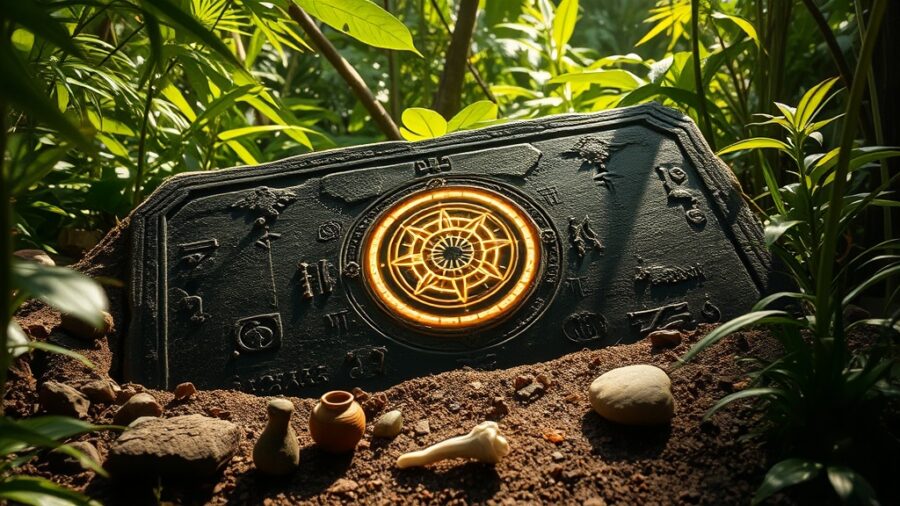
Creation Myths Around the World: An Insightful Exploration
Creation myths around the world serve as foundational narratives that explain the origins of humanity, the Earth, and the cosmos. These myths are not merely tales from ancient times; they encapsulate the values, beliefs, and cultural identities of various societies. Through examining these stories, one gains a deeper understanding of the human experience and the diverse perspectives on existence. This article will delve into the significance of creation myths, explore common themes, and analyze myths from different continents, highlighting the intricate tapestry of human thought.
As we journey through various cultures, we will uncover how these myths reflect the worldview of the societies from which they originate. Additionally, we will conduct a comparative analysis to illustrate similarities and differences across these narratives. By the end of this exploration, readers will appreciate the profound impact creation myths have had on modern society, shaping ideologies and informing cultural practices.
Join us as we embark on this insightful exploration of creation myths around the world, from the ancient stories of the Aboriginal Australians to the intricate narratives of the Native American tribes. This article aims not only to inform but also to inspire a fascination with the rich tapestry of human mythology and its enduring relevance in today’s world.
Introduction to Creation Myths
Definition and Purpose
Creation myths are narratives that provide explanations for the origins of the universe, the Earth, and life itself. They play a crucial role in shaping the identities and belief systems of cultures worldwide. These myths often address fundamental questions about existence, such as “How did we get here?” and “What is our purpose?” Through allegorical tales, creation myths offer insights into the human condition and the relationship between humanity and the divine.
Many cultures utilize creation myths to convey moral lessons, societal norms, and historical events, weaving them into the fabric of everyday life. For instance, in Hindu mythology, the creation of the world is described in the Rigveda, where the cosmic being Purusha is sacrificed to create the universe and various forms of life. This narrative not only explains creation but also introduces concepts of sacrifice and interconnectedness in Hindu philosophy.
Historical Context and Evolution
The study of creation myths dates back to ancient civilizations, with examples found in Mesopotamian, Egyptian, Greek, and Indigenous cultures. These myths have evolved over time, influenced by historical events, migrations, and interactions between different cultures. For instance, the Babylonian creation myth, the Enuma Elish, not only reflects the beliefs of the Babylonians but also shares similarities with the Hebrew creation story found in the Book of Genesis, suggesting cultural exchanges in the ancient Near East.
Moreover, as societies transformed, so did their myths. The rise of scientific understanding in the modern era has led some to reinterpret or adapt these ancient narratives, allowing them to coexist with contemporary beliefs. This evolution showcases the resilience of creation myths and their ability to adapt to changing worldviews.
The Role of Creation Myths in Culture
Cultural Identity and Unity
Creation myths play a pivotal role in forming cultural identity and fostering unity within communities. They serve as shared narratives that bind individuals together, instilling a sense of belonging and purpose. For example, the Maori creation myth of Ranginui and Papatuanuku tells the story of the sky father and earth mother, emphasizing the importance of family and nature in Maori culture. This myth reinforces communal values and respect for the environment, which are central to Maori identity.
Additionally, creation myths often provide a historical context for cultural practices and rituals. Many Indigenous tribes in North America have creation stories that explain their relationship with the land and the animals within it. These narratives guide traditional practices, ensuring the transmission of knowledge and cultural heritage from one generation to the next.
Influence on Art and Literature
The profound themes found in creation myths have significantly influenced art, literature, and storytelling across cultures. Artists and writers draw inspiration from these narratives, using them as metaphors to explore complex human emotions and experiences. For instance, the biblical creation story in Genesis has inspired countless works of art, from Michelangelo’s frescoes in the Sistine Chapel to contemporary literature that reflects on themes of creation and destruction.
Moreover, many modern authors incorporate elements of creation myths into their narratives, creating a dialogue between ancient wisdom and contemporary issues. This fusion of the old and the new allows for a richer understanding of cultural narratives and their relevance in today’s society.
Common Themes in Global Creation Myths
Cosmic Order and Chaos
A recurring theme in creation myths is the contrast between chaos and order. Many narratives begin with a chaotic void or a primordial state, from which order is established. For instance, in the ancient Egyptian creation myth, the god Atum emerges from the chaotic waters of Nun to create the world. This theme illustrates the struggle between chaos and order, emphasizing the importance of harmony in the universe.
Similarly, in the Chinese creation myth, Pangu is said to have emerged from a cosmic egg, separating the heavens from the earth. His actions establish a structured world, symbolizing the triumph of order over chaos. This theme resonates across cultures, reflecting a universal human concern for understanding the nature of existence and the forces that shape the universe.
Divine Intervention and Creation
Many creation myths feature divine beings or gods who actively participate in the creation process. These deities often embody various aspects of nature and humanity, serving as archetypes that reflect cultural values and beliefs. In the Judeo-Christian tradition, God is depicted as a singular, omnipotent creator who speaks the world into existence, emphasizing the power of words and intention.
Conversely, in the Polynesian creation stories, multiple gods collaborate in the creation process. For instance, the goddess Hine-nui-te-po is associated with death and rebirth, highlighting the cyclical nature of life and the interconnectedness of all beings. This diversity in divine representation showcases the richness of human imagination and the various ways cultures conceptualize the divine.
| Theme | Description | Example |
|---|---|---|
| Cosmic Order and Chaos | Contrasts chaos with the establishment of order | Atum in Egyptian myth |
| Divine Intervention | Creation by gods or divine beings | God in Judeo-Christian tradition |
| Interconnectedness | Emphasis on relationships between beings | Hine-nui-te-po in Polynesian myth |
Creation Myths from Various Continents
Creation Myths in Africa
African creation myths are incredibly diverse, reflecting the continent’s rich tapestry of cultures and languages. One notable example is the Dogon creation myth from Mali, which describes the creation of the universe by the god Amma. According to this myth, Amma created the Earth and the stars, emphasizing the connection between the creator and the cosmos. The Dogon people also possess unique astronomical knowledge, which is intricately woven into their creation stories, showcasing their deep understanding of the universe.
Furthermore, the Yoruba creation myth illustrates the significance of the spiritual realm in African cosmology. In this narrative, the god Obatala descends from the heavens to create the Earth, while the deity Olokun embodies the ocean. This duality highlights the balance between land and sea, reflecting the interconnectedness of life in African societies.
Creation Myths in Asia
Asia is home to some of the most intricate creation myths, with various cultures offering unique perspectives on the origins of existence. In Hindu mythology, the concept of Brahman, the ultimate reality, underpins the creation story found in the Rigveda. The myth of Vishnu’s cosmic sleep, where he dreams the universe into existence, illustrates the cyclical nature of creation and destruction, emphasizing the idea of rebirth and renewal.
In contrast, the Chinese creation myth of Pangu represents a more linear approach to creation. Pangu’s separation of the heavens and the earth symbolizes the establishment of order from chaos, a theme prevalent in many Asian narratives. These creation myths reflect the philosophical ideologies of their respective cultures, influencing societal values and practices.
Comparative Analysis of Creation Myths
Similarities in Creation Myths
Across various cultures, certain similarities emerge in creation myths, revealing common threads in human thought. For instance, the theme of a primordial chaos giving rise to order is prevalent in both the Greek and Mesopotamian myths. In the Greek myth of Chaos, the first entity, Gaia, emerges to create the Earth, while in the Babylonian Enuma Elish, the god Marduk defeats the chaotic goddess Tiamat to establish the cosmos.
Another shared element is the role of a divine being or beings in the creation process. Many cultures depict gods as active participants in shaping the world, reflecting the belief in a higher power guiding creation. This universality suggests a collective human desire to understand and explain the mysteries of existence through divine narratives.
Contrasts in Creation Myths
While similarities abound, contrasts also exist, highlighting the unique cultural contexts from which these myths arise. For instance, in the Judeo-Christian tradition, the creation story is singular and linear, emphasizing a one-time act by a monotheistic God. In contrast, Indigenous Australian creation myths often feature an ongoing creation process, where ancestral beings shape the land and its features continuously, reflecting a deep connection to the land and its stories.
Moreover, the portrayal of the divine varies significantly. In some cultures, gods are anthropomorphic and possess human-like traits, while in others, they represent abstract concepts or natural elements. This diversity illustrates how different societies interpret the divine and its relationship with humanity.
| Aspect | Similarities | Contrasts |
|---|---|---|
| Theme | Primordial chaos leading to order | Linear vs. cyclical creation |
| Divinity | Monotheistic vs. polytheistic views | |
| Cultural Context | Reflection of societal values | Unique interpretations of nature |
The Impact of Creation Myths on Modern Society
Influence on Worldviews and Beliefs
Creation myths continue to shape modern worldviews and belief systems, influencing how individuals perceive their place in the universe. Many people draw upon these ancient narratives to find meaning and purpose in their lives. For instance, the concept of stewardship in the Christian creation story has inspired movements focused on environmental conservation, emphasizing humanity’s responsibility to care for the Earth.
Similarly, Indigenous creation myths inform contemporary practices that promote sustainability and respect for nature. These narratives encourage a holistic understanding of the environment, advocating for a balance between human needs and ecological preservation. As society grapples with pressing global challenges, the wisdom embedded in these myths offers valuable insights into sustainable living.
Creation Myths in Popular Culture
Creation myths have also permeated popular culture, influencing literature, film, and art. Many modern stories borrow elements from ancient creation narratives, reimagining them for contemporary audiences. For example, the film “The Matrix” draws heavily on themes of creation and reality, paralleling the philosophical inquiries found in various creation myths.
Moreover, literature often explores the tension between science and mythology. Authors like Neil Gaiman and Isabel Allende incorporate creation myths into their works, blending the fantastical with the real. This fusion not only entertains but also prompts readers to reflect on the enduring relevance of these ancient stories in understanding our current realities.
Conclusion
Creation myths around the world serve as profound narratives that reflect the values, beliefs, and cultural identities of societies. Through examining these myths, we gain insight into the human experience and the diverse perspectives on existence. The themes of chaos and order, divine intervention, and interconnectedness resonate across cultures, revealing common threads in human thought.
The impact of creation myths extends into modern society, shaping worldviews, informing beliefs, and inspiring artistic expression. As we continue to navigate the complexities of existence, the wisdom embedded in these ancient narratives remains relevant, offering guidance and insights into our shared humanity.
FAQs about Creation Myths
What are creation myths?
Creation myths are traditional stories that explain the origins of the universe, humanity, and life. They often incorporate themes of chaos, order, and divine intervention, reflecting the cultural values and beliefs of the societies from which they originate.
Why are creation myths important?
Creation myths are significant because they provide insights into cultural identity, moral values, and historical context. They help individuals and communities understand their place in the world and foster a sense of unity and belonging.
How do creation myths influence modern society?
Creation myths continue to shape modern worldviews and beliefs, influencing environmental practices, philosophical inquiries, and artistic expressions. They offer valuable insights into sustainability and humanity’s relationship with nature.
What are some common themes in creation myths?
Common themes in creation myths include the contrast between chaos and order, the role of divine beings, and the interconnectedness of all life. These themes reflect universal concerns about existence and the nature of reality.
Can creation myths coexist with scientific explanations?
Yes, many individuals find ways to reconcile creation myths with scientific explanations. These narratives can coexist, providing spiritual and symbolic meanings alongside empirical understandings of the universe.
- Creation myths explain the origins of the universe and humanity.
- They play a crucial role in shaping cultural identity and values.
- Common themes include chaos versus order and divine intervention.
- Creation myths vary significantly across different cultures and continents.
- They continue to influence modern society, art, and philosophy.
- Many people find relevance in these myths today.
- Comparative analysis reveals both similarities and contrasts in creation narratives.
- They offer insights into sustainability and our relationship with nature.