
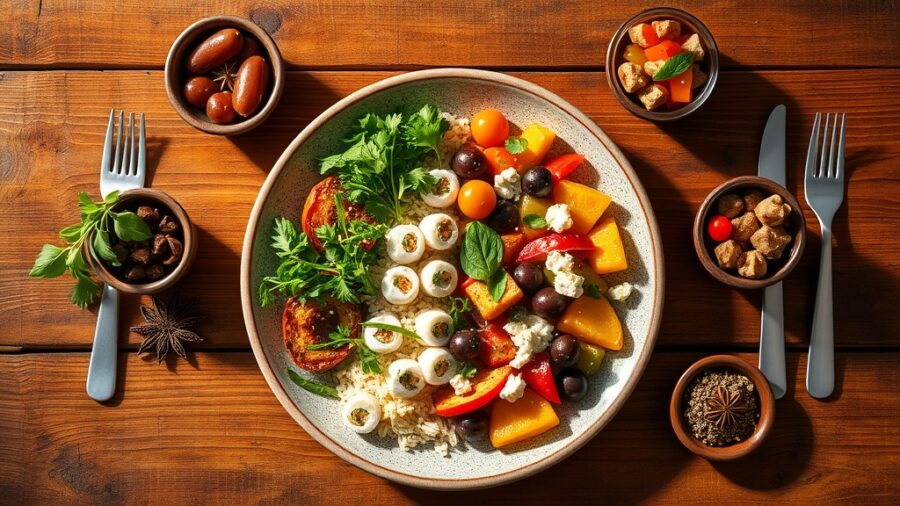
Cultural Exchange Food Fusion: A Global Culinary Journey
Cultural exchange food fusion represents an exciting confluence of diverse culinary traditions, where flavors, techniques, and ingredients from various cultures meld together to create innovative dishes. This phenomenon not only tantalizes the taste buds but also serves as a bridge between cultures, fostering understanding and appreciation through the universal language of food. In this article, we will delve into the intricate relationship between cultural exchange and food fusion, exploring its historical roots, key elements, and the impact of globalization on culinary practices.
As we embark on this culinary journey, readers will gain insights into the historical context of culinary exchange, the key elements that define food fusion, and notable influences from around the world. Furthermore, we will examine case studies of successful food fusion endeavors, the challenges and controversies surrounding this creative practice, and what the future may hold for cultural exchange and food fusion. Join us as we explore how food becomes a medium for cultural dialogue, creativity, and innovation.
Whether you are a culinary enthusiast, a cultural explorer, or simply someone who enjoys good food, this article promises to enlighten you on the rich tapestry of flavors that cultural exchange food fusion has to offer. Let’s dive into the historical context that has shaped this vibrant culinary landscape.
The Historical Context of Culinary Exchange
The Origins of Culinary Exchange
The roots of culinary exchange can be traced back to ancient civilizations, where trade routes such as the Silk Road facilitated the movement of not only goods but also culinary practices. For instance, spices from India made their way to Europe, revolutionizing European cuisine in the Middle Ages. This exchange laid the groundwork for the diverse flavors and cooking techniques we see in modern food fusion.
Moreover, migration has played a significant role in culinary exchange throughout history. The movement of people due to war, colonization, or trade has led to the introduction of new ingredients and dishes in various regions. A prime example is the Columbian Exchange, which began in the late 15th century and resulted in the transfer of foods like tomatoes, potatoes, and corn from the Americas to Europe and vice-versa. This exchange not only changed diets but also influenced culinary practices globally.
Key Historical Events Influencing Food Fusion
Several key historical events have had a profound impact on food fusion. The Age of Exploration in the 15th and 16th centuries opened up new territories and cultures for exploration. As explorers returned home, they brought back exotic spices and ingredients that would forever change local cuisines. For example, the introduction of chili peppers from the Americas into Asian cuisines, particularly in India and Thailand, has created iconic dishes that blend heat and flavor.
In addition, the rise of immigration in the 19th and 20th centuries brought diverse culinary traditions to urban centers around the world. Cities like New York, London, and San Francisco became melting pots, where Italian, Chinese, Mexican, and Indian cuisines intermingled, leading to innovative food fusion dishes such as the beloved “sushi burrito” and “taco pizza.”
Key Elements of Food Fusion
Understanding the Mechanics of Fusion Cuisine
Food fusion is characterized by several key elements that define how different culinary traditions can be combined. One of the primary elements is the **ingredient pairing**, where chefs experiment with incorporating elements from one cuisine into another. For instance, using miso in a traditional Italian risotto adds an umami flavor that enhances the dish, creating a unique gastronomic experience.
Another crucial element is **technique blending**, where cooking methods from different cultures are intertwined. A notable example is the use of sous-vide cooking, a French technique, in combination with traditional Asian marinades, resulting in perfectly cooked meats that are infused with bold flavors.
The Role of Creativity in Food Fusion
Creativity is at the heart of food fusion, as chefs strive to create dishes that not only taste good but also tell a story. The ability to think outside the box allows culinary artists to push boundaries and challenge traditional norms. For instance, the popular *Korean BBQ taco* blends Mexican and Korean cuisines, showcasing marinated beef in a tortilla, topped with kimchi and salsa. This dish captures the essence of both cultures while offering a new culinary experience.
- Ingredient Pairing: Combining flavors from different cuisines.
- Technique Blending: Merging cooking methods from various traditions.
- Creativity: Encouraging innovation and storytelling through food.
Culinary Influences from Around the World
Asian Influences on Western Cuisine
Asian cuisines have had a significant impact on Western culinary practices, especially in the past few decades. The introduction of ingredients such as soy sauce, ginger, and sesame oil has transformed traditional Western dishes. For example, the incorporation of soy sauce in marinades and dressings has added depth and flavor to salads, grilled meats, and seafood dishes.
Moreover, the rise of Asian-fusion restaurants has made dishes like *Thai basil pesto* and *Szechuan peppercorn-infused pasta* popular among food enthusiasts. These dishes not only highlight the flavors of Asian cuisines but also showcase how they can be adapted to suit Western palates, creating a harmonious blend of tastes.
Latin American and Caribbean Influences
The vibrant flavors of Latin American and Caribbean cuisines have also made their mark on food fusion globally. Ingredients like cilantro, lime, and tropical fruits have found their way into various dishes, enhancing their flavor profiles. For instance, the combination of Caribbean jerk seasoning with grilled chicken has become a popular choice in many American barbecues.
Additionally, the concept of *ceviche*, a dish originating from Peru, has inspired chefs worldwide to create their own versions, incorporating local ingredients and flavors. This adaptability showcases how cultural exchange can lead to the evolution of traditional dishes, resulting in exciting new flavors.
| Region | Influential Ingredients | Notable Fusion Dishes |
|---|---|---|
| Asia | Soy sauce, ginger, sesame oil | Thai basil pesto, Szechuan pasta |
| Latin America | Cilantro, lime, tropical fruits | Jerk chicken, ceviche variations |
Case Studies of Successful Food Fusion
Innovative Restaurants Leading the Way
Several restaurants around the world have gained acclaim for their innovative approaches to food fusion. One notable example is *Kogi BBQ*, a food truck in Los Angeles that has popularized the Korean taco. By combining Korean BBQ flavors with traditional Mexican tacos, Kogi BBQ has created a dish that embodies the essence of cultural exchange and culinary creativity.
Another example is *Momofuku Noodle Bar* in New York City, founded by chef David Chang. This restaurant merges Asian flavors with Western techniques, offering dishes such as ramen with a twist of bacon and egg. The success of such establishments highlights how food fusion can capture the attention of diners and create a unique dining experience.
Home Cooks Embracing Fusion Techniques
Food fusion is not limited to restaurants; home cooks are also embracing this culinary trend. Many individuals are experimenting with blending flavors from different cuisines, resulting in delightful dishes that reflect their personal tastes and cultural backgrounds. For example, a simple dish like *chicken curry quesadilla* combines Indian spices with Mexican cooking methods, showcasing the creativity that home cooks can achieve.
Social media platforms have played a crucial role in this movement, as home cooks share their fusion creations, inspiring others to experiment and explore diverse culinary landscapes. This democratization of food fusion encourages cultural exchange at the grassroots level, making it accessible to everyone.
The Role of Globalization in Food Fusion
How Globalization Facilitates Culinary Exchange
Globalization has significantly impacted food fusion by making ingredients, culinary techniques, and cultural practices more accessible than ever before. The ease of international trade has allowed for the importation of exotic ingredients, enabling chefs and home cooks to experiment with flavors from around the world. Supermarkets now stock a diverse range of spices, sauces, and produce, providing the tools needed for culinary exploration.
Moreover, travel has become more accessible, allowing individuals to experience different cultures firsthand. This exposure fosters a deeper appreciation for diverse culinary traditions and encourages people to bring these influences back to their own kitchens. As a result, globalization has created a fertile ground for food fusion to thrive.
The Impact of Technology on Culinary Practices
In addition to trade and travel, technology has revolutionized the way we approach food fusion. The rise of social media platforms has allowed chefs and food enthusiasts to share their fusion creations with a global audience. Platforms like Instagram and TikTok have become hubs for culinary inspiration, where users can discover new recipes and techniques from around the world.
Moreover, online cooking classes and tutorials provide opportunities for individuals to learn about different cuisines and fusion techniques from the comfort of their homes. This accessibility has empowered a new generation of cooks to experiment with food fusion, leading to an even greater diversity of culinary expressions.
- Globalization: Enhanced access to ingredients and culinary techniques.
- Travel: Exposure to different cultures and cuisines.
- Technology: Social media and online resources fostering culinary exploration.
Challenges and Controversies in Food Fusion
Cultural Appropriation vs. Appreciation
One of the most significant challenges in food fusion is the fine line between cultural appropriation and cultural appreciation. While food fusion can celebrate diversity and promote cultural exchange, it can also lead to the commodification of traditional dishes and practices. Critics argue that when chefs from one culture adopt elements of another without proper understanding or respect, it can result in a loss of authenticity and cultural significance.
For instance, the commercialization of traditional dishes like *pho* or *tacos* in non-native contexts can dilute their cultural value. It is essential for chefs and food enthusiasts to approach food fusion with sensitivity and respect, acknowledging the origins and significance of the dishes they are reinventing.
Quality and Authenticity Concerns
Another challenge facing food fusion is the potential compromise of quality and authenticity. In the pursuit of innovation, some chefs may prioritize creativity over traditional techniques, resulting in dishes that may not resonate with the original culinary heritage. This concern has led to debates over what constitutes a genuine fusion dish and how to maintain the integrity of both culinary traditions involved.
To address these challenges, it is crucial for chefs to educate themselves about the cultures they are drawing from and to engage in meaningful dialogue with those communities. By doing so, they can create dishes that honor both culinary traditions while offering new perspectives and flavors.
The Future of Food Fusion and Cultural Exchange
Emerging Trends in Food Fusion
As we look to the future, several emerging trends are shaping the landscape of food fusion. One such trend is the growing interest in plant-based and sustainable cuisine. Chefs are increasingly incorporating global plant-based ingredients into their dishes, creating fusion meals that align with environmental consciousness. For example, plant-based sushi rolls featuring ingredients like avocado and quinoa are gaining popularity, reflecting both health trends and cultural exchange.
Additionally, the rise of fusion desserts is becoming more prevalent. Traditional sweets from various cultures are being reimagined, resulting in unique creations like *matcha tiramisu* or *churro ice cream sandwiches*. These innovative desserts highlight the creativity and versatility of food fusion, appealing to dessert lovers worldwide.
The Role of Education and Collaboration
Education will play a critical role in the future of food fusion and cultural exchange. Culinary schools and programs are increasingly emphasizing the importance of understanding cultural contexts and culinary history. By equipping aspiring chefs with knowledge about different cuisines, they can create fusion dishes that are both respectful and innovative.
Collaboration among chefs from diverse backgrounds is also essential for fostering cultural exchange. Joint projects, pop-up restaurants, and culinary events that celebrate diversity can inspire new ideas and innovation, enriching the culinary landscape. As chefs come together to share their knowledge and techniques, the future of food fusion will continue to evolve and thrive.
Conclusion
Cultural exchange food fusion is a dynamic and evolving phenomenon that highlights the beauty of culinary diversity. Through historical context, creativity, and globalization, food fusion has transformed the culinary landscape, resulting in innovative dishes that reflect a blend of cultures. While challenges such as cultural appropriation and authenticity concerns exist, the future of food fusion appears promising, with emerging trends and a focus on collaboration paving the way for continued exploration and appreciation of global cuisines.
As we embrace the richness of cultural exchange through food, it is essential to approach this journey with respect and understanding. By celebrating the stories and traditions behind diverse culinary practices, we can create a more inclusive and flavorful world through the art of food fusion.
FAQ
What is cultural exchange food fusion?
Cultural exchange food fusion refers to the blending of culinary traditions from different cultures, resulting in innovative dishes that combine flavors, ingredients, and techniques. This practice celebrates diversity and fosters understanding between cultures through food.
How did food fusion originate?
Food fusion has its roots in ancient trade routes like the Silk Road and has evolved through migration and exploration. These historical events facilitated the exchange of ingredients and cooking techniques, leading to the diverse culinary practices we see today.
What are some examples of food fusion dishes?
Examples of food fusion dishes include the Korean taco, which combines Korean BBQ flavors with Mexican tortillas, and the sushi burrito, which merges sushi ingredients with the convenience of a burrito. These dishes showcase the creativity and innovation inherent in food fusion.
What challenges does food fusion face?
Food fusion faces challenges such as cultural appropriation, where elements of one culture are adopted without proper understanding, and concerns about quality and authenticity. It is essential for chefs to approach fusion with respect and knowledge of the cultures involved.
What does the future hold for food fusion?
The future of food fusion looks promising, with emerging trends in plant-based cuisine and innovative desserts. Education and collaboration among chefs will play a crucial role in shaping the culinary landscape, encouraging continued exploration and appreciation of diverse culinary traditions.
Recap
- Cultural exchange food fusion blends flavors and techniques from various cuisines.
- Historical events like the Silk Road and migration have shaped culinary exchange.
- Key elements of food fusion include ingredient pairing and technique blending.
- Asian and Latin American cuisines significantly influence global food fusion.
- Successful examples include Kogi BBQ and Momofuku Noodle Bar.
- Globalization and technology facilitate culinary exchange and exploration.
- Challenges include cultural appropriation and quality concerns.
- The future will see trends in sustainability and collaboration among chefs.