
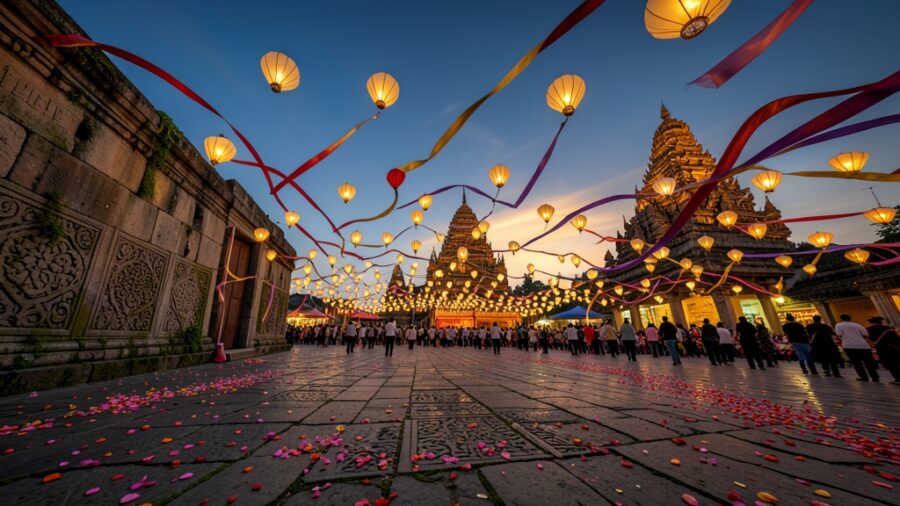
Cultural festivals are vibrant events that celebrate the rich tapestry of traditions, beliefs, and histories that define societies across the globe. From colorful parades to solemn rituals, these unique celebrations offer a glimpse into the cultural fabric that binds communities together. In this article, we will explore the significance of cultural festivals, highlight some of the most unique celebrations worldwide, and discuss their role in fostering community identity. Our journey will also touch on how technology is shaping modern festivities, the environmental considerations involved, and the future trends in cultural festivals.
By delving deep into the essence of these festivals, we aim to uncover not only their importance but also the experiences they create for participants and observers alike. Whether you are an avid traveler seeking new adventures or simply curious about diverse cultures, this exploration of cultural festivals promises to be enlightening and inspiring. Prepare to embark on a journey through the fascinating world of unique celebrations that define humanity.
Introduction to Cultural Festivals
Definition and Scope
Cultural festivals are organized events that celebrate the customs, traditions, and artistic expressions of specific communities or cultures. They can vary widely in terms of scale, duration, and activities, but they all share the primary goal of honoring cultural heritage. These festivals often include performances, traditional foods, art exhibitions, and rituals that are specific to the culture being represented. Each festival offers a unique experience, providing attendees with opportunities to engage with different cultural narratives and practices.
Historical Context
The origins of cultural festivals can be traced back to ancient times when communities would gather to celebrate harvests, religious events, or significant historical moments. For instance, the ancient Greeks held festivals in honor of their gods, featuring theatrical performances that are still celebrated today. Similarly, the Chinese New Year, which dates back over 4,000 years, includes traditions that have been passed down through generations, showcasing the resilience and continuity of cultural practices.
The Importance of Cultural Festivals
Preservation of Cultural Heritage
One of the most significant roles of cultural festivals is the preservation of cultural heritage. These events serve as living museums, allowing people to experience and learn about traditions that may otherwise be lost to time. Festivals like the Oktoberfest in Germany or the Diwali celebrations in India not only celebrate cultural identity but also instill pride among community members. As participants engage in traditional dances, crafts, and cuisines, they help to keep these customs alive for future generations.
Economic Impact
Cultural festivals also have a profound economic impact on local communities. They attract tourists, which can lead to increased revenue for local businesses, hotels, and restaurants. For example, the Mardi Gras festival in New Orleans generates hundreds of millions of dollars annually for the city’s economy. This influx of visitors not only boosts the economy but also encourages investment in infrastructure and services that benefit the community year-round.
| Festival Name | Location | Estimated Economic Impact |
|---|---|---|
| Oktoberfest | Munich, Germany | $1.1 billion |
| Mardi Gras | New Orleans, USA | $1 billion |
| Holi | India | $500 million |
Top Unique Cultural Festivals Worldwide
La Tomatina, Spain
La Tomatina is one of the world’s most famous food fights, held annually in the town of Buñol, Spain. This unique celebration takes place on the last Wednesday of August, where participants throw overripe tomatoes at each other in a spirited battle. The origins of this unusual tradition are somewhat unclear, but it is believed to have started in the mid-20th century. Today, La Tomatina attracts thousands of visitors from around the globe, turning a small town into a sea of red as laughter and joy fill the air.
Hanami, Japan
The Hanami festival, also known as cherry blossom viewing, is a cherished tradition in Japan that celebrates the fleeting beauty of cherry blossoms. Held from late March to early April, this festival involves picnics under blooming cherry trees, where families and friends gather to appreciate nature’s beauty. The practice has been celebrated for over a thousand years and symbolizes the transient nature of life. Hanami not only fosters community bonding but also promotes environmental awareness, as people are encouraged to appreciate and protect natural landscapes.
How Cultural Festivals Foster Community and Identity
Strengthening Social Bonds
Cultural festivals play a crucial role in strengthening social bonds within communities. They provide a platform for individuals to come together, share experiences, and participate in communal activities. For instance, the Diwali festival in India brings families and friends together to celebrate the triumph of light over darkness. This sense of togetherness fosters a spirit of unity and belonging, which is essential for community development.
Building Cultural Identity
Furthermore, cultural festivals help in building and reinforcing cultural identity. They serve as a reminder of a community’s roots and shared history. In the case of indigenous festivals, such as the Inti Raymi in Peru, participants honor their ancestors and affirm their cultural heritage. This celebration of identity is vital in a globalized world, where many cultures face the threat of homogenization.
The Role of Technology in Modern Celebrations
Digital Engagement and Social Media
In recent years, technology has significantly changed the way cultural festivals are celebrated. Social media platforms have become essential tools for promoting events, sharing experiences, and engaging wider audiences. For example, festivals like the Cannes Film Festival leverage social media to create buzz and reach international audiences. Live streaming has also become a popular feature, allowing people who cannot attend in person to experience the festivities virtually.
Innovations in Festival Management
Additionally, technology has transformed the management and organization of festivals. Mobile applications now provide attendees with real-time updates, schedules, and interactive maps to enhance their experience. This technological integration not only improves logistics but also fosters greater accessibility and inclusivity. Festivals are increasingly adopting cashless payment systems, making transactions smoother and more efficient for attendees.
| Technology Use | Examples | Benefits |
|---|---|---|
| Social Media Promotion | Instagram, Facebook | Increased visibility and audience engagement |
| Live Streaming | YouTube, Twitch | Broader audience reach |
| Mobile Apps | Festival-specific apps | Improved attendee experience |
Environmental Considerations of Cultural Festivals
Impact on the Environment
While cultural festivals are joyous occasions, they can also have significant environmental impacts. Large gatherings can lead to waste generation, pollution, and strain on local resources. For instance, major festivals like the Burning Man in Nevada are often criticized for their carbon footprint and waste production. It is crucial for festival organizers to address these issues to ensure the sustainability of their events.
Eco-friendly Initiatives
In response to these challenges, many festivals are implementing eco-friendly initiatives. Organizers are adopting practices such as waste reduction strategies, promoting the use of sustainable materials, and encouraging attendees to use public transport. For example, the Glastonbury Festival in the UK has committed to becoming a more sustainable event by reducing plastic use and enhancing recycling efforts. These initiatives not only mitigate environmental impact but also promote awareness among attendees about sustainability.
Future Trends in Cultural Festivals
Hybrid Events
The future of cultural festivals is likely to see a rise in hybrid events that combine in-person and virtual experiences. This trend has been accelerated by the COVID-19 pandemic, which forced many festivals to adapt. Hybrid models allow for greater flexibility and accessibility, enabling people from different parts of the world to participate in celebrations that they may not have been able to attend otherwise.
Focus on Inclusivity
Moreover, inclusivity will become a key focus for cultural festivals. Organizers are increasingly recognizing the importance of representing diverse voices and ensuring that all community members feel welcome. Festivals such as the Pride Parade not only celebrate LGBTQ+ identities but also promote inclusivity and acceptance across different cultures. This shift towards diversity will enrich the cultural landscape and foster unity among varied communities.
Conclusion
Cultural festivals are invaluable expressions of human creativity and community spirit. They serve to preserve cultural heritage, foster social bonds, and promote economic growth while embracing modern technology and sustainability. As we have explored, unique celebrations like La Tomatina and Hanami offer profound insights into the cultural identities of their respective communities. Festivals are evolving, incorporating hybrid models and focusing on inclusivity, which ensures they remain relevant in a changing world.
As we look to the future, it is essential to recognize the importance of cultural festivals in fostering understanding and appreciation among diverse cultures. By participating in or supporting these festivals, we contribute to a richer global community and celebrate the beautiful diversity that defines humanity.
FAQ about Cultural Festivals
What are cultural festivals?
Cultural festivals are organized events that celebrate the traditions, customs, and artistic expressions of specific communities or cultures. They include various activities such as music performances, traditional foods, and rituals that highlight cultural heritage.
Why are cultural festivals important?
Cultural festivals are important for preserving cultural heritage, fostering community identity, and boosting local economies. They create opportunities for social bonding and cultural exchange, enriching the lives of participants and attendees.
What are some examples of unique cultural festivals?
Examples of unique cultural festivals include La Tomatina in Spain, Hanami in Japan, Oktoberfest in Germany, and Diwali in India. Each of these festivals has distinct traditions and activities that celebrate the culture they represent.
How has technology impacted cultural festivals?
Technology has impacted cultural festivals by enhancing promotion through social media, offering live streaming options, and improving festival management with mobile apps. This technological integration has made festivals more accessible and engaging for participants.
What are the environmental considerations of cultural festivals?
Cultural festivals can have significant environmental impacts due to waste generation and resource strain. However, many festivals are adopting eco-friendly initiatives to mitigate these effects and promote sustainability among attendees.
Recap of Key Points
- Cultural festivals celebrate diverse traditions and heritage.
- They play a crucial role in preserving cultural identity and fostering community bonds.
- Unique festivals like La Tomatina and Hanami exemplify cultural richness.
- Technology is reshaping modern celebrations, making them more accessible.
- Environmental sustainability is becoming a priority for festival organizers.
- The future will see hybrid events and increased inclusivity in cultural festivals.
- Participating in cultural festivals promotes understanding and appreciation among cultures.
- Cultural festivals are vital for community development and economic growth.
This content is informative and does not replace medical or psychological evaluation or treatment.