
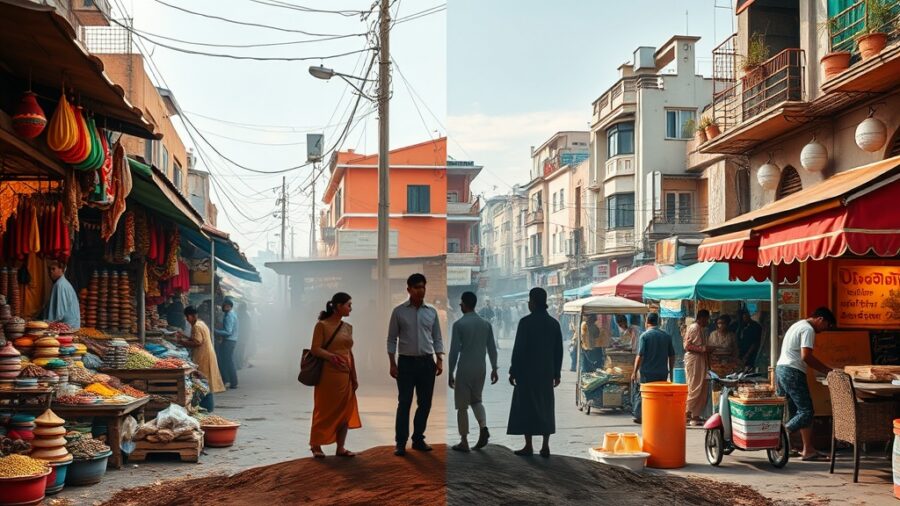
Introduction to Cultural Identity and Diaspora Communities
The concept of cultural identity is vital in understanding how individuals and groups identify themselves within the broader context of society. For diaspora communities, the preservation and expression of cultural identity are particularly significant, as they navigate their existence between their homeland and their new environment. This article delves into the intricate relationship between cultural identity and diaspora communities, exploring how these groups maintain their heritage while adapting to new cultural landscapes.
As globalization continues to reshape the world, the dynamics of cultural identity have become increasingly complex. Diaspora communities often face challenges in retaining their cultural practices, languages, and traditions while assimilating into different societies. This article aims to provide a comprehensive overview of these challenges and the strategies employed by diaspora communities to sustain their cultural identity.
Throughout this exploration, readers will gain insights into the historical context of diaspora, the role of language, the influence of technology, and the importance of educational institutions. By examining these factors, we can better understand the resilience and adaptability of diaspora communities in preserving their cultural identity.
The Historical Context of Diaspora and Cultural Identity
The Evolution of Diaspora Communities
The term “diaspora” originates from the Greek word “diaspeirein,” meaning “to scatter.” Historically, diaspora communities have emerged due to various factors, including war, colonization, and economic opportunities. For instance, the African diaspora, which began in the 16th century, resulted from the transatlantic slave trade, displacing millions of Africans to various parts of the Americas and the Caribbean.
In contrast, the Jewish diaspora dates back to ancient times when the Babylonian exile led to the dispersion of Jewish people across the globe. These historical events have significantly shaped the cultural identities of these communities, influencing their traditions, languages, and social structures.
Impact of Historical Displacement on Cultural Identity
The historical context of displacement has profound implications for the cultural identity of diaspora communities. As individuals relocate, they often grapple with the duality of their identity—balancing their heritage with the need to adapt to new environments. This struggle can lead to a rich blending of cultures, as seen in the vibrant cultural identities of communities such as the Indian diaspora in the United States, where traditional practices fuse with Western influences.
Furthermore, the preservation of cultural identity is often driven by collective memory and shared experiences. Events such as cultural festivals, religious ceremonies, and community gatherings serve to reinforce bonds among members of the diaspora, ensuring that cultural practices are passed down through generations.
The Role of Language in Preserving Cultural Identity
The Significance of Language in Diaspora Communities
Language is a fundamental aspect of cultural identity, acting as a vessel for traditions, values, and history. For diaspora communities, maintaining their native language is crucial for preserving their cultural identity. Studies show that children who grow up speaking their parents’ language exhibit stronger ties to their cultural heritage.
For example, the Chinese diaspora in countries like Peru and Malaysia has created hybrid forms of language, such as “Peruvian Chino” and “Manglish,” which reflect their cultural interactions. This linguistic adaptation not only showcases their heritage but also facilitates integration into their new societies.
Challenges in Language Preservation
Despite the importance of language, diaspora communities often face significant challenges in maintaining their linguistic heritage. In many cases, the dominant language of the host country can overshadow the native language, leading to a gradual decline in its use. This phenomenon is particularly evident among younger generations who may prioritize the dominant language for educational and social opportunities.
Moreover, the lack of resources and institutional support for language education further complicates the preservation efforts. Community organizations and cultural centers often play a pivotal role in offering language classes and cultural programs aimed at fostering a sense of identity among diaspora members.
Cultural Practices and Traditions Among Diaspora Communities
Preserving Cultural Practices
Cultural practices and traditions are essential components of cultural identity for diaspora communities. Festivals, rituals, and culinary traditions serve as expressions of heritage and provide opportunities for communal bonding. For instance, the celebration of Diwali among the Indian diaspora in the United States showcases their cultural roots while also inviting participation from the broader community.
These celebrations often involve traditional music, dance, and food, creating an immersive experience that reinforces cultural identity. Such events not only allow diaspora members to connect with their heritage but also promote cultural exchange and understanding within their local communities.
The Influence of Hybridization on Cultural Practices
Hybridization is a common phenomenon in diaspora communities, leading to the blending of traditional practices with elements of the host culture. This fusion can be seen in various aspects, such as cuisine, fashion, and art. For example, the Afro-Brazilian community has integrated African traditions with Brazilian culture, resulting in unique expressions of identity, such as Capoeira and Candomblé.
While hybridization can enrich cultural practices, it also raises questions about authenticity and the preservation of traditional values. Diaspora communities must navigate these complexities, often finding innovative ways to honor their heritage while embracing new influences.
The Impact of Technology on Cultural Identity in Diasporas
Digital Connectivity and Cultural Preservation
In the digital age, technology plays a pivotal role in shaping cultural identity among diaspora communities. The internet and social media platforms provide avenues for individuals to connect with their cultural heritage, share experiences, and access resources related to their identity. For instance, platforms like Facebook and Instagram allow diaspora members to celebrate cultural events virtually, fostering a sense of belonging.
Moreover, online communities and forums enable individuals to discuss challenges, share stories, and engage in cultural exchange. This digital connectivity not only reinforces cultural identity but also helps to combat feelings of isolation that diaspora members may experience in their new environments.
Challenges and Opportunities in the Digital Sphere
While technology offers numerous opportunities for cultural preservation, it also presents challenges. The overwhelming presence of dominant cultures online can dilute the visibility of minority cultures. Furthermore, misinformation and cultural appropriation can occur, leading to misrepresentations of cultural practices.
Despite these challenges, diaspora communities are increasingly leveraging technology to create content that accurately represents their cultural identity. Initiatives such as cultural blogs, podcasts, and YouTube channels provide platforms for authentic storytelling, allowing individuals to reclaim their narratives and promote their cultural heritage.
Educational Institutions and Cultural Identity
The Role of Education in Cultural Preservation
Educational institutions play a crucial role in shaping the cultural identity of diaspora communities. Schools and universities provide spaces for individuals to learn about their heritage, fostering a sense of pride and belonging. Language programs, cultural studies, and ethnic studies courses can empower students to explore and celebrate their cultural background.
For example, universities that offer specialized programs in African American Studies or Asian American Studies provide students with the tools to engage critically with their cultural identity, promoting a deeper understanding of their history and experiences.
Challenges in the Educational System
Despite the opportunities provided by educational institutions, diaspora students often encounter barriers that impede their cultural expression. Standardized curricula may overlook the rich diversity of cultural perspectives, leading to feelings of alienation among students. Additionally, the lack of representation in faculty and leadership positions can hinder the development of inclusive environments that honor cultural diversity.
Advocacy for culturally relevant pedagogy is essential in addressing these challenges. Schools and educational organizations must strive to create inclusive curricula that reflect the diverse backgrounds of their student populations, ensuring that all students feel valued and represented.
Challenges Faced by Diaspora Communities in Cultural Preservation
Identity Conflicts and Assimilation Pressure
Diaspora communities often grapple with identity conflicts stemming from the pressure to assimilate into the dominant culture. This pressure can lead to a sense of disconnection from one’s cultural roots, particularly among younger generations who may feel torn between their heritage and the desire to fit in. Studies indicate that children of immigrants frequently experience identity struggles, impacting their self-esteem and sense of belonging.
For instance, many first-generation children of immigrants may adopt the language and cultural practices of their peers while neglecting their parents’ heritage. This phenomenon can create rifts within families, as older generations may feel their cultural traditions are being lost.
Socioeconomic Barriers to Cultural Preservation
Socioeconomic factors also pose significant challenges for diaspora communities in preserving their cultural identity. Limited access to resources, such as cultural centers and language programs, can hinder efforts to maintain cultural practices. Economic instability may force individuals to prioritize work over cultural engagement, further distancing them from their heritage.
Additionally, discrimination and marginalization can impact the ability of diaspora communities to thrive in their new environments. Addressing these socioeconomic barriers requires concerted efforts from governments, community organizations, and educational institutions to provide support and resources that empower individuals to embrace their cultural identity.
Conclusion and Key Takeaways
In conclusion, the exploration of cultural identity within diaspora communities reveals the intricate interplay between heritage, adaptation, and resilience. As individuals navigate the complexities of their identities, they face challenges related to language preservation, cultural practices, and socioeconomic factors. However, the strength of diaspora communities lies in their ability to adapt while remaining connected to their roots.
The role of technology, educational institutions, and community initiatives is vital in supporting these efforts, providing platforms for cultural expression and preserving traditions. As we move forward, it is essential to recognize and celebrate the diversity of cultural identities within diaspora communities, fostering understanding and acceptance in an increasingly interconnected world.
FAQ about Cultural Identity and Diaspora
1. What is cultural identity?
Cultural identity refers to the shared characteristics that define a group of people, including language, traditions, values, and beliefs. It shapes how individuals perceive themselves and their place within society.
2. How do diaspora communities maintain their cultural identity?
Diaspora communities maintain their cultural identity through various means, including language preservation, cultural practices, and community engagement. Celebrating traditional festivals and participating in cultural organizations are common strategies.
3. What role does technology play in cultural identity?
Technology plays a significant role in cultural identity by providing platforms for diaspora communities to connect, share experiences, and access resources. Social media and online forums facilitate cultural expression and community building.
4. What challenges do diaspora communities face in preserving their culture?
Diaspora communities face challenges such as assimilation pressure, identity conflicts, and socioeconomic barriers. These factors can hinder their ability to maintain cultural practices and engage with their heritage.
5. How can educational institutions support cultural identity in diaspora communities?
Educational institutions can support cultural identity by offering inclusive curricula that reflect diverse backgrounds, providing language programs, and fostering environments that celebrate cultural diversity.
Recap of Main Points
- Cultural identity is essential for diaspora communities, influencing their sense of belonging.
- Language plays a critical role in preserving cultural identity, but challenges in maintenance exist.
- Cultural practices and traditions are vital expressions of identity, often hybridized in new environments.
- Technology facilitates cultural preservation but also poses challenges related to representation.
- Educational institutions must create inclusive environments to support the cultural identity of diaspora students.
- Socioeconomic factors and assimilation pressures present significant challenges for cultural preservation.
- The resilience of diaspora communities lies in their ability to adapt while honoring their cultural roots.
- Community initiatives and advocacy are crucial for addressing barriers and fostering cultural expression.