
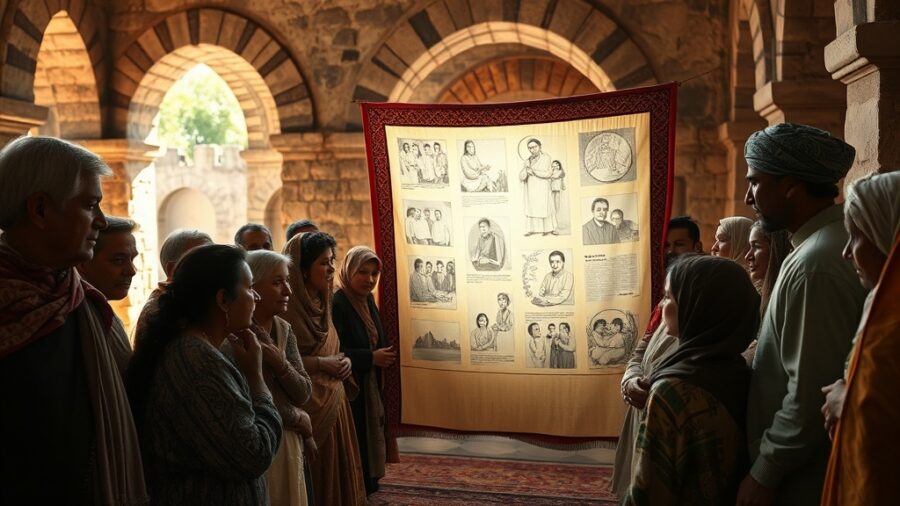
Introduction to Cultural Memory and Community Stories
Cultural memory is a vital aspect of human societies, allowing communities to share and preserve their unique identities. The concept of cultural memory community stories encapsulates the narratives, traditions, and experiences that define a group of people. These stories are essential in shaping collective identities and fostering a sense of belonging. In this article, we will explore the intricate relationships between cultural memory and community narratives, delving into their significance and impact.
Understanding cultural memory involves recognizing how it influences our perceptions of history, identity, and community cohesion. From oral traditions passed down through generations to modern storytelling methods facilitated by technology, the evolution of community stories reflects changes in society and culture. As we navigate through this exploration, we will uncover how these narratives contribute to a richer understanding of ourselves and our surroundings.
Moreover, the rise of digital media has transformed the way community stories are told and shared. This evolution has both enhanced and complicated the preservation of cultural memory. Throughout this article, we will examine various case studies that highlight successful community storytelling projects, address the challenges faced in preserving cultural memory, and consider the future of this vital aspect of society.
The Role of Cultural Memory in Society
Cultural memory plays a critical role in shaping societal norms, values, and beliefs. It provides a framework for understanding the past and its implications for the present and future. By preserving stories, traditions, and practices, communities can maintain a connection to their history and cultural heritage. This connection fosters a sense of identity and belonging among individuals, strengthening social bonds.
Functions of Cultural Memory
Cultural memory serves several functions within society:
- Identity Formation: It helps individuals and groups define who they are by linking them to their past.
- Social Cohesion: Shared stories and experiences foster unity and belonging, enhancing community bonds.
- Educational Tool: Cultural memory imparts knowledge, values, and lessons from history to future generations.
Historical Perspectives on Cultural Memory
The concept of cultural memory is not new; it has been a focal point of study since the works of scholars like Maurice Halbwachs in the early 20th century. Halbwachs emphasized that memory is a social construct, shaped by interactions within a group. His ideas laid the groundwork for understanding how communities remember and forget, influencing contemporary discussions on cultural memory.
How Community Stories Shape Identity
Community stories are powerful tools for shaping individual and collective identities. They provide narratives that individuals can relate to, allowing them to connect with their cultural heritage. These stories often reflect the struggles, triumphs, and values of a community, reinforcing a shared identity among members.
Personal Narratives and Collective Identity
Personal narratives contribute significantly to collective identity. When individuals share their stories, they create a tapestry of experiences that represent the community as a whole. For instance, oral histories collected from diverse community members can highlight common themes and values, reinforcing a sense of belonging.
The Influence of Folklore and Mythology
Folklore and mythology play a crucial role in shaping identities by embedding cultural values and norms within stories. These narratives often carry moral lessons and cultural teachings that guide behavior and decision-making within communities. For example, the tales of Anansi the Spider in West African culture convey important life lessons while also preserving the history and traditions of the people.
The Impact of Digital Media on Cultural Memory
The advent of digital media has revolutionized the way cultural memory and community stories are shared and preserved. Platforms such as social media, blogs, and podcasts allow for wider dissemination of narratives, reaching audiences that traditional methods might not engage. This democratization of storytelling empowers individuals to share their experiences and cultural contexts.
Digital Storytelling Techniques
Digital storytelling has introduced various techniques that enhance the way community stories are told. Video documentation, interactive websites, and social media campaigns allow for dynamic engagement with audiences. For instance, organizations like StoryCorps use audio recordings to capture personal stories, preserving them for future generations while inviting listeners to reflect on their own experiences.
Challenges and Opportunities in the Digital Age
While digital media offers new opportunities for storytelling, it also presents challenges in preserving the authenticity and integrity of cultural memory. The rapid pace of information sharing can lead to the dilution of stories, as narratives may be altered or oversimplified for broader appeal. Additionally, the digital divide poses barriers for some communities, limiting access to these platforms.
Case Studies: Successful Community Storytelling Projects
Understanding the practical applications of community storytelling can be illustrated through various case studies that highlight successful initiatives. These projects demonstrate the power of cultural memory in fostering community engagement and preserving heritage.
The South Side Community Art Center
Located in Chicago, the South Side Community Art Center has been a pivotal space for African American artists since its founding in 1940. The center offers programs that encourage storytelling through art, allowing community members to express their cultural narratives. The center’s exhibitions often feature local artists who draw inspiration from their personal experiences, reflecting the rich history of the South Side.
The Memory Project
The Memory Project is an initiative that connects artists with children from orphanages around the world. Volunteers create portraits of these children based on their stories and experiences, preserving their identities in a tangible form. This project not only empowers the children but also raises awareness about their cultural backgrounds and personal narratives.
Challenges in Preserving Cultural Memory
Despite the importance of preserving cultural memory, various challenges persist. These challenges can hinder efforts to maintain the integrity and richness of community stories.
Loss of Oral Traditions
As societies modernize, oral traditions face the risk of being lost. Younger generations may be less inclined to engage with traditional storytelling methods, opting instead for digital forms of communication. This shift can lead to a gap in knowledge and understanding of cultural heritage, as stories that once formed the backbone of community identity fade away.
Commercialization of Culture
The commercialization of cultural narratives poses another significant challenge. As communities become marketing tools for tourism and media, there is a risk of commodifying their stories. This can lead to the distortion of narratives, where the essence of cultural memory is overshadowed by commercial interests, ultimately undermining the authenticity of community stories.
Conclusion: The Future of Cultural Memory
The future of cultural memory and community stories is intertwined with the advancements in technology and the evolving dynamics of society. As communities continue to adapt to changes, the preservation of cultural memory will require innovative approaches to storytelling.
Engaging younger generations through digital platforms can provide opportunities to revitalize interest in cultural narratives. By fostering an environment that encourages storytelling, communities can ensure that their heritage is preserved for future generations. The collaboration between traditional and digital methods will be essential in maintaining the richness of cultural memory.
FAQ about Cultural Memory and Community Stories
What is cultural memory?
Cultural memory refers to the shared pool of knowledge and information within a community that is passed down through generations. It encompasses stories, traditions, and practices that shape a group’s identity and historical consciousness.
How do community stories impact identity?
Community stories play a significant role in shaping identities by providing narratives that individuals can relate to. They reflect shared values and experiences, fostering a sense of belonging and unity within a community.
What is digital storytelling?
Digital storytelling is the use of digital tools and media to create and share stories. It includes various formats such as videos, podcasts, and interactive websites, allowing for broader engagement and dissemination of narratives.
What are some challenges in preserving cultural memory?
Challenges in preserving cultural memory include the loss of oral traditions, commercialization of culture, and the digital divide. These factors can hinder efforts to maintain the authenticity and integrity of community stories.
How can communities preserve their cultural memory?
Communities can preserve their cultural memory by actively engaging in storytelling initiatives, utilizing digital platforms, and encouraging intergenerational dialogue. Collaborating with local artists and organizations can also enhance preservation efforts.
Recap of Key Points
- Cultural memory is essential for community identity and cohesion.
- Community stories shape individual identities through shared narratives.
- Digital media has transformed storytelling, providing new opportunities and challenges.
- Successful case studies illustrate the power of community storytelling initiatives.
- Preserving cultural memory requires addressing challenges such as loss of oral traditions and commercialization.
- The future of cultural memory lies in innovative approaches to storytelling.
- Engaging younger generations is crucial for revitalizing interest in cultural narratives.
- Collaborative efforts can enhance the preservation of cultural heritage.