
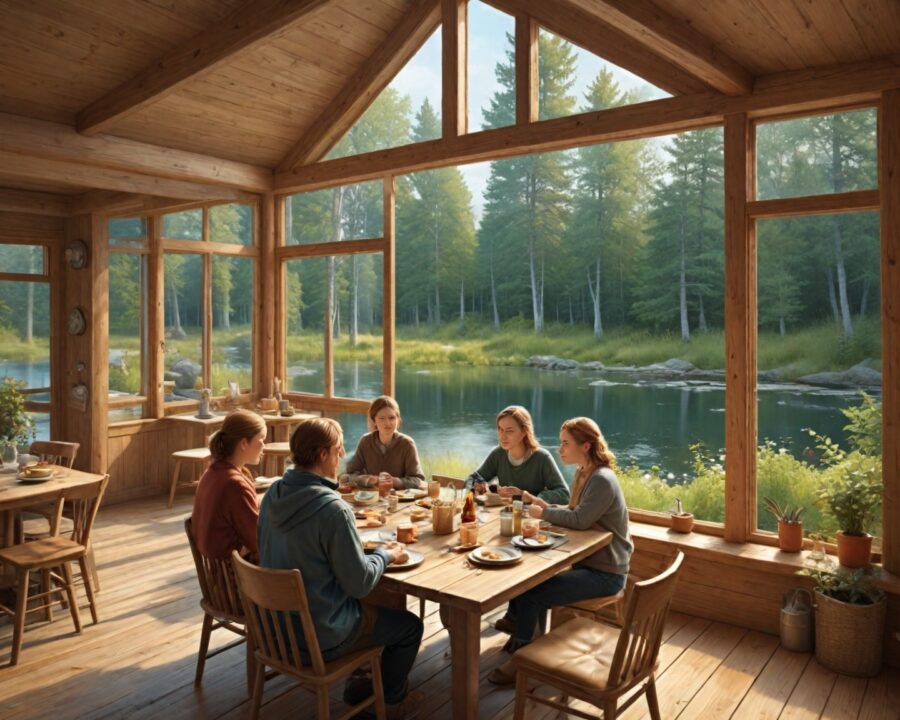
Scandinavian countries are known for their breathtaking landscapes, progressive societies, and unique cultural values that seem to captivate people around the world. This fascination extends beyond the rolling fjords and northern lights to the everyday values and practices that define the Scandinavian way of living. Scandinavia, comprised of Denmark, Norway, and Sweden, has successfully maintained its cultural heritage while embracing modernity, making it a rich source of inspiration for those seeking to understand not just its regions, but also to adopt some of its renowned values in their own lives.
In this article, we delve into the distinctive cultural values of Scandinavian countries. From the emphasis on equality and sustainability to the simple pleasures of ‘hygge’ and ‘lagom,’ these countries offer a wealth of values that contribute to their high quality of life. We will explore how these values manifest in various aspects of life, such as welfare systems, work-life balance, and community dynamics, while also addressing some common misconceptions about Scandinavian culture. Whether you’re planning a visit or looking to incorporate some Scandinavian values into your daily routine, this deep dive will provide valuable insights.
Introduction to Scandinavian Countries and Their Cultural Significance
The Scandinavian region comprises three countries: Denmark, Norway, and Sweden. Each country, while unique in its history and traditions, shares a collective cultural heritage that distinguishes them on the world stage. These nations are often grouped together due to their geographic proximity, linguistic similarities, and their shared historical pathways, particularly during the Viking Age which laid much of the cultural groundwork still evident today.
Scandinavia’s cultural significance lies not only in its historical contributions but also in its contemporary societal models that serve as benchmarks for human rights, equality, and environmental sustainability. These nations consistently rank high in global happiness and quality of life indices, capturing the world’s attention for their successful fusion of tradition and modern progressive values.
Examining the cultural values in Scandinavian countries offers deeper insights into why these nations continue to thrive. With societies built on principles of fairness, community support, and a keen respect for nature, Scandinavia offers a blueprint that many around the globe look to emulate or draw inspiration from.
Core Values Shared Across Scandinavian Nations
At the heart of Scandinavian culture are fundamental values that permeate across Denmark, Norway, and Sweden. These shared values form the bedrock of their social and political systems, influencing everything from governmental policies to everyday social interactions.
One of the foremost values is equality. Scandinavian countries are known for their egalitarian societies, which emphasize equal opportunities regardless of gender, socioeconomic status, or background. This dedication to equality is reflected in robust social welfare systems, progressive gender policies, and a narrowed income gap compared to many other developed nations.
Another core value is the sense of community and collective responsibility. This manifests in high levels of social trust and the notion that one’s wellbeing is tied to the welfare of others. This fosters socially cohesive environments where collaboration and mutual support are central to both personal and professional settings.
Sustainability and environmental consciousness also strike as prominent values. Scandinavians have long championed efforts to preserve natural landscapes and adopt sustainable practices. This commitment is evident in their renewable energy initiatives, eco-friendly urban designs, and legislation that aims to minimize environmental footprints while promoting green living standards.
The Role of Equality and Social Welfare in Scandinavian Culture
Equality is more than a value in Scandinavia; it’s a way of life. Scandinavian countries are pioneers in fostering gender equality, with women playing prominent roles in politics and business. This pursuit for gender parity is evident in the implementation of policies such as generous parental leave, subsidized childcare, and equal pay initiatives that ensure fairness across the board.
Social welfare systems in these countries are another testament to their commitment to equality. Often lauded for their efficiency and comprehensiveness, these systems include universal healthcare, free education, and social security measures that provide citizens with a robust safety net. By easing access to essential services, these Scandinavian nations ensure that all individuals have a fair chance to succeed and contribute to society.
Moreover, Scandinavian countries invest heavily in reducing poverty and inequality through redistributive policies. High taxation rates, while often criticized, fund extensive public services that improve quality of life and provide equal opportunities for all citizens, making them exemplary models for other nations seeking to enhance social welfare.
How Scandinavian Countries Prioritize Sustainability and Environmentalism
Environmental sustainability is deeply embedded in the cultural fabric of Scandinavian countries. These nations have taken considerable strides to become global leaders in environmental preservation, with goals often surpassing those set by international agreements like the Paris Climate Accord.
Renewable energy is a cornerstone of the Scandinavian approach to sustainability. For instance, Norway harnesses hydropower, contributing to over 90% of its total energy production. Similarly, Denmark excels in wind energy, with a substantial percentage of its electricity coming from wind turbines. Sweden, on the other hand, focuses on a mix of hydro, wind, and solar energy to power its greener aspirations.
Public transportation and city planning have been systematically designed to reduce emissions and promote eco-friendly living. Electric vehicles are commonly supported, and cities like Copenhagen are designed with cyclists in mind, encouraging cycling over driving. Such infrastructural decisions not only curb pollution but also enhance the quality of urban life.
The philosophies guiding Scandinavian environmental policies extend to the individual level. Citizens are encouraged to adopt sustainable practices through recycling initiatives, bans on single-use plastics, and a culture that values minimalist consumption and mindful living. These everyday decisions further contribute to the region’s overarching commitment to a healthier planet.
The Importance of ‘Hygge’ and ‘Lagom’ in Daily Life
Integral to understanding Scandinavian culture is appreciating concepts like ‘hygge’ and ‘lagom’. These deeply ingrained terms capture a significant part of the Scandinavian lifestyle and mindset, resonating with people globally who seek balance and contentment in their daily lives.
‘Hygge’ is a Danish term that denotes a sense of cozy comfort and contentment. It’s about appreciating simple pleasures, whether it’s enjoying a warm drink by the fire, spending quality time with loved ones, or creating a welcoming home environment. ‘Hygge’ emphasizes well-being and finding joy in everyday life.
‘Lagom’, on the other hand, is a Swedish concept that translates to “just the right amount.” It signifies moderation and balance, advocating for a life without excess or deprivation. ‘Lagom’ is about finding harmony in life, whether through work, diet, or social interactions. It suggests making deliberate choices that contribute to a fulfilling and balanced life.
Both ‘hygge’ and ‘lagom’ encourage mindfulness and intentionality in living. They remind people of the richness available in simplicity and contentment, and inspire those outside of Scandinavia to adopt similar practices that focus on inner satisfaction and balance.
Family and Community Dynamics in Scandinavian Societies
Family and community represent fundamental pillars in Scandinavian societies, where interpersonal relationships are deeply valued and cultivated. These dynamics contribute to the tight-knit social fabric characteristic of Scandinavia, fostering environments where each member can thrive and contribute meaningfully.
Family life in Scandinavia often revolves around quality time and shared experiences. Traditional roles have evolved with more egalitarian dynamics taking root, especially with progressive gender policies that encourage both parents to share responsibilities equally. This approach promotes stronger family bonds and ensures all members are active participants in family life.
In terms of community, Scandinavian countries exhibit a high degree of social trust and cohesion. This social capital translates into collaborative community projects, active civic engagement, and support networks that bind people together regardless of their differences. The Scandinavian ethos is one of helping one another, highlighting a genuine collective concern for each other’s wellbeing.
Such solidarity extends beyond personal circles to affect national policies that support community welfare and public well-being. From neighborhood initiatives to government programs aimed at enhancing community living, Scandinavians prioritize environments where inclusivity and mutual support are foundational.
The Influence of Viking Heritage on Modern Cultural Values
The Viking legacy is intrinsic to the cultural identity of Scandinavia, providing an historical backdrop that influences modern values across the region. Once known for their seafaring prowess and exploration, the Vikings were instrumental in shaping not only the physical geography of the Nordic landscape but also its social and cultural frameworks.
Viking culture was deeply connected to nature, an influence that still permeates Scandinavian society’s profound respect for the environment and sustainability. Vikings were adept at navigating harsh natural elements, developing a resilient spirit that manifests today in the region’s robust responses to environmental and societal challenges.
Moreover, the Viking tradition of community and governance is also evident in modern Scandinavian values. The Vikings practiced forms of democracy and community decision-making through assemblies known as ‘Things,’ a precursor to the modern democratic systems prevalent today in Scandinavia. Their community focus laid the groundwork for the egalitarian and collaborative societies present today.
While the image of Vikings has evolved from raiders to sophisticated traders and settlers, their legacy is cemented in Scandinavian cultural consciousness, influencing not only their stories and folklore but also their values emphasizing bravery, exploration, and resilience.
How Scandinavian Countries Approach Education and Work-Life Balance
Education and work-life balance are fundamental concerns in Scandinavian culture, known for promoting environments that support personal growth and professional satisfaction. These countries offer educational systems designed to foster equality, creativity, and critical thinking.
Scandinavian education is characterized by low levels of stress compared to many parts of the world, focusing instead on holistic development. Danish, Norwegian, and Swedish schools emphasize creativity and collaboration over standardized testing, promoting an inquisitive spirit and a love for learning that remains with students throughout their lives.
Work-life balance is another crucial aspect, with Scandinavians valuing personal time and leisure as much as, if not more than, professional accomplishments. Work hours are typically shorter, vacation periods longer, and flexible working arrangements more common. This balance results in higher productivity levels, job satisfaction, and an overall sense of wellbeing.
The approach to education and employment in these countries reflects broader societal values of equality and well-being, ensuring that individuals enjoy fulfilling and balanced lives that contribute to both personal and societal advancement.
Common Misconceptions About Scandinavian Cultural Values
Despite the global admiration of Scandinavian values, several misconceptions persist about this region’s cultural practices and societal norms. Recognizing these myths is important for an accurate understanding of Scandinavian culture.
One common misconception is that Scandinavian societies are homogeneous. While they share many cultural similarities, each country within Scandinavia has its own unique traditions, dialects, and regional variations that contribute to a rich cultural diversity within the region.
Another misconception is that Scandinavian societies are burdened by high taxes and consequently suffer financially. However, the high taxation is largely credited for the robust public services that enhance quality of life, such as free healthcare and education, widespread social welfare benefits, and well-maintained public infrastructure.
Lastly, outsiders often view Scandinavian cultures as overly reserved and stoic. While there is an element of modesty in social interactions, Scandinavians are typically open-minded, inclusive, and value genuine social connections. The focus on restraint and moderation reflects a cultural balance rather than aloofness, underscoring the importance they place on equality and mutual respect.
Practical Ways to Embrace Scandinavian Values in Your Own Life
Embracing Scandinavian values can contribute to a more balanced, peaceful, and fulfilling lifestyle. Here are several practical ways to incorporate these cultural principles into your daily life:
-
Prioritize Work-Life Balance: Allocate time for personal interests and leisure alongside your professional commitments. Consider setting boundaries around work hours to ensure you enjoy quality time with family and friends.
-
Embrace Simplicity: Adopt the ‘lagom’ approach by decluttering your space and simplifying your lifestyle. Prioritize quality over quantity, making deliberate choices that contribute to life balance and satisfaction.
-
Focus on Sustainability: Integrate sustainable practices such as recycling, reducing waste, and supporting eco-friendly products. Take small steps to minimize your environmental footprint and promote a healthier planet.
-
Foster Equality: Encourage egalitarian practices within your community and workplace. Support policies and initiatives that advance gender equality and advocate for fair opportunities for all.
-
Cultivate Community Bonds: Engage with your local community through volunteering, supporting local businesses, or participating in community events. Foster a spirit of collaboration and support among your peers.
-
Practice ‘Hygge’: Make time for cozy, comforting experiences that bring joy. Whether it’s through hosting intimate gatherings or enjoying quiet moments alone, focus on creating a warm and inviting atmosphere.
-
Invest in Education: Embrace lifelong learning and critical thinking. Explore opportunities for personal development that enhance your skills and knowledge.
By adopting these practices, you not only bring a piece of Scandinavian culture into your life, but also pave the way for personal growth and societal contribution.
FAQ
What countries are considered part of Scandinavia?
Scandinavia traditionally comprises three countries: Denmark, Norway, and Sweden. These countries share similar cultural, historical, and linguistic ties that differentiate them from surrounding regions.
Why is equality so important in Scandinavian cultures?
Equality is a cornerstone of Scandinavian societies due to historic influences and contemporary values that promote fairness, egalitarianism, and equal opportunities for all citizens. This focus enhances social cohesion and economic wellbeing.
How do Scandinavian countries promote environmental sustainability?
Scandinavia’s commitment to sustainability is exemplified through renewable energy initiatives, eco-friendly policies, and a cultural emphasis on reducing consumption and waste. They lead the world in environmental innovation and preservation.
What is ‘hygge’ and how is it incorporated into living?
‘Hygge’ is a Danish concept emphasizing coziness, comfort, and enjoying life’s simple pleasures. It is incorporated into daily living by creating warm, inviting environments and savoring moments of relaxation and contentment.
Do Scandinavian countries have different cultural values?
While there are regional differences, Scandinavian countries share core cultural values such as equality, sustainability, and communal support. These similarities are rooted in shared history and collective societal goals.
What is the role of family in Scandinavian culture?
Family plays a central role in Scandinavian culture with an emphasis on quality time, shared responsibilities, and strong support systems. Families form the foundation of community interaction and societal development.
Are all Scandinavian countries the same in their approach to work-life balance?
While approaches can vary, all Scandinavian countries prioritize a healthy work-life balance, characterized by shorter working hours, flexible work arrangements, and social support systems that emphasize personal wellbeing.
How can one incorporate Scandinavian values into their own life?
Practical ways to embrace Scandinavian values include promoting equality, adopting sustainable practices, prioritizing work-life balance, and fostering community connections. Incorporating ‘hygge’ and ‘lagom’ concepts can also enhance life balance and satisfaction.
Recap
Scandinavian countries, known for their rich cultural heritage and progressive values, offer an inspiring model for societies worldwide. From the deeply ingrained principles of equality and environmental sustainability to the cherished practices of ‘hygge’ and ‘lagom,’ these countries demonstrate how cultural values shape both individual lives and collective national policies. By emphasizing community support, work-life balance, and educational growth, Scandinavians craft a societal environment that fosters happiness, health, and fulfillment.
Additionally, while misconceptions about homogeneity and cultural stoicism exist, a deeper dive into Scandinavian culture reveals a vibrant and diverse society committed to inclusivity and mutual prosperity. By understanding and adopting these values, individuals from other regions can enhance their own lives, contributing to personal development and societal advancement.
Conclusion
Unraveling the cultural tapestries of Scandinavian countries unveils a region that, while traditional in certain respects, consistently leads the way in developing systems and lifestyles that benefit its inhabitants and inspire the world. Denmark, Norway, and Sweden present more than just beautiful landscapes; they offer enduring values that prioritize human welfare, balance, and a concerted effort to harmonize with nature.
By recognizing and incorporating Scandinavian values, individuals and societies can create environments that prioritize happiness and sustainability. As you step into this Scandinavian exploration, let these cultural principles guide you towards a more balanced, fulfilling life that benefits not only yourself but also the broader community and environment.