
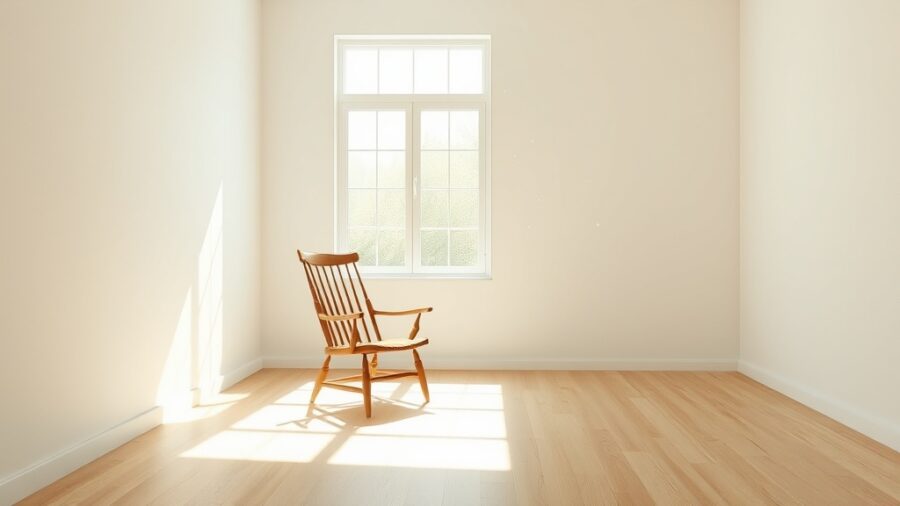
Introduction to Minimalist Living
In today’s fast-paced world, the concept of simplicity has gained immense popularity, especially in the realm of minimalist living. This lifestyle encourages individuals to embrace a more intentional way of life, focusing on what truly matters. By adopting a minimalist approach, one can declutter not only their physical space but also their mind, leading to a more fulfilling existence. This article aims to explore the various aspects of minimalist living, offering insights, practical tips, and a deeper understanding of how to embrace simplicity.
Minimalism is not just about owning fewer items; it’s a mindset that promotes the idea of living with purpose. In this guide, we will delve into the fundamental principles of minimalism, its numerous benefits, and how you can embark on your journey towards a more minimalist lifestyle. Whether you’re looking to create a more organized home, reduce stress, or enhance your mental clarity, this article will provide you with the tools and knowledge needed to make a meaningful change.
As we navigate through the various facets of minimalist living, you will learn how to create a minimalist environment, the mental clarity it can bring, and address some common misconceptions associated with this lifestyle. By the end of this article, you will be equipped with practical strategies to help you embrace simplicity and enhance your quality of life.
Understanding Minimalism: What It Means
The Definition of Minimalism
At its core, minimalism is a lifestyle choice that encourages individuals to prioritize the essentials and eliminate the excess. This philosophy can be applied to various aspects of life, including possessions, commitments, and even relationships. The minimalist mindset fosters a sense of freedom, allowing individuals to focus on experiences rather than material possessions.
Minimalism is often misinterpreted as a restrictive way of living. However, it is more accurately described as a way to cultivate a meaningful life by consciously choosing what to keep and what to let go. This intentionality helps individuals align their lives with their values and goals, leading to greater satisfaction and fulfillment.
The Historical Context of Minimalism
The roots of minimalism can be traced back to various philosophical and artistic movements throughout history. In the 20th century, minimalist art emerged as a reaction against the complexity and excesses of previous styles. Artists such as Donald Judd and Agnes Martin emphasized simplicity and form, which reflected the broader cultural shift towards minimalism in everyday life.
In recent years, the minimalist movement has gained traction thanks to influential figures like Joshua Fields Millburn and Ryan Nicodemus, known as The Minimalists. Their popular documentaries and books have inspired countless individuals to rethink their relationship with material possessions and embrace a more simplified lifestyle.
Benefits of Embracing Minimalist Living
Enhanced Mental Clarity
One of the most significant benefits of adopting a minimalist lifestyle is the improvement in mental clarity. When surrounded by clutter, both physical and mental, individuals often experience increased stress and anxiety. By simplifying your environment, you create a peaceful space that fosters focus and creativity.
Studies have shown that decluttering can lead to reduced stress levels. According to a 2010 study published in the Journal of Environmental Psychology, individuals who lived in cluttered homes reported higher levels of stress and lower levels of life satisfaction. Embracing minimalism can help mitigate these feelings, leading to a more serene and productive life.
Increased Financial Freedom
Minimalist living can also lead to significant financial benefits. By choosing to buy less and prioritize quality over quantity, individuals can save money and reduce financial stress. This shift in mindset encourages people to invest in experiences and relationships rather than accumulating material goods.
For instance, many minimalists adopt a practice of mindful spending, where they assess their purchases based on necessity and value. This approach not only helps in saving money but also reduces consumer debt, allowing for greater financial freedom and flexibility.
How to Start Your Minimalist Journey
Assessing Your Current Lifestyle
The first step towards embracing minimalism is to assess your current lifestyle. Take a moment to reflect on your possessions, commitments, and daily routines. Ask yourself what items and activities bring you joy and which ones contribute to stress or clutter. This self-reflection will serve as the foundation for your minimalist journey.
Consider keeping a journal to document your thoughts and feelings during this process. This can help you gain clarity on what truly matters to you and guide your decision-making as you begin to declutter and simplify.
Setting Clear Goals
Once you have assessed your current lifestyle, the next step is to set clear goals for your minimalist journey. Determine what aspects of your life you want to simplify, whether it’s your home, finances, or daily schedule. Setting specific and achievable goals will help you stay motivated and focused as you embark on this transformative journey.
For example, you might set a goal to declutter one room in your home each month or to reduce your spending by a certain percentage. By setting measurable goals, you will be able to track your progress and celebrate your achievements along the way.
Practical Tips for Minimalist Living
Decluttering Your Space
Decluttering is a vital aspect of minimalist living. Begin by tackling one area at a time, such as a closet, a room, or even a single drawer. The goal is to remove items that no longer serve a purpose or bring joy to your life. Use the “one-year rule” as a guideline: if you haven’t used an item in the past year, consider letting it go.
Creating a sorting system can help streamline this process. Consider categorizing items into three groups: keep, donate, and discard. This method allows for a structured approach to decluttering, making it easier to make decisions about what to keep.
Adopting a Minimalist Mindset
Embracing a minimalist lifestyle goes beyond just physical decluttering; it also involves cultivating a minimalist mindset. This means being intentional about your choices, whether it’s in your purchases, commitments, or relationships. Practice saying no to things that do not align with your values or contribute positively to your life.
Mindfulness plays a crucial role in adopting this mindset. By being present in the moment, you can better appreciate what you have and make conscious decisions about what you truly need. Techniques such as meditation and journaling can enhance your mindfulness practice, helping you stay focused on your minimalist goals.
Creating a Minimalist Home Environment
Design Principles for Minimalist Spaces
Designing a minimalist home environment involves using simple, functional elements that promote tranquility and order. Start by choosing a neutral color palette that creates a sense of calm. Incorporate natural materials, such as wood and stone, to add warmth while maintaining simplicity.
Consider the concept of “less is more” when selecting furniture and decor. Opt for multifunctional pieces that serve a purpose and avoid overcrowding spaces with unnecessary items. This approach not only enhances the aesthetics of your home but also encourages a more organized lifestyle.
The Role of Natural Light
Natural light plays a significant role in creating a minimalist home environment. It enhances the sense of space and openness, making rooms feel larger and more inviting. To maximize natural light, consider using sheer curtains or no window treatments at all. Mirrors can also be strategically placed to reflect light and create an illusion of a brighter space.
Incorporating plants into your home can further enhance the minimalist aesthetic while promoting a sense of well-being. Plants not only purify the air but also add a touch of nature to your living environment, creating a balanced and harmonious atmosphere.
Minimalism and Mental Clarity
The Connection Between Clutter and Mental Health
Research has shown a strong connection between physical clutter and mental health. A cluttered environment can lead to increased feelings of stress, anxiety, and overwhelm. By embracing minimalist living, individuals can create a serene environment that promotes mental clarity and emotional well-being.
According to a study conducted by UCLA, women who described their homes as cluttered reported higher levels of depression and anxiety. In contrast, those who lived in organized and tidy homes experienced a greater sense of control and satisfaction in their lives. This highlights the importance of creating a minimalist environment for mental health benefits.
The Role of Mindfulness in Achieving Mental Clarity
Mindfulness practices, such as meditation and deep breathing, can enhance the mental clarity associated with minimalist living. By focusing on the present moment, individuals can reduce anxiety and improve their overall mental state. Incorporating mindfulness into your daily routine can be as simple as setting aside a few minutes each day for reflection or meditation.
Additionally, engaging in activities that promote relaxation, such as yoga or spending time in nature, can further enhance mental clarity. By prioritizing these practices, you can cultivate a peaceful mindset that aligns with your minimalist lifestyle.
Common Misconceptions about Minimalism
Minimalism is Only for the Wealthy
One common misconception about minimalism is that it is a lifestyle reserved for the wealthy. In reality, minimalism can be practiced by anyone, regardless of financial status. The essence of minimalism lies in prioritizing what truly matters, which often involves reducing spending and avoiding unnecessary purchases.
Many minimalists find that living with less allows them to save money and allocate their resources towards experiences that enrich their lives. This shift in focus from material possessions to meaningful experiences is accessible to everyone, regardless of their income level.
Minimalism Equals Boring
Another misconception is that minimalism leads to a dull or monotonous lifestyle. On the contrary, minimalism encourages individuals to discover their passions and interests by eliminating distractions. By simplifying your surroundings, you create space for creativity and personal growth.
Many minimalists find joy in pursuing hobbies, spending quality time with loved ones, and exploring new experiences. The freedom that comes from living minimally allows for a more vibrant and fulfilling life, rich with personal meaning and purpose.
Conclusion: The Path to Simplicity
Embracing minimalist living is a powerful way to transform your life. By understanding the principles of minimalism, assessing your current lifestyle, and implementing practical strategies, you can embark on a journey towards simplicity and fulfillment. The benefits of minimalism extend beyond physical decluttering, encompassing mental clarity, financial freedom, and a deeper appreciation for what truly matters.
As you navigate this journey, remember that minimalism is a personal and evolving process. Allow yourself the flexibility to adapt and redefine your minimalist goals as you grow. By making intentional choices, you will cultivate a life that reflects your values and brings you joy.
FAQ about Minimalist Living
1. What is the first step to becoming a minimalist?
The first step to becoming a minimalist is to assess your current lifestyle. Reflect on your possessions, commitments, and daily routines to identify what brings you joy and what contributes to stress.
2. Can minimalism save you money?
Yes, minimalism can save you money. By prioritizing quality over quantity and reducing unnecessary purchases, individuals can allocate their resources towards experiences and savings.
3. Is minimalism only about decluttering your home?
No, minimalism is not solely about decluttering your home. It encompasses a broader mindset, including simplifying commitments, relationships, and daily routines to create a more intentional life.
4. Can anyone practice minimalism?
Absolutely! Minimalism can be practiced by anyone, regardless of financial status or lifestyle. It is about making intentional choices and prioritizing what truly matters in your life.
5. Will minimalism make my life boring?
On the contrary, minimalism encourages individuals to explore their passions and interests by eliminating distractions. This can lead to a more vibrant and fulfilling life focused on personal growth and meaningful experiences.
Recap
- Minimalism is a lifestyle choice that emphasizes simplicity and intentionality.
- Embracing minimalism can lead to enhanced mental clarity and reduced stress.
- Decluttering your environment is a crucial step in the minimalist journey.
- Setting clear goals helps maintain focus as you simplify your life.
- Creating a minimalist home involves using design principles that promote tranquility.
- Mindfulness practices enhance the mental clarity associated with minimalism.
- Common misconceptions about minimalism include the belief that it is only for the wealthy or that it leads to a boring lifestyle.
- Minimalism is accessible and beneficial for everyone, providing a path to a more meaningful life.