
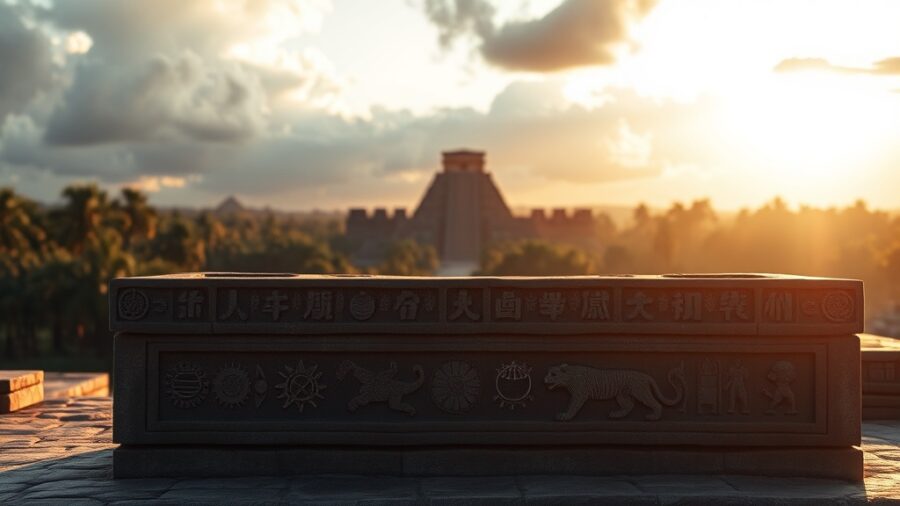
Understanding Aztec Mythology: The Role of Sacrifice Rituals
The Aztec mythology sacrifice ritual is an intriguing aspect of ancient Mesoamerican culture that reflects the complex relationship between the Aztec people and their gods. These rituals were not merely acts of devotion; they were deeply embedded in the social, political, and religious fabric of Aztec society. Through this article, we will explore the historical context, types of sacrifices, and their cultural significance, providing a comprehensive understanding of these ancient practices.
Ritual sacrifice in Aztec mythology serves multiple purposes, ranging from appeasing deities to ensuring the continuation of the world. The rituals were often elaborate, involving priests, participants, and various offerings. The Aztecs believed that the heart was the most vital part of the human body, symbolizing life and vitality, making it a central focus during sacrificial ceremonies.
This exploration will delve into the step-by-step processes involved in these rituals, comparing Aztec practices with those from other cultures, and examining modern interpretations of these ancient customs. By the end of this article, readers will gain a thorough understanding of the significance of sacrifice in Aztec mythology and its lasting impact on contemporary society.
Historical Context of Aztec Sacrifice Rituals
The Rise of the Aztec Empire
The Aztec Empire, which flourished from the 14th to the 16th centuries, was one of the most powerful civilizations in Mesoamerica. Centered in what is now Mexico City, the Aztecs established a vast empire through military conquests and strategic alliances. Their society was deeply hierarchical, with the emperor at the top, followed by nobles, priests, and commoners. The intertwining of religion and politics was fundamental, as the leaders claimed divine right to rule, often justified through sacrificial rituals.
Religious Beliefs and Cosmology
The Aztecs had a rich cosmology filled with gods who governed various aspects of life and nature. They believed in multiple deities, each requiring sustenance in the form of offerings and sacrifices to maintain cosmic order. The principal gods included Huitzilopochtli, the god of war and the sun, and Tlaloc, the god of rain. The Aztecs feared that without proper offerings, these gods might withdraw their support, leading to famine, drought, or even the end of the world.
This belief system justified the extensive use of human sacrifice, which was seen as a necessary means to appease the gods and ensure the survival of the community. The scale of these rituals increased as the empire expanded, with larger and more elaborate ceremonies becoming commonplace, particularly during significant festivals.
Types of Sacrifice in Aztec Mythology
Human Sacrifice
Human sacrifice was the most notorious aspect of Aztec rituals, often misunderstood by contemporary observers. It involved the offering of human lives to the gods, typically through methods such as heart extraction. The Aztecs believed that the heart was the seat of the soul and the source of life, making it a vital offering. Historical accounts suggest that thousands of individuals could be sacrificed during major religious events, such as the dedication of the Great Temple of Tenochtitlan in 1487, where it is estimated that 80,000 people were sacrificed over four days.
Animal Sacrifice
In addition to human offerings, the Aztecs also practiced animal sacrifice as a means of appeasing the gods. Animals such as birds, deer, and dogs were commonly used in rituals. These sacrifices were often conducted during smaller ceremonies and were considered less significant than human sacrifices. Nonetheless, they played an important role in daily religious practices, providing an avenue for the community to connect with their deities without the extreme implications of human offerings.
- Human Sacrifice: Heart extraction, large-scale events.
- Animal Sacrifice: Birds, deer, and dogs used in smaller rituals.
Cultural Significance of Sacrifice Rituals
Social Cohesion and Identity
The act of sacrifice was not only a religious obligation but also a means of reinforcing social cohesion within the Aztec community. Participating in rituals created a shared identity among the people, fostering unity and collective purpose. The elaborate ceremonies often involved the entire community, with attendees playing various roles, from priests to spectators. This participation was crucial in maintaining the social order and the cultural identity of the Aztecs.
Political Power and Control
Ritual sacrifice also served as a tool for political power and control. The elite, particularly the priests and emperors, utilized these rituals to demonstrate their authority and strengthen their position within society. By orchestrating grand sacrificial ceremonies, leaders could display their wealth and power, reinforcing their divine right to rule. This dynamic created a complex relationship where religious and political spheres were intrinsically linked, enabling the ruling class to maintain control over the populace.
| Aspect | Impact on Society |
|---|---|
| Social Cohesion | Unites the community through shared rituals. |
| Political Control | Strengthens authority of leaders through displays of power. |
The Process of Sacrifice: Step-by-Step
Preparation for the Ritual
The preparation for an Aztec sacrifice ritual involved meticulous planning and organization. Priests would consult the calendar to determine the most auspicious date for the event, often aligning it with significant celestial events or religious festivals. Offerings would be gathered, including the sacrificial victim, which could be a prisoner of war or a volunteer from the community. This selection process was treated with great reverence, as the chosen individual was seen as a representative of the people.
The Ritual Ceremony
On the day of the ritual, the atmosphere would be charged with anticipation and solemnity. The ceremony typically took place atop a pyramid or temple, where the priests would conduct prayers and chants to invoke the deities’ favor. The sacrificial act itself would often involve the extraction of the heart, with the priest using a ceremonial knife. This act was accompanied by music, dances, and offerings of food and flowers, creating a vivid spectacle that underscored the importance of the event.
After the sacrifice, the body would be treated with respect, sometimes being consumed in communal feasts, reflecting the cyclical nature of life and death in Aztec belief systems.
Comparison of Aztec Sacrifice Rituals with Other Cultures
Similarities with Other Ancient Cultures
When comparing Aztec sacrifice rituals with those of other ancient cultures, several similarities emerge. For instance, the practice of human sacrifice was also prevalent in cultures like the Maya, Inca, and certain groups in ancient India and Greece. These societies believed that offerings were essential to appease their gods and ensure prosperity, often conducting rituals during significant events.
Differences in Ritual Practices
Despite these similarities, the methods and meanings behind the rituals varied significantly. For example, while the Aztecs primarily focused on heart extraction, the Inca often performed sacrifices by burying individuals alive or offering them to the mountains. Additionally, the context and societal implications of these sacrifices differed, with some cultures viewing them as a means of honoring ancestors rather than appeasing deities.
- Similarities: Common themes of appeasing gods and ensuring prosperity.
- Differences: Variations in methods and cultural interpretations of sacrifices.
Modern Interpretations of Aztec Sacrifice
Historical Perspectives and Misconceptions
Modern interpretations of Aztec sacrifice rituals often reflect a mixture of fascination and misunderstanding. Many contemporary scholars emphasize the need to view these practices within their historical and cultural context, arguing against sensationalist depictions that portray the Aztecs as mere savages. Recent research has highlighted the complex motivations behind these rituals, including their roles in social cohesion and political power, rather than simply as acts of brutality.
Influence on Modern Culture
The legacy of Aztec sacrifice rituals continues to influence modern culture, inspiring various forms of art, literature, and film. These portrayals often romanticize or dramatize the rituals, contributing to both interest and misconceptions about Aztec civilization. Additionally, contemporary discussions around sacrifice in religious contexts draw parallels with Aztec practices, prompting debates about morality, spirituality, and the human condition.
Conclusion and Summary of Key Learnings
In summary, the Aztec mythology sacrifice ritual was a multifaceted practice that played a crucial role in the religious, social, and political life of the Aztec Empire. Through understanding the historical context, types of sacrifices, and their cultural significance, we gain insights into the complexities of Aztec civilization. These rituals were not merely acts of violence; they were deeply embedded in the fabric of society, reflecting the beliefs and values of the Aztec people.
As we navigate the modern interpretations of these rituals, it is essential to approach them with a nuanced understanding that respects the cultural heritage of the Aztecs while acknowledging the challenges of interpreting ancient practices in a contemporary context.
Frequently Asked Questions about Aztec Sacrifice
What were the main reasons for human sacrifice in Aztec culture?
The primary reasons for human sacrifice included appeasing the gods, ensuring agricultural fertility, and maintaining cosmic order. The Aztecs believed that these sacrifices were essential to sustain the universe and prevent disasters.
How did the Aztecs choose their sacrificial victims?
Victims were often chosen from prisoners of war, though volunteers could also offer themselves for sacrifice. The selection process was taken seriously, with rituals performed to honor the chosen individuals.
What role did priests play in the sacrifice rituals?
Priests were central figures in the rituals, conducting ceremonies, invoking deities, and performing the actual sacrificial acts. They were seen as intermediaries between the gods and the people.
Are there any modern rituals that resemble Aztec sacrifices?
While direct comparisons are complex, some contemporary religious practices involve offerings that echo ancient traditions. Discussions about sacrifice in modern spirituality often reflect on themes of devotion and commitment.
How can we better understand Aztec sacrifices today?
To better understand Aztec sacrifices, it is crucial to study them within their historical and cultural contexts. Engaging with scholarly research, as well as contemporary interpretations, can provide a more comprehensive view of their significance.
Recap of Aztec Sacrifice Rituals
- Aztec sacrifices were integral to their religious practices and societal structure.
- Human and animal sacrifices were performed to appease various deities.
- Rituals reinforced social cohesion and political power within the community.
- The ceremonies involved elaborate preparations and processes, often occurring in grand settings.
- Modern interpretations challenge misconceptions and highlight cultural significance.
- Understanding the historical context is essential for appreciating these ancient practices.
- Comparisons with other cultures reveal both similarities and differences in sacrificial practices.
- The legacy of Aztec sacrifice continues to influence art, literature, and modern spirituality.