
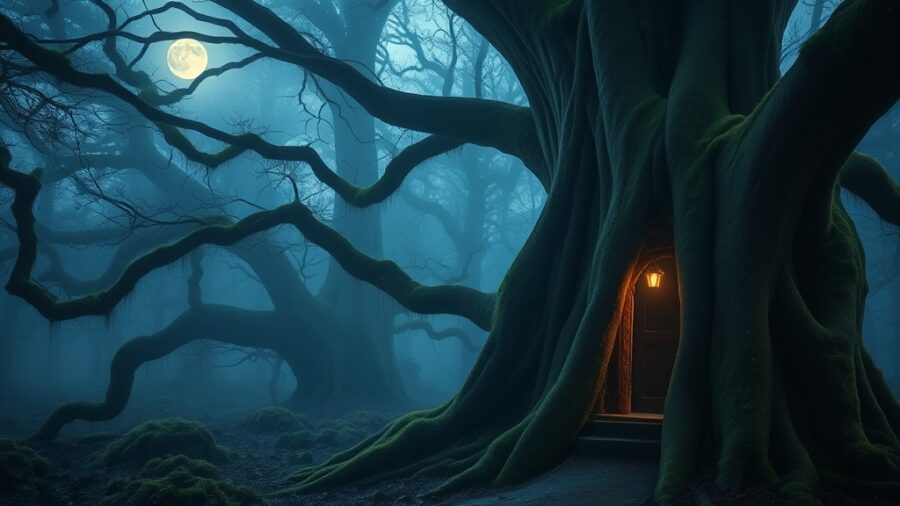
Celtic Mythology and Fairy Folklore: An In-Depth Exploration
Celtic mythology and fairy folklore represent a captivating tapestry of stories and beliefs that have intrigued scholars and enthusiasts alike. Encompassing a rich array of narratives, these tales often intertwine the realms of the otherworld and the natural environment, showcasing a profound respect for nature and its elements. This article delves into the celtic mythology fairy folklore, examining its origins, key figures, and the significance of nature in shaping these narratives. Additionally, we will explore the modern interpretations and enduring influence of these stories on contemporary literature.
As we embark on this journey through Celtic mythology, we will uncover the origins of these ancient beliefs, highlighting how they evolved over time. Important figures such as gods, goddesses, and mythical creatures will be introduced, revealing their roles in shaping the cultural identity of the Celtic people. Furthermore, we will discuss the comparison between Celtic mythology and other mythological traditions, shedding light on the unique elements that define this folklore.
Ultimately, this article aims to provide a comprehensive understanding of Celtic fairy folklore, its significance in historical context, and its relevance in modern storytelling. By the end, readers will gain insight into how these ancient tales continue to inspire creativity and cultural expression today.
Origins of Celtic Mythology
The Historical Context
The origins of Celtic mythology can be traced back to the early Iron Age, around 500 BCE, when the Celts began to establish themselves across Europe, particularly in regions that are now known as Ireland, Scotland, Wales, and parts of France. These early inhabitants brought with them a rich oral tradition that included stories of gods, heroes, and mythical creatures. Celtic mythology is deeply intertwined with the cultural, social, and political landscapes of the time.
One of the most significant sources of Celtic mythology is the Mythological Cycle, a collection of tales that detail the exploits of various deities and heroes. This cycle showcases the Celts’ reverence for the natural world, as many stories involve transformations that connect humans with animals and the elements. The tales were passed down orally for generations before being documented in texts such as the Book of Invasions and the Book of Kells, which were created during the Middle Ages.
Influence of Geography and Environment
The geographical diversity of the Celtic regions played a crucial role in shaping their mythology. From the misty mountains of Wales to the lush forests of Ireland, the environment influenced the types of stories that emerged. For instance, in Irish mythology, the Tuatha Dé Danann are depicted as supernatural beings who inhabit the hills and mounds of the landscape, suggesting a deep connection between the people and their environment.
Moreover, the Celts viewed the natural world as inhabited by spirits and deities, leading to a belief system where every river, tree, and stone held significance. This perspective is evident in the tales of the fairy folk, who are often portrayed as guardians of nature, embodying the very essence of the earth and its cycles.
Key Figures in Celtic Fairy Folklore
Deities and Their Attributes
Celtic mythology is populated by a pantheon of gods and goddesses, each with distinct characteristics and domains. Among the most revered figures is Danu, the mother goddess associated with fertility, wisdom, and the earth. She is often considered the matriarch of the Tuatha Dé Danann, symbolizing the nurturing aspects of nature.
Another important figure is Lugh, the god of light and craftsmanship, known for his skills in various arts and warfare. Celebrated during the festival of Lughnasadh, Lugh represents the importance of community and harvest in Celtic culture. His stories often highlight themes of heroism, leadership, and the interplay between the mortal and divine realms.
Mythical Creatures in Folklore
Celtic fairy folklore is rich with mythical creatures that embody the mysteries of nature. The Selkie, for instance, is a creature that can transform from seal to human, symbolizing the connection between land and sea. Legends of selkies often explore themes of love, loss, and the longing for freedom.
Another fascinating creature is the leprechaun, a mischievous fairy known for guarding pots of gold. Leprechauns are often depicted as small, bearded men who possess great cunning. Their stories reflect the Celtic view of wealth and fortune as elusive and tied to the whims of fate.
The Role of Nature in Celtic Beliefs
Nature as a Source of Spiritual Connection
In Celtic mythology, nature is not merely a backdrop but a vital component of spiritual life. The Celts believed that every aspect of the environment was imbued with spirit, leading to a pantheistic worldview that emphasized harmony with the natural world. Sacred groves, rivers, and mountains served as sites for worship and rituals, reinforcing the idea that nature was a living entity deserving of respect.
The reverence for nature is exemplified in the festival of Beltane, which celebrates the arrival of spring and the fertility of the earth. Bonfires are lit to honor the sun and invoke blessings for crops and livestock, illustrating the deep connection between the Celts and their agricultural practices.
Symbolism of Natural Elements
Natural elements in Celtic mythology are rich with symbolism. The oak tree, for instance, is a powerful symbol of strength and endurance, often associated with the god Dagda. Oak groves were sacred spaces where rituals were performed, and the tree itself was considered a bridge between the earthly and spiritual realms.
Similarly, the river is often seen as a pathway to the otherworld, with many myths involving characters who traverse these waters to reach their destinies. The River Shannon, for example, holds significant mythological weight, with stories of enchantment and transformation surrounding it.
| Element | Symbolism | Associated Deities |
|---|---|---|
| Oak Tree | Strength and endurance | Dagda |
| River | Pathway to otherworld | Various |
| Stone | Stability and permanence | Brigid |
Comparison of Celtic and Other Mythologies
Similarities and Differences
When comparing Celtic mythology with other mythological traditions, several similarities and differences emerge. Like Greek and Roman mythologies, Celtic tales often feature a pantheon of gods and goddesses, each governing various aspects of life and nature. However, unlike the more hierarchical structures of Greek mythology, Celtic mythology tends to emphasize the interconnectedness of all beings, blurring the lines between the divine and the mortal.
Another notable difference is the role of the otherworld in Celtic mythology. While many mythologies depict an underworld or afterlife, the Celtic otherworld is a place of beauty and abundance, often accessible through natural portals such as lakes or hills. This notion reflects the Celtic belief in cyclical existence rather than a linear path of life and death.
Influence of Cultural Exchange
The Celtic regions have been influenced by various cultures throughout history, including the Romans, Vikings, and Normans. These interactions have led to an amalgamation of mythological elements, enriching the Celtic folklore tapestry. For instance, the introduction of Norse mythology brought new mythical beings and narrative styles, resulting in hybrid stories that reflect both traditions.
Moreover, the spread of Christianity during the medieval period significantly impacted Celtic mythology. While many pagan traditions were suppressed, some elements were integrated into Christian practices, leading to a unique blend of beliefs that can still be seen in contemporary celebrations and folklore.
Modern Interpretations of Celtic Fairy Tales
Literary Adaptations and Their Impact
In recent years, there has been a resurgence of interest in Celtic fairy tales, with numerous authors drawing inspiration from these ancient stories. Works such as The Mabinogion and The Chronicles of Amber reflect the ongoing fascination with Celtic mythology, showcasing its themes of heroism, magic, and the supernatural. These adaptations often reinterpret traditional tales, making them accessible to modern audiences while retaining their cultural essence.
Authors like Seamus Heaney and Juliet Marillier have successfully woven Celtic themes into their narratives, blending historical context with rich storytelling. This has led to a renewed appreciation for the depth and complexity of Celtic fairy folklore, influencing both literature and popular culture.
Celtic Mythology in Film and Media
The influence of Celtic mythology extends beyond literature into film and media. Movies such as Brave and Song of the Sea have brought Celtic stories to life on screen, captivating audiences with their stunning visuals and emotional depth. These films often explore themes of family, identity, and the supernatural, resonating with viewers across generations.
Television series like Merlin and The Last Kingdom also incorporate elements of Celtic mythology, presenting a blend of historical fiction and fantasy. Through these modern interpretations, the rich narratives of Celtic fairy folklore continue to inspire creativity and resonate with contemporary audiences.
Celtic Folklore in Contemporary Literature
The Role of Folklore in Modern Storytelling
Contemporary literature often draws upon the themes and motifs found in Celtic folklore, using them to explore complex human experiences. Authors are increasingly incorporating Celtic elements into their works, creating a bridge between ancient narratives and modern storytelling techniques. This blending of traditions allows for a deeper exploration of identity, community, and the human condition.
Notable works such as The Night Circus by Erin Morgenstern and The Song of Achilles by Madeline Miller showcase how Celtic themes can be reimagined in fresh and innovative ways, appealing to a diverse readership. By reinterpreting these ancient tales, contemporary authors breathe new life into the rich traditions of Celtic mythology.
Impact on Cultural Identity
The revival of interest in Celtic mythology and fairy folklore has also played a significant role in shaping cultural identity among the Celtic diaspora. In regions such as North America and Australia, communities with Celtic heritage often celebrate their roots through festivals, storytelling events, and cultural organizations. This resurgence fosters a sense of belonging and pride in cultural heritage, reinforcing the relevance of these ancient tales in today’s world.
Moreover, the continued exploration of Celtic themes within contemporary literature highlights the enduring nature of these stories, demonstrating their ability to adapt and resonate across time and space. As society evolves, so too does the interpretation of Celtic mythology, ensuring its place in the cultural narrative.
Conclusion and Summary of Key Insights
Celtic mythology and fairy folklore offer a fascinating glimpse into the beliefs and values of the Celtic people. Through the exploration of origins, key figures, and the role of nature, we gain insight into a worldview that emphasizes interconnectedness and reverence for the environment. The comparison with other mythologies highlights the unique aspects of Celtic tradition, while modern interpretations demonstrate the enduring appeal of these ancient stories.
As we navigate the complexities of contemporary life, the themes found within Celtic fairy folklore—such as transformation, community, and the relationship between humans and nature—remain relevant and poignant. The revival of interest in these tales serves not only to preserve cultural heritage but also to inspire new generations of storytellers and creators.
FAQ
What are the main themes in Celtic mythology?
The main themes in Celtic mythology include the interconnectedness of all beings, the significance of nature, heroism, and transformation. These themes often reflect the Celtic worldview, emphasizing harmony between humanity and the natural environment.
Who are some of the notable figures in Celtic fairy folklore?
Notable figures in Celtic fairy folklore include Danu, the mother goddess; Lugh, the god of light; and various mythical creatures such as selkies and leprechauns. Each of these figures embodies distinct attributes and plays a significant role in Celtic narratives.
How has Celtic mythology influenced modern literature?
Celtic mythology has greatly influenced modern literature through adaptations and reinterpretations of traditional tales. Authors incorporate Celtic themes to explore complex human experiences, creating a bridge between ancient narratives and contemporary storytelling.
What is the significance of nature in Celtic beliefs?
Nature holds great significance in Celtic beliefs, viewed as a living entity imbued with spirit. Sacred groves, rivers, and mountains serve as sites for worship, reflecting the Celts’ deep respect for the natural world and its cycles.
How do Celtic fairy tales compare to other cultural myths?
Celtic fairy tales share similarities with other cultural myths, such as a pantheon of gods and goddesses. However, they differ in their emphasis on interconnectedness and the portrayal of the otherworld as a place of beauty and abundance, contrasting with more hierarchical mythologies.
Recap
- Celtic mythology is rooted in ancient traditions and oral storytelling.
- Key figures include gods like Danu and Lugh, along with mythical creatures such as selkies and leprechauns.
- Nature plays a vital role, symbolizing spiritual connection and reverence.
- Celtic mythology compares uniquely to other mythologies, emphasizing interconnectedness.
- Modern adaptations in literature and media reflect the enduring appeal of these tales.
- The revival of interest in Celtic folklore shapes cultural identity among diaspora communities.
- The themes of transformation and community remain relevant in today’s storytelling.
- Celtic mythology continues to inspire new generations, fostering creativity and cultural expression.