
Introduction to Dragon Myths
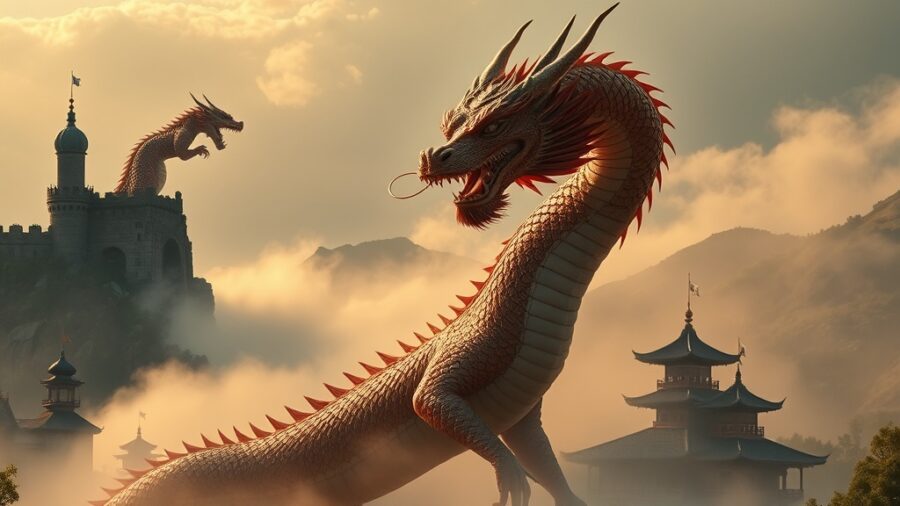
Throughout history, dragon myths have captivated the imaginations of people across the globe. These mythical creatures appear in various cultural narratives, often symbolizing power, wisdom, and sometimes chaos. From the ancient texts of Asia to the epic tales of Europe, dragons hold a significant place in the lore of numerous civilizations. In this article, we will explore the fascinating world of dragon myths across global cultures, delving into their roles, symbolism, and representations in modern media.
Understanding dragon mythology not only enriches our knowledge of different cultures but also highlights the universal themes that connect humanity. Dragons often embody the fears and aspirations of the societies that create them, reflecting their values and beliefs. As we traverse through various cultures, we will uncover how dragons serve as symbols of strength, guardians, and even harbingers of doom.
In the following sections, we will examine the role of dragons in Eastern and Western cultures, analyze their symbolism, and provide a comparative analysis of their representations. Additionally, we will explore how dragons have influenced modern media and literature. By the end of this exploration, readers will have a comprehensive understanding of the intricate tapestry of dragon myths worldwide.
The Role of Dragons in Eastern Cultures
Dragons in Eastern cultures, particularly in countries like China, Japan, and India, are typically revered as benevolent creatures. Unlike their Western counterparts, Eastern dragons are often associated with water, rain, and agriculture, embodying life-giving forces that are essential for fertility and prosperity.
Chinese Dragons: Symbols of Power and Good Fortune
In China, dragons are considered auspicious symbols and are often linked to the emperor. The Chinese dragon is a long, serpentine creature that represents strength, nobility, and good luck. Historically, the emperor of China was seen as the son of the dragon, and the dragon motifs adorned royal attire and architecture.
For example, during the annual Dragon Boat Festival, which dates back over 2,000 years, people race dragon-shaped boats to commemorate the ancient poet Qu Yuan. This festival not only celebrates cultural heritage but also highlights the dragon’s importance in Chinese mythology.
Japanese Dragons: Spiritual Guardians
In Japan, dragons are often depicted as water deities, believed to control rain and rivers. Unlike the aggressive Western dragons, Japanese dragons, such as Yamata no Orochi, are seen as protectors. These creatures are revered in Shinto beliefs and are often associated with various shrines, where they are honored as guardians of water sources.
One notable example is the Ryujin, the dragon god of the sea, who is said to have the ability to control tides and storms. In folklore, Ryujin is often depicted as a benevolent figure who aids fishermen and blesses crops with rain.
Dragons in Western Mythology
In stark contrast to their Eastern counterparts, dragons in Western mythology are often seen as malevolent beings. They are typically depicted as fire-breathing monsters that hoard treasure and terrorize villages. This negative portrayal has roots in ancient myths and the rise of Christianity, which often associated dragons with evil.
Medieval European Dragons: Fearsome Beasts
During the medieval period, dragons became symbols of chaos and destruction. The famous tale of St. George and the Dragon exemplifies this notion, where the dragon represents sin and St. George symbolizes virtue. This narrative served to illustrate the struggle between good and evil, a common theme in Christian teachings.
Dragons in medieval bestiaries were often described as creatures that could fly and breathe fire, instilling fear in the hearts of those who dared to confront them. They were also associated with greed, often depicted as hoarding gold and precious gems.
Dragons in Norse Mythology: Guardians of Treasure
Norse mythology presents a more complex view of dragons. In the tale of Fafnir, a dwarf who transforms into a dragon out of greed, the dragon becomes a symbol of the corrupting power of wealth. Fafnir’s story highlights the dual nature of dragons in Western culture, as both guardians and destroyers.
Moreover, the Norse dragon Nidhogg gnaws at the roots of Yggdrasil, the World Tree, symbolizing the cycle of destruction and rebirth. This portrayal reflects the Norse belief in the inevitability of fate and the constant struggle between creation and destruction.
Symbolism of Dragons in Different Cultures
The symbolism of dragons varies widely across cultures, reflecting the unique values and beliefs of each society. While some cultures view dragons as noble creatures, others see them as embodiments of chaos and destruction. This section will explore the contrasting symbols associated with dragons in different cultures.
Dragons as Symbols of Wisdom and Knowledge
In many cultures, dragons are seen as wise beings possessing great knowledge. For instance, in Chinese mythology, dragons are believed to hold the secrets of the universe, often depicted as wise sages. This association with wisdom is evident in numerous tales where dragons serve as mentors or guides to heroes on their quests.
In contrast, in Western mythology, dragons are often depicted as cunning creatures that must be outsmarted. The stories of heroes defeating dragons often emphasize the importance of intelligence and strategy over brute strength.
Dragons as Guardians and Protectors
Dragons also serve as guardians in various mythologies. In Hindu culture, the dragon-like serpent Naga is a protector of springs and rivers, embodying the spiritual connection to water. Similarly, in Mesoamerican cultures, the feathered serpent god Quetzalcoatl represents the duality of creation and destruction, symbolizing both life and death.
Conversely, in Western narratives, dragons are often adversaries that heroes must confront to protect their communities. This portrayal highlights the dragon’s role as a challenge that must be overcome, representing the struggles individuals face in life.
Comparative Analysis of Dragon Representations
A comparative analysis of dragon representations reveals significant differences and similarities between Eastern and Western cultures. Understanding these distinctions provides insight into the values and beliefs of each society.
Eastern vs. Western Dragons: A Comparative Overview
| Cultural Aspect | Eastern Dragons | Western Dragons |
|---|---|---|
| Nature | Benevolent, wise, and powerful | Malevolent, greedy, and destructive |
| Symbolism | Good fortune, protection, and fertility | Chaos, sin, and challenge |
| Role in Mythology | Guardians and deities | Adversaries to be defeated |
| Connection to Elements | Water and nature | Fire and destruction |
This table highlights the stark contrasts between Eastern and Western dragons, showcasing their differing roles within their respective mythologies. While Eastern dragons are celebrated as protectors and symbols of wisdom, Western dragons are often cast as villains that embody chaos.
Cross-Cultural Influences on Dragon Myths
Despite the differences, there are instances of cross-cultural influences that shape dragon myths. For example, during the Silk Road era, trade facilitated the exchange of stories and ideas between East and West. This exchange led to some Western narratives adopting elements of Eastern dragon symbolism, creating hybrid representations in modern literature.
Furthermore, contemporary media often blends these influences, depicting dragons with characteristics from both traditions. This fusion reflects the evolving nature of dragon myths and their ability to adapt to changing cultural contexts.
Dragons in Modern Media and Literature
In recent years, dragons have experienced a resurgence in popular culture, particularly in literature, film, and video games. This section will explore how dragons have been reimagined in modern media and their impact on contemporary storytelling.
Dragons in Fantasy Literature
Fantasy literature has played a pivotal role in shaping modern perceptions of dragons. Authors like J.R.R. Tolkien and George R.R. Martin have crafted intricate worlds where dragons are central to the narrative. In Tolkien’s The Hobbit, the dragon Smaug serves as a formidable antagonist, embodying greed and destruction.
Conversely, in Martin’s A Song of Ice and Fire series, dragons are depicted as powerful allies, symbolizing rebirth and the potential for change. This duality in representation reflects the complexity of dragon symbolism in contemporary storytelling.
Dragons in Film and Video Games
Dragons have also become iconic figures in film and video games. The How to Train Your Dragon franchise presents a unique perspective, portraying dragons as companions rather than foes. This friendly representation challenges traditional notions and promotes themes of friendship and understanding.
In video games, dragons often serve as formidable opponents or powerful allies. Titles such as The Elder Scrolls V: Skyrim allow players to engage with dragons in multifaceted ways, from battling them to forming bonds. This interactive experience further solidifies the dragon’s status as a versatile and enduring symbol in modern culture.
Conclusion
Dragon myths serve as a fascinating lens through which we can explore the values, fears, and aspirations of various cultures. From the benevolent dragons of the East to the fearsome beasts of the West, these mythical creatures embody a rich tapestry of symbolism and meaning. As we have seen, dragons play diverse roles across cultures, reflecting the complexity of human experience.
As modern media continues to reinterpret dragon myths, we witness a blending of traditions that allows for new narratives to emerge. Whether as symbols of wisdom, guardians, or adversaries, dragons remain powerful figures in our collective imagination. Understanding these myths not only enriches our cultural knowledge but also fosters a deeper appreciation for the stories that connect us all.
FAQ about Dragon Myths
1. What are the main differences between Eastern and Western dragons?
Eastern dragons are typically seen as benevolent creatures associated with water and agriculture, while Western dragons are often malevolent beings associated with fire and chaos. This distinction reflects the differing cultural values and beliefs of each region.
2. How have dragons influenced modern literature?
Dragons have become central figures in fantasy literature, often symbolizing power and transformation. Authors like J.R.R. Tolkien and George R.R. Martin have redefined dragons, portraying them as both formidable foes and powerful allies in their narratives.
3. Are dragons considered good or evil in mythology?
Dragons can embody both good and evil qualities, depending on the culture. In Eastern mythology, they are often seen as protectors, while in Western mythology, they are frequently depicted as villains. This duality highlights the complexity of dragon symbolism.
4. What role do dragons play in modern media?
In modern media, dragons are portrayed in various ways, from fearsome adversaries to loyal companions. Films like How to Train Your Dragon and video games such as The Elder Scrolls series showcase the versatility of dragon representations in contemporary storytelling.
5. How do dragon myths reflect cultural values?
Dragon myths often reflect the values and fears of the cultures that create them. For example, Eastern dragons symbolize prosperity and wisdom, while Western dragons represent chaos and greed. These representations provide insight into the cultural context and societal beliefs of each myth.
Recap
- Dragons hold significant cultural importance in both Eastern and Western mythologies.
- Eastern dragons are generally seen as benevolent, while Western dragons are often portrayed as malevolent.
- Dragons symbolize various themes, including wisdom, protection, chaos, and greed.
- Comparative analysis reveals striking differences and similarities in dragon representations across cultures.
- Modern literature and media have redefined dragons, showcasing their versatility as symbols in storytelling.
- Understanding dragon myths fosters deeper cultural appreciation and insight into human experiences.
- Dragons continue to evolve in popular culture, reflecting the changing nature of mythology.
- The duality of dragon symbolism highlights the complexity of their role in human narratives.