
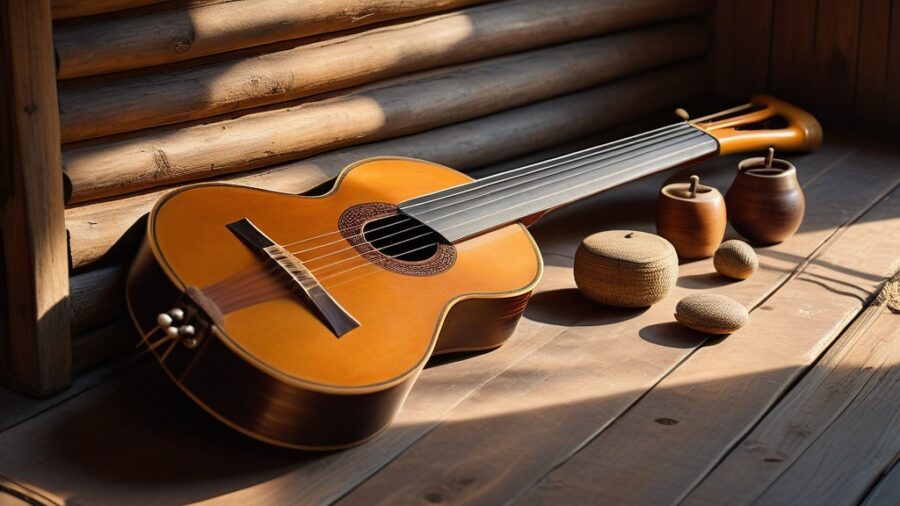
Folk Music Global Traditions: An Exploration of Cultural Heritage
Folk music is an integral aspect of global traditions, weaving the stories of communities and their cultural heritage into melodies and rhythms. It serves not only as entertainment but also as a means of preserving history, identity, and values across generations. In this article, we will delve into the essence of folk music, exploring its roots, regional variations, instruments, and its role in defining cultural identity. Moreover, we will examine modern interpretations that keep these traditions alive in contemporary society.
As we journey through the diverse landscape of folk music, we will uncover how different cultures interpret and express their experiences through song. From the lively jigs of Ireland to the heartfelt ballads of the American South, folk music captures the essence of human experience. Ultimately, we aim to provide insight into how these traditions contribute to the rich tapestry of our global cultural heritage.
By the end of this article, readers will gain a deeper understanding of folk music’s significance in various cultures, how it shapes identity, and the ways it is being reimagined in modern times. Join us on this exploration of folk music global traditions and discover the profound impact of music on cultural expression.
The Roots of Folk Music
Historical Context
The origins of folk music can be traced back to ancient times when communities relied on oral traditions to share stories, values, and experiences. It is often deeply connected to the daily lives of people, reflecting their struggles, celebrations, and aspirations. Early forms of folk music were typically passed down through generations, with variations arising based on local dialects, instruments, and cultural practices. This oral transmission ensured that the essence of each community’s identity was preserved within its music.
In Europe, for instance, folk music became a vital part of social gatherings and cultural celebrations. The Middle Ages saw the rise of troubadours and minstrels who shared stories through song, laying the groundwork for the diverse folk traditions that would develop over the centuries. Similarly, in Africa, folk music has long served as a means of storytelling, with rhythmic patterns and call-and-response techniques that engage the community.
Influences from Various Cultures
Folk music is characterized by its ability to absorb influences from different cultures, leading to the creation of unique styles and genres. For example, the blending of African, European, and Indigenous musical traditions has given rise to various forms of folk music in the Americas. The 19th century saw the emergence of genres such as Appalachian folk music, which incorporated elements from Scottish and Irish music, as well as African rhythms.
Moreover, globalization has further accelerated the exchange of musical traditions, allowing folk music to evolve continuously. Today, artists often draw inspiration from a multitude of sources, resulting in innovative interpretations that maintain the spirit of traditional folk while appealing to modern audiences.
Regional Variations in Folk Music
North America
In North America, folk music is incredibly diverse, reflecting the continent’s rich tapestry of cultures. From the haunting melodies of Native American music to the lively bluegrass of the Appalachian region, each tradition tells a unique story. The American folk revival of the 1960s played a crucial role in popularizing traditional music, leading to a resurgence of interest in artists like Bob Dylan and Joan Baez.
Additionally, the influence of African American folk traditions, such as the blues and gospel, has significantly shaped the musical landscape. These genres emphasize emotional expression and storytelling, often addressing themes of struggle and resilience. The fusion of these various traditions has given rise to a distinctly American folk music scene that continues to thrive today.
Europe
Europe boasts a wealth of folk music traditions, each with its distinct sound and cultural significance. In countries like Ireland and Scotland, folk music is characterized by its lively dance tunes and poignant ballads. Instruments such as the fiddle, accordion, and bodhrán are commonly used, creating a vibrant and engaging musical experience.
In Eastern Europe, folk music often features complex rhythms and intricate harmonies, reflecting the diverse cultural influences in the region. For example, the Balkan tradition is known for its asymmetrical time signatures and energetic dance rhythms, while Russian folk music incorporates rich vocal harmonies and storytelling elements.
| Region | Key Characteristics | Instruments |
|---|---|---|
| North America | Diverse styles, emphasis on storytelling | Guitar, banjo, fiddle |
| Europe | Varied rhythms and harmonies, dance tunes | Fiddle, accordion, bodhrán |
| Africa | Call-and-response, community engagement | Drums, mbira, kora |
Instruments Used in Folk Traditions
Traditional Instruments
The instruments used in folk music vary widely across cultures, each contributing to the distinct sound of a region’s musical tradition. In North America, instruments such as the banjo, guitar, and fiddle are prevalent, often accompanying songs that reflect the everyday lives of the people. These instruments have their roots in various cultures, including African, European, and Indigenous influences.
In contrast, European folk music features instruments like the accordion, bagpipes, and hurdy-gurdy. These instruments not only create unique sounds but also serve as a symbol of cultural identity, connecting communities to their heritage. The use of traditional instruments often enhances the storytelling aspect of folk music, allowing musicians to convey emotions and experiences more vividly.
Modern Adaptations
As folk music evolves, so too do the instruments used to create it. Today, many folk musicians incorporate modern instruments like the electric guitar and synthesizers, blending traditional sounds with contemporary styles. This fusion not only attracts new audiences but also revitalizes interest in folk music, ensuring its survival in an ever-changing musical landscape.
Additionally, technological advancements have made it easier for musicians to record and share their work, leading to increased collaboration across genres and cultures. This cross-pollination of ideas has resulted in innovative interpretations of folk music that resonate with diverse audiences worldwide.
The Role of Folk Music in Cultural Identity
Preserving Heritage
Folk music plays a vital role in preserving cultural heritage, serving as a repository of history, values, and traditions. Through song, communities can pass down stories of their ancestors, historical events, and social values that define their identity. This preservation is particularly important in an age of globalization, where cultural homogenization threatens to erode local traditions.
For instance, Indigenous folk music often incorporates elements of spirituality and connection to the land, emphasizing the importance of cultural identity in the face of external pressures. By keeping these traditions alive, communities ensure that future generations remain connected to their roots and cultural heritage.
Community and Belonging
Folk music fosters a sense of community and belonging, bringing people together through shared experiences and collective participation. Whether it’s a local festival, a family gathering, or a community event, folk music creates an atmosphere of unity, allowing individuals to connect with one another on a deeper level.
Moreover, folk music often addresses social issues and challenges faced by communities, serving as a form of resistance and empowerment. Through song, artists can express their struggles, hopes, and aspirations, creating a space for dialogue and connection among listeners. This communal aspect of folk music strengthens cultural identity and reinforces a sense of belonging within the community.
| Aspect | Importance |
|---|---|
| Heritage Preservation | Passes down history and values |
| Community Engagement | Fosters unity and belonging |
| Social Commentary | Addresses challenges and inspires change |
Modern Interpretations of Folk Music
Fusion Genres
In recent years, there has been a noticeable trend towards the fusion of folk music with other genres, resulting in innovative sounds that appeal to contemporary audiences. Artists are increasingly blending traditional folk elements with styles such as rock, jazz, and electronic music. This fusion not only revitalizes folk music but also introduces it to new listeners who may not have otherwise engaged with traditional forms.
For example, artists like Fleet Foxes and Of Monsters and Men have incorporated folk elements into their sound, creating a modern interpretation that resonates with a diverse range of audiences. These artists often draw on traditional melodies and storytelling techniques while infusing their music with contemporary themes and production techniques.
Global Collaborations
As technology continues to connect people across the globe, collaborations between folk musicians from different cultures have become increasingly common. These partnerships allow for the exchange of ideas, styles, and sounds, resulting in rich and diverse musical experiences. For instance, the collaborations between Western folk artists and musicians from Africa or Asia have led to the creation of unique cross-cultural sounds that celebrate the beauty of diversity.
Such collaborations not only promote cultural exchange but also highlight the shared human experience that transcends borders. By embracing these connections, folk music continues to evolve while maintaining its roots in tradition.
Conclusion
Folk music is a powerful expression of cultural heritage, capturing the essence of communities and their experiences. From its historical roots to regional variations, instruments, and modern interpretations, folk music remains a vital part of global traditions. It serves as a bridge between the past and the present, preserving stories and values that define cultural identity.
As we have explored, folk music fosters a sense of belonging and community, allowing individuals to connect with their roots and each other. In an ever-changing world, the evolution of folk music through fusion genres and global collaborations ensures that these traditions remain relevant and accessible to new generations. Ultimately, folk music is not just a genre; it is a living testament to the resilience and creativity of humanity.
FAQ
What is folk music?
Folk music refers to traditional music that originates from the common people of a specific region or culture. It often reflects the everyday lives, values, and experiences of the community, and is typically passed down through generations.
How does folk music differ from other genres?
Folk music primarily focuses on storytelling and cultural expression, often using traditional instruments and melodies. Unlike popular music, which may prioritize commercial appeal, folk music emphasizes authenticity and connection to cultural heritage.
What role does folk music play in cultural identity?
Folk music plays a crucial role in preserving cultural identity by passing down stories and values. It fosters a sense of belonging and community, allowing individuals to connect with their roots and each other through shared experiences and collective participation.
How has folk music evolved in modern times?
Folk music has evolved through the fusion of traditional elements with contemporary genres, leading to innovative sounds that appeal to modern audiences. Collaborations between folk musicians from different cultures have also enriched the genre, promoting cultural exchange and diversity.
Why is it important to preserve folk music traditions?
Preserving folk music traditions is essential for maintaining cultural heritage and identity. It allows future generations to connect with their roots, understand their history, and appreciate the diversity of human experiences.
Recap
- Folk music is a vital aspect of global traditions, preserving cultural heritage.
- It has historical roots and has evolved through regional variations and influences.
- Instruments play a key role in defining the sound of folk music.
- Folk music fosters community and belonging, emphasizing shared experiences.
- Modern interpretations include fusion genres and global collaborations.
- Preserving folk music traditions is crucial for cultural identity and heritage.
- Folk music continues to thrive in contemporary society, appealing to diverse audiences.