
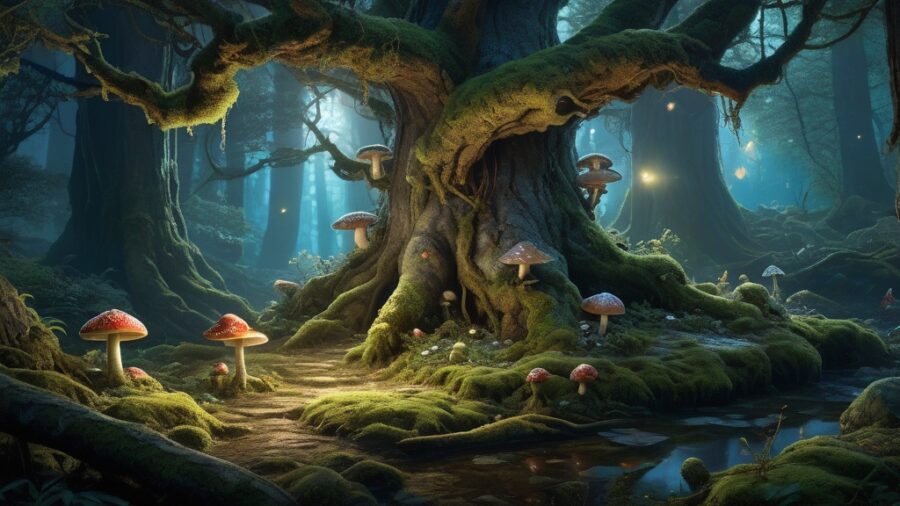
Introduction to Goblin Fairy Folklore
Goblin fairy folklore traditions are a captivating aspect of cultural narratives that have fascinated societies for centuries. These mythical creatures, often depicted as mischievous or malevolent, represent a rich tapestry of beliefs and stories passed down through generations. In this article, we will delve into the origins, significance, and modern interpretations of goblin fairies, revealing the intricate ways in which they shape our understanding of folklore and culture.
The concept of goblins has permeated various cultures, often embodying the fears, desires, and moral lessons of the people. As we explore the goblin fairy folklore traditions, we will uncover the historical context that birthed these enchanting beings and how they have evolved over time. This journey will illuminate the universal themes of folklore and its enduring impact on contemporary society.
Prepare to embark on an exploration of goblin fairies, where we will examine their origins, their roles in different cultures, and how they continue to influence modern storytelling. From ancient tales to modern adaptations, the significance of goblin fairies remains relevant, inviting us to reflect on our own beliefs and values.
The Origins of Goblin Fairies
Historical Roots and Early Accounts
The origins of goblin fairies can be traced back to medieval Europe, where they were often depicted in literature and oral traditions. Initially, the term “goblin” appeared in the late 14th century, derived from the Old French word “gobelin.” These creatures were often portrayed as small, grotesque beings with a penchant for causing mischief. Early accounts, such as those found in Geoffrey Chaucer’s “The Canterbury Tales,” highlighted the goblin’s trickster nature, setting the stage for their role in folklore.
Throughout history, goblin fairies have been associated with various supernatural attributes. In many cultures, they were believed to inhabit the wilderness and were often linked to natural phenomena. For instance, in German folklore, goblins were thought to be the guardians of the forest, ensuring that the balance of nature was maintained. This connection to the environment reflects the human tendency to attribute agency to the unseen forces of nature.
Regional Variations and Interpretations
As goblin fairy stories spread across Europe, distinct regional variations emerged, each reflecting local customs and beliefs. In England, for example, goblins were often depicted as malevolent beings who would steal children or play pranks on unsuspecting villagers. In contrast, Irish folklore introduced the concept of the “leprechaun,” a type of goblin known for its mischievous yet somewhat benevolent nature.
In Scandinavian folklore, the “troll” serves as a parallel to the goblin, often depicted as a large, brutish creature living in the mountains. These regional interpretations showcase the adaptability of the goblin archetype, allowing it to resonate with diverse audiences. The variations also underscore the role of cultural context in shaping folklore, as each community imbued goblins with characteristics that reflected their societal values and fears.
Goblin Fairies in European Folklore
Prominent Myths and Legends
Throughout European history, goblin fairies have featured prominently in numerous myths and legends. One notable tale is that of “The Goblin Market” by Christina Rossetti, which explores themes of temptation and redemption through two sisters who encounter goblin merchants selling enchanted fruit. This narrative intertwines the allure of the supernatural with moral lessons, a common theme in folklore.
Another significant story is the tale of “Rumpelstiltskin,” where a goblin-like figure offers to spin straw into gold in exchange for a firstborn child. This narrative exemplifies the darker aspects of goblin folklore, illustrating the consequences of greed and the importance of keeping one’s promises. Such stories serve not only as entertainment but also as cautionary tales that convey essential societal values.
Folklore and Community Beliefs
In many communities, goblin fairies were believed to influence daily life, from agricultural practices to social behavior. Farmers, for instance, would leave offerings to goblins in hopes of securing good harvests or avoiding misfortune. These rituals reflected a deep-seated belief in the interconnectedness of human existence and the supernatural world.
Moreover, goblins were often invoked in explanations for unexplained phenomena. Illness, crop failure, or livestock misfortune could be attributed to the whims of these fairies. As such, the presence of goblin fairies in folklore served to provide a framework for understanding the uncertainties of life, reinforcing the belief that human actions could influence the favor of these mystical beings.
Cultural Significance of Goblin Fairies
Folklore as a Reflection of Societal Norms
The cultural significance of goblin fairies extends beyond mere storytelling; they are a lens through which we can examine societal norms and values. Goblins often embody the fears and anxieties of the communities from which they originate. For example, goblins’ mischievous and sometimes malevolent behavior can be interpreted as a reflection of societal concerns about the unknown and the unpredictable nature of life.
In many societies, goblins represent the “other,” serving as a metaphor for outsiders or those who do not conform to societal expectations. These creatures often challenge the status quo, prompting communities to confront their beliefs and behaviors. As a result, goblin folklore can be seen as a means of negotiating cultural identity and social cohesion.
Influence on Art and Literature
The impact of goblin fairy folklore on art and literature is profound, inspiring countless works across various mediums. The fantastical imagery associated with goblins has been depicted in paintings, sculptures, and literature, influencing artists and writers alike. The Pre-Raphaelite Brotherhood, for example, drew inspiration from goblin tales, creating evocative artworks that captured the essence of these mythical beings.
In contemporary literature, authors such as J.K. Rowling have incorporated goblin folklore into their narratives, revitalizing interest in these creatures for modern audiences. The portrayal of goblins in “Harry Potter” as both cunning and resourceful beings highlights the enduring fascination with goblin folklore and its capacity to adapt to new contexts.
Modern Interpretations of Goblin Folklore
Reimagining Goblins in Popular Culture
In recent years, goblin fairy folklore has undergone a significant transformation in popular culture. The traditional image of goblins as malevolent tricksters has evolved to include more nuanced portrayals. In films, television shows, and literature, goblins are often depicted with a blend of humor and charm, making them relatable figures rather than purely antagonistic ones.
For instance, in the animated series “Trollhunters,” goblins are reimagined as complex characters with their own struggles and motivations. This shift in portrayal reflects a broader trend in storytelling, where characters are given depth and complexity, allowing audiences to empathize with them. Such modern interpretations challenge traditional narratives and invite a reevaluation of the role of goblins in folklore.
Goblins in Gaming and Fantasy
The rise of fantasy gaming has further popularized goblin folklore, with these creatures appearing in numerous video games, tabletop games, and role-playing scenarios. In games like “Dungeons & Dragons,” goblins are often featured as playable races with unique abilities and characteristics. This gamification of goblin lore has introduced these mythical beings to a new generation, encouraging exploration of their origins and significance.
The incorporation of goblins into gaming emphasizes the adaptability of folklore, as players engage with these characters in interactive narratives. This form of storytelling not only entertains but also educates players about the rich history and cultural significance of goblin fairies.
FAQs about Goblin Fairy Folklore Traditions
What are goblin fairies?
Goblin fairies are mythical creatures rooted in folklore, often depicted as mischievous or malevolent beings. They have a rich history in various cultures, particularly in European traditions, where they embody themes of trickery and moral lessons.
Where did goblin folklore originate?
The origins of goblin folklore can be traced back to medieval Europe, with the term “goblin” appearing in the late 14th century. Early accounts often portrayed these creatures as small, grotesque beings associated with mischief and supernatural events.
How do goblins differ across cultures?
Goblins vary significantly across cultures. In England, they are often seen as malevolent, while Irish folklore introduces more benevolent versions, like leprechauns. Scandinavian traditions feature trolls, who share similarities with goblins but are typically depicted as larger and more brutish.
What role do goblins play in modern storytelling?
In modern storytelling, goblins have been reimagined as complex characters, often with humor and charm. They appear in various forms of media, including literature, film, and video games, allowing for new interpretations that resonate with contemporary audiences.
Why are goblins significant in folklore?
Goblins hold cultural significance as they reflect societal norms, fears, and values. Their stories often serve as cautionary tales or moral lessons, providing insights into the beliefs and concerns of the communities that created them.
Conclusion and Key Takeaways
In conclusion, the exploration of goblin fairy folklore traditions reveals a rich and complex tapestry of beliefs and narratives that have evolved over centuries. From their historical roots in medieval Europe to their modern interpretations in popular culture, goblins continue to capture the imagination of audiences worldwide. The significance of these mythical beings extends beyond mere entertainment; they serve as reflections of societal values, fears, and the human experience.
As we have seen, goblin fairies embody the duality of human nature, representing both the mischievous and the moralistic aspects of folklore. Their stories provide valuable insights into the cultural fabric of the societies that created them, highlighting the enduring relevance of folklore in understanding our world. In a rapidly changing cultural landscape, the adaptability of goblin fairy traditions ensures their continued significance in our collective imagination.
- Goblin fairies are rooted in medieval European folklore.
- Their portrayal varies significantly across cultures.
- Folklore serves as a reflection of societal norms and values.
- Modern adaptations have redefined goblins in popular culture.
- Goblins play a significant role in gaming and fantasy narratives.
- They embody themes of trickery, morality, and cultural identity.
- Contemporary interpretations continue to engage and educate audiences.
- Goblins remain relevant symbols in folklore and storytelling.