
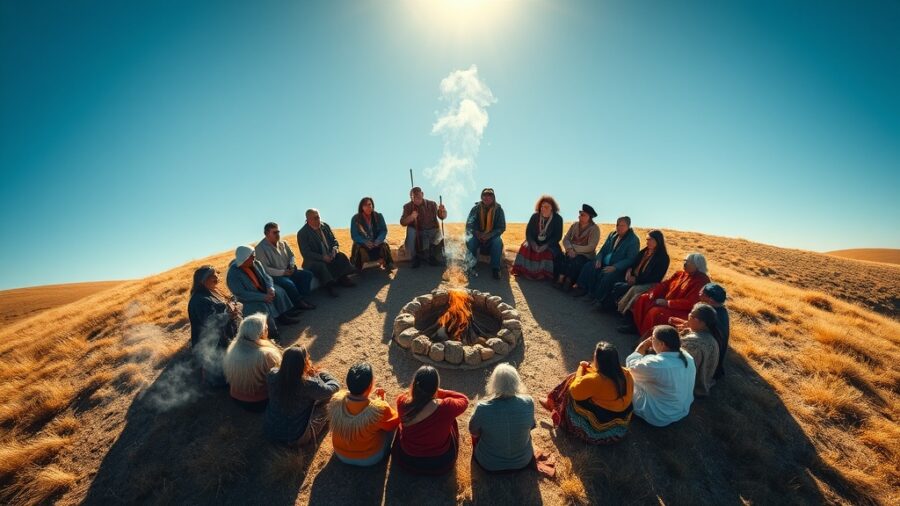
Indigenous Governance Systems Models: An In-Depth Exploration
Indigenous governance systems models are crucial frameworks that guide the self-determination and political organization of Indigenous communities around the world. These systems are not merely alternatives to Western governance; they represent a rich tapestry of cultural values, traditions, and practices that have evolved over centuries. In this article, we will delve into the complexities of indigenous governance, exploring its historical context, key characteristics, and the various models that exist today. By understanding these systems, readers will gain insight into the importance of respecting and integrating Indigenous governance into broader societal frameworks.
The significance of Indigenous governance systems cannot be overstated, especially in the context of ongoing struggles for Indigenous rights and sovereignty. As nations grapple with questions of representation and inclusivity, Indigenous governance offers valuable lessons in community engagement and participatory decision-making. This article promises to provide a comprehensive overview of these systems, including a comparative analysis with Western governance models, case studies of successful implementations, and the challenges faced by Indigenous communities in asserting their governance.
Through a detailed examination of indigenous governance systems models, we aim to highlight their relevance not only to Indigenous peoples but also to all who are interested in fostering sustainable and equitable societies. The subsequent sections will cover the historical roots of these systems, their defining features, and the innovative ways they have been adapted in different cultural contexts. By the end of this exploration, readers will have a thorough understanding of the intricate dynamics of Indigenous governance and its potential to inspire broader societal change.
Historical Context of Indigenous Governance
The Evolution of Governance Structures
The historical context of Indigenous governance systems is rich and varied, shaped by millennia of social, political, and environmental factors. Before the arrival of European colonizers, Indigenous communities operated under diverse governance structures that were intricately tied to their cultural identities and local ecosystems. These systems often emphasized consensus-building, community involvement, and a deep connection to the land.
For instance, the Iroquois Confederacy, established around the 12th century, exemplifies an early form of representative governance where member nations came together to make collective decisions. This model not only influenced the political landscape of North America but also provided foundational ideas that would later permeate Western democratic thought. Similarly, the governance systems of the Maori in New Zealand reflect a deep-rooted tradition of communal decision-making, where local leaders (Iwi) play a pivotal role in representing the interests of their tribes.
Impact of Colonization on Indigenous Governance
The arrival of European powers drastically altered the landscape of Indigenous governance. Colonization led to the imposition of foreign legal systems and governance structures that often disregarded the existing Indigenous systems. This disruption was not just legal; it was cultural and spiritual, eroding the traditional practices and values that had sustained Indigenous communities for generations.
In many cases, colonial governments sought to assimilate Indigenous peoples, undermining their sovereignty and self-determination. For example, the Indian Act of 1876 in Canada sought to control various aspects of Indigenous life, effectively dismantling traditional governance systems. This legislative framework is still felt today, as Indigenous communities continue to fight for the recognition and revitalization of their governance structures.
Key Characteristics of Indigenous Governance Systems
Holistic Approach to Governance
Indigenous governance systems are often characterized by a holistic approach that integrates social, economic, cultural, and environmental dimensions. Unlike Western governance models that frequently compartmentalize these aspects, Indigenous systems view them as interdependent. This interconnectedness is evident in how decisions are made; leaders consider the long-term impacts on not just the community but also the land and future generations.
For example, many Indigenous communities engage in practices that reflect their stewardship of the environment, emphasizing sustainable resource management that aligns with their cultural values. This approach not only addresses immediate community needs but also ensures ecological balance and resilience.
Consensus-Based Decision Making
Another defining characteristic of Indigenous governance is the reliance on consensus-based decision-making processes. This method fosters inclusivity and ensures that all voices within the community are heard. The decision-making process often involves extensive dialogue, where leaders facilitate discussions that allow for diverse perspectives to be considered.
- Strengthening community bonds
- Encouraging participatory governance
- Mitigating conflicts through dialogue
For instance, the Inuit governance model emphasizes consensus, where decisions are made collectively, reflecting the community’s values and traditions. This method contrasts sharply with adversarial systems often seen in Western contexts, where decisions can be made by a majority without considering the minority’s views.
Comparative Analysis: Indigenous vs. Western Governance
Fundamental Differences in Approach
When comparing Indigenous governance systems to Western governance models, several fundamental differences emerge. Indigenous systems are deeply rooted in cultural traditions and community values, whereas Western models are often based on legal frameworks and individual rights. This distinction affects how each system approaches issues such as land management, resource allocation, and community welfare.
Western governance typically emphasizes individualism and market-driven approaches, which can lead to exploitation of both people and resources. In contrast, Indigenous governance prioritizes collective well-being and sustainability, aligning decisions with the long-term health of the community and environment. This divergence highlights the importance of integrating Indigenous perspectives into broader governance discussions to foster more equitable and sustainable outcomes.
Implications for Policy and Governance
The implications of these differences extend beyond philosophical debates; they impact real-world policies and governance strategies. For example, Indigenous-led initiatives often focus on restorative justice and healing practices that aim to mend relationships within communities and with the land. Policies developed from Indigenous governance models can enhance social cohesion and environmental stewardship, providing valuable lessons for contemporary governance challenges.
| Aspect | Indigenous Governance | Western Governance |
|---|---|---|
| Decision-Making | Consensus-Based | Majority Rule |
| Focus | Collective Well-Being | Individual Rights |
| Resource Management | Sustainable Practices | Market-Driven |
| Cultural Integration | Central to Governance | Often Excluded |
Case Studies of Successful Indigenous Governance Models
The Iroquois Confederacy
The Iroquois Confederacy, also known as the Haudenosaunee, serves as a powerful example of a successful Indigenous governance model. Established around the 12th century, it united several tribes in what is now the northeastern United States and Canada. The Confederacy’s governance structure is notable for its emphasis on collective decision-making and shared leadership among its member nations.
This model not only facilitated peace and cooperation among the tribes but also established principles of democracy that would later influence the framework of the United States Constitution. The Great Law of Peace, which governs the Confederacy, exemplifies the importance of community consensus and the interconnectedness of all living things.
The Māori Governance Model
In New Zealand, the Māori have developed a governance model that integrates traditional practices with contemporary legal frameworks. The Treaty of Waitangi, signed in 1840 between Māori chiefs and the British Crown, laid the foundation for Māori rights and governance within New Zealand. Despite historical grievances, many Māori communities have successfully reasserted their governance through the establishment of iwi (tribes) and hapū (sub-tribes) structures that reflect their cultural values.
For instance, the Ngāi Tahu iwi has successfully negotiated settlements that empower them to manage their resources and govern their land. Their governance model emphasizes sustainability and cultural heritage, showcasing how Indigenous systems can thrive in a modern context while honoring traditional practices.
Challenges Facing Indigenous Governance Systems
Legal and Political Barriers
Despite the resilience and strength of Indigenous governance systems, they face numerous challenges that hinder their effectiveness. One of the most significant obstacles is the legal and political barriers imposed by state governments. Many Indigenous communities struggle for recognition of their governance structures within existing legal frameworks, which often prioritize Western models.
For example, in Canada, the Indian Act continues to impose restrictions on how Indigenous communities can govern themselves, limiting their ability to exercise self-determination. This legal framework often conflicts with traditional practices, creating tension between Indigenous governance and imposed regulations.
Sociocultural Challenges
In addition to legal barriers, sociocultural challenges also affect the efficacy of Indigenous governance systems. Many Indigenous communities contend with the impacts of colonization, including loss of language, cultural practices, and community cohesion. The legacy of residential schools and forced assimilation policies has resulted in generational trauma, complicating efforts to revitalize traditional governance structures.
- Loss of cultural identity
- Intergenerational trauma and its effects
- Challenges in community cohesion and participation
These sociocultural challenges necessitate a holistic approach to governance that not only addresses political and legal issues but also prioritizes healing and cultural revitalization within Indigenous communities.
The Future of Indigenous Governance Systems
Revitalization and Integration
The future of Indigenous governance systems appears promising, with a growing recognition of their value in contemporary governance discussions. As more Indigenous communities assert their rights and seek to revitalize traditional governance structures, there is potential for greater integration of these systems into national and local governance frameworks.
Efforts to incorporate Indigenous perspectives into policy-making processes have gained momentum, with various governments acknowledging the importance of Indigenous knowledge in areas such as environmental management and social justice. For instance, collaborative initiatives between Indigenous and non-Indigenous communities are emerging, fostering mutual respect and understanding.
Empowerment through Education and Advocacy
Education and advocacy play crucial roles in shaping the future of Indigenous governance systems. By empowering younger generations with knowledge of their cultural heritage and governance practices, Indigenous communities can build resilience and capacity for self-determination. Educational programs that integrate Indigenous history and governance into school curricula can promote understanding among non-Indigenous populations, fostering a more inclusive society.
Additionally, advocacy efforts aimed at securing legal recognition and support for Indigenous governance systems are essential. Grassroots movements, legal challenges, and partnerships with allies can drive systemic change, ensuring that Indigenous voices are heard and respected in governance discussions.
Conclusion
In summary, Indigenous governance systems models represent a vital aspect of Indigenous identity and self-determination. Through a historical lens, we have explored the evolution and resilience of these systems, highlighting their key characteristics such as holistic approaches and consensus-based decision-making. The comparative analysis with Western governance frameworks emphasizes the need for integrating Indigenous perspectives into broader governance discussions.
Successful case studies like the Iroquois Confederacy and Māori governance demonstrate the efficacy and relevance of Indigenous governance in modern contexts. However, challenges persist, including legal barriers and socio-cultural issues that must be addressed to ensure the empowerment of Indigenous communities. Looking forward, the revitalization of Indigenous governance systems, coupled with education and advocacy, will play a crucial role in shaping a more inclusive and equitable future.
Frequently Asked Questions (FAQ)
What are Indigenous governance systems?
Indigenous governance systems are frameworks that guide the self-determination and political organization of Indigenous communities. They emphasize cultural values, community participation, and sustainable practices tailored to local ecosystems.
How do Indigenous governance models differ from Western models?
Indigenous governance models often prioritize collective well-being and consensus-based decision-making, whereas Western models tend to focus on individual rights and majority rule. This fundamental difference influences policy-making and community engagement.
Can Indigenous governance systems be integrated into modern governance?
Yes, there is a growing recognition of the value of Indigenous governance systems in contemporary governance discussions. Collaborative initiatives and legal recognition efforts are paving the way for greater integration and respect for Indigenous perspectives.
What challenges do Indigenous governance systems face today?
Indigenous governance systems encounter various challenges, including legal and political barriers, sociocultural issues stemming from colonization, and the need for revitalization of traditional practices within communities.
What is the future of Indigenous governance systems?
The future of Indigenous governance systems is promising, with potential for revitalization and integration into broader governance frameworks. Education and advocacy play critical roles in empowering Indigenous communities and promoting understanding among non-Indigenous populations.
Recap of Key Points
- Indigenous governance systems models are rooted in cultural traditions and emphasize community well-being.
- Historical context reveals the resilience of Indigenous governance despite colonization’s challenges.
- Key characteristics include holistic approaches and consensus-based decision-making processes.
- Comparative analysis highlights fundamental differences with Western governance models.
- Successful case studies like the Iroquois Confederacy showcase effective Indigenous governance.
- Challenges include legal barriers and sociocultural issues that must be addressed for revitalization.
- The future of Indigenous governance lies in empowerment through education and advocacy.