
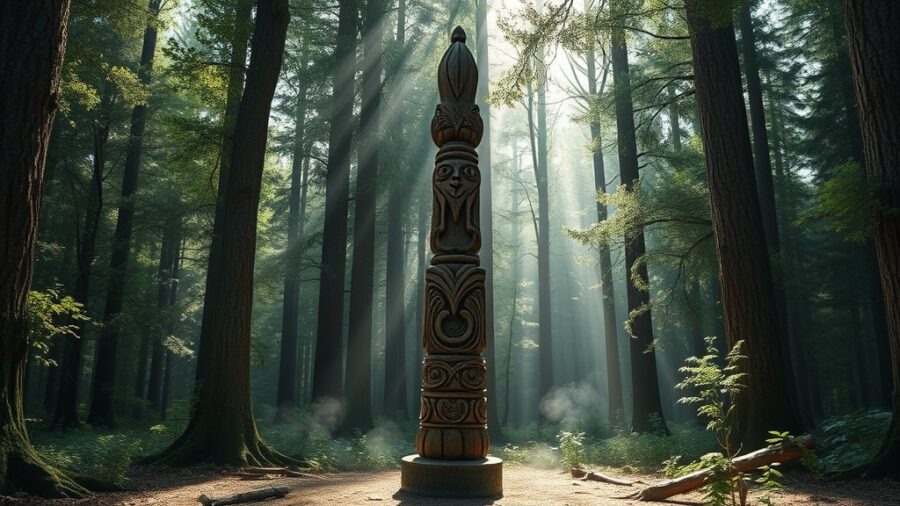
Understanding Slavic Mythology and Folklore Creatures
Slavic mythology is a rich tapestry of beliefs, stories, and folklore that has been woven over centuries by the Slavic peoples of Eastern Europe. Slavic mythology folklore creatures are not just figments of imagination; they embody the values, fears, and dreams of those who believed in them. From the ethereal spirits of the forest to the fearsome creatures lurking in the shadows, these mythological beings offer a glimpse into the ancient worldview and cultural identity of the Slavs.
This article delves deep into the fascinating world of Slavic mythology, examining its origins, key creatures, and the intricate relationship between nature and these folklore entities. Readers will gain an understanding of how these beings impact modern culture and how they compare with mythologies from other regions. Our journey will reveal not only the enchanting stories of these creatures but also the profound lessons they impart about life, nature, and humanity.
As we explore Slavic folklore, we will consider the cultural significance of these mythological beings, the role they played in societal beliefs, and how they continue to influence contemporary literature, art, and media. Whether you are a mythology enthusiast or a curious newcomer, this exploration promises to enlighten and inspire.
The Role of Nature in Slavic Mythology
Nature as a Living Entity
In Slavic mythology, nature is not merely a backdrop for human activity; it is seen as a living entity, imbued with spirit and significance. Forests, rivers, and mountains are often personified and revered. The Slavs believed that natural elements possessed souls, which made them sacred. Such beliefs are reflected in various folklore creatures associated with these elements, such as the Leshy, the spirit of the forest, who protects the woods and its inhabitants.
The connection between the Slavs and nature is illustrated by the rituals and customs that honor the changing seasons, agricultural cycles, and celestial events. For example, the celebration of Kupala Night, held on the summer solstice, involves various rituals that celebrate fire and water, reflecting the duality and importance of these natural elements. This festival is rich with folklore, including stories of the water nymph, Rusalki, who are said to emerge from the depths of rivers and lakes during this time.
Animals in Slavic Folklore
Animals hold a significant place in Slavic mythology, often serving as symbols of wisdom, strength, or cunning. Creatures like the Wolf, Bear, and Eagle are frequently featured in tales, representing various human traits and values. For example, the Wolf is seen as a symbol of loyalty and courage, while the Bear embodies strength and resilience.
These animals are not just characters in stories; they often possess magical qualities, capable of speaking or transforming. This reflects the Slavic belief in the interconnectedness of all living beings and the idea that animals can serve as guides or protectors for humans. The use of animal symbolism reinforces the need for harmony between humanity and the natural world, a theme that resonates throughout Slavic folklore.
Key Slavic Folklore Creatures
The Leshy: Guardian of the Forest
The Leshy is one of the most iconic creatures in Slavic mythology. Often depicted as a tall man with green hair, he is the protector of the forest and its inhabitants. The Leshy is known for his playful yet mischievous nature, often leading travelers astray or playing tricks on those who disrespect the forest.
Legends say that the Leshy can shape-shift into any creature, blending seamlessly into his surroundings. He is also said to have a family—his wife, the Leshacha, and children, who assist him in guarding the forest. To appease the Leshy, it was customary for locals to leave offerings of bread or tobacco at the edge of the woods, ensuring safe passage and goodwill.
The Rusalka: Spirit of Water
Another prominent creature in Slavic folklore is the Rusalka, a water spirit often depicted as a beautiful young woman with long hair. Rusalki are believed to dwell in rivers, lakes, and ponds, and they are associated with the fertility of the land and the cycle of life and death. They are known for their enchanting songs that can lure men to water, sometimes leading to tragic outcomes.
Traditionally, Rusalki were thought to be souls of young women who died tragically, particularly by drowning. Their connection to water represents both beauty and danger, illustrating the dual nature of life itself. Festivals celebrating Rusalki often involve rituals to honor the spirits and seek their blessings for fertility and protection.
The Influence of Slavic Folklore on Modern Culture
Literature and Art
Slavic mythology continues to inspire contemporary literature and art, with many authors and artists drawing upon these rich tales. Writers such as Alexander Pushkin and contemporary authors like Marina and Sergey Dyachenko have incorporated Slavic folklore into their narratives, exploring themes of identity, nature, and the supernatural.
Visual artists also find inspiration in these mythological creatures, creating illustrations and paintings that capture their essence. The mystical qualities of Slavic folklore are evident in the works of artists like Ivan Bilibin, whose vibrant illustrations have brought these legends to life. The enduring appeal of these stories showcases their cultural significance and the universal themes they embody.
Film and Media
The influence of Slavic mythology extends into modern film and media as well. Movies and television series often adapt these ancient stories, bringing them to a broader audience. Productions such as “The Witcher,” based on the works of Andrzej Sapkowski, have popularized Slavic folklore creatures, introducing them to viewers worldwide.
These adaptations not only entertain but also serve to educate audiences about the rich cultural heritage of the Slavic peoples. By presenting folklore in a contemporary context, filmmakers and writers breathe new life into these age-old tales, ensuring their relevance for future generations.
Comparing Slavic Mythology with Other Mythologies
Similarities with Norse Mythology
When comparing Slavic mythology with other mythologies, one can draw fascinating parallels, particularly with Norse mythology. Both traditions feature a pantheon of gods and goddesses, as well as a rich array of creatures that interact with humans. For instance, just as the Norse have their own nature spirits like elves and trolls, Slavic mythology boasts figures like Domovoi and Leshy.
Both mythologies also emphasize the importance of nature. In Norse tales, the Yggdrasil tree connects the nine worlds, while in Slavic folklore, the forest and its creatures are central to cultural stories. These similarities highlight a shared human experience of reverence for the natural world and the belief in supernatural beings that influence daily life.
Differences from Greek Mythology
While there are similarities, Slavic mythology also presents distinct differences, particularly when compared to Greek mythology. Greek mythology is characterized by its well-defined pantheon of gods with human-like traits and complex relationships, while Slavic mythology often features a more fluid and less hierarchical structure.
In Greek tales, gods like Zeus and Hera play central roles in human affairs, often interfering directly, whereas Slavic creatures like the Leshy and Rusalka are more tied to nature and less involved in human governance. This difference reflects a unique worldview where humans and nature coexist in a delicate balance, rather than one dominated by divine intervention.
Conclusion and Key Takeaways
Slavic mythology and its folklore creatures offer a captivating glimpse into the cultural heritage of the Slavic peoples. Through the exploration of beings like the Leshy and Rusalka, we uncover the deep connections between nature, humanity, and the supernatural that define these ancient stories. As we have seen, these myths are not only historical artifacts but continue to influence modern literature, art, and media.
The enduring power of Slavic folklore lies in its ability to resonate with universal themes of life, death, and the natural world. As we honor these tales, we also celebrate the rich tapestry of human experience that transcends time and geographical boundaries. Understanding Slavic mythology enables us to appreciate the diverse ways cultures interpret their relationship with nature and the mysteries of existence.
FAQs about Slavic Mythology and Folklore Creatures
What is Slavic mythology?
Slavic mythology is a collection of beliefs, stories, and traditions of the Slavic peoples, encompassing a vast array of deities, spirits, and folklore creatures. It reflects the values and worldview of these cultures, integrating elements of nature, spirituality, and morality.
Who are the most famous creatures in Slavic folklore?
Some of the most famous creatures include the Leshy, the Rusalka, and the Domovoi. Each of these beings has unique characteristics and plays specific roles within the folklore, often embodying the relationship between humanity and nature.
How has Slavic mythology influenced modern culture?
Slavic mythology has significantly influenced modern culture through literature, art, and media. Contemporary authors and filmmakers draw inspiration from these ancient tales, ensuring their relevance and introducing them to new audiences worldwide.
What themes are prevalent in Slavic mythology?
Common themes in Slavic mythology include the connection between nature and humanity, the cycle of life and death, and the interplay between good and evil. These themes reflect the cultural values and beliefs of the Slavic peoples.
Are there similarities between Slavic and other mythologies?
Yes, there are notable similarities between Slavic mythology and other mythologies, such as Norse and Celtic traditions. These similarities often include the reverence for nature, the presence of supernatural beings, and shared themes of morality and human experience.
Recap of Key Points
- Slavic mythology is a rich collection of beliefs centered around nature and folklore creatures.
- The Leshy and Rusalka are key figures representing the spirits of the forest and water.
- Nature plays a vital role in Slavic mythology, with animals symbolizing various human traits.
- Modern literature and media continue to be inspired by Slavic folklore.
- Comparisons with other mythologies reveal both similarities and differences in themes and structures.
- Understanding these myths enhances our appreciation of cultural heritage and human experience.