
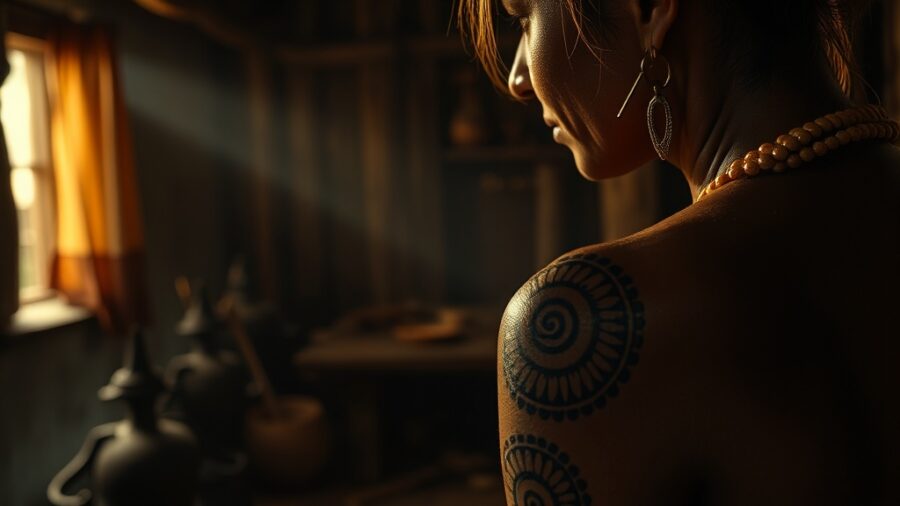
Exploring Traditional Body Modification Customs: A Comprehensive Overview
Traditional body modification customs encompass a wide array of practices that have been integral to various cultures throughout history. These customs not only serve aesthetic purposes but also hold significant cultural and spiritual meanings. In this article, we will delve into the rich tapestry of these practices, examining their historical context, cultural significance, and the various types that exist around the globe. By the end of this exploration, readers will gain a deeper understanding of how body modification has shaped identities and cultural expressions across different societies.
As we navigate through the world of traditional body modification, we will uncover the reasons behind these customs, from rites of passage to symbols of status and beauty. We will also discuss modern perspectives on these practices, considering the ethical and legal implications that surround them today. The discussion will not only highlight the importance of body modification in traditional settings but also how these practices have evolved over time.
With a focus on traditional customs, we will analyze specific examples from various cultures, illustrating how body modifications are practiced and perceived differently around the world. The rich history and significance of these customs reveal much about human culture, identity, and societal values. Whether you are a scholar, a cultural enthusiast, or simply curious about the topic, this article aims to provide a thorough examination of traditional body modification customs and their relevance today.
Historical Context of Body Modification
Ancient Practices and Their Origins
The history of body modification can be traced back thousands of years, with evidence of practices found in ancient civilizations. For instance, the ancient Egyptians practiced cranial shaping, where the skull of infants was intentionally deformed to create an elongated shape, believed to signify nobility. This practice dates back to around 3000 BC and highlights the early use of body modification as a status symbol.
Similarly, the indigenous peoples of the Americas have a long history of body modification, including tattooing and piercing. The Aztecs, for example, adorned their bodies with intricate tattoos that often held spiritual significance, representing their connection to the gods and the natural world. These practices were not merely aesthetic but served as vital components of cultural identity and belief systems.
Evolution Through the Ages
As societies evolved, so did the methods and meanings behind body modification. In ancient Rome, for example, piercing was common among both men and women, often signifying social status or military rank. By the Middle Ages, the practice of tattooing began to decline in Europe due to the rise of Christianity, which viewed such markings as pagan and sinful. However, among other cultures, such as the Maori in New Zealand, tattooing became even more significant, with the *ta moko* representing lineage and personal achievements.
This historical overview illustrates that traditional body modification customs have not only persisted through time but have also adapted and transformed according to cultural shifts and societal values. Understanding this historical context is essential for grasping the current significance of these practices.
Cultural Significance of Body Modification Practices
Rites of Passage and Identity Formation
Body modification often plays a crucial role in rites of passage within various cultures. For instance, in some African tribes, scarification is a traditional practice that marks the transition from childhood to adulthood. These scars are not only physical alterations but also serve as a testament to an individual’s journey and identity within the community.
In the Philippines, the *batok* tattooing tradition of the Kalinga people symbolizes bravery and accomplishments. The tattoos are earned through acts of valor or significant life events, signifying the individual’s status and personal history. This practice reinforces the idea that body modification is deeply intertwined with personal and communal identity.
Expression of Cultural Heritage
Traditional body modifications also serve as expressions of cultural heritage. For example, the *moko* tattoos of the Maori people are considered sacred, with each design representing stories, lineage, and the individual’s connection to their ancestors. These tattoos are not simply decorative but carry profound meanings that are respected and revered within the culture.
Furthermore, practices such as lip plating among the Mursi and Surma tribes in Ethiopia highlight how body modification can signify beauty ideals within specific cultures. The larger the plate, the more attractive the individual is perceived to be, reflecting societal values around beauty and status.
| Culture | Modification Type | Significance |
|---|---|---|
| Maori (New Zealand) | Tattooing (Moko) | Symbolizes lineage and identity |
| Mursi (Ethiopia) | Lip plating | Beauty and social status |
| Kalinga (Philippines) | Tattooing (Batok) | Bravery and accomplishments |
| African Tribes | Scarification | Rite of passage |
Types of Traditional Body Modifications
Scarification
Scarification is a body modification practice that involves cutting or branding the skin to create permanent scars. This technique is prevalent in various cultures, particularly in Africa and among indigenous tribes. The process can be intricate, with designs often representing tribal affiliations, social status, or personal milestones.
For example, among the Suri and Mursi tribes of Ethiopia, scarification serves as a rite of passage that demonstrates courage and resilience. The scars are a source of pride and identity, marking significant life events. In contrast, in some Western cultures, scarification is viewed differently, often associated with rebellion or non-conformity.
Tattooing
Tattooing is one of the most recognized forms of body modification, with roots that span across continents and cultures. Traditional tattooing practices can vary immensely in styles and meanings. For instance, the *Iban* people of Malaysia use intricate tattoos to signify achievements and personal stories, often related to their connection to nature and spirituality.
In contrast, the *Samoan* tattooing tradition, known as *tatau*, is a sacred practice that requires extensive rituals and training. The tattoos are applied using traditional tools, and the process can take many hours, symbolizing the individual’s strength and commitment to their culture.
- Scarification: Permanent scars created for aesthetic or ritualistic purposes.
- Tattooing: Inking the skin with designs that hold cultural or personal significance.
- Body Piercing: Inserting jewelry into various body parts, often with ritual implications.
- Lip Plating: Inserting discs into the lower lip, a practice seen in certain African tribes.
- Cranial Shaping: Altering the shape of the skull, historically practiced in cultures like the Maya and Egyptians.
Modern Perspectives on Traditional Body Modification
Resurgence of Interest in Traditional Practices
In recent years, there has been a resurgence of interest in traditional body modification practices, particularly among younger generations seeking to reconnect with their cultural roots. This revival is often characterized by a blending of traditional techniques with modern aesthetics, creating a unique fusion of old and new.
Social media platforms have played a significant role in this revival, providing a space for individuals to showcase their body modifications and share their cultural stories. This exposure has led to increased appreciation and acceptance of traditional practices, as well as a dialogue about their significance in contemporary society.
Controversies and Cultural Appropriation
Despite the growing interest, modern perspectives on body modification are not without controversy. The issue of cultural appropriation has arisen, particularly when individuals outside a culture adopt traditional practices without understanding their significance. This can lead to the commodification of sacred customs, stripping them of their cultural meanings.
For instance, the trend of tattooing traditional motifs from indigenous cultures by individuals who are not part of those communities can be viewed as disrespectful. It raises important questions about ownership, respect, and the ethical implications of engaging with cultural symbols. As such, discussions surrounding body modification practices must navigate these complex cultural dynamics.
| Aspect | Traditional View | Modern Perspective |
|---|---|---|
| Scarification | Rite of passage, cultural identity | Rebellion, aesthetic choice |
| Tattooing | Spiritual significance | Personal expression, fashion statement |
| Body Piercing | Social status, beauty | Trendy, self-expression |
| Lip Plating | Cultural tradition | Exoticism, appropriation concerns |
Legal and Ethical Considerations
Regulatory Frameworks
As body modification practices become more mainstream, various legal and ethical considerations come into play. Different countries have established regulatory frameworks governing body modification procedures, particularly regarding safety and consent. For instance, in some regions, specific laws dictate the age at which individuals can undergo procedures like tattooing and piercing, ensuring that minors are protected.
Moreover, the rise of professional body modification artists has led to increased standards within the industry. Many practitioners now adhere to strict hygiene protocols and ethical guidelines to protect their clients and promote safe practices. This professionalization contributes to the legitimacy of body modification as an art form and cultural practice.
Ethical Implications of Cultural Appropriation
Ethical considerations surrounding body modification also extend to issues of cultural appropriation. As mentioned previously, the adoption of traditional practices by those outside the culture can lead to significant ethical dilemmas. Engaging with these practices requires a deep understanding and respect for their origins and meanings.
Consequently, it is essential for individuals interested in traditional body modifications to educate themselves about the cultural significance behind these practices. This awareness promotes respectful engagement and helps to prevent the commodification of sacred customs.
Conclusion
Traditional body modification customs are rich in history and cultural significance, serving as powerful expressions of identity, beauty, and spirituality. From scarification to tattooing, these practices have evolved over centuries, reflecting societal values and individual experiences. As we explore the modern perspectives on these customs, it is crucial to approach them with respect and understanding, acknowledging their significance within their cultural contexts.
In an increasingly globalized world, the intersection of traditional body modification practices with contemporary trends raises important questions about ethics, ownership, and cultural appreciation. By fostering respectful dialogues and promoting cultural awareness, we can celebrate the diversity of human expression through body modification while ensuring that traditional customs are honored and preserved.
Frequently Asked Questions
What is traditional body modification?
Traditional body modification refers to practices that involve altering the body for cultural, spiritual, or aesthetic reasons. These modifications can include tattooing, scarification, piercing, and other forms that hold significant meaning within specific cultures.
Why do cultures practice body modification?
Cultures practice body modification for various reasons, including rites of passage, expressions of identity, and adherence to beauty standards. These modifications often symbolize personal achievements, social status, or spiritual beliefs within the community.
Is body modification safe?
When performed by trained professionals in hygienic environments, body modification can be safe. However, individuals should always consider potential risks and ensure that they understand the procedures and aftercare involved.
What are the legal age requirements for body modification?
Legal age requirements for body modification vary by country and region. In many places, individuals must be at least 18 years old to undergo procedures like tattooing or piercing without parental consent.
How can I respectfully engage with traditional body modification practices?
To engage respectfully with traditional body modification practices, it is essential to educate yourself about the cultural significance behind these customs. Understanding their meanings and origins helps ensure that you approach them with the necessary respect and appreciation.
Recap
- Traditional body modification customs encompass a variety of cultural practices with deep historical roots.
- These practices serve as expressions of identity, beauty, and spiritual beliefs across diverse cultures.
- Scarification and tattooing are prominent forms of body modification that hold significant meanings in various societies.
- Modern perspectives on body modification raise issues of cultural appropriation and ethical considerations.
- Legal frameworks exist to ensure the safety and consent of individuals undergoing body modification.
- Respectful engagement with traditional practices requires education and understanding of their cultural significance.
- The resurgence of interest in traditional body modification highlights a growing appreciation for cultural heritage.
- Body modification practices continue to evolve, reflecting contemporary societal values and personal expression.