
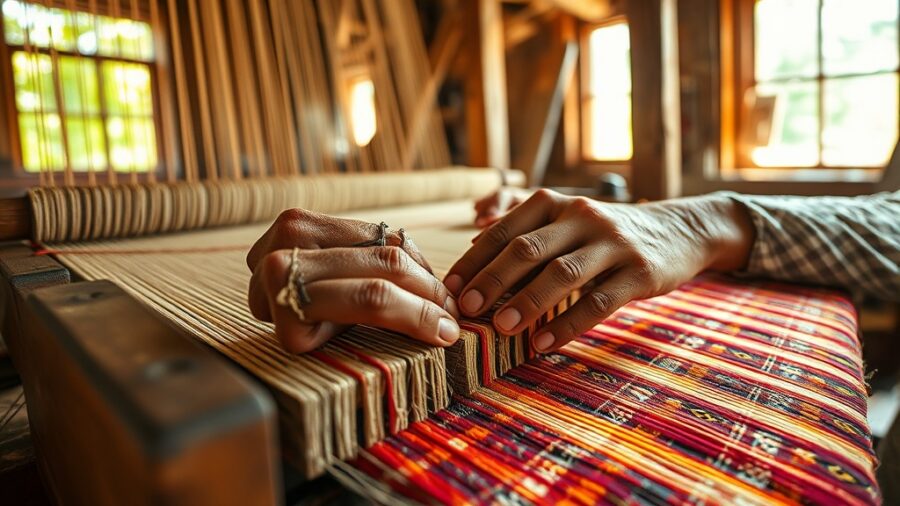
Introduction to Traditional Crafts and Artisan Heritage
Traditional crafts and artisan heritage represent a significant aspect of cultural identity across the globe. These crafts not only showcase the skills and creativity of artisans but also encapsulate centuries of history and tradition. In a world increasingly dominated by mass production, understanding the importance of these traditional crafts becomes essential. This article will delve into the historical significance, cultural roles, and future prospects of traditional crafts, providing a comprehensive overview of artisan heritage.
Artisan craftsmanship is often passed down through generations, reflecting the unique characteristics of the communities from which they originate. From pottery in Mexico to weaving in India, each craft tells a story that connects the present to the past. This article will explore how these crafts contribute to cultural identity and community cohesion, as well as the challenges they face in a rapidly changing world.
Moreover, as globalization continues to influence local economies and artistic practices, the preservation of artisan heritage has become increasingly critical. This exploration will highlight the efforts made to sustain these invaluable traditions while considering how they can adapt in modern contexts. Join us as we navigate the intricate landscape of traditional crafts and their enduring legacy.
Historical Significance of Traditional Crafts
The Origin of Traditional Crafts
The roots of traditional crafts can be traced back thousands of years, where they evolved from the necessity of everyday life. For instance, pottery, one of the oldest crafts, dates back to around 29,000 BC in Eastern Europe. This craft not only served functional purposes but also reflected the aesthetic values of the time. Similarly, textiles have been a vital part of human civilization, with evidence of weaving dating back to 5000 BC in ancient Peru.
As societies developed, traditional crafts became intertwined with local economies. In places like Japan, the art of kimono making has been a hallmark of cultural expression since the Heian period (794-1185). Each region developed its unique styles and techniques, contributing to a rich tapestry of artisan practices that vary significantly from one locale to another.
Impact of Historical Events on Crafts
Throughout history, various events have significantly influenced the evolution of traditional crafts. The Industrial Revolution in the 18th and 19th centuries marked a pivotal turning point. While it led to mass production and the decline of many handcrafted items, it also sparked a revival of interest in traditional crafts as a reaction against mechanization. Movements such as the Arts and Crafts Movement in the late 19th century emphasized the value of handmade goods and the skills of the artisan.
Moreover, colonization and globalization have both challenged and enriched traditional crafts. They brought new materials and techniques, allowing artisans to innovate while preserving their heritage. However, they also posed threats to traditional practices, as local artisans struggled to compete with cheaper, mass-produced goods. Understanding these historical dynamics is crucial for appreciating the current landscape of traditional crafts.
The Role of Artisan Heritage in Cultural Identity
Cultural Significance of Artisan Crafts
Artisan heritage plays a vital role in shaping cultural identities. Crafts are not just products; they are expressions of cultural narratives and values. For example, the intricate designs of Navajo rugs in the United States carry deep meanings tied to the tribe’s history and beliefs. Each pattern and color choice reflects the natural environment and spiritual connections, making them more than mere decorative items.
Furthermore, traditional crafts serve as a means of cultural transmission. Through the act of creating, artisans share stories, techniques, and values with the younger generations. This transmission fosters a sense of belonging and continuity within communities. Events such as craft fairs and workshops often facilitate this exchange, allowing artisans to engage with the public and educate them about their traditions.
Artisan Crafts as a Unifying Force
In addition to cultural expression, traditional crafts can unite communities. In many regions, communal workshops and festivals celebrate local crafts, bringing people together to honor their shared heritage. For instance, the annual International Folk Art Market in Santa Fe, New Mexico, showcases artisans from around the world, promoting cultural exchange and understanding.
Moreover, artisan heritage can be a source of pride and identity for marginalized communities. By highlighting their unique crafts, these communities can assert their presence and value in the broader societal context. This is particularly evident in regions where traditional crafts have become symbols of resistance against cultural homogenization.
| Region | Traditional Craft | Cultural Significance |
|---|---|---|
| Japan | Kimono Making | Symbol of cultural identity and heritage |
| Mexico | Pottery | Reflects indigenous history and aesthetics |
| India | Weaving | Represents regional diversity and craftsmanship |
| USA | Navajo Rugs | Embodies tribal history and beliefs |
Challenges Facing Traditional Crafts Today
Impact of Globalization
Globalization has drastically affected traditional crafts, presenting both opportunities and challenges. While it has facilitated the exchange of ideas and techniques, it has also led to the commodification of artisan products. Mass production often overshadows handcrafted items, making it challenging for artisans to compete in price.
Additionally, the influx of foreign goods can dilute local traditions, leading to a loss of authenticity. Consumers may opt for cheaper, mass-produced alternatives, diminishing the demand for handcrafted items. This shift not only affects the livelihoods of artisans but also threatens the survival of traditional skills.
Technological Advancements and Craftsmanship
While technology offers new platforms for artisans to market their crafts, it can also pose a threat to traditional methods. The rise of online marketplaces has changed consumer behavior, with many shoppers seeking convenience over authenticity. As a result, artisans may feel pressured to adopt modern production techniques that compromise their traditional craftsmanship.
However, technology can also aid in preservation efforts. Social media platforms allow artisans to showcase their work to a global audience, fostering appreciation for traditional crafts. Websites and blogs dedicated to artisan heritage can raise awareness and create a supportive community for artisans.
Preservation Efforts for Artisan Heritage
Government and Institutional Support
Efforts to preserve traditional crafts often involve collaboration between artisans, governments, and cultural institutions. Many countries have recognized the importance of artisan heritage and have implemented policies to support these crafts. For example, UNESCO’s Intangible Cultural Heritage program aims to safeguard traditional practices worldwide, providing a framework for recognition and support.
In addition to international efforts, local initiatives often play a crucial role. Craft councils and nonprofit organizations work to promote artisan skills through training programs, workshops, and grants. These initiatives not only sustain traditional crafts but also empower artisans to thrive economically.
Community-Led Preservation Initiatives
Grassroots movements have also emerged to preserve artisan heritage at the community level. Many artisans collaborate with local schools and organizations to teach traditional crafts to younger generations. These initiatives foster a sense of pride and belonging while ensuring that skills are not lost.
Additionally, community festivals and exhibitions celebrate local crafts, encouraging public interest and appreciation. These events provide a platform for artisans to showcase their work, connect with consumers, and share their stories. By engaging the community, these initiatives strengthen the fabric of cultural heritage and ensure its continuation.
| Preservation Effort | Description | Impact |
|---|---|---|
| UNESCO Programs | International recognition of traditional practices | Increased visibility and funding |
| Local Craft Councils | Support for training and workshops | Empowerment of artisans |
| Community Festivals | Celebration of local crafts | Public engagement and interest |
The Future of Traditional Crafts in a Modern World
Adapting to Change
The future of traditional crafts depends on their ability to adapt to changing societal needs and preferences. Many artisans are innovating by blending traditional techniques with contemporary designs, thus appealing to modern consumers while preserving their heritage. For instance, some potters are experimenting with new glazes and forms that cater to contemporary aesthetics.
Moreover, sustainability has become a significant focus in the artisan community, with many artisans prioritizing eco-friendly materials and practices. This shift aligns with the growing consumer demand for sustainable products, offering artisans a viable pathway to remain relevant in the market.
Building Global Connections
As traditional crafts continue to evolve, building global connections will be essential for their survival. Collaborations between artisans from different cultures can lead to innovative practices and cross-cultural exchanges that enrich the artisan landscape. Online platforms allow artisans to share their work and connect with a broader audience, fostering appreciation for their crafts.
Furthermore, educational programs and workshops can cultivate a new generation of artisans who are equipped with the skills to carry on these traditions. By embracing technology and global networks, traditional crafts can thrive in the modern world while maintaining their unique cultural identities.
Conclusion and Reflection on Artisan Heritage
Traditional crafts and artisan heritage are invaluable components of cultural identity, reflecting the history, values, and creativity of communities worldwide. As we have explored, these crafts face numerous challenges, including globalization and technological advancements, that threaten their existence. However, through concerted preservation efforts, both at the institutional and community levels, there is hope for the future of traditional crafts.
By adapting to modern demands while staying true to their roots, artisans can ensure that their heritage continues to thrive. The ongoing dialogue between tradition and innovation is crucial for the survival of these crafts. As consumers, we play a vital role in supporting artisans by choosing handcrafted products and advocating for the value of artisan heritage.
As we reflect on the rich tapestry of traditional crafts, it becomes clear that they are more than just objects; they are vessels of cultural memory and identity. Embracing and promoting artisan heritage is essential for sustaining the diversity and vibrancy of our global cultures.
Frequently Asked Questions about Traditional Crafts
What are traditional crafts?
Traditional crafts refer to handmade items created using techniques passed down through generations. These crafts often reflect the cultural heritage and identity of a community, showcasing unique skills and artistry.
Why are traditional crafts important?
Traditional crafts are vital for preserving cultural identity, promoting community cohesion, and supporting local economies. They embody historical narratives and artistic expressions that connect people to their heritage.
What challenges do traditional crafts face today?
Traditional crafts face challenges such as globalization, mass production, and changing consumer preferences. These factors can threaten the livelihoods of artisans and lead to a decline in traditional practices.
How can traditional crafts be preserved?
Preservation efforts can include government support, community-led initiatives, and educational programs that promote artisan skills. Celebrating traditional crafts through festivals and workshops also helps raise awareness and appreciation.
What is the future of traditional crafts?
The future of traditional crafts lies in their ability to adapt to modern demands while retaining their cultural essence. By embracing sustainability and global connections, artisans can thrive in a changing landscape.
- Traditional crafts reflect cultural identity and history.
- Artisan heritage contributes to community cohesion.
- Globalization poses challenges to traditional craftsmanship.
- Preservation efforts are essential for sustaining artisan skills.
- Innovation and sustainability are key to the future of crafts.
- Community engagement fosters appreciation for traditional arts.
- Global connections can enhance artisan practices.
- Education is vital for passing down traditional skills.