
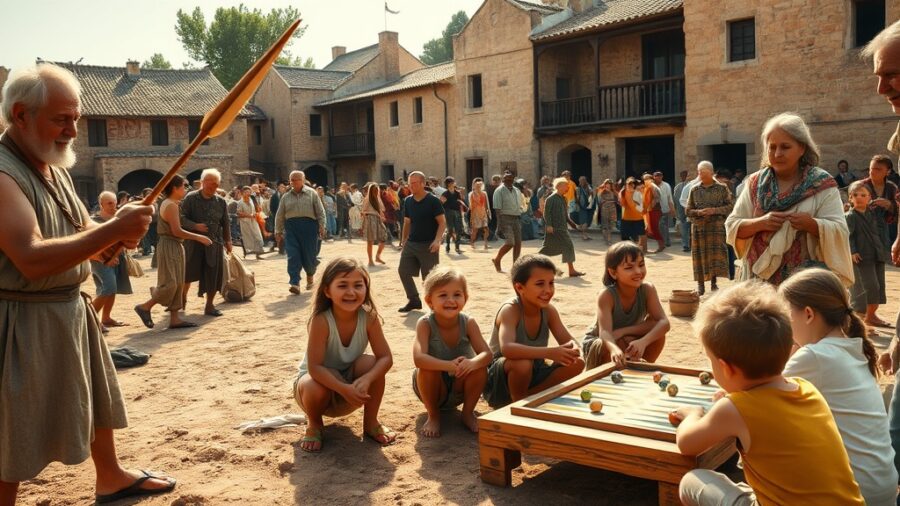
Traditional Games Sports Heritage: A Deep Dive
Traditional games sports heritage represents a rich tapestry of cultural significance that has been woven through generations. These games not only serve as a form of entertainment but also embody the values, traditions, and histories of communities worldwide. In this article, we will explore the various aspects of traditional games, their historical significance, cultural impact, and the efforts being made to preserve them in modern society. By the end of this journey, you will gain a comprehensive understanding of how traditional games shape identities and foster community bonds.
From the ancient past to the present day, these games have evolved yet retained their core elements, reflecting the evolution of societies themselves. The unique practices and customs associated with traditional sports offer insights into the way people live, compete, and connect. As we delve deeper, we will uncover the fascinating stories behind these games and their enduring legacy. You will also learn about the importance of preserving these games in today’s fast-paced world, where modern sports often overshadow them.
Join us in exploring the world of traditional games sports heritage, discovering how these activities not only entertain but also educate and unite people across different cultures. Let’s embark on this exploration and appreciate the richness of our shared human experience through play.
Historical Significance of Traditional Games
The Origins of Traditional Games
The history of traditional games can be traced back thousands of years, often linked to ancient civilizations. For instance, the Mesoamerican ballgame, known as “Ōllamaliztli,” dates back to at least 1400 BCE and was played by the Olmecs, Mayans, and Aztecs. This game held religious significance and was often associated with rituals and ceremonies.
Similarly, the ancient Greeks played a variety of games, including the Olympic Games, which began in 776 BCE in Olympia. These events were not just athletic competitions but were deeply intertwined with religion and community pride. The historical timeline of traditional games showcases how they often served as a means of uniting communities and celebrating shared identities.
Evolution Through the Ages
Over the centuries, traditional games have evolved in response to social, economic, and political changes. For example, traditional Inuit games, such as the “Kiviuq,” have adapted over time to reflect the changing lifestyles of the Inuit people. These games not only entertain but also teach essential survival skills and foster community cohesion.
In Europe, traditional games like “Kabaddi” in India and “Haggis Toss” in Scotland have persisted, often becoming symbols of national pride. The historical significance of these games lies not only in their entertainment value but also in their ability to convey stories and lessons from the past, reinforcing social values and cultural heritage.
Cultural Impact of Traditional Games
Reflection of Societal Values
Traditional games often reflect the **cultural values** and social norms of the communities in which they originate. For instance, games that require teamwork, such as “Patanjali” in India, emphasize the importance of cooperation and social harmony. Similarly, traditional Japanese games like “Kemari” promote grace and mutual respect, highlighting the cultural ethos of the society.
These games act as a mirror, showcasing how communities prioritize certain traits such as resilience, teamwork, or strategy. By participating in these activities, individuals not only connect with their cultural heritage but also reinforce their community bonds and identity.
Educational Aspects of Traditional Games
Beyond entertainment, traditional games serve as powerful educational tools. They teach essential life skills such as problem-solving, critical thinking, and leadership. For instance, the indigenous game “Lacrosse,” originally played by Native American tribes, teaches players about strategy and teamwork while also promoting physical fitness.
Moreover, many traditional games incorporate elements of storytelling and history, allowing players to learn about their ancestors’ experiences and values. Through these games, younger generations gain insights into their cultural heritage, ensuring that these traditions continue to thrive.
Traditional Games Around the World
Asia’s Diverse Game Landscape
Asia boasts a rich variety of traditional games that illustrate the continent’s diverse cultures. In China, “Go” (Weiqi) is a strategy board game that dates back over 2,500 years. It is not only a game of skill but also a reflection of philosophical concepts like balance and harmony.
In India, the game of “Kabaddi” combines elements of wrestling and tag, emphasizing strength and agility. Kabaddi has grown in popularity, even featuring professional leagues that attract international attention. These examples showcase how traditional games can evolve while retaining their cultural significance.
A Glimpse into African Traditions
Africa is home to numerous traditional games that celebrate community and cultural heritage. The “Senegalese Wrestling” (Lutte) is a popular sport that combines physical strength with rich cultural rituals. It is often accompanied by music and dance, reinforcing community ties and cultural pride.
Another notable game is “Oware,” a traditional African board game that teaches strategy and patience. Its simplicity and depth make it a favorite across various cultures on the continent, fostering connections and friendly competition among players.
Preserving Traditional Games in Modern Society
The Challenge of Modernization
As society becomes increasingly modernized, traditional games face the risk of being overshadowed by contemporary sports and entertainment. The rise of digital gaming, for example, has shifted the focus away from traditional practices. This shift poses a significant challenge to the survival of traditional games, which often rely on community participation and cultural transmission.
Efforts to preserve these games are crucial. Organizations and communities are actively working to document and promote traditional games, ensuring they are passed down to future generations. Events such as traditional games festivals serve as platforms for showcasing these activities, attracting both local and international participants.
Community Initiatives for Preservation
Many communities have initiated programs aimed at reviving and preserving traditional games. For instance, the “International Traditional Games Federation” fosters collaboration between nations to promote traditional sports worldwide. Such initiatives not only help in preserving games but also enhance cultural exchange among diverse populations.
Educational institutions have also incorporated traditional games into their curricula, teaching students about their cultural significance. By engaging young people in these activities, communities ensure that traditional games remain relevant and celebrated in modern society.
The Role of Traditional Games in Community Building
Fostering Social Cohesion
Traditional games play a vital role in fostering social cohesion within communities. They create opportunities for people to come together, share experiences, and build relationships. Events centered around traditional games often attract participants from various backgrounds, promoting inclusivity and unity.
For instance, community festivals that feature traditional games encourage participation from families and individuals of all ages. These events serve as a platform for cultural exchange, allowing participants to learn from one another and appreciate their diverse backgrounds.
Enhancing Local Identity
Participation in traditional games helps reinforce local identity and pride. For example, the annual “Haggis Hurling” competition in Scotland celebrates Scottish culture while fostering community spirit. Such events not only honor local traditions but also instill a sense of belonging among participants.
The vibrant atmosphere of these games often leads to the creation of lasting memories, strengthening community bonds and encouraging collaboration across generations. As communities embrace their traditional games, they solidify their unique identities in an increasingly globalized world.
Future of Traditional Sports and Their Heritage
Embracing Modernity While Preserving Tradition
The future of traditional sports lies in finding a balance between embracing modernity and preserving heritage. Innovations such as digital platforms can be leveraged to promote traditional games, reaching wider audiences and generating interest among younger generations.
For example, social media campaigns showcasing traditional games can attract new players and enthusiasts. By utilizing technology, communities can share their cultural heritage with the world, ensuring that traditional sports continue to thrive in the digital age.
Global Collaboration and Recognition
Global collaboration is essential for the survival of traditional games. International events that celebrate these sports can raise awareness and appreciation for their cultural significance. The inclusion of traditional games in global forums and conferences ensures that they receive the recognition they deserve.
Moreover, partnerships between countries can lead to cross-cultural exchanges, allowing communities to share their unique games and practices. Such collaborations not only preserve traditional sports but also foster mutual respect and understanding among diverse cultures.
Conclusion
Traditional games sports heritage is a rich and essential aspect of human culture that deserves recognition and preservation. As we have explored, these games carry historical significance, reflect cultural values, and play a vital role in community building. The challenges posed by modernization make it imperative for us to actively engage in the preservation of these games.
By understanding the importance of traditional games, we can work collectively to ensure their survival for future generations. The ongoing efforts to promote and celebrate these sports will not only strengthen community ties but also enrich our global heritage.
FAQ
What are traditional games?
Traditional games are recreational activities that have historical significance and cultural relevance within a community. They often reflect the values, beliefs, and social practices of the people who play them.
Why are traditional games important?
Traditional games are important because they preserve cultural heritage, promote social cohesion, and provide educational opportunities. They connect individuals to their history and foster community bonds.
How can we preserve traditional games?
Preserving traditional games can be achieved through community initiatives, educational programs, and events that promote participation. Documenting rules and practices also helps maintain these activities for future generations.
What role do traditional games play in community building?
Traditional games foster social cohesion by bringing people together, enhancing local identity, and promoting inclusivity. They create shared experiences that strengthen community bonds.
How are traditional games evolving in modern society?
Traditional games are evolving through modern adaptations, digital platforms, and global collaboration. Utilizing technology can help promote these games to younger audiences while retaining their cultural significance.
Recap
- Traditional games are significant cultural artifacts that reflect community values.
- They have historical roots that date back thousands of years and have evolved over time.
- These games serve educational purposes, teaching essential life skills.
- Preservation efforts are crucial in the face of modernization.
- Community initiatives help foster social cohesion and local identity.
- Future success relies on balancing tradition with modernity through global collaboration.
- Traditional games enrich our cultural heritage and strengthen community bonds.
- Engaging younger generations is essential for the survival of traditional sports.