
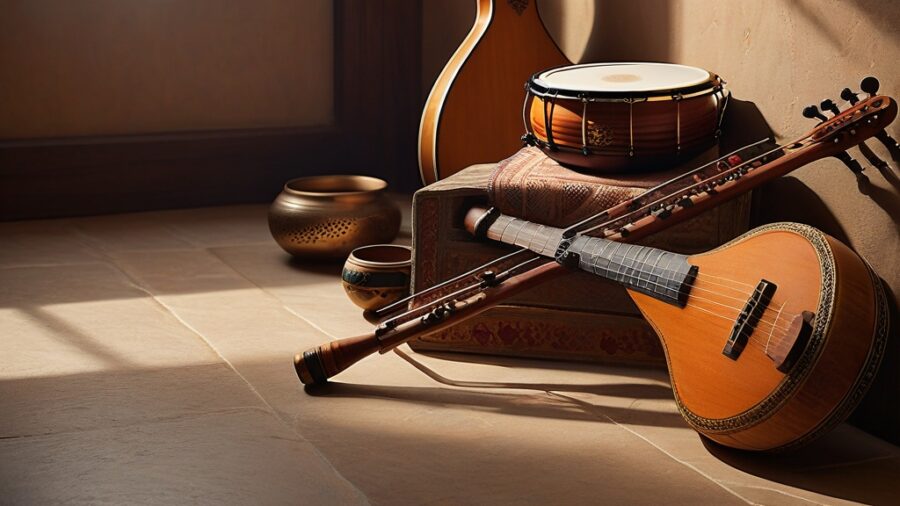
Introduction to Traditional Music Instruments
Traditional music instruments worldwide play a significant role in shaping cultural identities and preserving histories. From the rhythmic beats of African drums to the melodious strains of the Indian sitar, these instruments encapsulate the essence of their regions. The diversity in traditional instruments not only reflects the musical preferences of various cultures but also their social and historical contexts.
This article delves deep into the fascinating world of traditional music instruments. Readers will learn about their historical significance, the craftsmanship involved in making them, and how they have evolved over time. Furthermore, we will explore the role these instruments play in modern society and their importance in cultural preservation.
As we navigate through the rich tapestry of global musical traditions, we will uncover famous traditional instruments from different regions, highlighting their unique characteristics and cultural importance. By the end of this journey, you will have a comprehensive understanding of traditional music instruments worldwide and their enduring legacy.
The Role of Traditional Music Instruments in Society
Social and Cultural Significance
Traditional music instruments serve as vital tools for cultural expression. They are often used in ceremonies, rituals, and celebrations, marking significant life events such as births, marriages, and funerals. For instance, in many Indigenous cultures, instruments like the didgeridoo are not just musical tools but are seen as sacred objects that connect the community with their ancestors.
Moreover, these instruments foster social cohesion. They bring people together, creating a sense of belonging and shared identity. In places like South America, traditional instruments such as the charango and pan flute are central to community gatherings, reinforcing bonds among participants while celebrating their shared heritage.
Educational Value
Beyond cultural significance, traditional music instruments provide educational opportunities. Learning to play these instruments can teach individuals about their history, music theory, and the intricacies of rhythm and melody. For example, children in many African communities learn to play traditional drums not only for entertainment but also to understand the stories and traditions passed down through generations.
Furthermore, music education programs that incorporate traditional instruments can enhance cognitive skills, improve memory, and promote creativity among students. These benefits highlight the importance of integrating traditional music into modern education systems, ensuring that future generations appreciate their cultural heritage.
Famous Traditional Instruments by Region
Africa
Africa is home to a rich variety of traditional music instruments, each with unique sounds and cultural significance. The djembe, a hand drum originating from West Africa, is renowned for its deep, resonant tones. It is commonly used in celebrations and community gatherings, allowing for both rhythm and dance.
Another notable instrument is the mbira, also known as the thumb piano. This instrument consists of metal tines attached to a wooden board and is particularly popular in Zimbabwe. The mbira is often used in spiritual ceremonies, helping to connect the living with ancestral spirits.
Asia
In Asia, traditional instruments vary significantly from region to region. The sitar, a plucked string instrument from India, is celebrated for its intricate melodies and is integral to classical Indian music. It has gained international recognition, influencing many global musicians.
In contrast, the shakuhachi is a Japanese bamboo flute known for its breathy sound and meditative qualities. Traditionally used by Zen Buddhist monks, the shakuhachi is often associated with spiritual practices, emphasizing the connection between music and mindfulness.
| Region | Instrument | Characteristics |
|---|---|---|
| Africa | Djembe | Hand drum, deep tones, community gatherings |
| Africa | Mbira | Thumb piano, metal tines, spiritual ceremonies |
| Asia | Sitar | Plucked string instrument, intricate melodies |
| Asia | Shakuhachi | Bamboo flute, breathy sound, meditative |
The Evolution of Traditional Music Instruments
Historical Development
The evolution of traditional music instruments is a fascinating journey that reflects technological advancements and cultural exchanges. Many instruments have roots that trace back thousands of years, adapting to the changing needs of society. For example, the trumpet has evolved from ancient brass instruments used in military and ceremonial contexts to its modern-day counterparts, found in jazz and classical music.
Instruments like the guitar have also undergone significant transformations. Originating from the lute family, the guitar has adapted in shape, size, and construction materials, leading to diverse styles such as classical, acoustic, and electric guitars.
Modern Influences
Today’s globalized world has further accelerated the evolution of traditional music instruments. The fusion of various musical styles has led to the creation of new instruments and genres. For instance, the cajón, a Peruvian percussion instrument, has gained popularity in various music genres worldwide, blending traditional rhythms with contemporary sounds.
Moreover, technological advancements such as digital sound processing and instrument crafting techniques have transformed how traditional instruments are made and played. This evolution raises important questions about the authenticity and preservation of traditional music in the face of modernization.
How Traditional Music Instruments are Made
Craftsmanship and Materials
Creating traditional music instruments is often a meticulous process that involves skilled craftsmanship and an understanding of the materials used. For instance, the making of a sitar requires high-quality wood, typically from the tun and neem trees, along with brass or copper for the frets. Each material contributes to the instrument’s sound quality and tonal characteristics.
Similarly, the didgeridoo, an Aboriginal Australian instrument, is traditionally crafted from eucalyptus trees. The natural hollowing of the wood creates a unique resonance that is intrinsic to the instrument’s sound. This craftsmanship is often passed down through generations, emphasizing the importance of preserving traditional techniques.
Modern Techniques
While traditional methods are invaluable, modern technology has also influenced instrument-making. CNC machines, for instance, allow for precise cuts and shapes, enabling luthiers and craftsmen to create instruments with greater accuracy. This blending of old and new techniques can enhance the quality and accessibility of traditional instruments.
However, it is essential to maintain a balance between innovation and tradition. The challenge lies in ensuring that modern methods do not compromise the cultural significance and authenticity of the instruments.
Preservation of Traditional Music Instruments
Challenges Faced
The preservation of traditional music instruments is critical for maintaining cultural heritage, yet it faces numerous challenges. Globalization, urbanization, and the dominance of mainstream music have led to a decline in the use of traditional instruments. Many artisans struggle to find markets for their crafts, threatening the survival of these cultural artifacts.
Additionally, the aging population of traditional craftsmen poses a significant risk. As older generations pass away, the knowledge and skills associated with traditional instrument-making may be lost forever unless actively preserved and passed on to younger generations.
Preservation Efforts
Various organizations and cultural institutions are working tirelessly to preserve traditional music instruments. Initiatives such as workshops, festivals, and educational programs promote awareness and appreciation of these instruments. For example, UNESCO has recognized several traditional music practices as part of the Intangible Cultural Heritage of Humanity, encouraging communities to safeguard their musical traditions.
Moreover, the rise of digital media has provided new avenues for preservation. Online platforms allow musicians and artisans to share their work with a global audience, fostering appreciation and interest in traditional music instruments worldwide.
Conclusion and Final Thoughts
Traditional music instruments worldwide are not merely tools for entertainment; they are vital components of cultural identity and historical legacy. Through this exploration, we have seen how these instruments reflect the unique characteristics of various regions and their importance in social and educational contexts.
The evolution of these instruments, the craftsmanship involved in their creation, and ongoing preservation efforts highlight the dynamic nature of traditional music. As we embrace modernization, it is crucial to find ways to keep these traditions alive for future generations. Understanding and appreciating traditional music instruments can foster a deeper connection to our shared humanity and cultural diversity.
Frequently Asked Questions
What are traditional music instruments?
Traditional music instruments are instruments that have been used for generations within specific cultures. They often reflect the history, values, and social practices of the communities that create and use them.
How do traditional music instruments vary by region?
Traditional music instruments vary by region due to cultural influences, available materials, and historical developments. Each region has unique instruments that embody its musical style and cultural significance.
What is the significance of traditional music instruments in education?
Traditional music instruments play an important role in education by teaching students about cultural heritage, music theory, and enhancing cognitive skills. They provide a practical approach to learning and appreciating music.
How are traditional music instruments made?
The making of traditional music instruments involves skilled craftsmanship and specific materials. Techniques can vary significantly, often passed down through generations, ensuring the authenticity of the instrument.
What are the challenges in preserving traditional music instruments?
Challenges in preserving traditional music instruments include globalization, urbanization, and the decline of traditional craftsmanship. Efforts must be made to promote awareness and sustain the cultural significance of these instruments.
- Traditional music instruments reflect cultural identities.
- They play a significant role in social cohesion and education.
- Instruments vary greatly by region, showcasing diverse musical styles.
- Craftsmanship in instrument-making is crucial for quality and authenticity.
- Preservation efforts are essential to maintain cultural heritage.
- Modern technology offers both challenges and opportunities for traditional instruments.
- Understanding these instruments fosters appreciation for global musical traditions.
- Active engagement in cultural preservation can ensure traditional music thrives.