
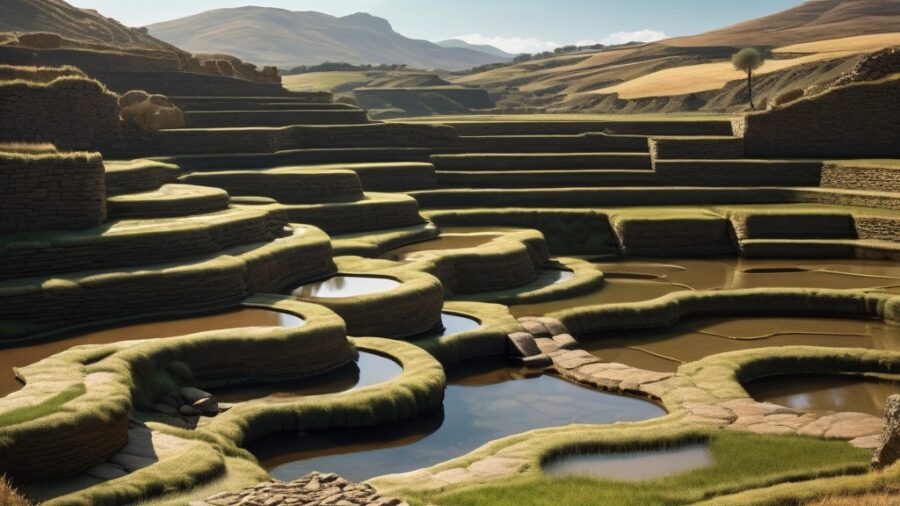
Introduction to Traditional Water Management Systems
Traditional water management systems have been utilized for centuries across various cultures, demonstrating a profound understanding of local ecosystems and community needs. These systems are not merely historical artifacts; they continue to play a crucial role in sustainable water management practices today. This article explores the significance, techniques, and future of traditional water management systems, highlighting their relevance in contemporary environmental challenges.
As we delve into the complexities of these systems, we will uncover how traditional practices integrate with modern water management strategies. By understanding the principles behind these systems, we can adopt valuable lessons that contribute to current water scarcity issues. The importance of preserving and revitalizing traditional methods cannot be overstated, as they offer insights into sustainable practices that have stood the test of time.
Throughout this article, we will examine various techniques employed in traditional water management, supported by case studies that showcase their effectiveness. Additionally, we will address the challenges faced by these systems in the modern era and explore potential pathways for their adaptation and integration into contemporary frameworks.
The Importance of Traditional Water Management
Traditional water management systems are essential for maintaining local ecosystems, ensuring water availability, and fostering community resilience. Historically, these systems have been finely tuned to local environmental conditions, utilizing indigenous knowledge that has been passed down through generations. This close relationship between communities and their water resources is vital for sustainable development.
Community Resilience and Resource Management
One of the key benefits of traditional water management systems is their ability to enhance community resilience. These systems often emphasize collective action and shared responsibility, ensuring that water resources are managed sustainably. For example, many Indigenous communities in North America have developed intricate systems of water management that involve seasonal rotation of water use, allowing ecosystems to recover and thrive.
Preservation of Biodiversity
Traditional water management practices also contribute significantly to the preservation of biodiversity. By maintaining wetlands, rivers, and other aquatic ecosystems, these systems support a variety of plant and animal species. For instance, the rice paddies of Southeast Asia not only provide food security but also serve as habitats for numerous aquatic species, highlighting the interconnectedness of traditional agriculture and biodiversity conservation.
Techniques Used in Traditional Water Management
Various techniques characteristic of traditional water management systems have been developed over centuries, tailored to specific environmental and cultural contexts. These techniques are often innovative and resource-efficient, demonstrating a deep understanding of hydrology and ecology.
Rainwater Harvesting
One of the most widely used techniques in traditional water management is rainwater harvesting. Communities in arid regions, such as those in India and the Middle East, have developed systems to capture and store rainwater for agricultural and domestic use. These systems can involve simple structures like trenches and cisterns or more complex systems that integrate with existing landscapes.
Terracing and Contour Farming
Another prevalent technique is the use of terracing and contour farming. This method is particularly effective in hilly or mountainous regions, where it minimizes soil erosion and maximizes water retention. For example, the Inca civilization in Peru utilized terraces to cultivate crops on steep slopes, demonstrating a sophisticated understanding of both agriculture and hydrology. These terraces not only improve water management but also enhance soil fertility through the cultivation of diverse crops.
Case Studies: Successful Traditional Water Management Systems
Examining successful case studies of traditional water management systems provides valuable insights into their effectiveness and adaptability. These examples illustrate how traditional practices can serve as models for contemporary water management challenges.
The Qanat System in Persia
The Qanat system, developed in ancient Persia (modern-day Iran), is a remarkable example of traditional water management. This system consists of underground channels that transport water from mountainous regions to arid plains, enabling agriculture and settlement in otherwise inhospitable areas. By the 6th century BCE, the Qanat system supported millions of people, demonstrating its effectiveness in managing scarce water resources.
The Auyantepuy System in Venezuela
In Venezuela, the Auyantepuy system showcases how traditional knowledge can be utilized in modern contexts. The indigenous Pemon people have developed an intricate network of canals and reservoirs to manage water in the region’s unique landscape. This system not only supports local agriculture but also preserves the surrounding ecosystems, highlighting the importance of integrating traditional knowledge into contemporary water management practices.
| Case Study | Location | Technique | Impact |
|---|---|---|---|
| Qanat System | Persia | Underground water channels | Supported agriculture in arid regions |
| Auyantepuy System | Venezuela | Canals and reservoirs | Preserved ecosystems and supported local agriculture |
Challenges and Limitations of Traditional Systems
Despite their effectiveness, traditional water management systems face several challenges and limitations in the modern context. Factors such as climate change, urbanization, and changing societal values can threaten the sustainability of these systems.
Climate Change Impacts
Climate change poses a significant threat to traditional water management systems. Increasing temperatures and changing precipitation patterns can disrupt the delicate balance that these systems depend on. For instance, communities reliant on rainwater harvesting may face challenges as rainfall becomes more erratic, impacting their water supply. Additionally, rising sea levels can threaten coastal traditional systems, necessitating adaptations to ensure their continued viability.
Urbanization and Land Use Changes
Urbanization presents another formidable challenge to traditional water management systems. As cities expand, natural water systems are often altered or destroyed, diminishing the effectiveness of traditional practices. For example, the conversion of wetlands into urban developments can lead to increased flooding and decreased water quality, undermining the very principles of sustainable management that traditional systems aim to uphold.
The Future of Traditional Water Management
The future of traditional water management systems largely depends on their ability to adapt to contemporary challenges while retaining their core principles. Integrating traditional knowledge with modern practices can enhance water management strategies, creating a more resilient and sustainable future.
Integration with Modern Technology
One promising pathway for the future is the integration of traditional water management systems with modern technology. For instance, the use of geographic information systems (GIS) can help map and analyze traditional water systems, identifying areas for improvement and potential integration with existing infrastructure. This approach allows for the preservation of traditional practices while enhancing their effectiveness through modern tools.
Revitalization and Education
Revitalizing traditional water management practices through education and community engagement is essential for their future sustainability. By fostering pride in traditional knowledge and practices, communities can empower individuals to take an active role in managing their water resources. Programs that promote intergenerational knowledge transfer can ensure that these systems continue to thrive, adapting to new challenges while preserving their rich cultural heritage.
Conclusion
Traditional water management systems offer a wealth of knowledge and practices that are crucial for sustainable water management in the modern world. By examining their importance, techniques, and successful case studies, it becomes evident that these systems hold valuable lessons for addressing contemporary water challenges.
As we face increasing pressures from climate change and urbanization, the integration of traditional knowledge with modern practices will be essential. By recognizing the value of these systems and working towards their revitalization, we can develop more resilient and sustainable water management strategies that honor both the past and the future.
FAQ about Traditional Water Management Systems
What are traditional water management systems?
Traditional water management systems refer to age-old practices and techniques developed by communities to manage water resources sustainably. These systems are often tailored to local environmental conditions and cultural contexts, demonstrating a deep understanding of hydrology and ecology.
Why are traditional water management systems important?
These systems are important because they foster community resilience, promote biodiversity, and provide sustainable solutions to water scarcity. They are often based on collective management and have been proven effective in maintaining local ecosystems.
How can traditional water management techniques be adapted for modern use?
Traditional techniques can be adapted by integrating them with modern technologies, such as GIS and remote sensing, to enhance their efficiency and effectiveness. Additionally, community engagement and education are essential for revitalizing these practices in contemporary settings.
What challenges do traditional water management systems face today?
Challenges include climate change impacts, urbanization, and changing societal values that may undermine the effectiveness of these systems. These factors can disrupt the delicate balance that traditional practices rely on, necessitating adaptations to ensure sustainability.
Can traditional water management systems contribute to climate change adaptation?
Yes, traditional water management systems can play a significant role in climate change adaptation. By utilizing sustainable practices that have been proven effective over centuries, communities can enhance their resilience to changing environmental conditions, ensuring water availability for future generations.
Recap of Key Points
- Traditional water management systems are essential for sustainable resource management.
- Community resilience and biodiversity preservation are key benefits of these systems.
- Techniques such as rainwater harvesting and terracing are widely used in traditional practices.
- Successful case studies demonstrate the effectiveness of traditional systems in various regions.
- Challenges include climate change and urbanization, which threaten the sustainability of these practices.
- Integration with modern technology and revitalization through education are crucial for the future.
- Adapting traditional practices can enhance contemporary water management strategies.
- Traditional knowledge offers valuable insights for addressing current and future water challenges.