
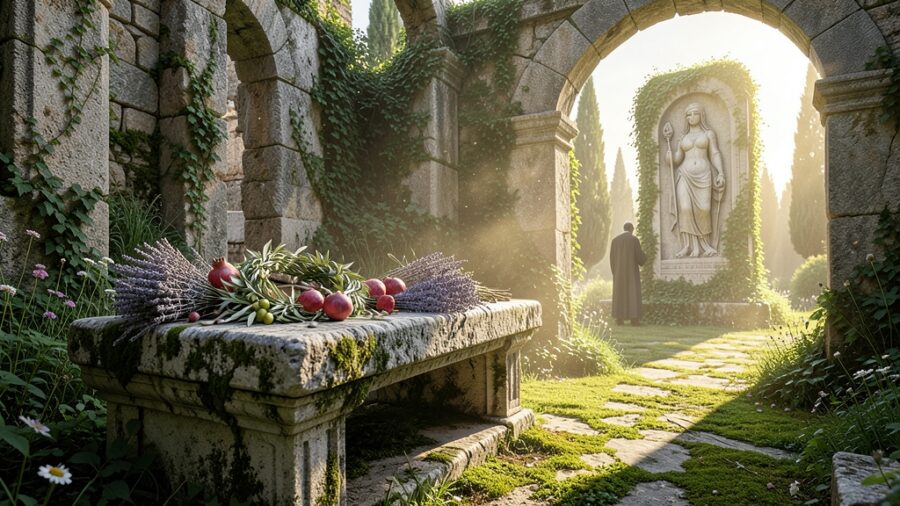
Goddess Worship in Ancient Cultures: A Profound Exploration
Throughout history, goddess worship has played a pivotal role in various ancient cultures, serving as a spiritual and cultural cornerstone. From the Fertile Crescent to the banks of the Nile, the reverence for feminine deities has shaped societies, influenced art, and dictated rituals. This article delves into the intricate tapestry of goddess worship across different civilizations, revealing how these practices have evolved over time and their enduring impact on contemporary spirituality.
As we embark on this exploration, we will uncover the diverse roles that goddesses played in ancient societies and how their representations in art and culture reflect the values and beliefs of the times. We will also conduct a comparative analysis of goddess worship practices across civilizations, highlighting both common threads and unique traditions. Additionally, we will examine the symbolism inherent in goddess worship and its resurgence in modern spiritual practices.
By the end of this article, readers will not only gain insights into the historical significance of goddess worship but also appreciate its relevance today. Whether you are a scholar, a spiritual seeker, or simply curious about ancient cultures, this comprehensive guide aims to enrich your understanding of the sacred feminine in human history.
Introduction to Goddess Worship in Ancient Cultures
The Birth of Goddess Worship
The origins of goddess worship can be traced back to prehistoric times when early humans began to personify nature’s forces. The earliest known representations of female deities date back to the Upper Paleolithic period, around 25,000 BCE, with figurines such as the Venus of Willendorf, which symbolizes fertility and femininity. These early artifacts indicate that women were revered for their roles in childbirth and sustenance, laying the groundwork for what would become a widespread religious practice.
As agricultural societies emerged around 10,000 BCE, the worship of goddesses became more structured. Cultures such as the Sumerians and Egyptians began to develop pantheons of deities, with goddesses like Inanna and Isis taking center stage. These goddesses were often associated with fertility, agriculture, and the cyclical nature of life, reflecting the societal values of their respective cultures.
The Development of Worship Practices
In ancient civilizations, the practices surrounding goddess worship varied significantly. In Mesopotamia, for instance, temples were built to honor goddesses, where rituals included offerings, music, and dance. The Ishtar Gate of Babylon, adorned with images of the goddess Ishtar, served not only as a religious site but also as a symbol of power and devotion.
In Egypt, goddess worship was integral to daily life and governance. Goddesses like Hathor and Ma’at represented not only fertility and motherhood but also justice and order. The worship of these deities involved elaborate ceremonies, including the annual flooding of the Nile, which was believed to be a divine act facilitated by the goddess’s blessing.
The Role of Goddesses in Different Ancient Civilizations
In Mesopotamia, goddess worship was deeply embedded in the societal structure. Deities such as Inanna (or Ishtar) were not only seen as protectors of love and war but also as embodiments of the natural world. Inanna’s descent into the Underworld is a critical myth that illustrates themes of fertility and rebirth, reflecting the agricultural cycles that were foundational to Mesopotamian life.
Inanna’s temples, particularly the Eanna Temple in Uruk, served as centers of economic and political power, where priestesses played vital roles in society. These priestesses were often seen as intermediaries between the goddess and the people, conducting rituals to secure divine favor for agriculture and prosperity.
Goddesses in Ancient Egypt
Egyptian goddess worship was characterized by a rich pantheon and a complex theology. Goddesses such as Isis, known for her magical prowess and maternal qualities, were central figures in both mythology and daily life. The story of Isis and Osiris, which emphasizes themes of resurrection and eternal life, resonated deeply with the Egyptian belief in the afterlife.
The cult of Isis spread beyond Egypt, influencing Roman and Greek practices. Her worship included elaborate festivals, such as the Mysteries of Isis, which attracted followers seeking spiritual enlightenment and connection with the divine feminine.
Comparative Analysis of Goddess Worship Practices
Common Themes Across Cultures
Despite the geographical and cultural differences, goddess worship shares several common themes. One of the most prominent is the association of goddesses with fertility and agriculture. In various cultures, these deities symbolize the life-giving forces of nature, serving as protectors of crops and childbirth. For example, both the Hindu goddess Durga and the Greek goddess Demeter embody the nurturing aspects of the earth, underscoring the universal reverence for feminine power.
Additionally, many goddess myths explore themes of love, war, and the balance of power. The duality of goddesses as both nurturing and fierce warriors illustrates the complexities of femininity in ancient societies. This duality is evident in figures such as the Hindu goddess Kali, who represents destruction and creation, indicating that the feminine divine encompasses a range of traits and attributes.
Diverse Rituals and Symbolism
Ritual practices associated with goddess worship also vary significantly from one culture to another. In ancient Greece, for instance, the cult of Demeter involved agricultural festivals like the Eleusinian Mysteries, which celebrated the changing seasons and the cycle of life and death. Conversely, the worship of Inanna in Mesopotamia included sacred prostitution, which was believed to ensure fertility and prosperity.
The symbolism associated with these rituals is equally diverse. Inanna’s sacred marriage ritual, involving her union with the shepherd god Dumuzi, symbolizes the merging of divine and earthly realms, emphasizing the interconnectedness of life. Similarly, the Egyptian goddess Hathor was often depicted with symbols of music and dance, representing joy and celebration in the worship of the divine feminine.
Cultural Symbolism and Art Related to Goddess Worship
Artistic Representations of Goddesses
Art has long been a medium for expressing the reverence of goddesses across cultures. In ancient Mesopotamia, cylinder seals often depicted scenes of goddess worship, showcasing rituals and offerings. These artistic representations not only served a decorative purpose but also acted as a means of communicating the power and influence of the divine feminine.
In ancient Egypt, the depiction of goddesses in tomb paintings and sculptures played a crucial role in the afterlife beliefs of the Egyptians. Iconography, such as the ankh symbol associated with Isis, signified eternal life and protection. The grandeur of temples dedicated to goddesses, like the Temple of Karnak, reflects the importance placed on these deities in both religious and political contexts.
Symbolism in Modern Interpretations
The symbolism of ancient goddesses continues to resonate in contemporary art and culture. The feminist movement has often drawn upon these powerful figures to challenge patriarchal narratives and reclaim feminine strength. Artists and writers today reinterpret the myths of goddesses like Kali and Athena, using them as symbols of empowerment and resistance in a modern context.
Moreover, the resurgence of goddess spirituality in modern pagan practices reflects a growing interest in reconnecting with the sacred feminine. This movement often incorporates ancient symbols and rituals, allowing individuals to explore their spirituality through the lens of goddess worship.
The Influence of Goddess Worship on Modern Spiritual Practices
Revival of Goddess Spirituality
In recent decades, there has been a notable revival of interest in goddess spirituality, particularly within feminist and neo-pagan communities. This resurgence is often characterized by a desire to reconnect with the divine feminine and embrace the qualities traditionally associated with goddesses, such as intuition, creativity, and nurturing.
Modern spiritual practices often draw upon ancient rituals, incorporating elements such as seasonal festivals, moon ceremonies, and goddess-themed meditation. This blending of ancient traditions with contemporary spirituality allows individuals to explore their connection to the sacred feminine in a way that is relevant to today’s societal context.
The Role of Goddess Archetypes in Personal Development
Goddess archetypes, as conceptualized by psychologist Carl Jung, provide a framework for understanding feminine energy and personal growth. By identifying with different goddess archetypes, individuals can explore various aspects of their personalities and develop a deeper understanding of their strengths and challenges. For example, the archetype of the nurturing mother can encourage individuals to cultivate compassion, while the warrior goddess can inspire courage and assertiveness.
This psychological approach to goddess worship highlights the relevance of these ancient figures in contemporary life, emphasizing that the qualities embodied by goddesses can serve as powerful tools for personal transformation and empowerment.
Conclusion
The exploration of goddess worship in ancient cultures reveals a rich tapestry of beliefs, practices, and artistic expressions that have shaped human civilization. From the fertile lands of Mesopotamia to the mystical realms of ancient Egypt, goddesses have served as powerful symbols of femininity, fertility, and divine influence. Their representations in art and culture reflect the values and aspirations of the societies that revered them.
As we have seen, the influence of goddess worship extends beyond the ancient world, permeating modern spiritual practices and inspiring a renewed interest in the divine feminine. The revival of goddess spirituality underscores the timeless relevance of these ancient figures, inviting individuals to reconnect with their own inner strengths and embrace the qualities that these goddesses embody. In a world increasingly aware of the need for balance between masculine and feminine energies, the legacy of goddess worship remains a vital and transformative force.
Frequently Asked Questions (FAQ)
What are some common characteristics of goddesses in ancient cultures?
Many ancient goddesses share characteristics such as fertility, motherhood, and protection. They often embody the life-giving forces of nature and are associated with agriculture, love, and war. These traits reflect the values and needs of the societies that worshiped them.
How did goddess worship influence societal structures?
Goddess worship often influenced societal structures by elevating women’s roles in religious practices. In many ancient cultures, priestesses held significant power and were seen as intermediaries between the divine and the people, impacting decision-making and cultural norms.
What role did art play in goddess worship?
Art served as a crucial medium for expressing reverence for goddesses. From sculptures to paintings, artistic representations depicted rituals, myths, and symbols associated with the divine feminine, reinforcing cultural beliefs and values.
How has modern spirituality integrated goddess worship?
Modern spirituality has integrated goddess worship through the revival of ancient rituals and the adoption of goddess archetypes. Many contemporary spiritual practices emphasize the qualities of goddesses, allowing individuals to connect with the divine feminine in their personal journeys.
Are there any specific festivals associated with goddess worship?
Yes, many cultures celebrate festivals dedicated to goddesses. For instance, the Eleusinian Mysteries in ancient Greece honored Demeter and Persephone, while the Durga Puja festival in India celebrates the goddess Durga’s victory over evil. These festivals often involve rituals, offerings, and communal celebrations.
Key Takeaways
- Goddess worship has deep historical roots, dating back to prehistoric times.
- Ancient cultures revered goddesses for their connections to fertility, agriculture, and motherhood.
- Art and symbolism played a crucial role in expressing the significance of goddess worship.
- Modern spirituality is experiencing a revival of goddess worship, focusing on the divine feminine.
- Goddess archetypes serve as powerful tools for personal growth and empowerment.
- The influence of goddess worship continues to shape contemporary beliefs and practices.
- Rituals and festivals associated with goddess worship remain vital cultural expressions.
- The legacy of goddess worship highlights the importance of balancing masculine and feminine energies in society.