
Introduction to Ancestry in African Cultures
Ancestry holds a profound significance in many African cultures, shaping not only personal identity but also communal values and spiritual beliefs. Across the African continent, people have long revered their ancestors, seeing them as an integral link between the past and the present. This reverence is deeply ingrained in social customs, spiritual practices, and daily life, reflecting a rich tapestry of traditions that celebrate the enduring connection between generations. These traditions are as diverse as the continent itself, with each culture adding its own unique interpretations and customs.
Understanding ancestry within African cultures requires a deep dive into the various ways people honor those who came before them. This means exploring the spiritual, social, and historical contexts that give rise to ancestral veneration. African traditions view ancestry not merely as a lineage or genealogy but as a living dialogue with those who have passed on, affirming that the deceased continue to influence the lives of their descendants. As such, the practices associated with honoring ancestors are not static; they adapt and transform, resonating with both historical continuity and modern-day challenges.
The Role of Ancestors in African Spirituality
In African spirituality, ancestors are often regarded as guardians, intermediaries between the living and the divine. They are believed to possess the wisdom and power to influence the fortunes of their descendants, guiding them through life’s complexities. This spiritual connection elevates ancestors to a revered status, making them pivotal figures in rituals and religious ceremonies across the continent.
Many African cultures perceive the world as a harmonious blend of the physical and the spiritual. Within this worldview, ancestors are seen as protectors and advisors who, although deceased, hold significant sway over the natural and spiritual realms. They are thought to communicate through dreams, signs, or omens, providing guidance or warnings to their kin. This belief reinforces community cohesion, as it emphasizes collective responsibility and the importance of maintaining family traditions.
Moreover, the role of ancestors in African spirituality extends to a broader social context. Ancestral spirits are often invoked during important community events, such as births, marriages, and funerals, underscoring their vital presence in all stages of life. This continuous involvement of ancestors in the social fabric highlights their undiminished influence and the enduring nature of spiritual leadership within African communities.
Common Rituals for Honoring Ancestors
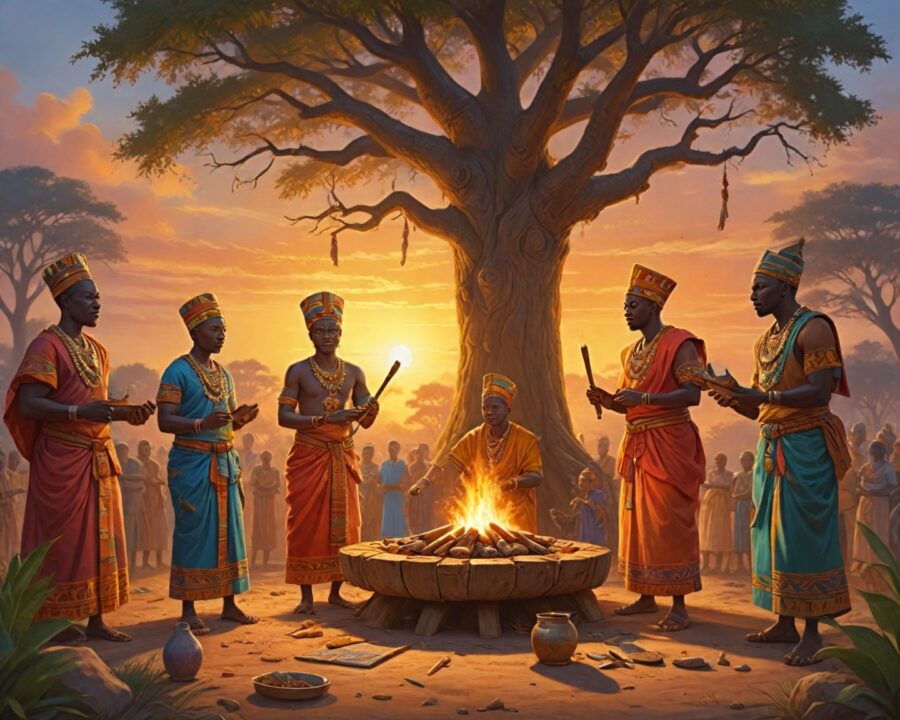
Honoring ancestors encompasses a broad spectrum of rituals, varying not just regionally, but also within individual cultures. Common practices include offerings, libations, and prayers, each serving as a means to pay respect and seek the blessings of the ancestors. These rituals are both a personal and communal expression, marking significant occasions as well as everyday life.
Offerings are among the most widespread traditions. These can include food, drink, and other goods, left at altars, gravesites, or sacred spaces dedicated to the ancestors. The act of giving symbolizes a renewal of the bond between the living and the deceased, acknowledging the sacrifices and contributions of ancestors to the present generation. Libations, the pouring of liquid such as water or alcohol, are similarly symbolic gestures, serving to cleanse and purify the spirit, facilitating communication between the earthly and the divine.
Prayers and chants are often integral to these rituals, embodying a verbal expression of reverence and supplication. Communities might gather to sing ancestral songs, recite proverbs, and retell stories that keep the memory of the ancestors alive. These activities not only honor the past but also reaffirm cultural identity and solidarity among community members, demonstrating the vibrancy and resilience of these traditions.
Symbolism in African Ancestral Practices
Symbolism plays a fundamental role in how African cultures honor their ancestors, with symbols often serving as visual or functional representations of spiritual beliefs and cultural values. Whether through art, attire, or the use of specific objects, symbolism enriches the ancestral practices, imbuing them with deeper meaning and significance.
Artistic symbols are prominent in many communities, where motifs used in textiles, pottery, and carvings convey stories of ancestry and divine connection. Patterns and colors often reflect the duality of life and death, continuity, and rebirth, drawing on metaphors from nature and the cosmos. For instance, the spiral form in many African carvings signifies eternity and the cyclical nature of life, aligning with the belief in perpetual ancestral presence.
In ancestral practices, attire and adornments also carry significant symbolic weight. Traditional garments worn during rituals are often crafted with materials deemed to have spiritual properties or are designed to emulate the attire believed to be worn by the ancestors themselves. Jewelry, masks, and other accessories might incorporate materials like beads, cowrie shells, and bones, each possessing specific connotations linked to protection, wealth, or fertility.
Objects used in rituals hold symbolic power, often acting as mediators in the relationship between the living and the spiritual. These can include ancestral altars, sacred tools, or emblematic artifacts, each resonating with stories and meanings passed down through generations. Such symbols serve as powerful reminders of ancient lineages, connecting individuals to a larger historical and spiritual framework.
Regional Variations in Ancestral Veneration
The vast diversity of African cultures means that ancestral veneration practices vary widely across regions. Each cultural group imbues its unique social, historical, and environmental contexts into its traditions, resulting in a richly diverse tapestry of practices. From the detailed funeral rites of West Africa to the spiritual communions of Southern Africa, these regional differences highlight the adaptability of ancestral veneration.
In West Africa, the Yoruba people exemplify intricate ancestor worship through the Egungun festival, where masked dancers embody the spirits of the departed. These ceremonies are festive and elaborate, underscoring respect and acknowledgment for the ancestors’ guidance and protection. Similarly, in Ghana, the Ashanti people observe the Adae festival, where offerings are made to ancestral spirits in royal mausoleums, reflecting the profound social role that ancestors play in governance and social hierarchy.
Across Southern Africa, the Zulu and Xhosa people engage in rituals known as “ukubuyisa,” where the ancestors are invoked to imbue newly-built homes with protection and blessings. These practices are often intertwined with community-based rites that emphasize social cohesion and support, reaffirming the interconnectedness between family, community, and ancestral spirits. In East Africa, pastoral communities like the Maasai incorporate ancestor veneration into life cycle events such as coming-of-age ceremonies, blending spiritual dialogues with communal festivities.
The Connection Between Ancestry and Identity
Ancestry is inextricably linked to identity within African cultures, serving as a foundation for individual and communal understanding of self and place. The connection between ancestry and identity offers a lens through which people navigate their cultural heritage, values, and responsibilities.
The sense of identity rooted in ancestry is often transmitted through names, stories, and family histories, underscoring the importance of lineage as more than just a familial bond but as a cultural and spiritual inheritance. Names often carry the legacy of ancestors, telling stories of past achievements, strengths, or hardships, and inspiring current and future generations to continue the legacy. This personalization of ancestry creates a profound sense of belonging and purpose.
Moreover, the communal nature of many African societies amplifies the collective identity shaped by shared ancestral ties. Celebrations and rituals around ancestry foster intergenerational connections, bridging gaps between the past and present. Through these practices, communities affirm and solidify their unity, cultural identity, and mutual support. Individual identity, thus, resonates through the collective, reinforcing community bonds and ensuring cultural resilience.
How Oral Traditions Preserve Ancestral Heritage
Oral traditions are a vital means of preserving ancestral heritage across African cultures, offering a dynamic and adaptable way to pass down history, morals, and cultural values. These traditions encompass storytelling, proverbs, songs, and ceremonies, each playing a role in the transmission of knowledge from one generation to the next.
Storytelling is perhaps the most direct method for preserving the legacy of ancestors. Elders recount tales of family lineage, historical milestones, or moral lessons, embedding these narratives within the consciousness of the younger members. These stories serve not only to entertain but also to educate, ensuring that the essential wisdom and experiences of previous generations remain accessible and relevant.
Proverbs and idiomatic expressions enrich oral traditions by encapsulating complex ideas in memorable, succinct phrases. These sayings often reflect ancestral wisdom and are used to guide behaviors and decision-making. For example, proverbs emphasizing the importance of unity, respect, and perseverance are not mere aphorisms but guiding principles rooted in ancestral experiences.
Songs and musical traditions further encapsulate ancestral heritage, with lyrics that recount historical events, honor past heroes, or invoke the spirits in prayers and blessings. Music accompanies many rituals, from births and marriages to funerals, integrating sound as a powerful vehicle for ancestral remembrance and connection.
Modern Adaptations of Ancestral Practices
As African societies continue to evolve, so too do the practices of honoring ancestors. Modern adaptations of ancestral veneration reflect a blend of traditional beliefs with contemporary dynamics, ensuring that these practices remain relevant and meaningful in today’s changing world.
One way ancestral practices have adapted is through the incorporation of technology and digital media. Online platforms and social media have become new spaces for storytelling, where diaspora communities, in particular, share cultural narratives and ancestral stories. Through digital archives and virtual gatherings, people maintain and even expand their connections to ancestral roots.
Another modern adaptation involves the integration of ancestral rituals into public events or formal ceremonies. This can be seen in how cultural festivals now feature traditional dance and music alongside contemporary performances, appealing to both domestic and international audiences. Such events not only celebrate cultural heritage but also educate and inform a global audience about the depth and richness of African ancestral traditions.
Furthermore, the migration of peoples has led to hybrid practices where traditional ancestral rites are adapted to new cultural contexts. In communities where African descendants reside, such as in Europe or the Americas, ancestral practices are often blended with local customs, creating a unique fusion that honors ancestral roots while embracing new cultural identities.
Addressing Misconceptions About African Traditions
African traditions, particularly those related to ancestral veneration, are often subject to misconceptions and stereotypes. These misunderstandings can stem from historical narratives, media portrayal, or general ignorance, but addressing them is crucial for a genuine appreciation of the cultural depth and significance behind these practices.
One common misconception is that ancestral practices are unchanging and primitive. In reality, these traditions are dynamic and continuously evolving, responding to social, political, and environmental shifts while preserving core values. Acknowledging the adaptability of these practices dispels the notion of them being static relics from the past.
Another widespread misunderstanding is the tendency to view African spiritual practices as monolithic. The African continent is home to a multitude of cultures, each with its own unique approaches to spirituality and ancestry. Recognizing this diversity is important to appreciate the rich variations in ritual and belief systems. Simplifications and stereotypes overlook the richness and complexity inherent in these traditions.
Finally, there is a tendency to label African ancestral practices as superstitious or irrational. Such views fail to respect the spiritual perspectives and cultural contributions of African societies. It is essential to challenge these biases and approach African traditions with openness and a willingness to understand the cultural and spiritual significance they hold for millions of people across the continent and the diaspora.
Practical Ways to Honor Ancestry in Daily Life
Honoring one’s ancestry does not necessarily require elaborate rituals; there are simple ways to integrate these practices into daily life, ensuring the continual remembrance and celebration of those who came before us. These acts of reverence can be personal and symbolic, weaving the essence of ancestry into everyday activities.
One practical way to honor ancestry is by maintaining a small home altar or dedicated space to connect with past generations. This space can display family photos, heirlooms, or objects with personal significance, creating a focal point for reflection and remembrance. Lighting candles or saying a prayer at these spaces can be a daily or weekly ritual, fostering a routine of gratitude and connection.
Another approach is through culinary traditions. Preparing and sharing traditional family recipes allows one to engage with ancestral heritage through taste and smell, sensory experiences deeply linked to memory. These culinary practices can become opportunities for family stories to be shared and values to be passed on, keeping the family’s cultural heritage alive.
Incorporating oral traditions, such as storytelling, into family gatherings or social events also reinforces the ancestral bond. Sharing family histories, personal anecdotes, and cultural wisdom through dialogue strengthens community ties and emphasizes the importance of passing on knowledge. For those seeking to honor their ancestry in contemporary contexts, engaging in cultural events or learning indigenous languages and crafts can also serve as meaningful gestures of reverence.
| Ancestor’s Role | Spiritual Influence | Rituals & Practices | Modern Adaptations |
|---|---|---|---|
| Guardian | Offers protection | Offerings, Libations | Digital storytelling |
| Advisor | Guides decision-making | Prayers, Songs | Public cultural events |
| Intermediary | Connects to divine forces | Altars, Ceremonies | Hybrid cultural practices |
FAQ
What is ancestral veneration in African cultures?
Ancestral veneration in African cultures involves honoring deceased forebears believed to guide and protect their descendants. It is a vital part of spiritual life, reflecting the continuous relationship between the living and the dead.
How do African societies typically honor their ancestors?
African societies honor their ancestors through various rituals such as offerings, prayers, and ceremonies. These may include specific festivals, maintaining altars, and engaging in community gatherings that celebrate the ancestors’ influence and legacy.
Are ancestral beliefs in African cultures considered a religion?
While ancestral beliefs can be part of religious practices, they often exist within broader spiritual systems rather than as standalone religions. They intersect with social customs, cultural values, and community leadership, forming a holistic part of life.
How do oral traditions help preserve African ancestral heritage?
Oral traditions help preserve African ancestral heritage by passing down stories, proverbs, songs, and ceremonies. These elements embody cultural wisdom and experiences, ensuring the transmission of knowledge across generations.
Are there modern ways to practice ancestral veneration?
Yes, many people incorporate modern practices such as creating digital archives, participating in cultural festivals, and hosting virtual storytelling sessions to honor and preserve their ancestral connections.
What are some common misconceptions about African ancestral practices?
Common misconceptions include viewing these practices as static, monolithic, or superstitious. In reality, they are dynamic, diverse, and carry significant cultural and spiritual importance.
Recap
This article explored the depth and diversity of how African cultures honor ancestry through various traditions. We began by discussing the spiritual role ancestors play in African societies and detailed common rituals used to venerate them. Symbolism is a significant aspect of these practices, offering deeper meanings through art and ritual objects. Regional variations demonstrate the adaptability and cultural richness of ancestral traditions across Africa. The discussion also highlighted how ancestry influences identity, preserved through oral traditions, and how modern adaptations continue to maintain these practices’ relevancy. We addressed misconceptions surrounding African traditions and concluded with practical suggestions for incorporating ancestral veneration into daily life.
Conclusion
Ancestry in African cultures remains a vital link to the past, shaping both individual identities and communal values. The spiritual role of ancestors underscores their unwavering presence and influence, providing guidance and protection across generations. Rituals and symbols associated with ancestral veneration encourage ongoing dialogue with the past, reflecting the cultural vitality and adaptability of African societies.
Regional variations offer insight into the remarkable diversity underpinning African ancestral practices. These customs evolve while maintaining core values, ensuring cultural resilience and continuity amidst changing social landscapes. Such traditions are deeply rooted in identifying and preserving heritage, as seen through the richness of oral traditions that never fail to capture the essence of ancestry.
As the world changes, these traditions seamlessly integrate into modern contexts, embracing new forms of expression and communication. From digital platforms to community collaboration, ancestral veneration continues to thrive. By dispelling misconceptions and embracing both traditional and contemporary practices, we honor the timeless influence of those who walked before us, grounding us in a legacy that shapes our present and future.