
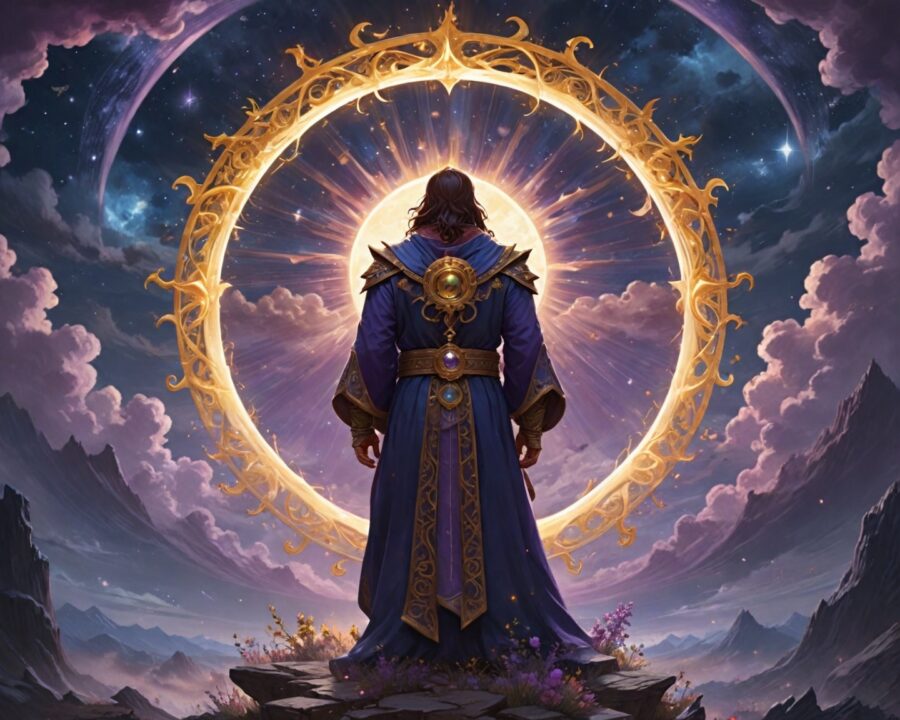
Introduction to the Role of Myths in Explaining Natural Phenomena
Myths have long served as the human attempt to understand and explain the complexities of the world around us. From the inexplicable movements of celestial bodies to the unpredictable behavior of natural elements, ancient civilizations crafted elaborate narratives to explain these phenomena. These stories were not only instrumental in helping communities make sense of their surroundings, but they also provided moral frameworks and cultural touchstones that have been passed down through generations. Through the lens of myths, people found ways to converse with the universe, seeking answers to profound questions about existence and nature.
One of the most profound subjects tackled by myths across different cultures is the explanation of light and darkness. These contrasting elements are universally present in human experience, making them potent symbols in mythological storytelling. Darkness often evokes fears and uncertainties, while light represents hope and knowledge. Myths have used these natural elements to portray the eternal struggle between opposing forces, helping to articulate human hopes, fears, and our never-ending quest for understanding. As we delve into how various cultures interpret these themes, we gain insight into not only historical perspectives but also contemporary viewpoints.
The Symbolism of Darkness in Ancient Myths
Darkness in myths is often associated with the unknown, the fearful, or the chaotic. Ancient stories frequently depicted it as a realm inhabited by mysterious and malevolent entities. These narratives often served not only to explain night and shadows but also to externalize human fears and uncertainties. For example, in many creation myths, the world often begins in a state of darkness or void, representing disorder that is gradually shaped by forces of light or divine beings into something tangible and comprehensible.
In Greek mythology, the character Nyx embodies the concept of night. Nyx was a primordial deity representing darkness before the birth of the cosmos. Described as a powerful and enigmatic goddess, Nyx’s presence was both feared and revered by the Olympian gods. The duality of her nature highlighted the ancient Greek understanding of darkness as a force to respect and admire, even as she was often connected to more sinister elements.
Likewise, Norse mythology portrays the world as born from a melting frost in a primordial void known as Ginnungagap, where darkness and chaos reigned. This void was not necessarily malevolent but was seen as the birthplace of all life. Darkness, in these ancient stories, is a necessary precursor to creation; it is what is before the known and the orderly.
How Light is Portrayed as a Divine or Heroic Force
Conversely, light in mythology is predominantly viewed as a symbol of purity, hope, and divinity. It often illustrates the power of good over evil or knowledge over ignorance. In many cultures, light is personified through deities connected to the sun or fire, embodying authority and life-sustaining energy. Often, these deities are heroic figures who bring order and clarity to chaos and darkness.
Hindu mythology reveres the god Surya, the solar deity who rides a chariot drawn by seven horses, representing the seven colors of light in the sun’s spectrum. Surya symbolizes life, health, and knowledge, indicative of light’s role in fostering awareness and promoting well-being. The presence of Surya and other sun gods across various mythologies underscores the universal recognition of light as a divine savior and benefactor.
In the Zoroastrian tradition, Ahura Mazda is represented as the god of light, battling constantly against Angra Mainyu, the spirit of darkness and chaos. This cosmic struggle illustrates the dualistic nature of their belief system, with light standing as the righteous force against corruption and darkness. In epic myths such as these, light is not a passive element; it is an active, often heroic presence that combats darkness and disorder.
Cultural Differences in Interpreting Darkness and Light
Though the themes of light and darkness are universal, cultural interpretations can vary widely, reflecting different environments, histories, and spiritual understandings. For example, while some cultures view darkness primarily as negative, others see it as an integral, even sacred, part of the cosmos that balances light.
In ancient Egypt, the sun god Ra’s daily journey across the sky was a symbol of rebirth and regeneration. Each night, Ra traveled through the Underworld, a dark and perilous place, only to rise again with the dawn. The cycle underscored a belief in the balance of darkness and light as opposing yet complementary forces necessary for the world’s harmony.
Indigenous cultures often have unique interpretations of darkness and light that reflect their understanding of the natural world. For the Aboriginal peoples of Australia, many myths underscore the relationship between the land, its creatures, and the sky. These stories often depict darkness as a necessary companion to light, one that allows for renewal and growth, underscoring the harmonious balance that nature requires.
In Asian mythology, the concept of Yin and Yang shadows the duality of dark and light. Yin, typically associated with darkness, symbolizes stillness and introspection, whereas Yang represents illumination and activity. The balance between these two forces is crucial, illustrating a worldview where darkness has intrinsic value and is necessary for life’s equilibrium.
Famous Myths That Revolve Around Light and Darkness
Many famous myths center on the themes of light and darkness, symbolizing the eternal conflict between these forces. These stories often form the spine of a culture’s mythological narrative, revealing insights into their values and beliefs.
The Greek myth of Persephone details her abduction by Hades, the god of the Underworld, into darkness, symbolizing the onset of winter. When Persephone ascends back to the earth, her return brings light and life, emblematic of spring and renewal. The cycle of her descent and return explains natural rhythms, illustrating the interconnectedness of darkness and light.
In the epic of the Ramayana, the victory of Lord Rama over the demon king Ravana signifies the triumph of light over darkness, good over evil. This story resonates deeply within Indian culture and is celebrated annually during Diwali, the festival of lights, symbolizing the dispelling of darkness and ignorance through knowledge and virtue.
The story of the Japanese sun goddess Amaterasu also underscores these themes. After retreating into a cave due to her brother’s actions, plunging the world into darkness, the other gods had to lure her out to restore light to the earth. Her emergence from the cave symbolizes enlightenment, highlighting the significance of light as a life-giving force.
The Psychological Impact of Light and Darkness in Storytelling
The duality of light and darkness extends beyond myths, resonating deeply within the human psyche. These themes signify contrasting aspects of human experience—hope and despair, knowledge and ignorance, safety and vulnerability. As such, they are potent psychological tools in storytelling, utilized to evoke a wide range of emotions and reflections.
In literature and cinema, light often signifies safety, truth, and resolution, while darkness is allied with mystery, danger, and conflict. This symbolism can provoke a visceral reaction from audiences, rooted in the innate human fear of the unknown, symbolized by darkness, and the comfort found in clarity and illumination, represented by light.
The psychological interplay between light and darkness in narratives can lead to powerful character developments. Protagonists often venture into dark spaces, both physical and metaphorical, to face fears, uncover truths, or fight demons. The journey from darkness to light, or vice versa, reflects internal transformation and struggles, mirroring an individual’s personal growth within the framework of human struggles.
How Myths About Light and Darkness Influence Modern Literature
Modern literature continues to draw inspiration from ancient myths about light and darkness, repurposing these timeless themes for contemporary storytelling. Authors frequently use light and darkness to denote character morality, narrative tone, and thematic depth. By doing this, they tap into the universal and primal reaction these elements elicit.
Fantasy literature, in particular, has a wealth of narratives building on these mythological themes. J.R.R. Tolkien’s “The Lord of the Rings” depicts the epic struggle between light, represented by the fellowship and their allies, and darkness, embodied by Sauron and his horde. This monumental narrative has its roots firmly planted in myth, utilizing the elements of light and darkness to construct a rich tapestry of good versus evil.
Additionally, in science fiction, light and darkness often symbolize alienation and connectedness with the universe’s mysteries. In Ray Bradbury’s “Fahrenheit 451,” light is metaphorically cast upon the darkened minds of a dystopian public, suggesting enlightenment as a path to societal salvation. This use of light echoes its mythological roots as a symbol of knowledge and truth, urging readers to perceive their reality critically.
Common Questions About the Origins of Light and Darkness Myths
What are some common themes in myths about light and darkness?
Myths about light and darkness frequently explore themes such as creation, transformation, morality, and the cyclical nature of life. These stories often emphasize the conflict and balance between opposing forces, illustrating life’s dualities.
How do myths about light and darkness differ across cultures?
While many cultures see light as a symbol of good and hope, and darkness as fear and evil, interpretations can vary. Some cultures view darkness as sacred and protective, balancing the aggression of light. The interpretations align closely with cultural values, environment, and historical context.
Why are light and darkness myths still relevant today?
These myths remain relevant due to their exploration of universal themes, such as the struggle between good and evil, or ignorance and enlightenment. These themes are timeless, providing insights into human nature and societal values that resonate even in modern contexts.
What roles do mythological deities of light play in different cultures?
Deities of light often embody life, knowledge, and purity. They are generally depicted as protectors or saviors who deter chaos and promote order. Examples include Ra in Egyptian mythology and Apollo in Greek mythology, both representing central figures of illumination and power.
Can light and darkness myths impact modern-day storytelling?
Absolutely. These myths often inform narrative structures and symbols in contemporary storytelling, offering a rich source of allegories and archetypes used to express complex ideas and emotions in literature, film, and art.
Practical Ways to Explore Myths Through Art and Literature
The exploration of myths, particularly those about light and darkness, allows for a deeper understanding of cultural identities and human psychology. Engaging in these stories through art and literature can be both enlightening and enjoyable.
-
Reading Classical Texts: Delving into books and literature that tackle these themes provides insights into ancient societies and their perceptions of the world. Works like Hesiod’s “Theogony” and Ovid’s “Metamorphoses” are great starting points.
-
Visiting Museums and Exhibits: Many museums, such as the British Museum or the Louvre, house artifacts and exhibits that illuminate mythological stories about light and darkness. Artifacts like sculptures and pottery often depict these ancient stories, offering a visual and historical perspective.
-
Participating in Workshops and Lectures: Attending sessions that focus on mythology can offer guided insights and discussions surrounding these powerful themes. Universities and cultural institutions frequently host events that delve into the interpretation and significance of mythological narratives.
-
Creative Engagement: Writing assignments or art projects based on mythological themes encourage personal exploration of the symbolism of light and darkness, allowing individuals to create their narratives or art pieces reflecting their interpretations.
Conclusion: The Enduring Legacy of Light and Darkness in Myths
The exploration of light and darkness within mythological frameworks provides an intriguing reflection of the human condition. These themes illustrate not only the physical contrasts in our world but also the complex psychological and moral battlegrounds that humans navigate throughout their lives. Myths addressing these elements serve as a bridge over millennia, connecting us to our ancestors and their struggles, fears, and triumphs.
The legacy of these myths endures as contemporary storytellers and artists continue to draw upon ancient symbols and themes, weaving them into new narratives that resonate with modern audiences. Through these stories, we gain insight not only into the world around us but into the landscape of the human spirit that seeks light within the darkness and harmony amid chaos. In doing so, these myths will continue to be a source of inspiration and wisdom, guiding us through the complexities of existence.