
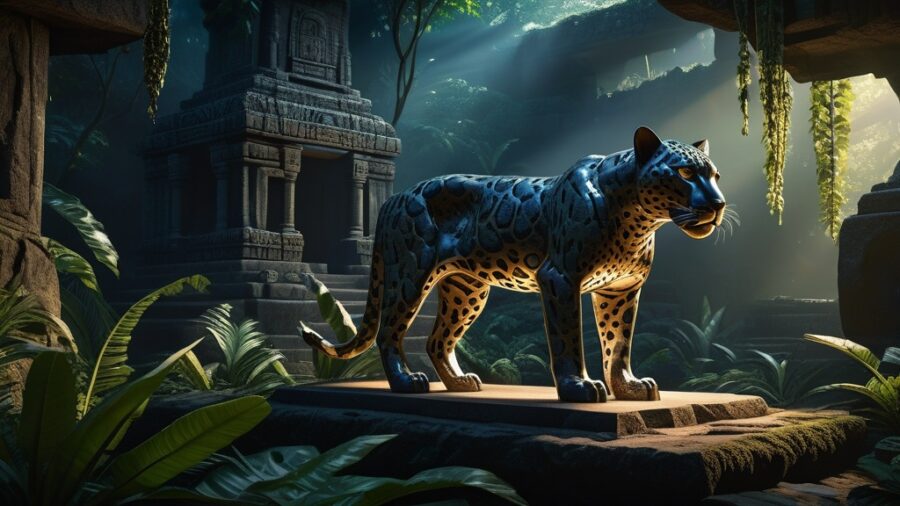
Introduction to Mesoamerican Mythology and Jaguar Symbolism
Mesoamerican mythology is an intricate tapestry of beliefs and practices that encompasses various ancient civilizations, including the Aztecs, Maya, and Olmecs. A significant figure in this mythology is the jaguar, whose symbolism is deeply rooted in the cultural and spiritual life of these societies. In this article, we will explore the multifaceted aspects of mesoamerican mythology jaguar symbolism and its profound implications on the civilizations that revered this powerful creature.
The jaguar was not merely an animal in Mesoamerican cultures; it represented strength, power, and the connection between the earthly and spiritual realms. From its representation in art and architecture to its role in mythology, the jaguar’s symbolism is a vital aspect of understanding Mesoamerican beliefs. Throughout this article, we will delve into the historical significance of the jaguar, examine its role in Aztec and Maya civilizations, and discuss contemporary interpretations of its symbolism.
As we embark on this journey through the rich world of Mesoamerican mythology, readers will gain insight into how the jaguar continues to influence modern interpretations and cultural identities. The exploration of jaguar symbolism will reveal not only the reverence these cultures held for this majestic animal but also how it shaped their understanding of the world around them.
Historical Significance of the Jaguar in Mesoamerican Cultures
The jaguar has a long-standing historical significance in Mesoamerican cultures, dating back thousands of years. Archaeological evidence suggests that the jaguar was revered as early as 1200 BCE, particularly among the Olmec civilization. This early culture is often credited with establishing the foundational myths and symbolic meanings associated with the jaguar. The Olmecs depicted jaguars in their colossal stone heads and figurines, emphasizing the animal’s importance in their cosmology.
As Mesoamerican cultures evolved, the jaguar’s symbolism expanded and adapted to various contexts. For the Maya, the jaguar was associated with the underworld and the night, embodying both the destructive and protective aspects of nature. The jaguar was often linked to the sun and moon cycles, representing the duality of life and death. This complex symbolism is evident in the numerous depictions of jaguars in Maya art, where they are often shown alongside deities or as guardians of sacred spaces.
The Jaguar as a Symbol of Power and Authority
In many Mesoamerican societies, the jaguar was synonymous with power and authority. Rulers often adopted jaguar motifs in their regalia to project strength and dominance. The Aztec emperor, for example, would don jaguar skin to signify his connection to the divine and his role as a protector of the people. This association with power extended to warriors, who believed that embodying the spirit of the jaguar would grant them courage and ferocity in battle.
Gender and Jaguar Symbolism
Interestingly, the symbolism of the jaguar also intersects with gender roles in Mesoamerican cultures. While male figures often represented the jaguar’s strength and ferocity, female deities such as the jaguar goddess were associated with fertility and regeneration. This duality highlights the complex relationship between gender and jaguar symbolism, illustrating how this powerful animal transcended simple categorization in Mesoamerican cosmology.
| Civilization | Jaguar Symbolism | Key Associations |
|---|---|---|
| Olmec | Foundational Symbol | Power, Fertility |
| Maya | Underworld Guardian | Life, Death, Fertility |
| Aztec | Divine Protector | Strength, Authority |
The Jaguar in Aztec Mythology and Beliefs
In Aztec mythology, the jaguar held a prominent place as a symbol of power and divinity. It was often associated with the god Tezcatlipoca, a principal deity known for his connection to the night and the earth. Tezcatlipoca was depicted as a jaguar or accompanied by jaguar imagery, reinforcing the belief that this animal was a manifestation of divine strength. The jaguar’s nocturnal nature and predatory instincts resonated with the Aztecs, making it an emblem of both fear and reverence.
Tezcatlipoca and the Jaguar
As the god of the sky, war, and fate, Tezcatlipoca’s association with the jaguar highlights the animal’s multifaceted symbolism. The Aztecs believed that the jaguar possessed the ability to traverse both the physical and spiritual realms, making it a powerful guide for souls in the afterlife. Rituals and ceremonies often involved jaguar representations to invoke Tezcatlipoca’s protection and favor, showcasing the deep interconnection between the deity and the animal.
Jaguar Warriors and Their Role in Society
Jaguar warriors, an elite class within the Aztec military, embodied the fierce qualities of the jaguar. These warriors wore jaguar skins and carried weaponry adorned with jaguar symbols, signifying their bravery and prowess in battle. The jaguar warrior’s role was not only to defend the empire but also to uphold the spiritual beliefs associated with the jaguar. Their ferocity in combat was believed to invoke the spirit of the jaguar, granting them enhanced strength and agility.
The Role of the Jaguar in Maya Civilization
The jaguar played a pivotal role in Maya civilization, where it was revered as a powerful symbol of the underworld. The Maya believed that jaguars ruled the dark, mysterious realms below the earth, representing both danger and protection. This duality is reflected in various aspects of Maya culture, including mythology, art, and architecture.
Mythological Narratives Involving the Jaguar
Maya mythology features numerous narratives that highlight the significance of the jaguar. One prominent myth involves the hero twins, Hunahpú and Xbalanqué, who transformed into jaguars to defeat the lords of the underworld. This transformation symbolizes the jaguar’s role as a protector and guide through dangerous realms, reinforcing its connection to the afterlife.
Artistic Representations of Jaguars
The presence of jaguars in Maya art is both abundant and varied. From intricately carved stelae to vibrant murals, the jaguar is depicted in various forms, often alongside gods, royalty, and ritual scenes. These representations highlight the jaguar’s significance and promote its association with fertility, strength, and protection. Iconography featuring jaguars emphasizes their importance in rituals and ceremonies, serving as a reminder of their divine connection.
- Jaguar symbolism is prevalent in Maya art, often representing deities.
- Mythological narratives emphasize the jaguar’s role as a protector.
- Rituals involving jaguar imagery were common in Maya society.
Symbolism of the Jaguar in Art and Architecture
The symbolism of the jaguar extends beyond mythology into the realms of art and architecture in Mesoamerican cultures. From grand temples adorned with jaguar motifs to intricate pottery and textiles, the jaguar’s representation is deeply embedded in the cultural expressions of these civilizations.
Jaguar Motifs in Architecture
Architectural structures such as the Temple of the Inscriptions in Palenque feature jaguar imagery, emphasizing the animal’s connection to the divine. The use of jaguar motifs in temple designs often served to invoke protection and signify the sacred nature of the space. These architectural elements highlight the importance of the jaguar in religious practices, reinforcing its role as a guardian of the spiritual world.
Jaguar Imagery in Pottery and Textiles
Mesoamerican pottery and textiles frequently showcase jaguar motifs, reflecting the animal’s cultural significance. The intricate designs often depict jaguars in various poses, symbolizing strength, agility, and fertility. These artistic representations not only highlight the technical skill of Mesoamerican artisans but also serve as a testament to the enduring symbolism of the jaguar in everyday life.
Contemporary Interpretations of Jaguar Symbolism
In contemporary times, the symbolism of the jaguar continues to resonate within various cultural contexts. Indigenous communities in Mesoamerica still regard the jaguar as a sacred animal, embodying strength, wisdom, and protection. This reverence has led to a resurgence of interest in traditional practices and beliefs, as modern societies seek to reconnect with their cultural heritage.
Jaguar Symbolism in Modern Art and Literature
Contemporary artists and writers often draw inspiration from jaguar symbolism, reinterpreting its meaning in the context of modern life. Jaguar imagery can be found in various forms of artistic expression, including visual arts, literature, and performance. These reinterpretations highlight the enduring legacy of the jaguar in cultural narratives, showcasing its adaptability and relevance in contemporary society.
Conservation Efforts and the Jaguar
The jaguar’s status as a symbol of strength has also led to increased conservation efforts aimed at protecting this majestic animal. Organizations and activists work tirelessly to raise awareness about the threats facing jaguars and their habitats. By promoting the jaguar as a cultural icon, these efforts strive to ensure its survival for future generations, reinforcing the importance of this animal in both ecological and cultural contexts.
Conclusion
In summary, the exploration of mesoamerican mythology jaguar symbolism reveals a rich tapestry of beliefs and practices that have shaped the cultural landscapes of ancient civilizations. From its historical significance in the Olmec, Maya, and Aztec cultures to its contemporary interpretations, the jaguar embodies a multifaceted symbolism that transcends time and space.
The jaguar’s role as a symbol of power, authority, and protection is evident in mythology, art, and architecture, underscoring its importance in Mesoamerican societies. As we continue to navigate the complexities of cultural identity and heritage, the jaguar remains a potent symbol of strength and resilience, inspiring generations to honor and protect this iconic creature.
Frequently Asked Questions about Jaguar Symbolism
What does the jaguar symbolize in Mesoamerican cultures?
The jaguar symbolizes strength, power, and the connection between the earthly and spiritual realms in Mesoamerican cultures. It is often associated with deities and represents both protection and danger.
How was the jaguar depicted in Aztec mythology?
In Aztec mythology, the jaguar was closely linked to the god Tezcatlipoca, symbolizing divine strength and the ability to traverse both physical and spiritual realms. Jaguar warriors were elite fighters who embodied these qualities.
What role did the jaguar play in Maya civilization?
The jaguar played a crucial role in Maya civilization as a symbol of the underworld and a protector in mythological narratives. It was often depicted in art and associated with fertility and regeneration.
How is jaguar symbolism interpreted in contemporary culture?
In contemporary culture, jaguar symbolism continues to resonate with indigenous communities and modern artists. It is often reinterpreted as a symbol of strength and resilience, while conservation efforts aim to protect the jaguar and its habitats.
What are some examples of jaguar motifs in Mesoamerican art?
Examples of jaguar motifs in Mesoamerican art include intricately carved stelae, pottery depicting jaguars, and architectural elements in temples. These representations highlight the cultural significance and technical skill of Mesoamerican artisans.
- The jaguar symbolizes strength and power in Mesoamerican cultures.
- It is associated with deities, particularly in Aztec mythology.
- The jaguar plays a significant role in Maya civilization’s narratives and art.
- Contemporary interpretations celebrate the jaguar’s cultural legacy.
- Conservation efforts aim to protect the jaguar and its habitats.
- Jaguar motifs are prevalent in Mesoamerican art and architecture.
- Jaguar warriors were elite figures in Aztec society.
- The jaguar is a symbol of the connection between earthly and spiritual realms.